
For parents in Singapore, worry grips you when your child limps.
They tiptoe on one side, speak of “leg pulling,” or struggle with playground tasks.
That is why paediatric physiotherapy helps.
It improves how your child moves. It boosts confidence, social life, and long‑term joint health.
At The Pain Relief Practice we help children and families since 2007.
We address aches, stiffness, motor delays, posture, and sports injuries.
We work in a child-friendly and precise way.
────────────────────────────
What Is Paediatric Physiotherapy?
Paediatric physiotherapy focuses on movement, posture, and body pain in babies, children, and teenagers.
In adult physio, a patient may clearly say “sharp pain” or “dull pain.”
Kids, however, often:
• Say “tired legs,” “aching knees,” or “back very suan”
• Avoid PE, running, or CCA training
• Trip over their feet or toe-walk
• Choose to sit out at the playground
Paediatric physiotherapists learn to note small movement changes.
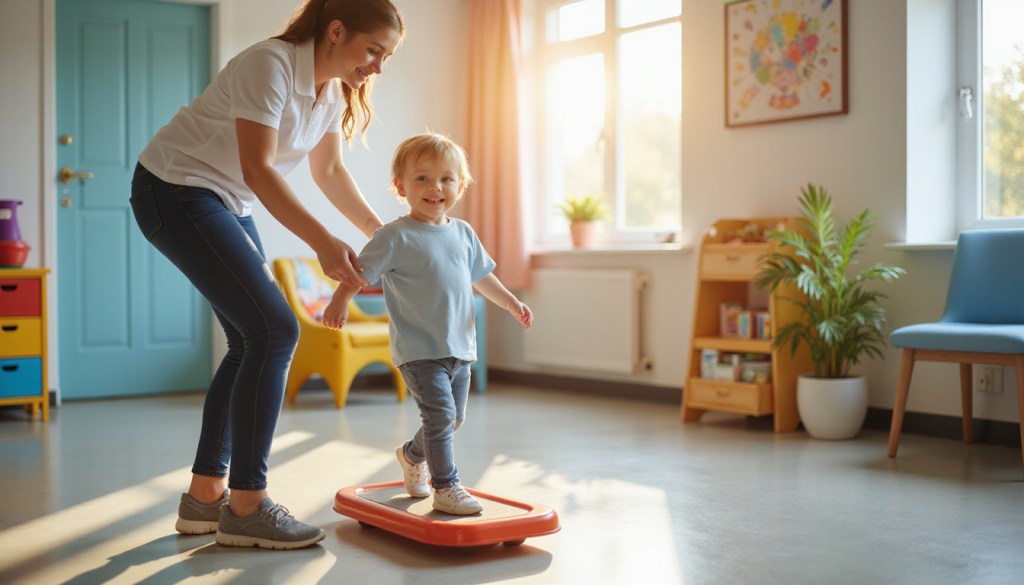
They see subtle signs and design fun, play-based rehab.
They fix the root cause before it becomes a lifelong worry.
────────────────────────────
Common Signs Your Child May Need Paediatric Physiotherapy
Sometimes you wonder if your child’s complaints are “growing pains” or something more.
These are signs we see in our clinic:
• Frequent ankle sprains or falls when running or changing direction
• Knee pain when going up or down stairs, squatting, or after PE
• Flat feet, in-toeing, knock knees, or bow legs that seem off compared to others
• Back or neck pain after long tuition sessions, iPad use, or gaming
• One-sided tiptoe walking, leg dragging, or uneven wear on school shoes
• Delayed milestones such as sitting, crawling, standing, or walking
• Poor posture with hunched shoulders, a jutting chin, or a slouched sitting pose
• Avoiding sports because of leg pain, slow running, or weak legs
If these issues last more than a few weeks, a paediatric physiotherapy check can show what is wrong and how to help.
────────────────────────────
How Paediatric Physiotherapy Helps: From Pain Relief to Confidence
Parents come to us with worries of pain or poor alignment.
Yet paediatric physiotherapy helps in many ways.
1. Reducing Growing Pains and Joint Strain
Kids often cannot state pain with details.
You might hear:
• “My knees very tight after PE.”
• “Legs very ache at night.”
• “Back very tired after class.”
Behind these words, we often find:
• Tight muscles from a growth spurt
• Weak glutes or core that load the knees and back
• Poor posture that stresses the neck and shoulders
• Flat feet that cause shin and ankle pain
With soft tissue work, stretching, and strengthening, we ease joint strain.
The child moves with less wincing and limping.
2. Correcting Posture Before It Becomes Permanent
Kids in Singapore sit a lot.
They sit at school, during tuition, with homework, and when using screens.
This can cause:
• Rounded shoulders
• A forward head
• A stiff upper back and neck
• A weak core and glutes
Paediatric physiotherapy:
• Spots stiff areas versus weak muscles
• Uses age-friendly exercises such as games, obstacle courses, and play drills
• Teaches simple micro habits for better sitting, standing, and carrying bags
Fixing posture early helps fend off chronic neck, shoulder, and back issues.
3. Improving Balance, Coordination and Strength
If your child seems clumsy or always trips, physiotherapy helps.
For example, if they:
• Trip or fall often
• Struggle with hopping, skipping, or jumping
• Cannot keep up at sports or CCA
• Say “legs jelly” after a short run
We check:
• Foot mechanics and ankle strength
• Hip and core muscle strength
• Balance and reflex responses
• Movement patterns like squats, landings, and turns
This targeted work builds a strong, coordinated child.
They move with more confidence on the field, in PE, and at the playground.
4. Supporting Sports Performance and Injury Prevention
In Singapore, school sports and national training are intense.
Young joints and growth plates may feel stress from:
• Repetitive jumping and cutting in sports like basketball, netball, or badminton
• Long runs for track and cross-country
• High-impact landings in gymnastics, cheer, dance, or martial arts
• Heavy training loads in football, rugby, or hockey
These loads may cause:
• Osgood–Schlatter disease (knee pain)
• Sever’s disease (heel pain)
• Hip and groin strains
• Shin splints and stress injuries
Paediatric physiotherapy helps by:
• Soothing irritated tissues
• Fixing movement errors in landing, cutting, and sprinting
• Gradually strengthening muscles
• Advising on training load, warm-ups, and recovery
Young athletes use these methods to recover and come back stronger.
────────────────────────────
What Happens in a Paediatric Physiotherapy Session?
Every child gets a program that is uniquely set.
Our process stays structured and clear so that parents are always informed.

Step 1: In-Depth Assessment
We first take time to know the child’s history.
We ask about:
• Pregnancy and birth details (for younger kids)
• When they reached milestones like sitting, crawling, and walking
• Any past injuries or diagnoses
• The type and location of pain (“deep ache,” “sharp when running,” “only at night”)
• Their sports, CCA, daily routines, and screen time habits
Then we test with a physical check:
• Posture and spine alignment
• Feet and leg alignment (flat feet, in-toeing, knock knees)
• Joint motion and muscle stretch
• Balance, coordination, and walking pattern
• Functional tasks such as squats, jumps, hops, stairs, and running
Step 2: Clear Explanation (Without Scaring Your Child)
We then explain to you and your child:
• What is causing the pain or movement issue
• Which joints or muscles feel overloaded
• Which habits add to the problem
• What paediatric physiotherapy can do versus what needs a watchful eye
This way, your child feels part of the solution instead of fearing that something is wrong.
Step 3: Targeted, Child-Friendly Treatment
Treatment may include:
• Gentle manual therapy to ease tight muscles and stiff joints
• Soft tissue release for knots and tension
• Stretching for calves, hamstrings, hip flexors, and chest
• Strength work for the core, glutes, hips, knees, and ankles
• Drills for balance and coordination
• Retraining walking, running, and jumping techniques
• Coaching on posture and ergonomics for school and screen use
We use games, challenges, and praise to keep sessions fun.
There is no boring routine that children fight against.
Step 4: Home Program and Parent Guidance
To keep progress, we give a child-friendly home plan:
• Simple exercises for 10–15 minutes each day
• Tips to adjust school bags, chairs, or study areas
• Sports load advice during growth spurts
• A plan for follow-up sessions
Many parents say, “Now I understand what is wrong and what to do, instead of just hoping they will outgrow it.”
────────────────────────────
Why Choose The Pain Relief Practice for Paediatric Physiotherapy in Singapore?
For parents who do not want to wait and see, The Pain Relief Practice stands as a specialized pain center for children and adults.
We help to:
• Address the root causes of pain
• Restore strong joints and muscles
• Boost active and joyful everyday life and sports performance
Established, Trusted Since 2007
We are one of Singapore’s established physiotherapy clinics.
Since 2007, we have helped many people.
We have treated:
• School kids with persistent pain and movement challenges
• Teen athletes preparing for trials and competitions
• Adults who suffer from long-term pain in the neck, back, knee, and shoulder
Our work with adults helps us spot early patterns in children.
We can step in before issues turn chronic.
Real Results
Celebrities & National Athletes
Celebrities and national athletes trust us.
They rely on us to keep their joints and muscles strong.
We bring that same caring, high-performance style to your child’s care.
────────────────────────────
What Conditions Can Paediatric Physiotherapy Help With?
We often work with children who have:
• Flat feet and in-toeing gait
• Knock knees or bow legs (when still within a treatable range)
• Recurrent ankle sprains and “wobbly ankles”
• Knee pain from sports or growth spurts (such as Osgood–Schlatter)
• Heel pain (Sever’s disease)
• Back and neck pain from poor posture or heavy schoolbags
• Delayed or awkward walking patterns
• General weakness, poor balance, or clumsiness
• Rehab after a fracture or surgery (with a doctor’s note)
If your child sees an orthopaedic specialist or paediatrician, we work together as a team to give structured rehab.
────────────────────────────
Benefits of Early Paediatric Physiotherapy
Early help makes a big difference.
Getting your child checked and treated soon can:
- Prevent chronic pain and repeated injuries
- Improve body alignment and ease joint stress
- Boost sports performance and reduce lost time from injury
- Build body awareness and confidence so your child learns to move well
- Support healthy joints for many years
One study shows early physiotherapy in children with movement issues lowers limitations and boosts participation in play and sports.
(Source: American Physical Therapy Association)
────────────────────────────
How Parents in Singapore Can Support Their Child’s Recovery
Your support is key.
Along with physiotherapy, you can help by:
• Watching for pain patterns: when does pain occur—after PE, at night, or on stairs?
• Checking shoes for uneven wear, which may hint at alignment issues
• Balancing screen time with physical play and outdoor fun
• Making sure your child warms up and cools down in sports
• Encouraging progress without pressure; celebrate effort and small wins
• Talking openly with coaches and teachers about your child’s condition
When parents, therapists, and coaches work together, progress happens faster.
────────────────────────────
Frequently Asked Questions About Paediatric Physiotherapy in Singapore
1. How do I know if my child really needs paediatric physiotherapy or will just “outgrow” it?
If pain, limping, awkward walking, or frequent falls last more than 2–3 weeks, or if your child starts to skip PE, CCA or playground time, it is wise to get an assessment.
Paediatric physiotherapy can tell if it is normal growth or an issue needing care.
2. Is paediatric physiotherapy painful or scary for kids?
Most children handle the sessions well.
We use words that suit their age and make use of games and play.
All hands-on work is gentle and within the child’s comfort.
Our aim is always to reduce pain.
3. How long does paediatric physiotherapy take to work?
This varies with each child.
Some feel relief after a few sessions.
More complex issues can take a few months with steady practice.
Your therapist explains this after the first check.
────────────────────────────
To learn if paediatric physiotherapy suits your child, explore The Pain Relief Practice and read our patient stories at:
https://share.google/UwMU2I9zUCwXVh0Lg
If your child limps, complains about aching joints, or falls behind in activities, early, focused treatment can shift the future to being confident, active, and pain-free.
We are a specialized physio treatment center for savvy people who want real results.
While we are not suitable for someone looking for ‘cheap physiotherapy’ or ‘free exercises available on youtube’, our treatments are affordable and are often claimable with company flexi-benefits, company health insurance, travel insurance, personal accident insurance, and other insurance plans.
Simply whatsapp or call: +65 97821601 and let us know how to help.
If you prefer a convenient nutritional preventive option, Regenerix Gold is our top recommended joint supplement.
We have been recommending this joint supplement for over a decade.
Simply start with 3 capsules, once a day.
If you do not feel better within a week, increase to 2 capsules, twice a day. (4 capsules a day in total)
Our blog readers qualify for a special discount.
Simply use the link below and a discount will automatically be applied during checkout.
 PROVIDING FAST, EASY & INSURANCE CLAIMABLE PAIN RECOVERY SINCE 2007
Leave a comment