
Orthopaedic Physiotherapy Secrets: Beat Pain and Reclaim Movement Fast
If you live in Singapore and face joint pain, tight muscles, or knees that hurt when you squat, know that orthopaedic physiotherapy can help you move freely. This therapy does not simply mask pain. It examines your joints, muscles, tendons, and nerves closely. It finds what hurts and then fixes it at its source.
This guide explains what works and what only reduces symptoms for a short while. Clinics like The Pain Relief Practice help Singaporeans walk, run, lift, and live without pain.
What Exactly Is Orthopaedic Physiotherapy?
Orthopaedic physiotherapy targets body parts and functions. It treats:
• Joints such as the knees, hips, shoulders, ankles, and spine
• Muscles, tendons, and ligaments
• Nerve pain from the neck and back
You may say, “My knee sounds odd,” “My back locks up,” or “My shoulder does not lift.” In these cases, orthopaedic physiotherapy can help.
Common issues include:
• Knee pain from meniscus wear, early arthritis, or runner’s knee
• Stiff neck and shoulders caused by long hours at the desk, frozen shoulder, or rotator cuff strains
• Low back pain because of slipped discs, sciatica, or facet joint stress
• Hip, ankle, or wrist pain from sports or old injuries
• Recovery after surgeries like ACL, rotator cuff repair, spinal surgery, or joint replacement
A good orthopaedic physiotherapist will not just say, “Rest” or “Avoid heavy lifting.” They will:
- Locate the exact structure that causes pain
- Fix the movement pattern that stresses that area
- Build muscle strength to stop pain from returning
Why Your Pain Keeps Coming Back (Even After Rest and Massage)
In Singapore, many people follow this cycle:
• Pain flares up → they take painkillers or get a massage
• They feel better for a while → then do the same activities
• Pain returns, sometimes worse
This cycle happens because:
• Tight muscles show a problem. The main issue can be poor joint alignment, old injuries that did not heal, weak stabiliser muscles, or irritated nerves.
• Painkillers and massage quiet the pain but do not change your movement.
• Ignoring a “small” ache can let it become a chronic problem.
Orthopaedic physiotherapy stops the cycle by retraining how your joints, muscles, and nerves work together. It does more than just loosen tight spots.
The Orthopaedic Physiotherapy Process: Step-by-Step
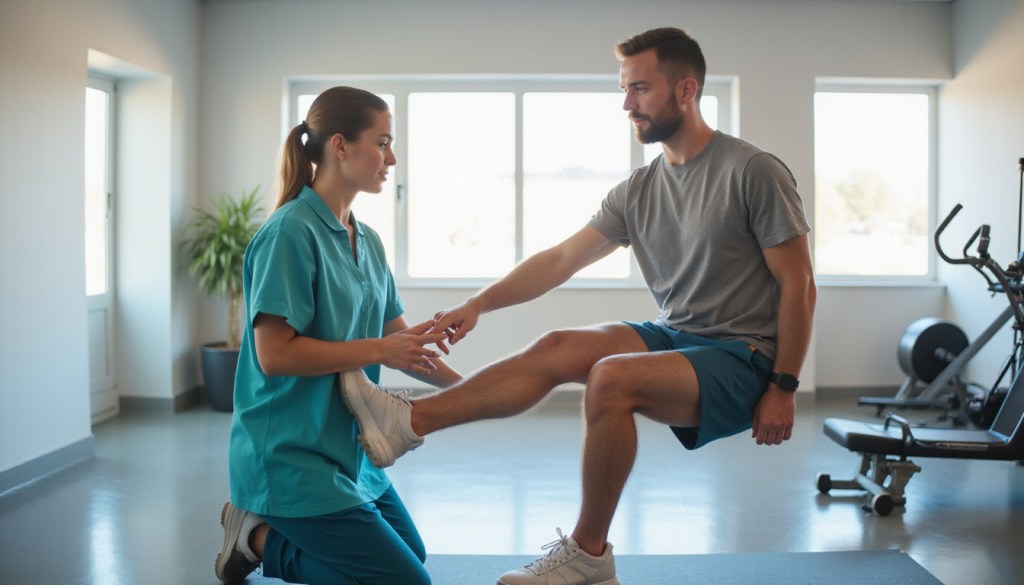
At a clinic like The Pain Relief Practice, your session is more than stretches and a hot pack. A proper orthopaedic physiotherapy session follows these steps:
1. Detailed Assessment (Not Just 2–3 Questions)
Your therapist first asks:
• Where and when does the pain hurt? Is it sharp, dull, burning, catching, or locking?
• What moves trigger the pain—walking, squatting, turning, lifting, or sitting too long?
• Have you had old injuries or surgeries that you think are “long gone”?
• What is your daily routine like: office posture, sports, gym, footwear, and sleep?
Next comes a hands-on exam:
• Checking your joint range
• Testing the strength of key muscles
• Feeling for nerve tension
• Watching how you squat, bend, walk, and reach overhead
2. Accurate Diagnosis of the Root Cause
Rather than use a catch-all term like “knee pain” or “back pain,” the therapist finds the specific structure involved. They may diagnose:
• Patellofemoral pain syndrome
• Meniscal irritation
• Rotator cuff tendinopathy
• Lumbar disc bulge that affects the nerve
• Facet joint irritation
• Early osteoarthritis
This clear diagnosis guides treatment and recovery time.
3. Hands-On Treatment to Calm the Pain
To ease your pain, your therapist may use:
• Joint mobilisation or gentle manipulation
• Deep tissue and trigger point therapy
• Myofascial release
• Nerve gliding methods
• Taping or bracing for extra support
These hands-on methods help to:
• Reduce inflammation and muscle spasm
• Restore smooth joint motion
• Soothe nerve irritation
• Let you move with less stiffness
4. Targeted Exercise Therapy to Fix the Problem Long Term
This is where orthopaedic physiotherapy truly helps.
Your physio gives you specific exercises that match your condition and daily routine. These exercises may include:
• Activating deep stabiliser muscles like the core, glutes, or rotator cuff
• Strengthening in the pain-free range and then gradually increasing to the full range
• Balance and proprioception training for the ankles, knees, and hips
• Postural and ergonomic retraining for neck and back issues
• Sport-specific drills for runners, gym-goers, golfers, or racket players
These exercises:
• Protect the irritated structures
• Build strength and endurance
• Train your brain and nerves to move efficiently again
How Fast Can Orthopaedic Physiotherapy Help?
Your recovery time will depend on:

• How long you have had the pain
• Whether there is structural damage like tears or arthritis
• Your age, fitness level, and daily demands
• How well you follow your home exercises
Many people see improvements in:
• 1–3 sessions: less stiffness and more confidence to move
• 4–6 sessions: a clear drop in pain during daily activities
• 6–12+ sessions: stronger, more stable joints with long-term gains
For long-lasting pain—such as pain present for 5–10 years—a structured plan works better than random stretches.
Why Savvy Patients Choose The Pain Relief Practice in Singapore
If you have tried many options—GP visits, medications, massage, or even another physio—and still suffer during everyday activities, then choosing a specialised clinic matters.
The Pain Relief Practice is different because:
• We have been a trusted physiotherapy clinic in Singapore since 2007.
• We focus solely on orthopaedic and musculoskeletal pain instead of general wellness.
• Our team treats celebrities and national athletes who demand fast, safe, and high-performance care.
• We use proven methods and advanced technology instead of routine machine treatments.
We aim not only to “reduce the pain a bit” but to help you:
• Regain strong, confident joints and muscles
• Return to sports, work, or an active family life
• Improve your overall physical performance and enjoyment
Real Results
Typical Problems We Help Singaporeans Overcome
If you recognize any of these, orthopaedic physiotherapy at The Pain Relief Practice can help you:
• “My knee feels swollen and tight after walking or using stairs.”
• “My neck and shoulder feel so stiff each morning; it sometimes also causes headaches.”
• “I have lower back pain when I stand for long or bend forward; sometimes the pain shoots down my leg.”
• “I never fully recovered from an old ankle sprain—I still feel weak and wobbly and even fear running.”
• “I cannot kneel to play with my kids or squat to use the toilet without pain.”
• “After gym workouts, my shoulder gets pinched during overhead presses.”
We do not simply tell you to stop the activities you enjoy. We modify your movements and rebuild your strength so you can do more safely.
What to Expect in Your First Orthopaedic Physio Session
When you visit The Pain Relief Practice, you can expect:
-
History & Discussion
You share your story: when the pain started, what you have tried, your concerns, and your goals (for example, running 5km, playing badminton, or lifting your kids). -
Physical Examination
Your therapist checks your movement, strength, flexibility, joint quality, and nerve health. You may be asked to walk, squat, or reach overhead so we see your movement closely. -
Clear Explanation
You receive a plain explanation. The therapist tells you what is wrong, which structures are irritated, and how treatment will help—without confusing jargon. -
Initial Treatment
You get hands-on treatment and simple exercises that reduce pain and improve movement right away. -
Personalised Plan
You leave with a clear plan. This plan tells you how many sessions you may need, what to do at home, and what to temporarily avoid.
One Simple Framework: Relieve – Restore – Reinforce
Remember this three-step framework as a guide:
- Relieve – Calm the pain and irritation
- Restore – Bring back proper joint movement and muscle control
- Reinforce – Build strength so the problem stays away
A typical plan uses:
• Manual therapy to ease pain and stiffness
• Gradually advancing exercises from comfortable to challenging positions
• Posture, ergonomics, and movement coaching that fit your life—be it at home, in the office, or at the gym
• Education about what is safe and how to pace your return to activities
Key Benefits of Orthopaedic Physiotherapy for Joint and Muscle Pain
When you commit to a good orthopaedic physiotherapy plan, you can expect:
• Better control over pain flare-ups
• A reduced need for painkillers
• Improved flexibility and joint range
• Stronger, more stable joints
• More confidence to move, exercise, and travel
• Slowed progression of wear-and-tear conditions like osteoarthritis
(source: American Physical Therapy Association)
Celebrities & National Athletes
We use the same ideas that help high-performance athletes. We adjust these principles for everyday Singaporeans. Whether you are carrying groceries, chasing your kids, or making it through a long workday without pain, our method works.
Quick Checklist: Do You Need Orthopaedic Physiotherapy?
You should think about this therapy if:
• Your pain lasts more than 1–2 weeks without improvement
• You have recurring pain in the same spot
• Your joint feels unstable or like it might give way
• Pain or stiffness stops you from doing everyday activities (climbing stairs, sitting, walking, or sleeping)
• You are worried about long-term damage or arthritis
• You have had surgery and want the best possible recovery
FAQ: Orthopaedic Physiotherapy in Singapore
-
What is the difference between orthopaedic physiotherapy and regular physiotherapy?
Orthopaedic physiotherapy deals directly with joints, muscles, tendons, ligaments, bones, and nerves. General physiotherapy may cover other areas like neurological or paediatric cases. Orthopaedic physiotherapists treat knee pain, back pain, shoulder issues, and sports injuries. They are ideal if you have musculoskeletal pain and need proper movement care. -
How many sessions will I need for chronic joint pain?
It depends on how long you have suffered and how severe the pain is. Many patients start with 4–8 sessions and get re-assessed later. Some issues heal faster, while others—like advanced wear-and-tear—require ongoing care and periodic checkups. -
Can orthopaedic physiotherapy help arthritis or is it only for sports injuries?
Orthopaedic physiotherapy works for arthritis, too. Although it cannot reverse cartilage damage, it reduces pain, improves joint movement, and strengthens the muscles around the joint. This treatment often delays or reduces the need for invasive procedures and helps you stay active.
Ready to Reclaim Pain-Free Movement?
If your joints often “complain,” if you do not trust your knees, back, or shoulders, or if you are tired of adjusting your life to constant pain, orthopaedic physiotherapy gives you a clear path to recovery.
At The Pain Relief Practice, we pair:
• Deep orthopaedic expertise
• Hands-on treatment
• Targeted, personalised exercise plans
• Experience with everyday patients and high-performance individuals
…so you can overcome pain, rebuild healthy joints and muscles, and enjoy your life to the fullest.
View Our Google Profile
Learn more about our location, reviews, and services here:
https://share.google/UwMU2I9zUCwXVh0Lg
We are a specialized physio treatment center for savvy people who want real results.
While we are not suitable for someone looking for ‘cheap physiotherapy’ or ‘free exercises available on youtube’, our treatments are affordable and are often claimable with company flexi-benefits, company health insurance, travel insurance, personal accident insurance, and other insurance plans.
Simply whatsapp or call: +65 97821601 and let us know how to help.
If you prefer a convenient nutritional preventive option, Regenerix Gold is our top recommended joint supplement.
We have been recommending this joint supplement for over a decade.
Simply start with 3 capsules, once a day.
If you do not feel better within a week, increase to 2 capsules, twice a day. (4 capsules a day in total)
Our blog readers qualify for a special discount.
Simply use the link below and a discount will automatically be applied during checkout.
 PROVIDING FAST, EASY & INSURANCE CLAIMABLE PAIN RECOVERY SINCE 2007