
If you leak a bit when you cough, laugh, sneeze, run for the bus, or carry your kids, you are not alone.
Many people in Singapore now choose pelvic floor physiotherapy. It helps when you do not want to wear liners just in case, plan your day around toilets, or hold your pelvic muscles tight all day.
This article explains what happens down there, why your back, hips, and core pain can come with leaks, and how targeted pelvic floor physiotherapy at The Pain Relief Practice helps you regain control and confidence.
Why pelvic floor problems are so common in Singapore
Many Singaporeans face several issues:
- Your lower back stiffens after long hours at a desk.
- Your hips feel tight when you sit too much and do not stretch deeply.
- Your core and glutes grow weak without strength work.
- A chronic cough from sinus issues, air‑conditioning, or smoking adds stress.
- Low fibre, little water, and rushed toilet trips make constipation common.
Pregnancy, C‑sections, vaginal births, hormonal changes, high‑impact sports, or heavy gym lifting add more strain to your pelvic floor muscles.
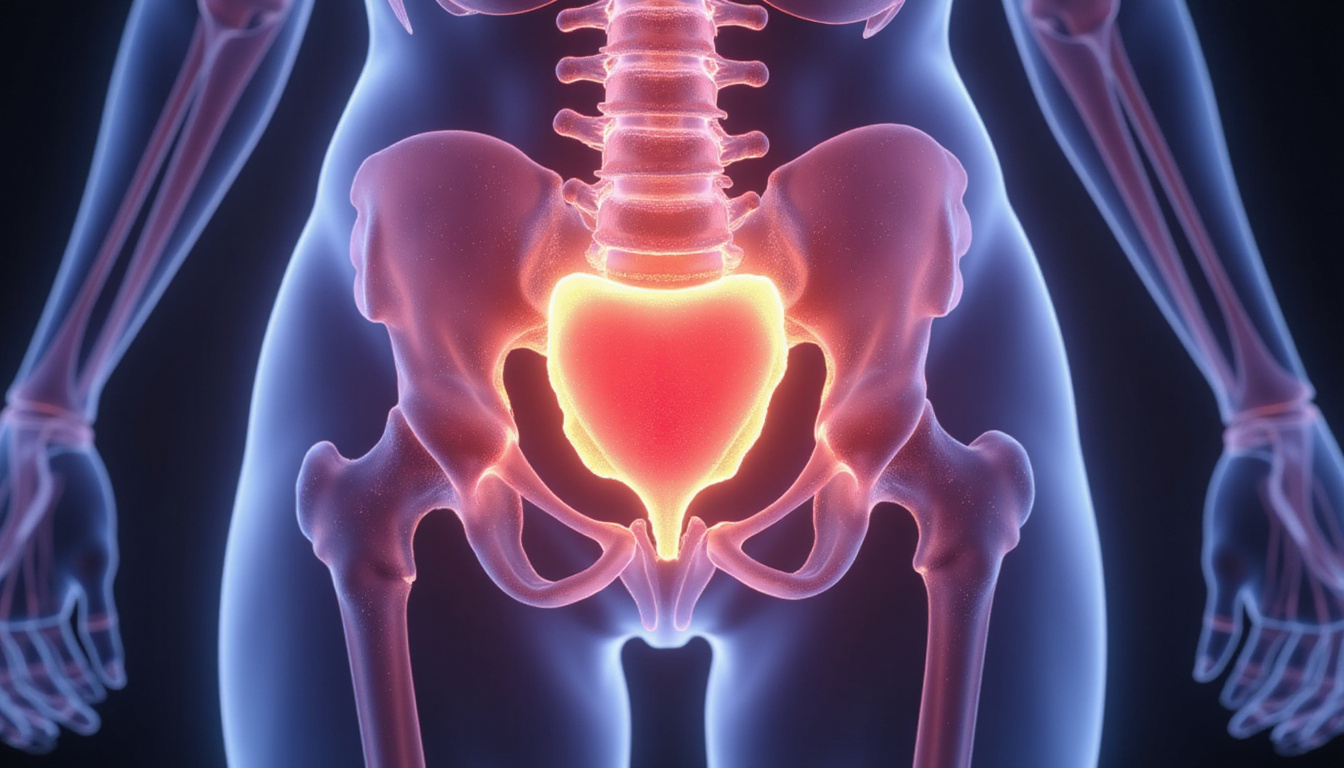
Over time, the muscle “support hammock” at the base of your pelvis may get:
- Overstretched and weak – it cannot hold things up.
- Tight and knotted – it cannot relax or contract properly.
- Poorly coordinated with your diaphragm, deep core, and hip muscles.
The result is that all‑too‑familiar “uh‑oh” feeling when your bladder lets go.
What exactly is pelvic floor physiotherapy?
Pelvic floor physiotherapy is a specialized branch of physiotherapy. It focuses on the muscles, ligaments, and nerves that support your bladder, bowel, uterus/prostate, and lower spine.
At The Pain Relief Practice, pelvic floor physiotherapy does not mean they simply give you a “Kegels” sheet. Instead, it usually involves these steps:
-
Detailed history taking
- You explain when the leaks began and what triggers them (sneezing, laughing, running, lifting, jumping, long walks, or sexual activities).
- You share past injuries like falls, or hip or back issues.
- You talk about pregnancy and delivery, surgery, or hormonal changes.
-
Posture, core, and movement assessment
- Your spine, hips, knees, and ankles are checked for alignment.
- They see if your core, glutes, and pelvic floor work in the right order.
- They also check your breathing (chest or diaphragm) and its effect on pelvic pressure.
-
Pelvic floor muscle assessment
- With your permission, they gently check the outside and sometimes the inside of your pelvic floor.
- They check if the muscles are weak, too tight, or not coordinated.
- They look for pain points, scar tissue, or trigger points interrupting your control.
-
Individualized treatment plan
- The plan may include pelvic floor strengthening or relaxation.
- Hands‑on therapy may help release tight pelvic, hip, and lower back muscles.
- Core and glute exercises support your pelvic floor.
- Bladder and bowel retraining may be added.
The main goal is to stop leaks, reduce a heavy feeling down there, and give you the confidence to move, laugh, lift, and live freely.
Signs your pelvic floor needs help (beyond obvious leakage)
Many people think of pelvic floor physiotherapy only when they leak urine. But pelvic floor dysfunction can also show as:
- A strong need to rush to the toilet or a frequent need to go.
- A feeling that you never fully empty your bladder.
- Straining during bowel movements or ongoing constipation.
- A feeling of heaviness, bulging, or dragging in the vagina or rectum.
- Pain in the tailbone, deep in the hip, groin, or lower back that does not go away.
- Painful intercourse or discomfort inside the vagina or rectum.
- A weak core, trouble doing planks, or difficulty balancing on one leg.
If you see several of these signs, your pelvic floor muscles may not be supporting you properly. They can be too weak to support or too tight to work well.
Why generic Kegels often don’t work
Many in Singapore know about Kegels from social media, apps, or classes. Yet, many still leak.
Common problems include:
- Doing the wrong movement. Many squeeze their buttocks, inner thighs, or suck in their tummy instead of lifting their pelvic floor.
- Over‑clenching. Some have a pelvic floor that is always tight. Holding it tighter makes symptoms worse.
- Holding the breath. Bracing and not breathing well raises pressure on the pelvic floor and makes leaks more likely.
- No progression. Pelvic muscles, like any muscle, need the right loading, timing, and progress. Just a few squeezes are not enough.
Pelvic floor physiotherapy ensures that you are:
- Contracting the right muscles.
- Allowing full relaxation between contractions.
- Synchronizing your breathing with your movements.
- Progressing safely from lying down, to standing, to real‑life tasks like lifting, running, or jumping.
How The Pain Relief Practice approaches pelvic floor physiotherapy
The Pain Relief Practice is an established physiotherapy clinic in Singapore. They have helped people since 2007. They combine evidence‑based hands‑on care with exercises and technology to treat musculoskeletal and pelvic floor issues.
1. We treat the whole system, not just the “floor”
Your leaks are rarely only a pelvic problem. They look at:
- Spinal alignment and lower back stiffness.
- Hip mobility, especially the deep hip rotators and glutes.
- Abdominal scars from C‑sections, laparoscopic, or hernia surgery that limit muscle function.
- Ribcage and diaphragm movement that affects pressure inside your abdomen.
When these areas improve, the strain on your pelvic floor goes down.
2. Tailored programmes for real‑life demands
You might be:
- A new mum who wants to carry your baby without leaking.
- An office worker tired of daily panty liners.
- A runner or CrossFitter frustrated by leaks during workouts.
- Someone who is peri‑or post‑menopausal and feels that everything is weakening.
They build a plan that fits your lifestyle and goals instead of offering a one‑size‑fits‑all solution. This plan can include:
- Strengthening for lifting, squats, lunges, and running.
- Training for jumping and impact for HIIT, badminton, netball, and more.
- Functional core and glute work for long‑term pelvic support.
3. Evidence‑based care
Their physiotherapists learn from the latest pelvic health research. They follow best‑practice guidelines from the International Continence Society and other major clinical bodies (for example, the National Association for Continence).
You get strategies shown by research to reduce urinary incontinence, prolapse symptoms, and chronic pelvic pain—adapted to real life in Singapore.
Real Results
What a typical pelvic floor physio journey looks like
Even though each person is unique, a typical process at The Pain Relief Practice may follow these steps:
-
First visit (assessment & immediate relief where possible)
- You explain your triggers, history, fears, and goals.
- Your posture, movement, breathing, and core control are assessed.
- With your consent, a pelvic floor assessment is done.
- You start basic activation or relaxation drills and simple lifestyle changes.
-
Weeks 1–4 (foundation phase)
- You learn the correct pelvic floor contraction and full relaxation.
- You work on proper breathing and reduce extra straining.
- You begin gentle core and hip exercises along with hands‑on treatment for tight spots.
-
Weeks 4–8 (strength & coordination)
- Your muscles are challenged in more upright and functional positions.
- You integrate walking, stairs, carrying, light jogging, or gym work.
- You fine‑tune your bladder and bowel habits, water intake, and urge control.
-
Weeks 8+ (return to full activity/performance)
- You perform higher‑level drills for running, jumping, heavy lifting, or sport‑specific skills.
- You learn strategies for “high‑risk” situations like long meetings, travel, or competitions.
- You get a long‑term maintenance plan to stop old patterns from coming back.
Many patients notice more control and fewer leaks within a few weeks if they follow the plan.
Practical tips to start easing leaks today
These small changes can reduce strain on your pelvic floor even before your first appointment:
- Do not pee 10 times “just in case” before you leave home. This can train a smaller, over‑sensitive bladder.
- When emptying your bladder or bowels, lean forward a bit, keep your jaw relaxed, and exhale gently. Avoid straining.
- When sitting on the toilet, keep your knees slightly apart. Use a small stool under your feet if you are constipated.
- When coughing or lifting, exhale gently and think “zip up and lift” from your pelvic floor just before you work.
- Spread your fluid intake throughout the day instead of drinking too much in the evening.
- Watch out for bladder irritants like strong coffee, tea, energy drinks, or alcohol if they make urgency worse.
Celebrities & National Athletes
The Pain Relief Practice has helped celebrities and national athletes. They need fast, reliable results and cannot be sidelined by pain, leaks, or a weak core. The same careful care is available for you. It is tailored to your condition and comfort.
Why choose The Pain Relief Practice for pelvic floor physiotherapy?
People come here because they are often:
- Tired of being told “just do Kegels” or “it is normal after kids/with age.”
- Sick of planning life around toilets and pads.
- Worried that leaks will worsen if they keep exercising.
- Embarrassed to talk about this with friends or family.
Here is what makes them different:
- They focus on both the musculoskeletal system and the pelvic floor. They understand how the spine, hips, and core work together, not just one muscle group.
- They have been trusted since 2007. Many patients, celebrities, and national athletes have relied on their care in Singapore.
- They offer discreet and respectful care. They explain every step, ask for your consent, and work at a pace that suits you.
- They work with proactive patients who want to learn about their body, put in the effort, and gain healthy joints, muscles, and pelvic control for life.
What we typically work on in pelvic floor physiotherapy
Your individualized plan may include:
- Training for pelvic floor strength, endurance, and quick contractions.
- Relaxation techniques or down‑training if your muscles are too tight.
- Deep core, glute, and hip stability exercises.
- Manual therapy for back and hip mobility.
- Scar tissue release (for example, from a C‑section or episiotomy).
- Bladder and bowel retraining strategies.
- Progression plans for returning to sport or running.
You will leave with clear home exercises and practical tips. These are not just theories—they are real‑life strategies.
FAQ: Pelvic floor physiotherapy in Singapore
-
Is pelvic floor physiotherapy only for women with incontinence?
No. Many women seek it for urinary leakage, but it also helps with prolapse symptoms, chronic pelvic or tailbone pain, post‑surgical recovery, constipation, and even sexual pain. Men can benefit too, especially after prostate surgery or if they have chronic pelvic pain and urgency. -
How many pelvic floor physio sessions will I need?
This depends on how long you have had symptoms, whether your pelvic floor is mainly weak or tight (or both), and your general fitness and lifestyle. Many people see improvements in 4–6 sessions. Full strength and coordination for high‑impact sports may take a few months of guided practice and home work. -
Is pelvic floor physical therapy painful or embarrassing?
The assessment is done with care and respect. They explain every step and ask for your consent. External assessments and guided cues provide much information. An internal assessment only happens if it is needed and you agree. The goal is to reduce pain, improve control, and build your confidence—not to cause discomfort.
If you are in Singapore and your joints, back, hips, or your “down there” limit your life, you do not have to live with it. Pelvic floor physiotherapy at The Pain Relief Practice can help you rebuild strength, stop leaks, and move with confidence.
To see their location, reviews, and contact details, view their Google profile here:
https://share.google/UwMU2I9zUCwXVh0Lg
We are a specialized physio treatment center for savvy people who want real results.
While we are not suitable for someone looking for ‘cheap physiotherapy’ or ‘free exercises available on youtube’, our treatments are affordable and are often claimable with company flexi-benefits, company health insurance, travel insurance, personal accident insurance, and other insurance plans.
Simply whatsapp or call: +65 97821601 and let us know how to help.
If you prefer a convenient nutritional preventive option, Regenerix Gold is our top recommended joint supplement.
We have been recommending this joint supplement for over a decade.
Simply start with 3 capsules, once a day.
If you do not feel better within a week, increase to 2 capsules, twice a day. (4 capsules a day in total)
Our blog readers qualify for a special discount.
Simply use the link below and a discount will automatically be applied during checkout.

 PROVIDING FAST, EASY & INSURANCE CLAIMABLE PAIN RECOVERY SINCE 2007