
If you’re in Singapore and you feel back pain, a stiff neck, a “jammed” shoulder, or creaky knees, telehealth physiotherapy may seem uncertain.
It connects a remote physio with your pain, joins diagnosis to treatment, and links advice to better movement.
For many Singaporeans who balance work, kids, and aging parents or fear travel when in pain, telehealth physiotherapy answers yes. Its clear strategies and a skilled physio guide each step so that every word in our plan is linked closely to your progress.
At The Pain Relief Practice, our telehealth physiotherapy complements in-clinic care. It builds recovery and links progress between visits.
Why telehealth physiotherapy works – even for “stubborn” pain
Living with musculoskeletal pain, you know the facts:
• Painkillers mask pain, they do not solve it.
• Random YouTube exercises leave muscles tense.
• Rest alone does not free a stuck joint or strained muscle.
Effective physiotherapy works by linking factors:
- Diagnosis targets a pain source.
- Movement strategies offload irritated joints.
- Strength and control stabilise the body.
- Lifestyle tweaks stop the cycle of pain.
A skilled physio uses telehealth to connect your symptoms with practical advice when you say:
- “My back locks when I rise from my chair.”
- “My neck stays tight like a knot.”
- “My knee clicks and pains with stairs.”
- “My ankle feels weak as if wobbly since my sprain.”
Video calls let your physio watch your sitting, standing, walking, squatting, and reaching in your own space. This close link of observation connects clues that a brief consult may miss.
Who in Singapore can really benefit from telehealth physiotherapy?
Telehealth suits many joint and muscle issues triggered by movement or posture. You may benefit if you:
- Have neck and back pain that grows with sitting, standing, or bending.
- Face office-related stiffness after long hours with a laptop or on Zoom.
- Suffer from shoulder pain, frozen shoulder, or rotator cuff strain.
- Endure knee pain from running, gym work, hiking, or daily walking.
- Experience recurrent ankle sprains or a “weak” ankle feeling.
- Get tension headaches that tie to shoulder and neck tightness.
- Act as an athlete or active adult seeking a return to sport after a flare-up.
- Recover from injury and need structured rehab when travel is hard.
Telehealth shines if:
- You live or work far from the clinic.
- Your schedule is tight and you must avoid extra travel time.
- Pain flares unpredictably and you need quick advice.
- You prefer fewer trips when pain is acute.
For red-flag symptoms (serious trauma, loss of bladder or bowel control, unexplained weight loss with pain, suspected fracture or infection), an in-person check is essential. A good telehealth provider screens and refers when needed
(source: Singapore Ministry of Health – Telemedicine Guidelines).
What a good telehealth physiotherapy session looks like
A telehealth session at The Pain Relief Practice is more than a quick call or a list of stretches. Each part connects clearly to how you feel.
1. Detailed history and “pain story”
We ask:
- When did your pain start and how has it changed?
- What moves or positions trigger it? (For example: “My back seizes when I bend to pick up something” or “My neck jams when I reverse the car.”)
- What treatments have you tried?
- How do work, exercise, and sleep affect you?
Many patients find that how they work from home, the height of their laptop, and how they carry their bag all tie into their pain.
2. Movement and posture assessment over video
Your phone, tablet, or laptop links you to your physio. They guide you through:
- Bending, twisting, squatting, stepping, or moving your arm.
- Watching how your shoulder blades function.
- Looking at your squat depth and knee alignment.
- Observing your neck as you turn, look down, or up.
We spot stiffness, shifted hips, and painful movement arcs. This close connection pinpoints which joints, muscles, or patterns are linked to your pain.
3. Tailored exercise and release strategies
Instead of saying, “stretch your hamstrings,” you receive exercises linked to your goals:
- Spinal mobility drills that let the spine glide.
- Activation to wake up sleepy glutes or shoulder muscles.
- Eccentric loading for tendons (like Achilles or patellar).
- Core stabilisation to offload troubled spots.
We use things you have—towels, chairs, stairs, or resistance bands—to join therapy to your daily life.
4. Practical ergonomic and lifestyle changes
Your body does not cause pain; your setup might.
We link advice on:
- Adjusting monitor and chair heights.
- Placing your laptop correctly if you lack an external monitor.
- Taking rest breaks that truly ease stiffness.
- Sleeping positions that relieve neck or lower back pain.
Here, telehealth can even surpass clinic sessions by linking your real setting with instant advice.
Proven remote care strategies that boost recovery
Telehealth is more than a video call. At The Pain Relief Practice, we link proven methods to help you improve between visits or entirely remotely when suitable.
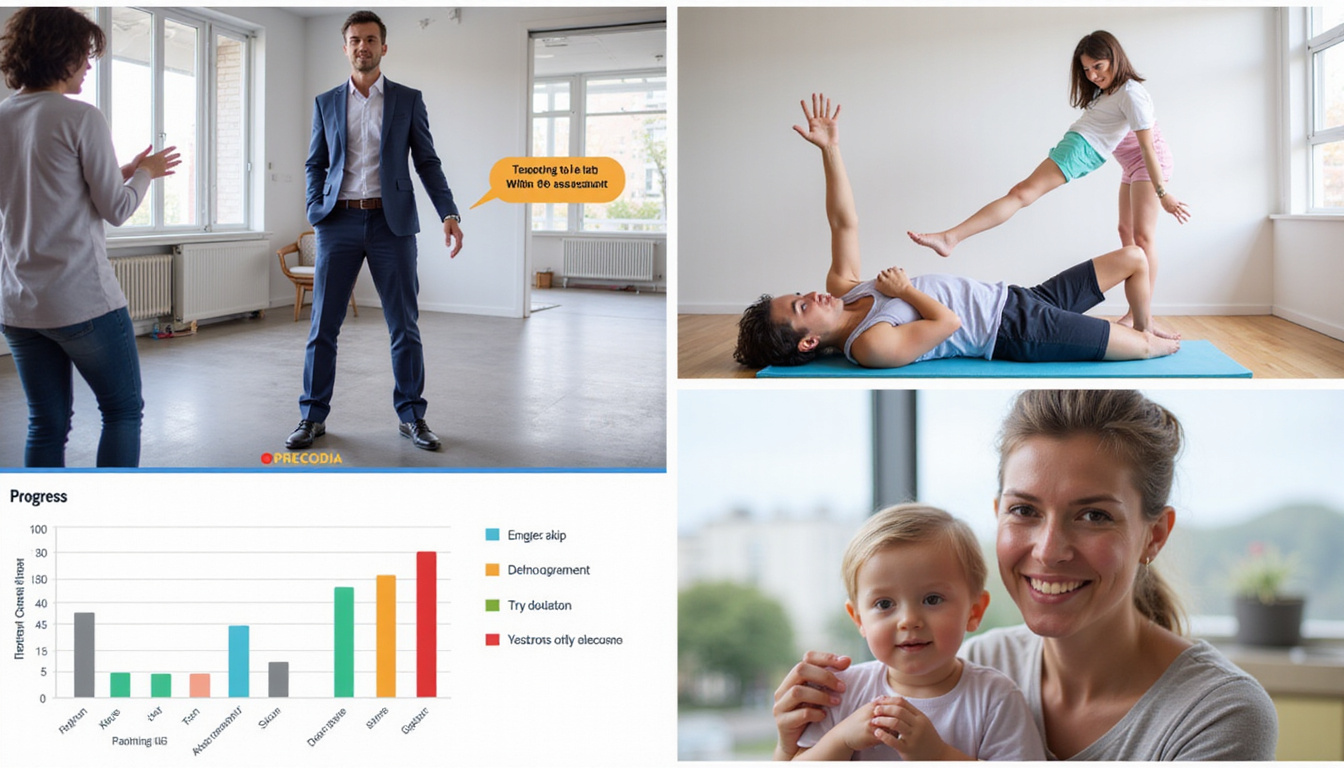
1. Progressive loading programs
Your joints and tendons work best with gradual loading. This means:
- Starting with what your body can bear without flare-ups.
- Progressing reps, sets, tempo, or resistance as you improve.
- Knowing when to slow down and when to push a little more.
Your physio creates a clear 4–8 week plan and adjusts it as your feedback connects with your progress.
2. Pain monitoring and adjustment
We do not say, “if it hurts, stop.” We use a pain scale that links guidelines with your experience:
- Acceptable discomfort during exercises.
- How long pain should last after a session.
- When a flare-up means too much work versus normal progress.
This close monitoring helps you stay active without linking every twinge to damage.
3. Accountability and habit-building
Home exercises often falter when habits break. Telehealth connects regular check-ins to your routine:
- Scheduled sessions keep your plan on track.
- Adjustments tailor your plan to your week.
- Quick clarifications stop confusion from lasting weeks.
This builds confidence so that you no longer fear moving the painful area.
4. Integration with in-clinic hands-on care (hybrid model)
Many patients benefit from a hybrid method that links in-person and remote care:
-
In-clinic sessions offer:
- Hands-on release and joint mobilisations.
- A detailed, baseline look at your condition.
- Special modalities when needed.
-
Telehealth sessions offer:
- Continued exercise progress.
- Ergonomic coaching in your own space.
- Pain management during busy weeks or small flare-ups.
This combination links expert manual treatment with convenient remote advice.
Why choose The Pain Relief Practice for telehealth physiotherapy in Singapore?
Since 2007, The Pain Relief Practice has helped many. We help link long-standing pain to healthy joints and muscles. We boost performance and connect you back to the activities you love.
Here’s what links us above the rest:
-
Deep experience with complex pain that ties every symptom into a clear plan.
Many patients have “tried everything”—chiro, massage, painkillers, and rehab. We use that experience to link precise movement analysis with targeted strategies. -
Trusted by celebrities and national athletes who demand results, clear diagnosis, and performance-focused rehab.
-
A performance and lifestyle focus that connects your personal routine to the plan.
Whether you run, gym, golf, or work long hours, your plan is linked to what you live every day. -
A tech-enabled, patient-first model that links every session with your goals, a clear timeline, and set activities each week.
Real Results
Celebrities & National Athletes
How to prepare for your telehealth physiotherapy session
Before your telehealth visit at The Pain Relief Practice, use these steps to connect preparation with success:
- Space: Clear a small area so you can stand, lie down, and move.
- Clothing: Wear comfortable clothes that show the painful area and your movement.
- Device & setup:
- Charge your phone, tablet, or laptop fully.
- Position the camera to view your full body for tests.
- Use earphones if your space is noisy.
- Props: Keep a chair, towel, and any exercise bands close.
- Notes: Write down a few questions or note when your pain flares so your physio can connect solutions to triggers.
What you can realistically expect from telehealth physiotherapy
Patients want clear answers: “Will this ease my pain?” “How long will it take?” No good physio promises a cure, yet each session links realistic expectations with progress.
With steady telehealth physiotherapy—and sometimes in-clinic care—many patients report:
- Lower daily pain intensity.
- Fewer moments when joints lock or jam.
- Better confidence in moving, lifting, and exercising.
- Improved posture and fewer aches by day’s end.
- A clear guide on managing and preventing flare-ups.
Your timeline links to factors such as:
- How long you have had the pain.
- The severity and nature of your condition.
- Your dedication to the plan.
- How sleep, stress, and work load connect with your healing.
Our goal is to link you with a clear roadmap, adjust it as progress shows, and support you so you never face pain alone.
FAQ: Telehealth physiotherapy in Singapore
-
Is online physiotherapy in Singapore effective?
Yes. Many musculoskeletal issues—especially pain linked to movement or posture—respond well. A physio can connect assessment, coaching, exercise plans, and ergonomic tips online. For cases that need hands-on treatment or special tests, we link telehealth with in-clinic visits. -
What conditions suit virtual or tele physio sessions?
Virtual physio works well for neck and back pain, office-related stiffness, shoulder and knee pain, sports injuries, tendon issues, and post-acute rehab. On your first tele physio consult, we link your history with a careful screen to decide if in-person care is better. -
How do I choose between telehealth physiotherapy or an in-clinic visit first?
If you have severe, unexplained pain, recent trauma, or red-flag symptoms, start with in-person care. If your pain recurs with daily activity or work, telehealth often connects you with efficient pain guidance. You can always join in-clinic sessions later if needed.
To learn how a linked telehealth physiotherapy plan or hybrid care can help your specific joint or muscle pain, explore more about The Pain Relief Practice and read our patient reviews here:
https://share.google/UwMU2I9zUCwXVh0Lg
By using clear links between each word and each idea, our goal is to help you understand and feel empowered to manage your pain.
We are a specialized physio treatment center for savvy people who want real results.
While we are not suitable for someone looking for ‘cheap physiotherapy’ or ‘free exercises available on youtube’, our treatments are affordable and are often claimable with company flexi-benefits, company health insurance, travel insurance, personal accident insurance, and other insurance plans.
Simply whatsapp or call: +65 97821601 and let us know how to help.
If you prefer a convenient nutritional preventive option, Regenerix Gold is our top recommended joint supplement.
We have been recommending this joint supplement for over a decade.
Simply start with 3 capsules, once a day.
If you do not feel better within a week, increase to 2 capsules, twice a day. (4 capsules a day in total)
Our blog readers qualify for a special discount.
Simply use the link below and a discount will automatically be applied during checkout.

 PROVIDING FAST, EASY & INSURANCE CLAIMABLE PAIN RECOVERY SINCE 2007