
If you live in Singapore, you feel lower back pain. You rub your lower back. You shift in your seat. You wake up stiff and achey. You are not alone. Many people search for back pain physiotherapy when pain stops work, sleep, and even when standing in the MRT. Daily small habits and the right treatment build strength and ease pain. They help you move like yourself again.
This guide speaks to Singaporeans who know “jammed” joints, feel a pinch when bending, or feel a dull ache that does not leave.
Why So Many Singaporeans End Up With Chronic Back Pain
Life here runs fast and keeps you at a desk. Long work hours, endless Zoom meetings, and looking down at phones in the MRT or bus add stress to your spine. Over time, you may feel:
- A sharp “catch” in your lower back when you stand up.
- A heaviness or tightness in your back after long sitting.
- Pain shooting into your buttock or leg when you bend or sneeze.
- A feeling that your back is “locked” or “stuck.”
Targeted back pain physiotherapy helps you. It does more than mask pain with pills or creams. It works to:
- Settle inflammation and muscle spasm.
- Restore smooth joint movement.
- Rebuild strength and control so your back copes with life.
- Stop the pain from coming back every few months.
Treatment alone does not cure pain. Your daily habits either help or undo the work.
Habit 1: Fix the “Sitting Problem” Before It Wrecks Your Back
Many Singaporeans with back pain say, “My back hurts after long sitting.” That phrase is a red flag.
Your desk setup matters more than you think
You do not need a fancy, expensive chair. You do need:
- Hips slightly higher than knees – this stop lowers back from slumping into a C-shape.
- Feet flat on the floor – no dangling feet or perching on the seat edge.
- Screen at eye level – so you do not poke your chin forward.
If you use a laptop, raise it on books. Use an external keyboard and mouse. This makes your neck and upper back work less.
Micro-break rule: 30–1
Every 30 minutes, stand or move for 1 minute. At work or at home, set a phone or watch alert. In that 1 minute, you can:
- Gently arch your back.
- Roll your shoulders.
- Walk a short distance to your pantry or toilet.
These small resets keep your joints and discs from staying in the same position.
Habit 2: Learn the “Neutral Spine” – Your Back’s Safe Zone
People with chronic pain say, “I do not know how to bend without pain anymore.” You are not weak. You move in a way that hurts your sore spots.
Your neutral spine keeps your natural curves in place. It does not force curves or flatten them.
When you lie on your back, try this:
- Arch your lower back a little.
- Then flatten it into the bed.
- Find the midpoint between those two extremes.
- That place is your neutral spine.
Once you feel it, use that posture when:
- Getting out of bed.
- Picking things up from the floor.
- Standing in a queue.
- Carrying groceries.
This way, you reduce strain on painful parts. It goes hand-in-hand with back pain physiotherapy exercises at the clinic.
Habit 3: Use Smart Bending Techniques (Stop “Crashing” Into Your Back)
Bending repeatedly with a rounded spine can twist your back like a paper clip that breaks from overuse.
Learn a “hip hinge” movement:
- Stand with your feet shoulder-width apart.
- Slightly bend your knees.
- Push your hips back as if you close a car door with your bum.
- Keep your chest open and your back long.
- Bend only until your back feels in control.
- Return to standing by pushing through your heels.
Use this method for:
- Lifting a laundry basket.
- Picking up your child’s toy.
- Taking heavy items from low shelves.
- Retrieving things from a car boot.
If you already hurt your back, work with your physiotherapist at The Pain Relief Practice. They adjust the technique so you protect sore parts and avoid flare-ups.
Habit 4: Build Your “Back Shield” – Core & Hip Strength
Many patients say, “My back is fragile. Even a small move flares it up.” Often, your back is not weak. The muscles around your back are not strong enough.
Strengthen these areas:
- Deep core muscles – they stabilise your spine.
- Glutes (butt muscles) – they ease the load on your lower back.
- Hip muscles – they stop your back from overcompensating with every step.
A simple routine (check with your physiotherapist first):
- Pelvic tilts (lying) – 10–15 reps.
- Dead bugs (controlled) – 6–10 reps per side.
- Glute bridges – 10–15 reps.
- Clamshells (side-lying) – 10–15 reps per side.
Do 1–2 sets, 4–5 times each week. These exercises are core parts of back pain physiotherapy programs and get fine-tuned to your needs.
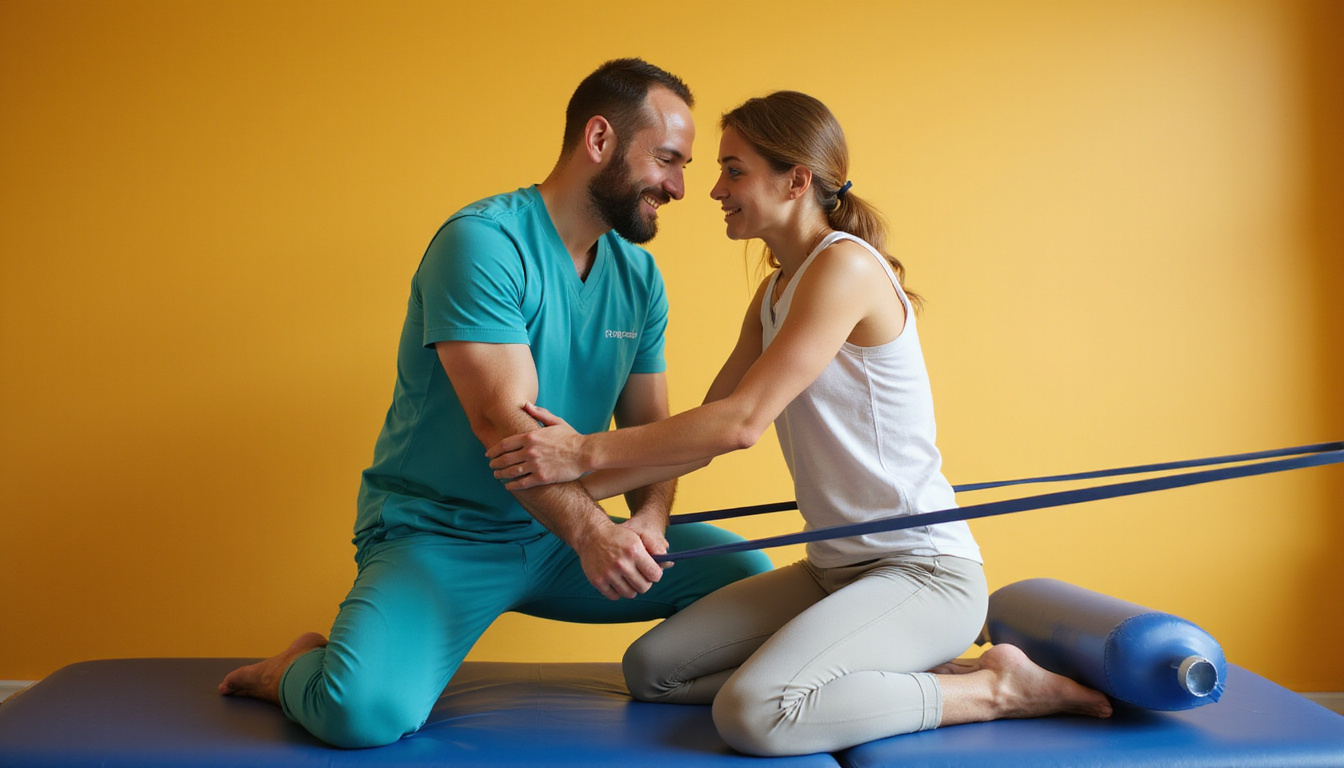
Habit 5: Choose the Right Kind of Movement (Not All Exercise Is Equal)
Many people with back issues try to “stretch it out” or pick any workout with hope. Sometimes, that choice harms more than it heals.
Safer options when your back feels cranky include:
- Walking on flat ground – it moves the joints without sudden impact.
- Gentle cycling with upright posture – avoid racing positions that twist your neck.
- Low-impact strength training – do it under guidance.
Be cautious with:
- Heavy deadlifts and squats when your form is poor.
- Sudden twisting (some racquet sports) if your back is irritated.
- High-impact actions like repeated jumping if your back is stiff or inflamed.
Your physiotherapist will help you modify your sport. You may stay active or perform at high levels safely.
Habit 6: Sleep Like Someone Who Actually Wants a Healthy Back
Many Singaporeans with back pain say, “My back is super tight when I wake up. I need time to straighten.”
Try these sleep tweaks:
-
Side sleepers:
- Put a pillow between your knees for hip alignment.
- Hug a small pillow so your upper spine does not twist.
-
Back sleepers:
- Place a small pillow under your knees if your lower back arches too much.
- Use just enough pillow under your head to keep your neck lined with your spine.
-
Mattress:
- You do not need the hardest mattress. Very saggy or over-soft ones may hurt.
- A medium-firm mattress is a good start (see this review on mattress firmness and low back pain: https://www.ncbi.nlm.nih.gov/pmc/articles/PMC5551159/).
A back pain physiotherapy assessment can show whether your back needs more of a curve or a flatter posture at night. Your therapist then customises your sleep position for a better back.
Habit 7: Don’t Ignore “Warning Niggles”
Most people do not become unable to straighten up overnight. Warning signs appear as:
- A familiar ache creeps back after long meetings.
- You need to crack or twist your back often for relief.
- Your hamstrings or hip flexors feel very tight.
- A dull ache appears when you cough, sneeze, or carry a bag.
This is when back pain physiotherapy works best. Your spine feels irritated but is not yet severely damaged. Early treatment at a specialised clinic like The Pain Relief Practice stops pain from becoming a chronic problem.
Why Consider The Pain Relief Practice for Back Pain Physiotherapy in Singapore?
If you want more than a generic massage or simple gym routine, you need a centre that understands joint and muscle issues.
The Pain Relief Practice is:
- An established physiotherapy clinic in Singapore since 2007.
- A specialised pain treatment centre that fixes stubborn back, neck, shoulder, knee, and other musculoskeletal problems.
- Trusted by celebrities and national athletes who demand quick, safe return-to-sport plans and manage tight schedules.
They help you:
- Solve the root causes of your pain rather than “pushing through.”
- Regain healthy joints and muscles so you can sit, stand, travel, and exercise with confidence.
- Boost your performance at work and in sport, not just resume daily activities.
Real Results
Celebrities & National Athletes
See our reviews and location here:
https://share.google/UwMU2I9zUCwXVh0Lg
At The Pain Relief Practice, your back pain physiotherapy program matches your condition, lifestyle, and goals – whether you need a pain-free workday, safe child-carrying, or a return to high-level sport.
What to Expect in a Back Pain Physiotherapy Session
At the clinic, your session may include:
-
Thorough assessment
- They ask when your pain began and what makes it better or worse.
- They check your posture, movement, and muscle balance.
- They use special tests to rule out serious causes and find the painful joint or disc.
-
Hands-on treatment
- They perform joint mobilisation or manipulation when it fits.
- They release tight or overprotective muscles.
- They use techniques that ease nerve tension if your leg hurts.
-
Targeted exercise prescription
- They show you drills to restore mobility.
- They guide you with core and hip strengthening that fits your current strength.
- They slowly progress exercises to build resilience for daily tasks.
-
Lifestyle and habit coaching
- They advise on office and home ergonomics.
- They suggest sport modifications instead of a full stop on exercise.
- They give clear do’s and don’ts for flare-ups.
Simple Daily Checklist for a Happier Back
Here is a practical checklist to remember:
- [ ] Sit with your hips slightly higher than your knees; keep your feet flat.
- [ ] Take a 1-minute break every 30 minutes of sitting.
- [ ] Use a hip hinge instead of rounding your back when bending.
- [ ] Do your core and glute exercises at least 4 times each week.
- [ ] Walk daily, even if only 10–20 minutes.
- [ ] Arrange your sleep position to support and not twist your back.
- [ ] Notice warning niggles and get help before pain lasts months.
FAQ: Back Pain Physiotherapy for Singapore Patients
-
How can physiotherapy help with lower back pain?
A structured physiotherapy for lower back pain program works by easing inflammation and muscle spasm, restoring joint movement, boosting core and hip strength, and fixing the movements that hurt your spine. In Singapore’s desk-bound culture, this plan lasts longer than just painkillers. -
Is back physiotherapy painful or risky?
Most physio treatment for back pain is safe and controlled. It fits your pain limits. You might feel mild soreness like after exercise, which usually fades in 24–48 hours. At The Pain Relief Practice, your physiotherapist explains each step and adjusts the intensity to suit you. -
When should I see a physiotherapist for back pain instead of just resting?
If discomfort lasts more than a week, recurs often, or affects your sleep, work, or walking, try back pain physio. Seek urgent help if you lose bladder or bowel control, feel numbness around your groin, or have severe pain with fever or weight loss.
If your back nags for weeks or flares every few months, you do not have to “just live with it.” With the right daily habits and a targeted back pain physiotherapy plan at The Pain Relief Practice, you can calm your pain, restore your confidence in movement, and return to the active, enjoyable life you want.
We are a specialized physio treatment center for savvy people who want real results.
While we are not suitable for someone looking for ‘cheap physiotherapy’ or ‘free exercises available on youtube’, our treatments are affordable and are often claimable with company flexi-benefits, company health insurance, travel insurance, personal accident insurance, and other insurance plans.
Simply whatsapp or call: +65 97821601 and let us know how to help.
If you prefer a convenient nutritional preventive option, Regenerix Gold is our top recommended joint supplement.
We have been recommending this joint supplement for over a decade.
Simply start with 3 capsules, once a day.
If you do not feel better within a week, increase to 2 capsules, twice a day. (4 capsules a day in total)
Our blog readers qualify for a special discount.
Simply use the link below and a discount will automatically be applied during checkout.

 PROVIDING FAST, EASY & INSURANCE CLAIMABLE PAIN RECOVERY SINCE 2007