
If you’re in Singapore and you live with swollen arms or legs that feel waterlogged or tight like a sausage casing, lymphoedema physiotherapy can change your life.
It does not matter if the swelling came after cancer treatment, surgery, an old injury, or it built up slowly on its own. The right rehab helps reduce swelling, ease pain, and free your movement.
This guide explains in clear words what happens in your body, what proper lymphoedema physiotherapy does, and how The Pain Relief Practice in Singapore helps smart patients return to an active, pain‑free life.
What is Lymphoedema (and Why Does It Hurt So Much)?
Lymphoedema is chronic swelling. It happens when lymph fluid builds up because the lymph system does not drain well. It shows up as:
- A limb that grows bigger or puffier
- Skin that looks tight and shiny
- A stuffed or bursting feeling, especially by the evening
- Deep aching, heaviness, or throbbing in the limb
- Stiff joints that no longer bend easily
Many people in Singapore first see lymphoedema after:
- Breast, pelvic, or prostate cancer surgery or radiotherapy
- Lymph node removal
- Repeated infections in an arm or leg
- Serious sprains, fractures, or operations that upset lymph vessels
Over time, swelling stresses joints, tendons, and muscles. Knees, ankles, shoulders, and fingers feel stiff and sore. This happens first thing in the morning or after sitting too long.
How Lymphoedema Physiotherapy Helps
Lymphoedema usually does not vanish on its own. The standard idea to “rest and see” does not work. Lymphoedema physiotherapy uses a focused rehab method that:
- Moves lymph fluid out of swollen areas
- Softens thick, fibrotic tissues
- Eases pain and burning sensations
- Guards your joints from long‑term damage
- Builds strength and stamina without worsening swelling
Done right, it has two main goals:
- Get the swelling down and keep it down
- Help you move comfortably so you enjoy daily life
In Singapore’s humid climate, many patients see their swelling worsen by late afternoon or after long MRT rides. A tailored lymphoedema physiotherapy plan helps manage these triggers.
Core Components of Lymphoedema Physiotherapy
A complete program usually has several evidence‑based parts. This is often called “Complete Decongestive Therapy (CDT)” (source: International Lymphoedema Framework).
1. Manual Lymphatic Drainage (MLD)
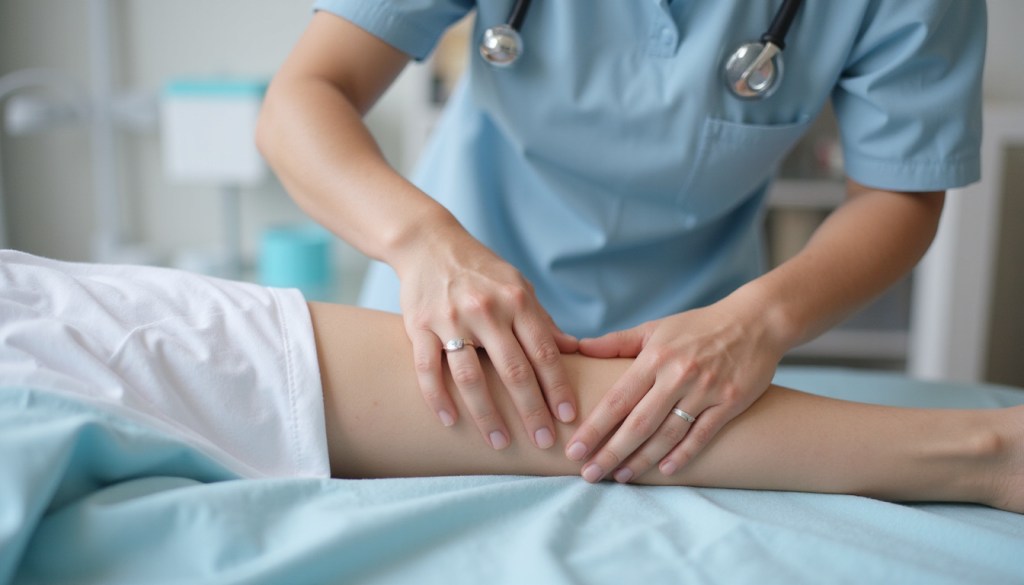
This part is very gentle and hands‑on. It is not a deep tissue massage.
- Soft, rhythmic strokes follow your lymph vessels
- Fluid is guided from congested spots to healthy drainage zones
- This reduces the “balloon” feeling and heaviness
- It often eases pain, pins-and-needles, and a dragging ache
Many patients say their limb feels lighter and less stiff in just a few sessions.
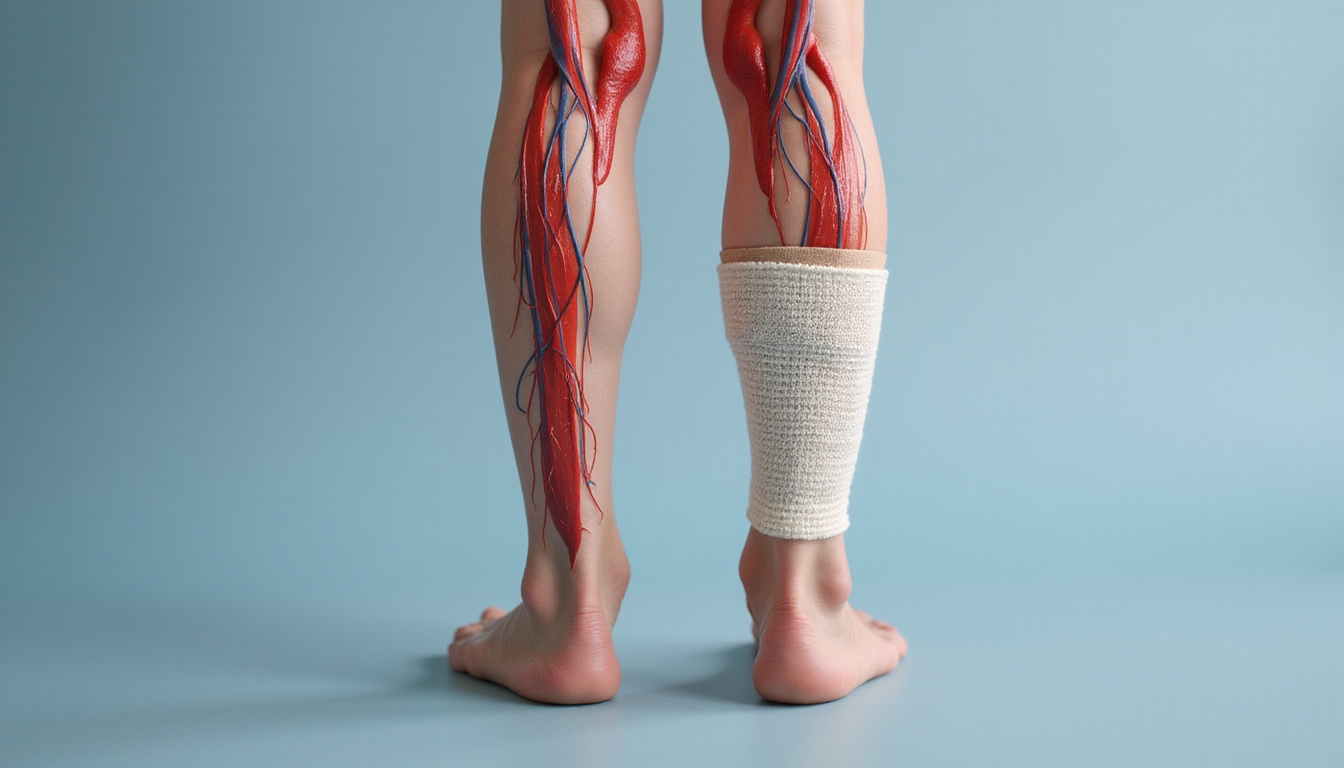
2. Compression Therapy
After the fluid moves out, you need to keep it out.
- You use custom-fitted compression stockings, sleeves, or wraps
- You may use multi‑layer bandaging during intense phases
- You wear them during the day, and sometimes at night if needed
- They stop refilling and support your joints when you stand or walk
When fitted well and taught correctly, compression does not cut circulation or leave deep marks. If your stocking feels like a tourniquet or digs in, it must be reviewed.
3. Targeted Exercise for Lymph Flow and Joint Relief
The right exercises act as a pump. They help lymph move and ease joint stiffness.
- They use gentle, rhythmic movements of the swollen limb
- They include range‑of‑motion work for stiff joints (for example, shoulder circles or ankle pumps)
- They offer light resistance to support weak muscles
- Breathing exercises help lymph return in the chest and abdomen
Lymphoedema‑specific exercises follow a precise order and rhythm. They encourage drainage instead of causing more puffiness.
4. Skin and Scar Care
Because swollen areas are more prone to infection, your therapist will:
- Teach you to spot early signs of cellulitis (red, hot, painful patches)
- Help you care for scars that feel stuck, pulling, or burning
- Advise you on moisturizers and hygiene for Singapore’s climate
Healthy skin and flexible scars lower the risk of flare‑ups and pain.
5. Self‑Management Education
A key part of lymphoedema physiotherapy is to learn self‑management:
- Learn how to adjust compression for long flights or meetings
- Know what to do when swelling suddenly increases
- Learn sleep positions that reduce fluid build‑up
- Get tips for office days, long drives, or when caring for family
This training turns you from a “victim of swelling” into a person who is in control.
What a Lymphoedema Physiotherapy Session Looks Like at The Pain Relief Practice
At The Pain Relief Practice—one of Singapore’s well‑known physiotherapy and pain treatment centres since 2007—your journey follows these steps:
Step 1: In‑Depth Assessment
We do not only look at the swollen area. We assess your whole musculoskeletal system:
- We review your history (cancer treatment, surgeries, injuries, infections, other conditions)
- We measure your limbs and check tissue texture
- We test joint mobility (for stiff knees, frozen shoulders, tight ankles, or a sore neck and back)
- We analyze gait, balance, and posture
Many patients have overlapping issues. For example, swollen legs plus knee osteoarthritis, or arm lymphoedema plus neck and shoulder pain. We consider all of this.
Step 2: Personalised Treatment Plan
From your assessment and lifestyle, we build your plan:
- An intensive phase with frequent visits to reduce swelling
- A maintenance phase with spaced‑out visits to keep you stable
- A realistic home routine for work, family, and energy
We update this plan as your swelling and pain improve.
Step 3: Hands‑On Therapy
During sessions, you get:
- Manual lymphatic drainage
- Gentle joint mobilization to ease tight joints
- Soft tissue work to release stubborn tightness
- Guidance on how to put on and take off compression garments
We watch your limb size, symptoms, and the movement of your joints.
Step 4: Exercise & Movement Coaching
You learn a set sequence of exercises:
- Lymphoedema exercises for your specific limb(s)
- Joint‑friendly strength work that does not strain swollen areas
- Simple routines that you can do at the office, in a lift lobby, or in front of your TV
Our goal is less swelling and better mobility so that you can walk fast, climb stairs, carry groceries, and enjoy playtime with your kids or grandkids.
Real Results
Celebrities & National Athletes
The Pain Relief Practice proudly treats celebrities and Singapore national athletes. They demand top‑level performance from their bodies. We use the same care, technology, and clinical reasoning for every patient. Whether you compete for medals or you want to enjoy a walk in the park without pain, we are here for you.
Key Benefits of Lymphoedema Physiotherapy for Singapore Patients
When you manage lymphoedema with a structured physiotherapy program, you can expect:
- A reduction in limb size and visible swelling
- Less heaviness and a reduced “bursting” feeling
- Less aching, throbbing, and nerve‑style pain
- Soften tissues that feel woody or rope‑like
- Better joint range so that bending and straightening become easier
- Improved balance, walking speed, and stamina
- Fewer flare‑ups and infections over time
For many, these changes lead to fewer work absences, easier travel, more confidence in wearing normal clothes, and the ability to join in sports, yoga, tai chi, or simple morning walks.
Practical Tips to Manage Lymphoedema Day to Day
Along with professional lymphoedema physiotherapy, these tips help keep swelling and pain in check:
-
Avoid long, static positions
- Change your position every 30–45 minutes.
- Do ankle pumps or shoulder rolls during long meetings or MRT rides.
-
Use gravity wisely
- Elevate your affected limb above heart level several times a day.
- For legs: lie down and prop your calves on pillows.
- For arms: use pillows to support your arm while you watch TV.
-
Mind your joints
- Wear shoes with proper cushioning and support.
- Avoid deep squats or long kneeling if your knees are worn.
-
Be gentle, but keep moving
- Remember that motion is like lotion for your joints and lymph.
- Regular light movement beats occasional extreme workouts.
-
Watch for warning signs
- A sudden increase in redness, warmth, and pain in a swollen limb may mean an infection. Seek help early.
- Tell your physiotherapist or doctor about any unusual symptoms immediately.
Why Choose The Pain Relief Practice for Lymphoedema Physiotherapy in Singapore?
- Established since 2007, we have over a decade of experience helping Singaporeans with complex pain and musculoskeletal issues.
- We specialise in pain and function, looking beyond swelling to restore joint health, strength, and performance.
- We work with high‑demand clients, including celebrities and national athletes. This sharpens our result and safety standards.
- We use an integrated approach. We assess the lymph system, joints, muscles, nerves, posture, and daily demands together.
- We put people first. Your goals, fears, and frustrations matter. We make sure your plan reflects your unique needs.
If your swelling and pain have been brushed off as “normal after surgery” or you are tired of being told to “just live with it,” a focused lymphoedema physiotherapy program at The Pain Relief Practice can open new options for you.
FAQ: Lymphoedema Physiotherapy in Singapore
-
How soon should I start lymphoedema therapy after surgery or cancer treatment?
Start as soon as your surgeon or oncologist gives the green light. Early lymphoedema therapy reduces the risk of severe swelling and stiff, painful joints. At The Pain Relief Practice, patients usually begin once their wounds can handle gentle care. -
Can physiotherapy cure lymphoedema completely?
Most cases of lymphoedema are long‑term. A complete cure is uncommon. However, physiotherapy for lymphoedema can greatly reduce swelling, pain, and complications. Many patients reach a stable state where the condition does not heavily affect daily life. -
Is lymphoedema physiotherapy painful or risky?
The right lymphoedema physio is gentle and targeted. Manual lymphatic drainage is usually relaxing. Compression and exercises might feel unusual at first, but they should not worsen your pain when done correctly. Your therapist adjusts the intensity to match your comfort and health.
If your arm or leg feels heavy, tight, and uncooperative, and your joints start to complain, you do not have to live with it. A structured lymphoedema physiotherapy program at The Pain Relief Practice can help reduce swelling, protect your joints, and let you enjoy the active lifestyle you deserve.
We are a specialized physio treatment center for savvy people who want real results.
While we are not suitable for someone looking for ‘cheap physiotherapy’ or ‘free exercises available on youtube’, our treatments are affordable and are often claimable with company flexi-benefits, company health insurance, travel insurance, personal accident insurance, and other insurance plans.
Simply whatsapp or call: +65 97821601 and let us know how to help.
If you prefer a convenient nutritional preventive option, Regenerix Gold is our top recommended joint supplement.
We have been recommending this joint supplement for over a decade.
Simply start with 3 capsules, once a day.
If you do not feel better within a week, increase to 2 capsules, twice a day. (4 capsules a day in total)
Our blog readers qualify for a special discount.
Simply use the link below and a discount will automatically be applied during checkout.
 PROVIDING FAST, EASY & INSURANCE CLAIMABLE PAIN RECOVERY SINCE 2007