
If you notice you get short of breath when you walk to the MRT, climb a few stairs, or speak a little too long, respiratory physiotherapy can help a great deal. Many people in Singapore suffer from a long-lasting cough, a tight chest, or the feeling that they “cannot take a full breath.” Even those with post‐COVID lungs do not know that targeted, evidence-based techniques can boost lung function and stamina—even after years of struggle.
This article shows the main techniques in respiratory physiotherapy, explains how they work, and outlines how The Pain Relief Practice in Singapore helps smart patients clear “lung congestion,” cut down on breathlessness, and return to daily life and sports with more confidence.
What Is Respiratory Physiotherapy?
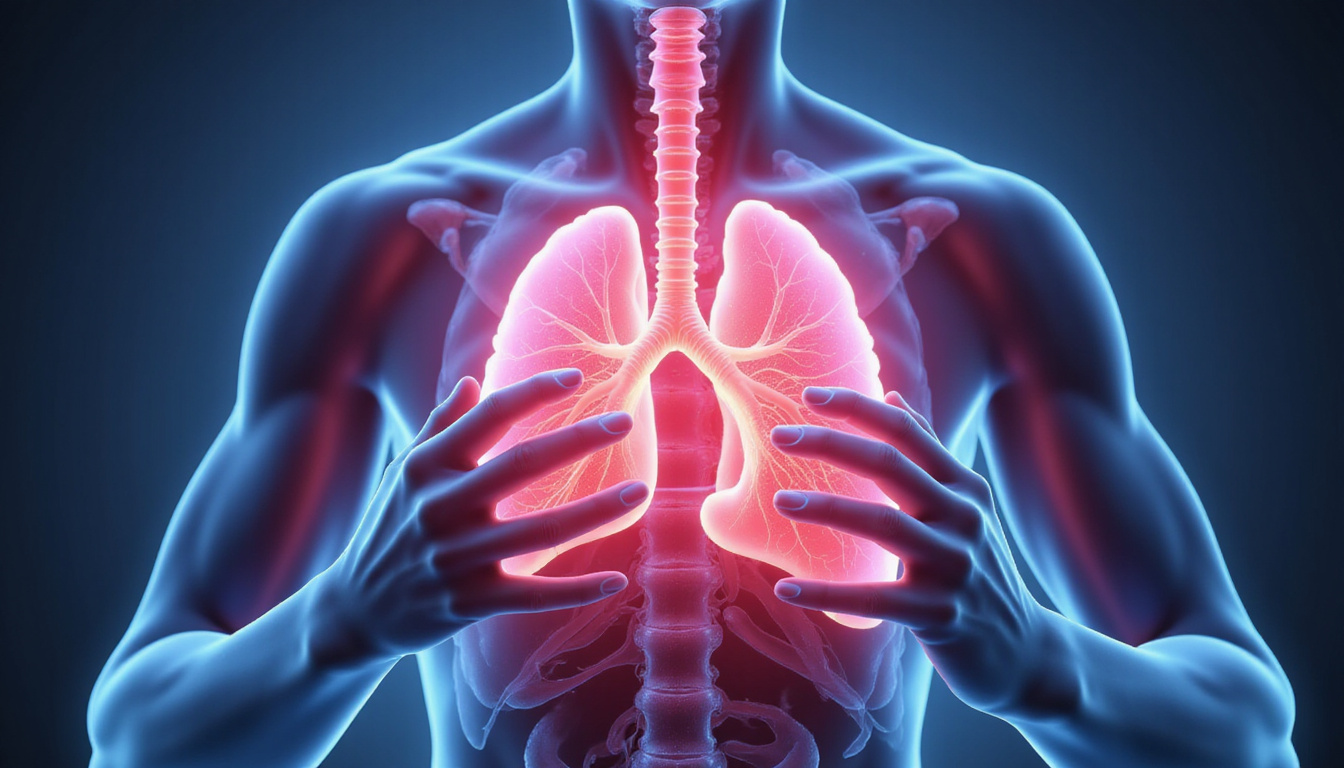
Respiratory physiotherapy (or chest/pulmonary physiotherapy) is a focused branch of physiotherapy. It works to:
• Improve how your lungs expand and contract
• Clear stubborn phlegm and mucus
• Train your breathing muscles—especially the diaphragm
• Reduce breathlessness during daily activities and exercise
It helps people who suffer from:
• A long-lasting cough with phlegm
• Asthma or COPD
• Bronchitis or repeated chest infections
• Post-COVID “lung fog,” chest tightness, and low stamina
• Post-surgery breathing weakness
• Years of shallow or “upper-chest” breathing
If you feel that your lungs are always “stiff,” that you cannot take a deep, satisfying breath, or that you tire quickly, respiratory physiotherapy works to retrain your lungs and breathing muscles step by step.
How Lungs Actually Get “Stiff” and Weak Over Time
Many Singaporeans say that age, old injuries, or lack of fitness cause breathlessness. However, there are clear, fixable reasons:
-
Shallow chest breathing habit
• Stress, desk work, and poor posture make us breathe high in the chest.
• This causes the diaphragm to be underused and the rib cage to tighten. -
Untreated chest infections and chronic phlegm
• Repeated bronchitis, sinus drip, or smoker’s cough leaves thick mucus in small airways.
• This mucus increases resistance and makes each breath hard work. -
Post-COVID or post-pneumonia stiffness
• A serious infection can make lung tissue and nearby muscles stiff.
• You may feel fine at rest but become breathless with minor effort. -
Poor thoracic mobility and bad posture
• Rounded shoulders and a forward head posture reduce the space for rib expansion.
Respiratory physiotherapy targets these issues instead of masking symptoms with inhalers or syrups.
Core Respiratory Physiotherapy Techniques That Improve Lung Function
A skilled respiratory physiotherapist in Singapore uses these main techniques. They customize each method to your condition.
1. Diaphragmatic (Belly) Breathing Training
Many people with chronic cough, asthma, or post-COVID lungs overuse their neck and upper chest muscles. This pattern is inefficient and tiresome.
Diaphragmatic breathing retrains you to use your diaphragm—the main muscle for breathing—so that:
• You reduce wasted effort from neck and shoulder muscles
• You feel as if air reaches the bottom of your lungs again
A therapist may do the following:
• Place their hand or a small weight on your belly for feedback.
• Guide you to breathe “into the belly” instead of lifting the chest.
• Progress your practice from lying down to sitting, standing, walking, and—even light jogging.
In time, you may notice a looser throat and fuller, more relaxed breaths.
2. Pursed-Lip Breathing for Breathlessness
Pursed-lip breathing is a simple yet powerful technique if your chest tightens, as if held in a vice, during activity.
This technique works by:
• Preventing your airways from collapsing when you exhale.
• Making exhalation slow and controlled.
• Helping trapped air escape from the lungs.
A physiotherapist will:
• Teach you proper timing (inhale through the nose, exhale slowly through pursed lips).
• Show you how to use it when walking, climbing stairs, or carrying groceries.
• Combine it with pacing strategies to keep you active without feeling overwhelmed.
This is especially useful for those with COPD, asthma, or for older adults who feel “air hunger” with even mild exertion.
3. Airway Clearance & Phlegm-Removing Techniques
If you deal with sticky phlegm that does not come out, airway clearance techniques can bring relief.
These techniques include:
• Active Cycle of Breathing Technique (ACBT): combining deep breaths, relaxed breathing, and “huff” coughing.
• Postural drainage: positioning your body so that gravity can help drain mucus from different lung areas.
• Percussion and vibrations: rhythmic clapping or gentle shaking over the ribs to loosen mucus.
Used correctly by a trained therapist, these methods often lead to a “lighter chest,” easier breathing, and less night-time coughing.
4. Thoracic Mobility & Rib Cage Stretching
If your upper back feels stuck or your ribs cannot expand fully, you may feel short of breath even when lung tests are normal.
Respiratory physiotherapy may include:
• Manual mobilization of stiff thoracic joints
• Targeted stretching of the muscles between the ribs
• Postural correction to address rounded shoulders and tight chest muscles
Improved rib cage mobility helps your lungs expand more freely. With each breath, you waste less energy.
5. Inspiratory Muscle Training (IMT)
Think of IMT as strength training for your breathing muscles.
Using special devices or resistance techniques, IMT:
• Strengthens the diaphragm and accessory breathing muscles.
• Boosts endurance so you can walk farther or exercise longer before feeling breathless.
• Cuts down the feeling of air hunger during activity.
IMT works very well for:
• Older adults who have become deconditioned over time.
• Patients recovering from ICU care or surgery.
• Athletes who need to recover quickly after a respiratory illness.
6. Pulmonary Rehabilitation & Graded Exercise
Many people avoid activity because breathlessness makes them worry. This avoidance weakens the body further in a vicious cycle.
A respiratory physiotherapist at The Pain Relief Practice will design a graded pulmonary rehabilitation plan that includes:
• Monitored walking, cycling, or step exercises.
• Tracking of heart rate and oxygen levels.
• Gradual progress based on your lung, joint, and fitness status.
This integrated method improves lung efficiency, cardiovascular fitness, and makes you feel more confident in your movements.
What a Respiratory Physiotherapy Session in Singapore Typically Looks Like
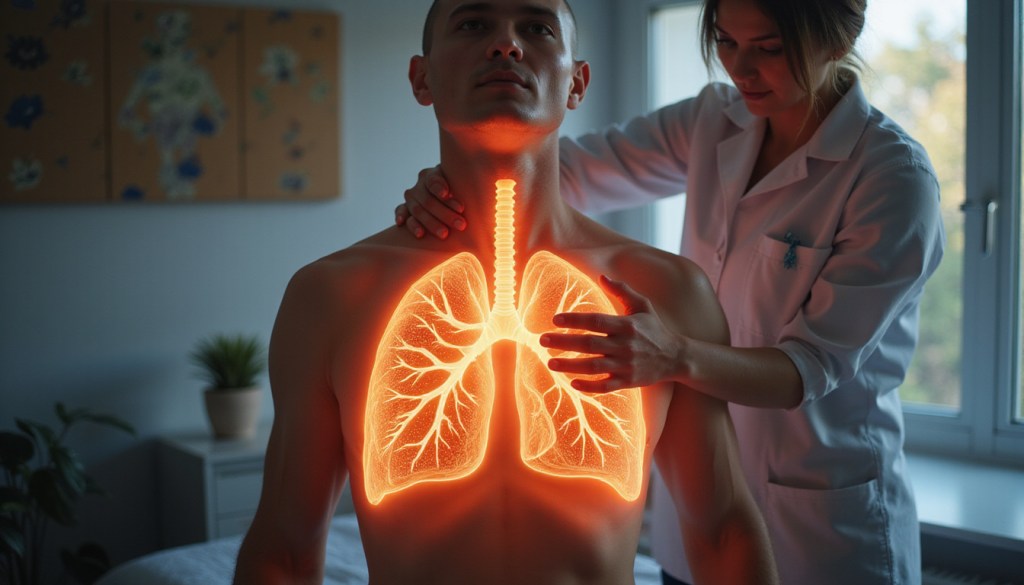
At The Pain Relief Practice, each session is tailored to a person’s lung condition, joint health, and fitness level. A typical session often includes:
-
Detailed breathing and posture assessment
• Evaluation of how you breathe at rest and during activity
• Checking rib cage movement, upper back stiffness, and neck strain
• Reviewing cough patterns, phlegm, and trigger factors -
Hands-on techniques
• Chest mobilization
• Gentle manual methods to clear airways
• Soft tissue release for tight breathing muscles -
Device-based training (if needed)
• Inspiratory muscle trainers
• PEP (positive expiratory pressure) devices
• Monitoring equipment for safe progression -
Home exercise and breathing program
• Clear, step-by-step breathing drills
• Guidance for flare-ups
• Pacing strategies for daily activities and exercise
The focus is always on practical gains: walking further, climbing stairs more easily, sleeping without coughing fits, and returning to the sports or hobbies you enjoy.
Why Choose The Pain Relief Practice for Respiratory Physiotherapy in Singapore?
Since 2007, The Pain Relief Practice has been a trusted name in physiotherapy in Singapore.
We stand out because we give targeted respiratory physiotherapy by:
• Combining specialized pain and performance care.
Many patients also suffer from neck, shoulder, and back pain due to long-term breathing struggles. We treat breathing problems and musculoskeletal issues together.
• Working with celebrities and national athletes, whose demands for fast, measurable improvements drive our evidence-based approach.
• Offering holistic, people-first care.
We work with individuals who want to understand their bodies, take charge of their health, and move beyond a “just live with it” mindset. Our goals are to:
– Solve stubborn breathing and pain problems
– Restore healthy joints and muscles
– Boost your performance and enjoyment of daily activities and sports
Real Results
Celebrities & National Athletes
Your First Step: What You Can Expect When You Visit
If you live in Singapore and get tired nearly every time you move, your first visit will include:
-
History & Symptom Deep-Dive
• When your breathlessness began
• What makes it worse or better
• Your history of infections, COVID, asthma, or COPD -
Breathing Mechanics Assessment
• How well your diaphragm works compared to your upper chest
• Your posture, spine alignment, and rib cage mobility
• How well your breathing syncs with your movements -
Personalised Treatment Plan
This plan may include:
– Diaphragmatic and pursed-lip breathing retraining
– Airway clearance drills for phlegm
– Thoracic mobilization and posture correction
– Inspiratory muscle training
– Graded exercise or full pulmonary rehabilitation
You leave with a clear action plan and simple home techniques that keep improvements growing between sessions.
Simple At-Home Habits to Support Your Lungs
Even though a trained therapist should guide respiratory physiotherapy, you can start at home with these lung-friendly habits:
• Sit tall and avoid slouching over your computer for long periods.
• Practice 5–10 minutes of relaxed belly breathing each day.
• Do not force a “power cough”; use gentle huff coughs when trained to do so.
• Pace your activities—break big tasks into smaller steps with short breaks.
• Keep well-hydrated so that mucus stays less sticky.
These small efforts work well with clinic-based respiratory physiotherapy and may help you see progress sooner.
FAQ: Respiratory Physiotherapy in Singapore
-
What conditions benefit most from respiratory physiotherapy?
Respiratory physiotherapy helps those with asthma, COPD, chronic bronchitis, bronchiectasis, post-COVID breathlessness, long-lasting cough with phlegm, post-pneumonia recovery, post-surgery weakness, and those who have deconditioned from inactivity. If your lungs do not feel the same as before, you may benefit from a proper breathing assessment. -
How is pulmonary physiotherapy different from general physio?
Pulmonary, or respiratory, physiotherapy focuses on lung function, breathing muscles, and clearing airways. While general physiotherapy targets joints, muscles, and movement, respiratory physiotherapists use techniques like diaphragmatic breathing, airway clearance, and inspiratory muscle training. At The Pain Relief Practice, we combine both skill sets so that your lungs, joints, and muscles all improve. -
How often should I do lung physiotherapy exercises?
The frequency depends on your condition. Some patients with chronic lung issues may need daily airway clearance routines. Others recovering from conditions like COVID or mild bronchitis may perform structured exercises 3–5 times a week. In your assessment, we will set a schedule that works well with your lifestyle.
To learn how targeted respiratory physiotherapy can help you breathe easier, move better, and regain your stamina, visit The Pain Relief Practice’s Google profile here:
https://share.google/UwMU2I9zUCwXVh0Lg
If your lungs or chest in Singapore no longer feel right, do not wait. With the right techniques and guidance, your lung function, comfort, and confidence can improve dramatically.
We are a specialized physio treatment center for savvy people who want real results.
While we are not suitable for someone looking for ‘cheap physiotherapy’ or ‘free exercises available on youtube’, our treatments are affordable and are often claimable with company flexi-benefits, company health insurance, travel insurance, personal accident insurance, and other insurance plans.
Simply whatsapp or call: +65 97821601 and let us know how to help.
If you prefer a convenient nutritional preventive option, Regenerix Gold is our top recommended joint supplement.
We have been recommending this joint supplement for over a decade.
Simply start with 3 capsules, once a day.
If you do not feel better within a week, increase to 2 capsules, twice a day. (4 capsules a day in total)
Our blog readers qualify for a special discount.
Simply use the link below and a discount will automatically be applied during checkout.
 PROVIDING FAST, EASY & INSURANCE CLAIMABLE PAIN RECOVERY SINCE 2007