
If you’re in Singapore and experiencing discomfort from plantar fasciitis, you might find yourself searching for ‘plantar fasciitis physiotherapy near me’ to alleviate your foot pain. Plantar fasciitis is a common condition characterized by sharp heel pain, typically occurring after prolonged inactivity or first thing in the morning. Understanding the symptoms, causes, and treatment options is essential for effective management. In this article, we will delve into the intricacies of plantar fasciitis, explore the role of physiotherapy, provide useful tips to find effective treatment, and share what you can expect during your sessions. Furthermore, we’ll highlight strategies for managing this condition at home, empowering you to regain a pain-free lifestyle.

Key Takeaways
- Plantar fasciitis is characterized by heel pain and is caused by inflammation of the plantar fascia.
- Physiotherapy plays a critical role in alleviating pain and promoting recovery from plantar fasciitis.
- Search for local physiotherapists specializing in plantar fasciitis to find effective treatment options.
- During physiotherapy sessions, expect tailored exercises and modalities to address your specific symptoms.
- In addition to physiotherapy, home management strategies can help maintain progress and reduce discomfort.
Understanding Plantar Fasciitis: Symptoms and Causes
### Understanding Plantar Fasciitis: Symptoms and Causes
Plantar fasciitis is a common condition affecting many people, especially those experiencing musculoskeletal discomfort in the feet. It occurs when the plantar fascia, a thick band of tissue connecting the heel bone to the toes, becomes inflamed. Symptoms typically include sharp pain in the heel, especially with the first steps in the morning or after prolonged periods of sitting. Many individuals in Singapore report feeling a deep ache in the arch of the foot, which worsens after activities like standing or walking for extended periods.
The causes of plantar fasciitis can vary, but several factors may contribute to its development. Overuse from running or high-impact sports, foot structure abnormalities, and inadequate footwear are potential triggers. Additionally, being overweight or having tight calf muscles can strain the plantar fascia. Identifying these causes is essential for effective treatment and recovery.
If you are searching for ‘plantar fasciitis physiotherapy near me,’ you’re in the right place! Addressing this painful condition through specialized physiotherapy can not only relieve symptoms but also promote healing and prevent recurrence.
The Role of Physiotherapy in Treating Plantar Fasciitis
### The Role of Physiotherapy in Treating Plantar Fasciitis
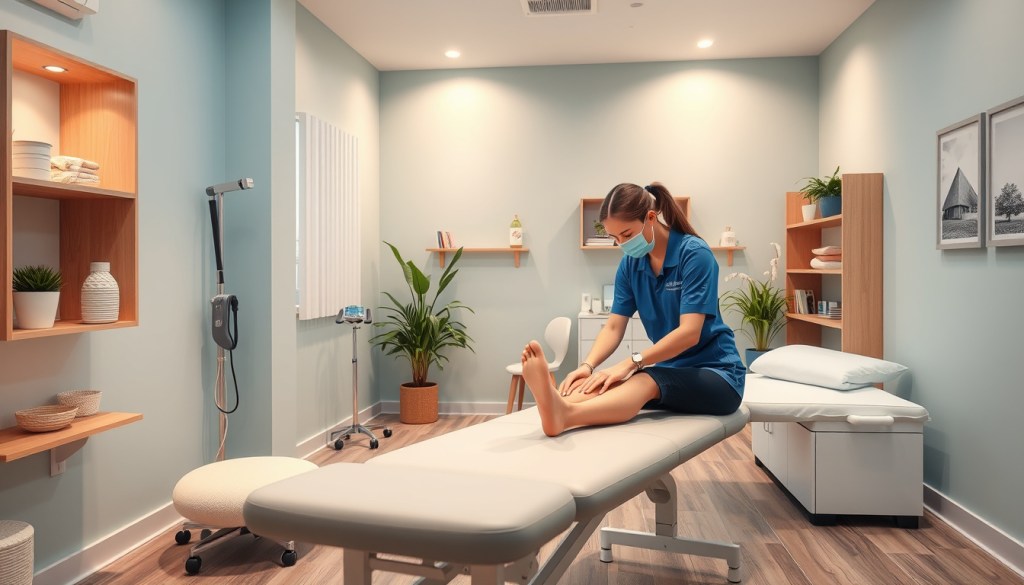
Plantar fasciitis is a common condition that leads to heel pain and discomfort, particularly in people who spend long periods on their feet. Those in Singapore experiencing this condition often search for ‘plantar fasciitis physiotherapy near me’ as a way to find relief. Physiotherapy plays a crucial role in the management and treatment of plantar fasciitis. By focusing on specific rehabilitation strategies, such as strengthening exercises, stretching routines, and manual therapy techniques, physiotherapists can help alleviate pain and enhance mobility.
A comprehensive physiotherapy program for plantar fasciitis may include:
1. Assessment of Foot Mechanics: A thorough evaluation of foot structure and mechanics helps in identifying any underlying issues contributing to plantar fasciitis.
2. Customized Exercise Plans: Tailored exercise routines targets strengthening the intrinsic muscles of the foot and improving overall balance, which are vital for recovery.
3. Manual Therapy Techniques: Techniques such as ultrasound therapy and cross-friction massage can be utilized to relieve tightness in the fascia and surrounding muscles.
4. Education on Activity Modification: Patients are educated on how to adjust their activities to avoid exacerbating their condition while promoting healing.
5. Footwear Recommendations: Supportive footwear suggestions are crucial, as appropriate shoes can provide necessary cushioning and support to affected areas.
‘The only way to do great work is to love what you do.’ – Steve Jobs

How to Find the Best Plantar Fasciitis Physiotherapy Near You
### How to Find the Best Plantar Fasciitis Physiotherapy Near You
Living with the persistent heel pain associated with plantar fasciitis can be challenging. If you’re struggling to find effective relief, seeking specialized physiotherapy can be a game-changer. When searching for ‘plantar fasciitis physiotherapy near me,’ consider the following key factors to ensure you receive the best possible care:
1. Evaluate Qualifications and Experience: Look for physiotherapists who have a proven track record in treating plantar fasciitis. Verify their qualifications and whether they have experience working with similar patients.
2. Read Reviews and Testimonials: Search for feedback from patients who have undergone treatment for plantar fasciitis. Ratings and testimonials can provide insight into the effectiveness of the therapy and the overall patient experience.
3. Assess Treatment Approaches: Different clinics may offer various treatment modalities. Ensure that the clinic you choose utilizes evidence-based techniques tailored to individuals with plantar fasciitis, such as manual therapy, exercise therapy, and modalities like ultrasound or dry needling.
4. Consider Location and Accessibility: Make sure the clinic is conveniently located within your area. Accessibility should include ease of parking or public transportation options, especially if your mobility is affected by heel pain.
5. Inquire About Initial Assessment and Customization: The first consultation should include a comprehensive assessment of your condition. A good physiotherapist will create a personalized treatment plan based on your unique needs and lifestyle.
6. Look for Specialized Clinics: Facilities like The Pain Relief Practice are worth considering, as they focus specifically on treating musculoskeletal issues, including plantar fasciitis. Established since 2007, we take pride in providing specialized physiotherapy services and have a history of helping patients, including celebrities and national athletes, regain their mobility and comfort.
By carefully considering these guidelines, you can find the best plantar fasciitis physiotherapy near you, setting you on the path to recovery and an active, pain-free lifestyle.
What to Expect During Your Physiotherapy Sessions
When seeking plantar fasciitis physiotherapy near me, it’s essential to understand what to expect during your therapy sessions. Initially, your physiotherapist will conduct a thorough assessment to understand your specific pain characteristics, mobility issues, and overall physical health. This may involve a combination of physical examinations and discussions about your medical history. Once they have a clear understanding of the issue, your treatment plan will be tailored specifically for you, which may include a combination of manual therapy, stretching exercises, strengthening routines, and education on pain management strategies. As you progress, your physiotherapist will monitor your condition and adjust your treatment as needed, ensuring a comprehensive approach to relieving discomfort and promoting healing. Regular feedback from you about your pain levels and daily activities plays a crucial role in enhancing the effectiveness of your recovery journey.

Tips for Managing Plantar Fasciitis at Home
### Tips for Managing Plantar Fasciitis at Home
Plantar fasciitis can significantly impact your daily activities, especially if you’re dealing with the persistent heel pain that characterizes this condition. While seeking _plantar fasciitis physiotherapy near me_ is crucial for long-term relief, there are several home management strategies you can incorporate. Here are some effective tips to help alleviate discomfort:
1. Stretch Your Calves and Feet: Regular calf and foot stretching can relieve tension in the plantar fascia. Simple stretches like calf raises, toe stretches, and towel stretches can contribute to greater flexibility and reduce pain.
2. Use Ice Packs: Applying ice packs to your feet for about 15-20 minutes can help decrease inflammation. Be sure to wrap ice in a cloth to avoid frostbite.
3. Footwear Matters: Invest in supportive shoes or orthotics that provide adequate arch support and cushioning. Avoid walking barefoot on hard surfaces, as this can exacerbate your symptoms.
4. Limit High-Impact Activities: While it’s essential to stay active, consider replacing high-impact exercises like running with low-impact alternatives such as swimming or cycling until your symptoms improve.
5. Maintain a Healthy Weight: Extra body weight can increase stress on your feet. Focus on a balanced diet and incorporate regular exercise to help manage your weight.
6. Consider a Night Splint: A night splint can keep your foot in a flexed position, helping to stretch the plantar fascia overnight to reduce morning pain.
7. Use Massage Techniques: Gently massaging the arch of your foot can provide immediate relief. You can run your foot over a golf or tennis ball to target tight areas effectively.
By implementing these strategies alongside your physiotherapy treatment, you can manage your plantar fasciitis symptoms and regain your mobility over time.
We are a specialized physio treatment center for savvy people who want real results.
While we are not suitable for someone looking for ‘cheap physiotherapy’ or ‘free exercises available on youtube’, our treatments are affordable and are often claimable with company flexi-benefits, company health insurance, travel insurance, personal accident insurance, and other insurance plans.
Simply whatsapp or call: +65 97821601 and let us know how to help.
If you prefer a convenient nutritional preventive option, Regenerix Gold is our top recommended joint supplement.
We have been recommending this joint supplement for over a decade.
Simply start with 3 capsules, once a day.
If you do not feel better within a week, increase to 2 capsules, twice a day. (4 capsules a day in total)
Our blog readers qualify for a special discount.
Simply use the link below and a discount will automatically be applied during checkout.
 PROVIDING FAST, EASY & INSURANCE CLAIMABLE PAIN RECOVERY SINCE 2007