
Plantar fasciitis is a common condition that plagues many individuals in Singapore, especially those dealing with the demands of daily life and activity. This condition causes discomfort in the heel and bottom of the foot, making each step a challenge. If you’re experiencing musculoskeletal signs, such as persistent foot pain or stiffness, understanding your options for plantar fasciitis physiotherapy in Singapore can be a transformative step towards recovery. In this ultimate guide, we will explore the causes and symptoms of plantar fasciitis, the essential role of physiotherapy, effective treatments available, lifestyle changes you can make at home, and how to find the right physiotherapist to meet your needs.

Key Takeaways
- Plantar fasciitis is a common foot condition characterized by heel pain and inflammation.
- Physiotherapy plays a crucial role in treating plantar fasciitis through targeted exercises and manual therapy.
- In Singapore, effective physiotherapy techniques include stretching, strengthening exercises, and ultrasound therapy.
- Home remedies and lifestyle changes, such as proper footwear and weight management, can alleviate symptoms of plantar fasciitis.
- Choosing a qualified physiotherapist who specializes in plantar fasciitis can significantly enhance recovery outcomes.
Understanding Plantar Fasciitis: Causes and Symptoms
## Understanding Plantar Fasciitis: Causes and Symptoms
Plantar fasciitis is a common condition that causes heel pain, often affecting those who are active or who spend long hours on their feet. This painful inflammation occurs when the thick band of tissue—the plantar fascia—that runs across the bottom of your foot becomes irritated or strained. Individuals in Singapore, particularly those who engage in high-impact sports or lead a busy lifestyle, may find themselves suffering from this condition. Symptoms typically include a sharp pain in the heel area that is often most pronounced during the initial steps in the morning or after sitting for a prolonged period. This discomfort can hinder mobility and affect daily activities.
Understanding the causes of plantar fasciitis is crucial for those seeking effective treatment options. Common contributors include abnormal foot mechanics, such as flat feet or high arches, excessive running or walking, improper footwear, and even obesity. When these factors combine, they can place undue stress on the plantar fascia, resulting in inflammation and pain.
Seeking plantar fasciitis physiotherapy in Singapore can significantly aid in recovery. At The Pain Relief Practice, we have extensive experience in treating this condition, leveraging specialized physiotherapy techniques customized to meet individual needs. Our team is committed to helping you regain mobility and reduce discomfort, paving the way for a more active lifestyle.
The Role of Physiotherapy in Treating Plantar Fasciitis
The Role of Physiotherapy in Treating Plantar Fasciitis
Plantar fasciitis is a prevalent condition that causes significant discomfort for many in Singapore, particularly among those with an active lifestyle or jobs that involve prolonged standing. With the right plantar fasciitis physiotherapy in Singapore, patients can experience symptom relief and regain their mobility. Physiotherapy is a cornerstone in managing this condition, employing a combination of education, hands-on techniques, and tailored exercise regimens to alleviate pain and promote healing.
Therapists focus on several areas, including:
• Assessment and Diagnosis: A thorough evaluation is critical to determine the severity of the condition and the most effective personalized treatment strategy.
• Manual Therapy: Techniques such as massage and myofascial release are used to reduce tension in the plantar fascia and adjacent muscles.
• Stretching and Strengthening Exercises: Specific exercises help improve flexibility in the calf muscles and strengthen the foot’s intrinsic muscles to support the arch and reduce strain on the plantar fascia.
• Activity Modification: This involves educating patients about modifying their activities to prevent excessive stress on the plantar fascia.
By engaging with specialized physiotherapy services, individuals suffering from plantar fasciitis can take control of their recovery journey, experiencing real results in their everyday lives.
‘The greatest wealth is Health.’ – Virgil

Effective Physiotherapy Techniques for Plantar Fasciitis in Singapore
### Effective Physiotherapy Techniques for Plantar Fasciitis in Singapore
In Singapore, numerous individuals experience discomfort associated with plantar fasciitis, a condition that affects the thick band of tissue, known as the fascia, running across the bottom of the foot. The pain can be debilitating, impacting daily activities and diminishing overall quality of life. At The Pain Relief Practice, we specialize in plantar fasciitis physiotherapy, providing tailored treatments designed to alleviate pain and restore mobility. Our established clinic has been dedicated to relieving musculoskeletal issues since 2007, and we take pride in our success stories, having treated both celebrities and national athletes.
Effective physiotherapy techniques for plantar fasciitis involve a multi-faceted approach that focuses on reducing inflammation, relieving pain, and strengthening the foot’s muscles. Here, we will detail some of the most effective techniques employed by our experienced physiotherapists in Singapore:
1. Manual Therapy: This specialized technique involves the therapist manipulating the soft tissues and joints to relieve tension, reduce pain, and improve blood circulation. Manual therapy can help break down adhesions and improve flexibility.
2. Stretching Exercises: Central to successful plantar fasciitis physiotherapy in Singapore, stretching the calf and foot muscles enhances flexibility and mitigates tension in the plantar fascia.
3. Strengthening Exercises: A personalized set of exercises aimed at strengthening the intrinsic muscles of the foot can provide better support and prevent further injuries. This includes performing exercises with resistance bands or bodyweight.
4. Orthotics and Footwear Assessment: The right footwear can make a significant difference in managing plantar fasciitis. Our physiotherapists often recommend suitable orthotics to alleviate pressure and promote proper foot alignment.
5. Ultrasound Therapy: Utilizing ultrasound waves can help reduce inflammation and promote healing in the plantar fascia. This non-invasive treatment penetrates deep tissues and provides relief from chronic pain.
6. Taping Techniques: Applying kinesiology tape to the foot can assist in reducing pain by providing support and relieving pressure off the affected area, which is particularly helpful during rehabilitation.
At The Pain Relief Practice, we emphasize a comprehensive approach that targets the root cause of plantar fasciitis while informing our patients about self-management strategies. Our physiotherapists work closely with each client, offering personalized treatment plans that take into account their lifestyle, work demands, and physical activities.
By employing these effective physiotherapy techniques tailored for plantar fasciitis in Singapore, we can help patients regain their mobility and return to their daily activities pain-free. If you or someone you know is suffering from foot discomfort, contact our clinic for an assessment and treatment plan tailored specifically to your needs.
Home Remedies and Lifestyle Changes for Managing Plantar Fasciitis
## Home Remedies and Lifestyle Changes for Managing Plantar Fasciitis
Understanding how to manage plantar fasciitis is crucial for those experiencing discomfort in their feet, particularly if you live in Singapore where the tropical environment often contributes to increased foot strain. Plantar fasciitis is characterized by inflammation of the plantar fascia, a thick band of tissue running across the bottom of your foot. Symptoms can include sharp heel pain, especially with the first steps in the morning or after prolonged sitting. Below are some effective home remedies and lifestyle modifications that can significantly alleviate the discomfort associated with plantar fasciitis:
1. Rest and Ice: To help reduce inflammation, ensure that you allow your feet some time to rest. Applying an ice pack for 15-20 minutes a few times a day can help ease sharp pain and inflammation.
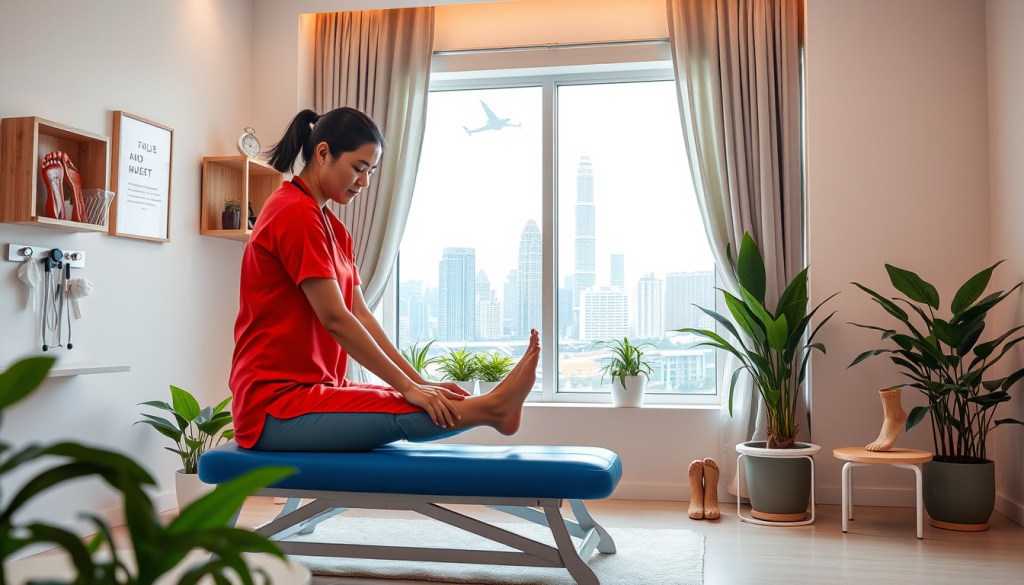
2. Stretching Exercises: Incorporating simple stretching exercises can help improve flexibility and relieve stress on the plantar fascia. Stretch your calves, Achilles tendon, and plantar fascia to reduce tension. A recommended stretch is to sit and place a towel around your foot, gently pulling towards you for a comfortable stretch.
3. Footwear: Wearing shoes with proper arch support and cushioning can make a world of difference. Avoid walking barefoot or wearing flip-flops, as they often lack the necessary support.
4. Orthotic Inserts: Consider using over-the-counter or custom orthotic inserts designed to provide additional arch support and reduce stress on the plantar fascia. This can also be helpful if you frequently walk on hard surfaces.
5. Weight Management: If excess weight is a concern, losing even a small amount can help alleviate pressure on your feet. A balanced diet and regular physical activity are effective strategies.
6. Pain Relief Medications: Over-the-counter non-steroidal anti-inflammatory drugs (NSAIDs) such as ibuprofen can help relieve pain and reduce inflammation when taken as directed. Always consult your healthcare provider before starting any medication.
Adopting these home remedies can prompt significant improvements in managing plantar fasciitis. However, if symptoms persist or worsen, seeking professional help from specialized plantar fasciitis physiotherapy in Singapore is advisable. The Pain Relief Practice has a team of experienced physiotherapists who can provide tailored treatment plans, integrating advanced techniques to address your needs effectively.

Finding the Right Physiotherapist in Singapore for Your Needs
Finding the Right Physiotherapist in Singapore for Your Needs
If you’re experiencing discomfort due to plantar fasciitis—a common foot condition that results in heel pain—finding the right physiotherapist in Singapore can significantly impact your recovery. With over a decade of experience, The Pain Relief Practice specializes in treating musculoskeletal issues, including plantar fasciitis. Our skilled therapists employ targeted techniques designed to alleviate pain and restore function. Whether you’re a busy professional, a parent, or an athlete, our personalized assessment and treatment strategies will help you reclaim your active lifestyle.
When looking for effective plantar fasciitis physiotherapy in Singapore, consider the following key factors in selecting the right practitioner:
1. Experience and Specialization: Seek a physiotherapist with expertise in foot and ankle conditions. At The Pain Relief Practice, our team has successfully treated numerous patients with plantar fasciitis, helping them return to their daily routines pain-free.
2. Treatment Techniques: Inquire about the treatment methods used, such as manual therapy, dry needling, or exercise protocols. Our approach also includes bespoke rehabilitation programs tailored to individual needs to ensure comprehensive care.
3. Facility and Technology: Ensure the clinic is well-equipped with the latest technology for diagnostic and treatment purposes. Our state-of-the-art facilities enable us to provide the most effective physiotherapy services.
4. Patient Testimonials: Look for reviews or testimonials from past clients. At The Pain Relief Practice, we pride ourselves on positive feedback from athletes and celebrities who have successfully regained mobility and improved performance.
5. Ongoing Support: Your physiotherapy journey doesn’t end with treatment. Choose a clinic that emphasizes the importance of follow-up appointments and support throughout the recovery program. We provide continuous check-ins to monitor progress and adjust treatment plans accordingly.
We are a specialized physio treatment center for savvy people who want real results.
While we are not suitable for someone looking for ‘cheap physiotherapy’ or ‘free exercises available on youtube’, our treatments are affordable and are often claimable with company flexi-benefits, company health insurance, travel insurance, personal accident insurance, and other insurance plans.
Simply whatsapp or call: +65 97821601 and let us know how to help.
If you prefer a convenient nutritional preventive option, Regenerix Gold is our top recommended joint supplement.
We have been recommending this joint supplement for over a decade.
Simply start with 3 capsules, once a day.
If you do not feel better within a week, increase to 2 capsules, twice a day. (4 capsules a day in total)
Our blog readers qualify for a special discount.
Simply use the link below and a discount will automatically be applied during checkout.
 PROVIDING FAST, EASY & INSURANCE CLAIMABLE PAIN RECOVERY SINCE 2007