
If you are in Singapore and type “scoliosis physiotherapy” into Google because your back feels crooked, your shoulders look uneven, or you feel aches after long sitting or standing, you are not alone. Many here find scoliosis when pain, stiffness, and a mirror’s uneven image bother them each day. The good news is that with scoliosis-focused physiotherapy and precise exercises, you can lower pain, boost posture, and feel steadier in your body.
Understanding Scoliosis Pain: More Than a “Crooked Spine”
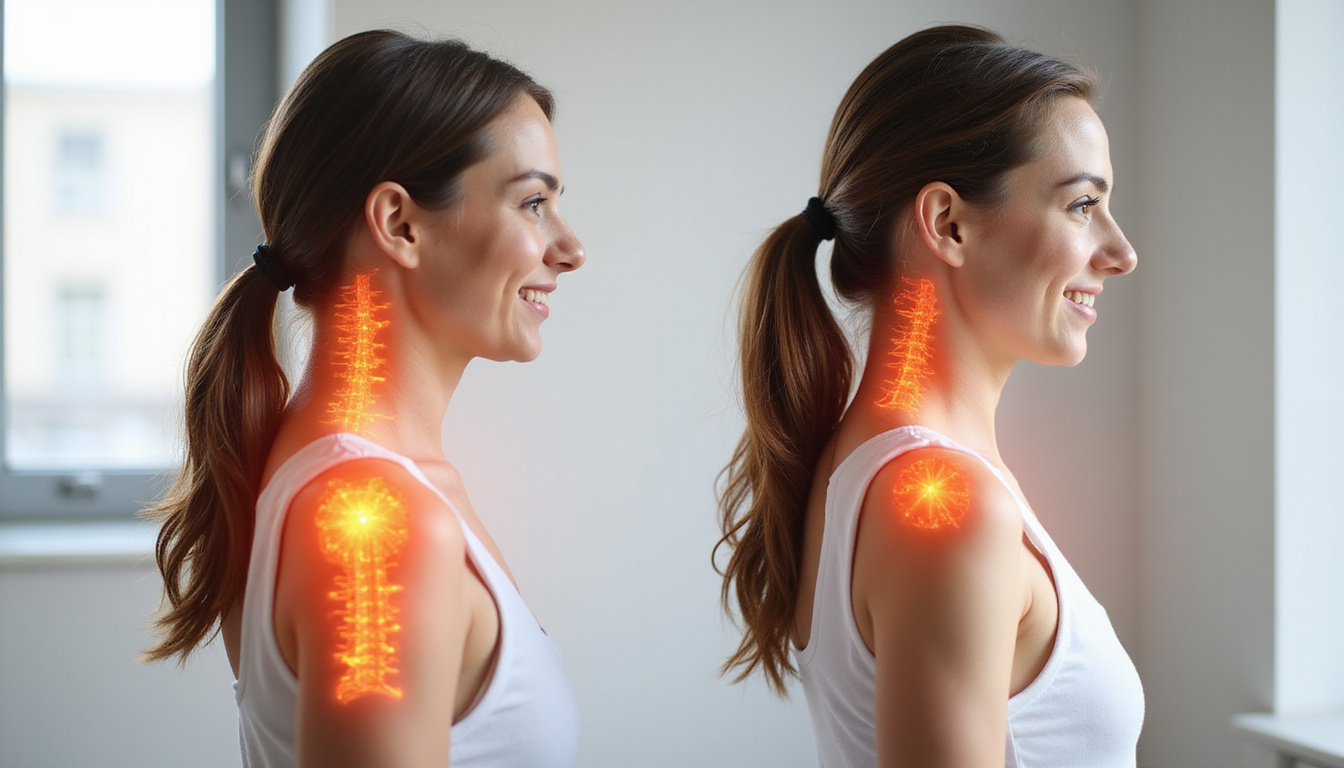
Scoliosis makes your spine curve in three dimensions. It does not only bend sideways; it also twists. Many patients report:
• One shoulder sits higher than the other
• A rib hump appears when you bend forward
• One hip sticks out more
• Your waistline looks uneven in clothes
• One side feels tight while the other aches
Besides the visible curve, many complain of:
• A tired back after a short mall walk
• Neck and shoulder tightness when you fight to stand straight all day
• Lower back pain when washing dishes or carrying kids
• Pain that worsens after long hours at the office or tuition
Scoliosis physiotherapy does not magically straighten every spine. Instead, it helps reduce pain, slow any worsening, and guide your body to move in a balanced, efficient way so that your curve does not control your life.
Why Scoliosis Physiotherapy Matters (Even for Adults)
Some adults believe scoliosis physio is only for teenagers or that it is too late once the bones stop growing. In truth, adults gain much benefit because:
• Your pain often comes from overloaded joints, discs, ligaments, and muscles
• Years of compensation cause muscle imbalance and stiffness
• Office work, childcare, and sports add extra strain to a curved spine
With targeted scoliosis physiotherapy you can:
• Ease daily pain and stiffness
• Improve posture so you do not always look slanted in photos
• Build core and back strength to support your curve
• Improve lung expansion and breathing if your ribcage is affected
• Reduce fatigue so you feel less drained after basic tasks
Research supports scoliosis management through exercise as part of a conservative treatment plan, especially when led by trained professionals (source: Scoliosis Research Society).
What Makes Scoliosis Physiotherapy Different from “Normal Physio”?
A generic back-strengthening program often falls short. Scoliosis is three-dimensional. Treatment must be:
- Curve‑specific – Think left versus right curve, thoracic versus lumbar, C‑curve versus S‑curve.
- Asymmetrical – Work more on one side to lengthen or stabilize muscles.
- Posture‑corrective – Train your brain and muscles to hold a neutral, de‑rotated posture.
At The Pain Relief Practice we:
• Analyze your curve pattern, posture, and movement habits
• Use scoliosis‑specific corrective exercises instead of generic core work
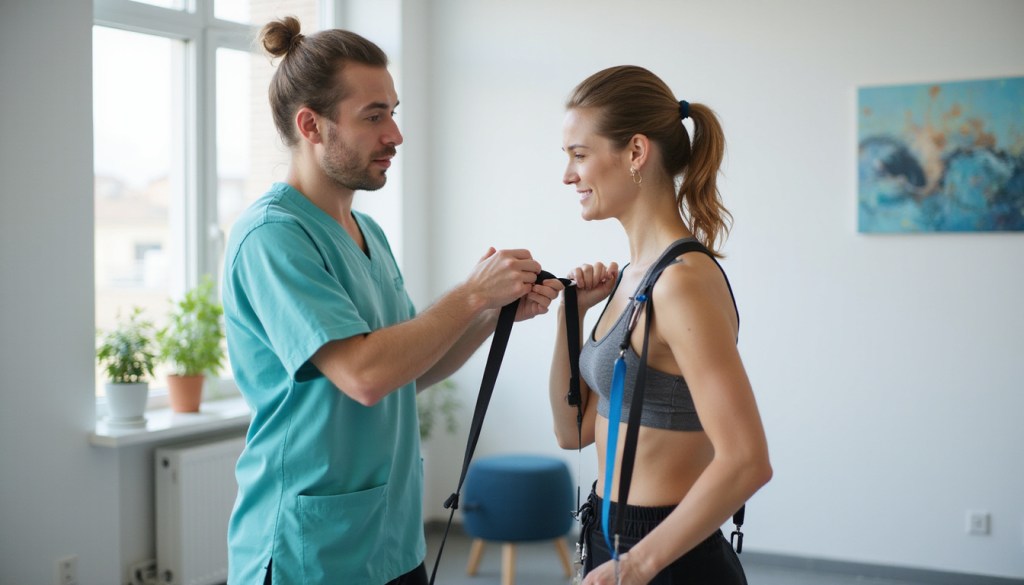
• Combine hands‑on therapy (to free stiff, jammed segments) with active retraining
• Offer practical “office and home corrections” that work in real life here in Singapore—from MRT standing posture to desk setup and sleeping positions
Proven Scoliosis Physiotherapy Exercises to Reduce Pain
Below are examples of scoliosis physiotherapy exercises. These serve as education only and are not a substitute for personalized assessment. Curves differ, and you may overload the wrong side if you perform them incorrectly.
1. De‑rotation Breathing (Rotational Angular Breathing Style)
Many patients feel one side of the ribcage is tight while the other feels collapsed. De‑rotation breathing helps you:
• Expand the lung on the collapsed side
• Reduce the rib hump gradually
• Lessen chest tightness
How to do it:
• Sit or lie on your side so that the collapsed ribs are on top
• Place your hand on the tight side of your chest
• Inhale deeply with that hand so the ribs expand sideways and backward
• Exhale slowly and keep your trunk long and not slumped
Your physiotherapist will guide you to angle your ribs and pelvis so that your breath unwinds the curve instead of reinforcing it.
2. Side‑Shift / Curve Correction in Standing
If you have a lumbar or thoracolumbar curve, you may note a deeper waist crease on one side or a trunk that shifts over your pelvis. Side‑shift exercises help you:
• Bring the trunk toward a central base
• Balance the load on facet joints and discs
• Teach your body the true feeling of center
Basic idea:
• Stand sideways to a wall with the convex side of your curve close to it
• Keep your shoulders and pelvis level and gently shift your ribcage toward the wall as you lengthen your spine upward
• Hold the mild correction for a few seconds, then relax and repeat
Over time you reprogram your body so that a slanted position does not feel natural.
3. Scoliosis‑Specific Core and Hip Strengthening
Many Singaporeans with scoliosis report a lower back that feels weak yet tight. Often, the deep core stays under-active while superficial muscles work too hard.
Common exercises include:
• Modified side planks with cues for correct alignment
• Hip abductor work such as clamshells or standing hip lifts, focused on the side that droops
• A segmental bridge that lifts the pelvis slowly while lengthening the shorter side instead of merely moving up and down
Your physiotherapist will adjust angles, load, and repetitions so you feel worked but not overstrained, especially on the more painfully affected side.
4. Thoracic Mobility and “Unwinding” Stiff Segments
Patients with thoracic scoliosis often feel:
• Tightness between their shoulder blades
• A constant knot or ache that never loosens
• Stiffness during rotation or when looking behind while driving
Physio-guided thoracic mobility work may include:
• Stretches using a foam roller or wedge, arranged to match your curve
• Gentle rotation exercises that prompt the ribs to move opposite to the deformity
• Hands-on joint mobilization to free the most rigid segments
These moves can ease the locked feeling and help you maintain better posture with less effort.
What to Expect at a Scoliosis Physiotherapy Session in Singapore
At The Pain Relief Practice, a typical session follows these steps:
-
Detailed Curve and Posture Analysis
• Standing posture, shoulder and pelvic levels are checked
• Your curve pattern is reviewed (using X‑rays if available)
• Movement tests are done (for bending, rotation, or daily tasks like carrying kids, cycling, playing golf, dancing, or NS training) -
Pain and Functional Assessment
• Factors that worsen your pain are discussed (long sitting, standing, walking, carrying a laptop bag, cooking, cleaning)
• Past history such as injuries, pregnancies, sports, and previous treatments is reviewed -
Hands‑on Treatment
• Soft tissue release to ease overworking muscles
• Joint mobilization to free stiff or stuck areas
• Taping if needed to cue better alignment -
Curve‑Corrective Exercises
• Scoliosis physiotherapy exercises are tailored to your curve
• You learn how to “find neutral” and then build strength in that position -
Home and Office Plan
• Practical corrections for desk setup, pillow choice, bag carrying, and driving posture
• A simple home exercise routine that fits a busy Singapore schedule
Real Results
Patients often report:
• Less daily ache even if the curve does not disappear completely
• Better endurance when standing in queues or at events
• A more balanced look in clothes
• Increased confidence in movement, sports, and social situations
Why Choose The Pain Relief Practice for Scoliosis Physiotherapy?
If you are serious about reducing pain and protecting your joints and spine in the long run, a generic clinic might not be enough. The Pain Relief Practice is:
• One of the established physiotherapy clinics in Singapore since 2007
• A specialized pain treatment center for musculoskeletal and spinal issues
• Trusted by celebrities and national athletes who demand high performance and clear results
We are known for:
• Curve‑specific scoliosis physiotherapy, not just generic back pain protocols
• A strong focus on function—from office workers to national athletes, students to active retirees
• A practical, straightforward approach that respects your time and goals
Celebrities & National Athletes
Whether you are a competitive athlete, a busy professional, or a parent trying to get through the day without back pain, we apply the same performance-driven mindset. We aim to reduce pain, restore function, and help you enjoy the activities you love.
How to Know If You Need Scoliosis Physiotherapy Now
You do not have to wait until your pain hits “10/10” or your curve worsens. Consider a proper scoliosis assessment if you notice:
• One side of your waist or ribcage is clearly deeper or more prominent
• Your shoulder or bra strap slips off on one side
• You appear tilted or leaning in photos
• Persistent ache or stiffness on one side of your back after sitting or standing
• One side feels tighter when you take a deep breath
A physiotherapist who understands scoliosis can detect subtle signs and guide you on whether you need regular physio, a specialist review, or simple periodic monitoring.
Simple Daily Tips to Complement Your Scoliosis Physio
Many scoliosis patients in Singapore find these practical tweaks helpful:
• Change positions frequently. Avoid long hours at the desk without breaks. Use a timer if needed.
• Alternate which shoulder carries your bag. Use a backpack when possible.
• Use supportive seating. A small rolled towel or cushion can help keep your spine neutral at work or in the car.
• Think “tall and wide.” Instead of only standing straight, imagine lengthening up and gently widening the collapsed side.
• Keep your home exercises realistic. It is better to do 10–15 minutes daily than one long hour occasionally.
Our Google Profile
You can learn more about The Pain Relief Practice, read reviews, and find our locations on our Google profile:
https://share.google/UwMU2I9zUCwXVh0Lg
FAQ: Scoliosis Physiotherapy in Singapore
1. Is scoliosis physiotherapy effective for adults with long‑standing curves?
Yes. Even if your curve has been present since your teenage years, scoliosis physiotherapy can lower pain, improve posture, boost core stability, and help you manage daily loads more comfortably. Although we may not fully straighten a mature spine, we can significantly offload overloaded joints and muscles.
2. How often should I do scoliosis physio exercises?
Most patients do well with 2–3 supervised sessions per week at first, along with short daily home exercises. When your pain and control improve, we usually shift to a maintenance plan. Your physiotherapist will tailor the frequency to your curve, pain level, and schedule.
3. Can physio for scoliosis prevent worsening curves?
In growing teenagers, scoliosis‑specific exercises may slow or limit progression, especially when used along with bracing when needed. For adults, the main focus is on pain relief, improved function, and preventing issues like disc degeneration or joint overloading. This approach may help keep your curve more stable over time.
If you live in Singapore and face a curved spine along with pain, crooked posture, or restricted movement, scoliosis physiotherapy at The Pain Relief Practice offers a path toward a stronger, more aligned, and more comfortable life.
We are a specialized physio treatment center for savvy people who want real results.
While we are not suitable for someone looking for ‘cheap physiotherapy’ or ‘free exercises available on youtube’, our treatments are affordable and are often claimable with company flexi-benefits, company health insurance, travel insurance, personal accident insurance, and other insurance plans.
Simply whatsapp or call: +65 97821601 and let us know how to help.
If you prefer a convenient nutritional preventive option, Regenerix Gold is our top recommended joint supplement.
We have been recommending this joint supplement for over a decade.
Simply start with 3 capsules, once a day.
If you do not feel better within a week, increase to 2 capsules, twice a day. (4 capsules a day in total)
Our blog readers qualify for a special discount.
Simply use the link below and a discount will automatically be applied during checkout.
 PROVIDING FAST, EASY & INSURANCE CLAIMABLE PAIN RECOVERY SINCE 2007