
Tennis elbow, medically known as lateral epicondylitis, is a painful condition affecting many individuals, especially those engaging in repetitive arm and wrist movements. If you’re in Singapore and seeking effective treatment options, finding a tennis elbow physio near me is essential for regaining your mobility and comfort. In this article, we will delve into the symptoms and causes of tennis elbow, the critical role physiotherapy plays in treatment, tips for locating the best physiotherapist, what to expect during your sessions, and effective at-home strategies to manage the pain.

Key Takeaways
- Tennis elbow is characterized by pain and discomfort in the outer elbow, often caused by repetitive use of the arm.
- Physiotherapy plays a crucial role in the recovery process by employing targeted exercises and treatments to alleviate pain.
- When searching for a tennis elbow physio, consider their qualifications, experience, and patient reviews to ensure effective care.
- During physiotherapy sessions, expect personalized treatment plans that may include manual therapy, exercises, and education on injury prevention.
- Home management tips for tennis elbow include rest, ice application, and certain stretches to support recovery.
Understanding Tennis Elbow: Symptoms and Causes
Tennis elbow, medically known as lateral epicondylitis, is a condition characterized by pain and inflammation on the outer part of the elbow. It primarily arises from repetitive motions of the arm and wrist, often leading to discomfort that can radiate down to the forearm. If you’re experiencing persistent pain, weakness in grip strength, or stiffness that worsens with certain activities—such as gripping a racket or lifting objects—recognizing these symptoms is crucial in seeking appropriate treatment.
### Common Symptoms of Tennis Elbow:
• Pain and Tenderness: The primary symptom is pain at the outer side of the elbow that may worsen with certain movements.
• Weak Grip: You may notice that it becomes increasingly difficult to hold onto objects without dropping them.
• Stiffness: Affected individuals often experience stiffness in the elbow, which can limit the range of motion.
• Radiating Pain: Pain may also extend down the forearm, making tasks that require wrist flexion painful.
### Causes of Tennis Elbow:
The most common cause of tennis elbow is overuse of the arm muscles and tendons, typically due to repetitive wrist and arm movements during activities such as:
• Playing racquet sports (like tennis, which gives the condition its name)
• Painting or house renovations
• Repetitive computer use (especially typing or mouse usage)
• Any other activities requiring repetitive forearm motions
Identifying the root causes of your pain can aid in finding a suitable ‘tennis elbow physio near me.’ A specialized physiotherapist can be invaluable in diagnosing the issue and providing a tailored rehabilitation program, helping you regain functionality and alleviate your discomfort.
The Pain Relief Practice in Singapore is an established physiotherapy clinic that has been helping patients since
2007. Our certified physiotherapists have extensive experience in treating musculoskeletal issues like tennis elbow. We pride ourselves on delivering specialized pain relief treatments, designed not only to address your symptoms but to promote long-term recovery.
The Role of Physiotherapy in Treating Tennis Elbow
### The Role of Physiotherapy in Treating Tennis Elbow
If you’re suffering from tennis elbow, finding effective relief can feel like an uphill battle. The pain can disrupt your daily activities and affect your performance, whether you’re a weekend warrior or a seasoned athlete. Fortunately, many Singaporeans who experience musculoskeletal discomfort find that searching for ‘tennis elbow physio near me’ leads them to beneficial treatment options tailored to their specific needs.
Physiotherapy plays a pivotal role in managing and recovering from tennis elbow, officially known as lateral epicondylitis. This condition occurs when the tendons of your forearm muscles become inflamed or degenerated due to repetitive arm motions, leading to sharp or aching pain on the outer part of your elbow. By seeking specialized physiotherapy, you gain access to expert knowledge and treatment regimens designed to alleviate pain, restore function, and help you regain control over your activities.
At The Pain Relief Practice, our experienced physiotherapists offer customized treatment plans that often include:
1. Assessment: A thorough evaluation of your shoulder, elbow, and wrist biomechanics to identify problematic movement patterns.
2. Manual Therapy: Hands-on techniques to relieve tension and improve movement in the affected area, ensuring better mobility.
3. Exercise Therapy: Specific strengthening and stretching exercises aimed at rehabilitating your elbow and improving flexibility.
4. Ultrasound or Electrical Treatments: Modalities used to promote healing and decrease inflammation.
5. Education and Prevention: Guidance on proper ergonomics and techniques to avoid future injuries, ensuring you can continue enjoying your favorite activities without discomfort.
‘The greatest weapon against stress is our ability to choose one thought over another.’ – William James

How to Find the Best Tennis Elbow Physio Near You
## How to Find the Best Tennis Elbow Physio Near You
Experiencing discomfort in your elbow can be disheartening, especially when it interferes with daily activities or your favorite sports. Identifying a qualified tennis elbow physio near me is crucial for effective treatment and regaining full functionality in your arm. Here are some steps to help you locate the best physiotherapy services tailored to tennis elbow in your area:
1. Research Local Clinics: Start by searching online for physiotherapy clinics that specialize in sports injuries. Use terms like ‘tennis elbow physiotherapy near me’ or ‘sports physio clinics nearby’ to refine your results.
2. Check Qualifications and Experience: Look for physiotherapists with specific experience in treating tennis elbow. Check their qualifications, certifications, and whether they’ve worked with athletes or in sports rehabilitation settings.
3. Read Reviews: Reviews from other patients can provide insights into the quality of care. Check platforms like Google or Yelp for feedback on local physiotherapy clinics.
4. Ask for Recommendations: Don’t hesitate to ask friends, family, or even local sports organizations for their recommendations on trusted physiotherapists.
5. Consult Your Doctor: Your general practitioner can also refer you to reputable physiotherapists who specialize in the treatment of tennis elbow.
6. Visit and Discuss: Once you have a list, consider visiting a few clinics. Discuss your symptoms and treatment options to find a practitioner you are comfortable with and who understands your specific needs.
What to Expect During Physiotherapy Sessions
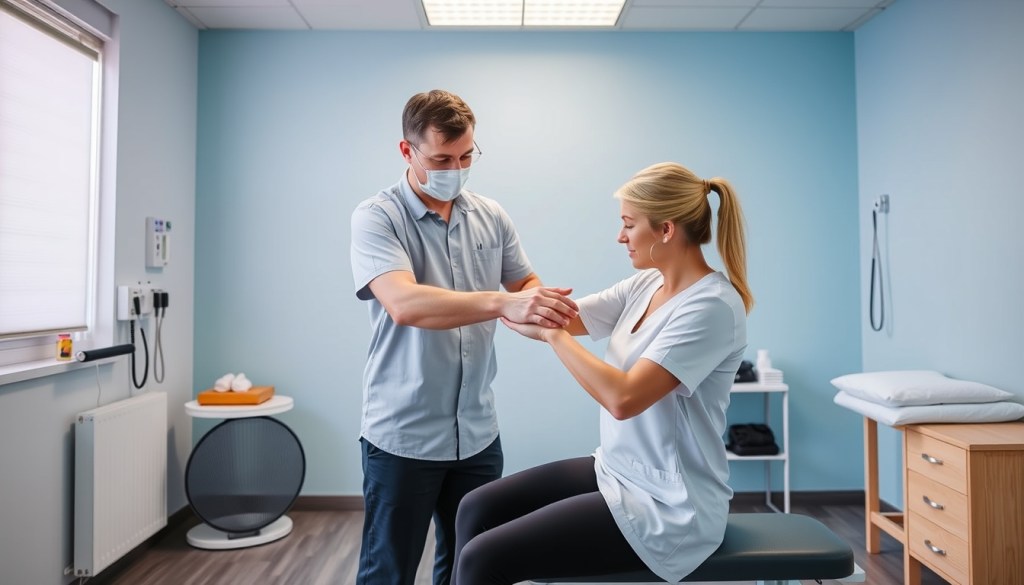
When seeking out tennis elbow physio near me, it’s important to know what to expect during your physiotherapy sessions. Your initial appointment will usually begin with a thorough assessment by a qualified physiotherapist at The Pain Relief Practice. You’ll discuss your medical history and specific symptoms related to elbow pain, including tenderness, stiffness, and difficulty in performing daily activities like lifting or gripping. Your physiotherapist may then conduct a physical examination to gauge your elbow’s range of motion and strength, identifying any restrictions or imbalances.
Once your condition has been evaluated, your therapist will develop a personalized treatment plan that may include a combination of manual therapy, exercise rehabilitation, and education on ergonomic adjustments to prevent further injury. Sessions typically last about 30 to 60 minutes, during which you’ll actively participate in exercises designed to strengthen your forearm muscles and improve joint mobility. Your physiotherapist will also provide guidance on at-home care, including stretches and techniques you can do to manage discomfort between visits. With a focus on restoring function and reducing pain, regular sessions can equip you with the skills and knowledge you need to recover fully and enjoy an active lifestyle without the burden of tennis elbow.

Tips for Managing Tennis Elbow Pain at Home
Tennis elbow, known medically as lateral epicondylitis, is a common condition that affects many people, especially those with repetitive hand and arm motions. If you’re dealing with discomfort in your elbow and seeking effective solutions, you might have searched for \’tennis elbow physio near me.\’ While professional treatment can be incredibly beneficial, there are several self-management strategies you can adopt at home to alleviate pain and promote healing. Here are some practical tips for managing tennis elbow pain at home:
1. Rest and Activity Modification: Give your elbow a break from activities that exacerbate the pain. For instance, if you play sports, consider reducing your playing time or switching to lighter activities until the pain subsides.
2. Ice Application: Apply ice to the affected area for about 15-20 minutes every couple of hours. This can help reduce swelling and numb the painful area. Just be sure to wrap the ice in a cloth to prevent skin damage.
3. Compression: Consider using a compression bandage or brace specifically designed for tennis elbow. This can help reduce strain on the elbow and keep the area stable.
4. Gentle Stretching and Strengthening Exercises: Engage in gentle stretching and progressive strengthening exercises geared towards the forearm and wrist. However, it is crucial to ease into these with caution and ensure they do not provoke further pain.
5. Proper Ergonomics: Review your workspace setup. Ensure that your chair and desk heights are aligned to reduce strain on your elbows during tasks like typing or using a mouse.
6. Medication: Over-the-counter medications such as ibuprofen or naproxen can help manage pain and reduce inflammation. Always consult your physician or physiotherapist before starting any medication.
7. Mindfulness and Relaxation Practices: Incorporate mindfulness practices such as meditation or gentle yoga, which can not only help with pain management but also enhance your overall quality of life by reducing stress.
Remember, while these tips can assist in managing tennis elbow pain at home, consulting a physiotherapy professional is essential for a tailored treatment approach and to ensure that your recovery is optimized. If you’re looking for a specialized physiotherapy clinic in Singapore, The Pain Relief Practice has been successfully helping individuals manage and overcome pain issues since 2007, including celebrities and national athletes.
We are a specialized physio treatment center for savvy people who want real results.
While we are not suitable for someone looking for ‘cheap physiotherapy’ or ‘free exercises available on youtube’, our treatments are affordable and are often claimable with company flexi-benefits, company health insurance, travel insurance, personal accident insurance, and other insurance plans.
Simply whatsapp or call: +65 97821601 and let us know how to help.
If you prefer a convenient nutritional preventive option, Regenerix Gold is our top recommended joint supplement.
We have been recommending this joint supplement for over a decade.
Simply start with 3 capsules, once a day.
If you do not feel better within a week, increase to 2 capsules, twice a day. (4 capsules a day in total)
Our blog readers qualify for a special discount.
Simply use the link below and a discount will automatically be applied during checkout.
 PROVIDING FAST, EASY & INSURANCE CLAIMABLE PAIN RECOVERY SINCE 2007