
Tennis elbow, medically known as lateral epicondylitis, is a common but often misunderstood condition affecting many individuals in Singapore, particularly those engaged in repetitive arm movements. This painful condition can lead to discomfort that significantly impacts daily activities and athletic pursuits. Understanding the importance of effective physiotherapy for tennis elbow is paramount for those seeking to alleviate pain and restore functionality. In this article, we will explore the underlying causes and symptoms of tennis elbow, the vital role of physiotherapy, effective techniques employed by experts in Singapore, recovery tips for at-home management, and how to find the right tennis elbow physio in Singapore.

Key Takeaways
- Tennis elbow, caused by repetitive strain, manifests as pain on the outer elbow.
- Physiotherapy is crucial in managing tennis elbow and promoting healing.
- Common physiotherapy techniques in Singapore include manual therapy and therapeutic exercises.
- Incorporating at-home exercises and lifestyle changes can significantly enhance recovery.
- Choosing the right physiotherapist in Singapore can impact the effectiveness of your treatment.
Understanding Tennis Elbow: Causes and Symptoms
### Understanding Tennis Elbow: Causes and Symptoms
Tennis elbow, or lateral epicondylitis, is a common condition that affects many individuals in Singapore, particularly those who engage in repetitive arm movements. While it is frequently associated with tennis players, anyone can develop this irritating condition due to overuse of the forearm muscles and tendons. Understanding the causes and symptoms of tennis elbow is crucial for effective management and recovery.
#### Causes of Tennis Elbow
The primary cause of tennis elbow is repetitive strain. Here are some specific factors that may contribute to the development of this condition:
1. Repetitive Motions: Activities such as playing sports, typing on a keyboard, or performing manual labor can lead to micro-tears in the tendons around the elbow.
2. Improper Technique: Using improper technique in sports or activities can place undue stress on the elbow joint.
3. Age: The risk of developing tennis elbow increases with age, especially in individuals over
30.
4. Occupational Risks: Jobs that require repetitive arm motions can exacerbate the condition, putting workers in fields like construction, woodworking, or assembly at a higher risk.
#### Symptoms of Tennis Elbow
Recognizing the symptoms of tennis elbow is essential for timely intervention. Common signs include:
• Pain and tenderness on the outer part of the elbow.
• Weak grip strength.
• Pain that worsens with gripping, lifting, or twisting motions.
• Stiffness in the elbow joint, particularly in the morning.
If you’re experiencing any of these issues, consulting with a tennis elbow physio in Singapore is vital to address your unique situation and create a personalized treatment plan.
The Role of Physiotherapy in Treating Tennis Elbow
### The Role of Physiotherapy in Treating Tennis Elbow
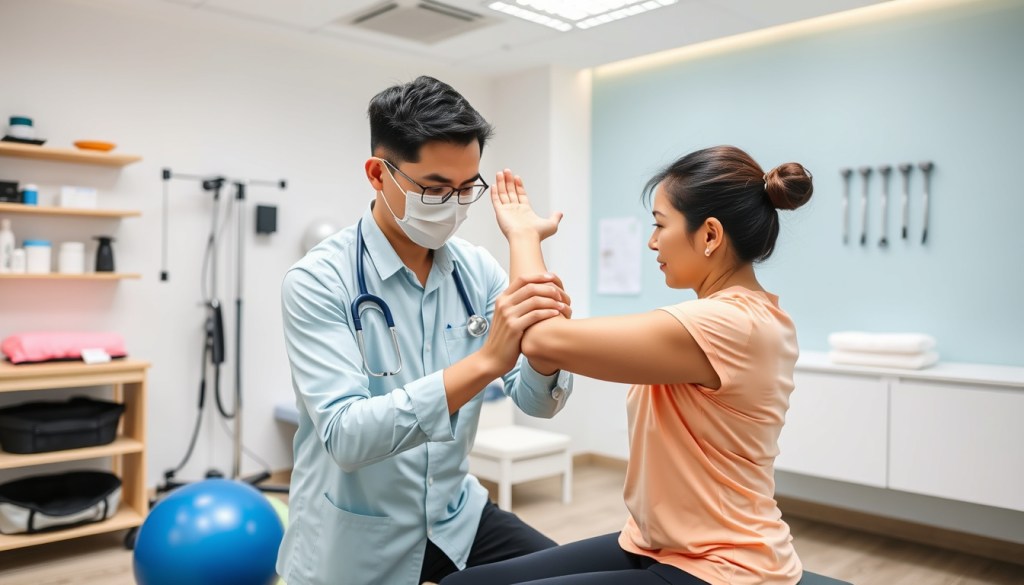
If you’re living in Singapore and have been diagnosed with tennis elbow, you might find yourself searching for the best solutions to alleviate your pain. Tennis elbow, or lateral epicondylitis, is a common musculoskeletal condition characterized by discomfort on the outer part of the elbow, often due to repetitive wrist and arm motions. At The Pain Relief Practice, we specialize in effective rehabilitation techniques for tennis elbow, recognizing the physical limitations it imposes on your daily activities. Our team of experienced physiotherapists employs a tailored approach, incorporating manual therapy, exercise prescription, and education to help you regain strength and functionality in your elbow joint.
Physiotherapy plays a crucial role in the management and recovery from tennis elbow, particularly due to its focus on restoring mobility and reducing pain. By utilizing methods such as ultrasound therapy, electrotherapy, and targeted exercises, tennis elbow physio in Singapore can not only alleviate pain but also improve overall joint health. Our strategies have been proven to not only speed up recovery time but also prevent future injuries, allowing you to return to your preferred sporting activities or daily routines without fear of recurrence.
Here are some of the physiotherapy interventions we often recommend for tennis elbow:
1. Assessment and Diagnosis: A comprehensive evaluation to determine the extent of your injury and underlying issues.
2. Manual Therapy: Hands-on techniques to relieve pain and stiffness, promoting blood flow to the injured area.
3. Exercise Therapy: Specific strengthening and stretching exercises tailored to your needs, enhancing your muscle balance and joint stability.
4. Education: Guidance on activity modification and ergonomic adjustments, so you can engage in activities without exacerbating your injury.
5. Use of Modalities: Application of heat, ice, or electrical stimulation to manage pain and inflammation effectively.
Working with our team at The Pain Relief Practice, you’ll benefit from our long-standing tradition of excellence in physiotherapy since 2007, helping not only everyday patients but also celebrities and national athletes seeking to overcome similar challenges.
‘The greatest glory in living lies not in never falling, but in rising every time we fall.’ – Nelson Mandela

Top Physiotherapy Techniques Used in Singapore
## Top Physiotherapy Techniques Used in Singapore
If you’re experiencing discomfort from a condition such as tennis elbow, it’s crucial to find effective physiotherapy solutions. In Singapore, various physiotherapy techniques are available to help alleviate symptoms and restore functionality. Tennis elbow, characterized by pain on the outer part of the elbow, often results from overuse or strain in the forearm muscles and tendons. The right physiotherapist can design a personalized treatment plan tailored to your specific needs.
### Common Physiotherapy Techniques for Tennis Elbow
1. Manual Therapy: This hands-on technique involves guided movements to improve joint mobility and reduce pain through targeted manipulation of the affected areas.
2. Strengthening Exercises: Specific exercises that target the forearm and shoulder muscles help build strength and resilience, minimizing future injuries.
3. Stretching Programs: Gentle stretching can alleviate tightness in the muscles, enhancing flexibility and reducing tension around the elbow.
4. Electrotherapy: Modalities such as ultrasound therapy or electrical stimulation can promote healing and reduce inflammation by increasing blood flow to the affected area.
5. Cryotherapy and Heat Therapy: Alternating between ice packs and heat pads can help control pain and swelling, making recovery more manageable.
6. Kinesiology Taping: This treatment uses elastic tape to support the forearm without restricting movement, providing relief and performance enhancement during daily activities.
Each of these techniques is tailored to ensure you receive the optimal care necessary for recovering from tennis elbow. In Singapore, specialized clinics such as The Pain Relief Practice use these evidence-based approaches to assist patients in regaining strength and alleviating discomfort. Since 2007, we’ve worked with individuals from all walks of life, including celebrities and national athletes, helping them overcome similar challenges.
Recovery Tips: At-Home Exercises and Lifestyle Adjustments
### Recovery Tips: At-Home Exercises and Lifestyle Adjustments
If you’re one of the many individuals in Singapore experiencing discomfort related to tennis elbow, integrating effective recovery strategies can significantly alleviate your pain. The keyword here is proactive management through at-home exercises and lifestyle adjustments, under the guidance of professional tennis elbow physio in Singapore.
#### At-Home Exercises for Tennis Elbow
1. Wrist Flexor Stretch: Extend your arm with the palm facing up. Use your other hand to gently pull back the fingers of the affected arm. Hold for 15-30 seconds and repeat 2-3 times.
2. Wrist Extensor Stretch: Similar to the flexor stretch, but with your palm facing down. Gently pull back on the back of your hand. This stretches the wrist extensors, which may have become tight.
3. Towel Twist: Roll up a towel and twist it, as if wringing out water. This targets the muscles and tendons associated with your elbow. Repeat for 10-15 repetitions.
4. Ball Squeezes: Use a stress ball or tennis ball. Hold it in your palm and squeeze for 5-10 seconds. Repeat this for several sets to build strength in your forearms.
#### Lifestyle Adjustments for Pain Relief
• Ergonomic Workstation Setup: Make sure your workstation is comfortable. Adjust your chair and desk height to promote better posture.
• Limit Repetitive Movements: Take breaks during activities that require repetitive elbow movement.
• Ice Packs: Apply ice to the elbow for 15-20 minutes post-exercise to reduce inflammation.
• Proper Technique in Sports: If you play tennis, consider working with a coach to ensure that your technique does not contribute to the strain on your elbow.
These at-home exercises combined with lifestyle adjustments provide a comprehensive approach to managing tennis elbow symptoms. For more personalized treatment, consider seeking specialized tennis elbow physio in Singapore at The Pain Relief Practice, where we have a proven track record of helping patients regain mobility and enjoy pain-free activities.

Finding the Right Tennis Elbow Physio in Singapore
### Finding the Right Tennis Elbow Physio in Singapore
Experiencing discomfort in your forearm or pain around your elbow can be a frustrating struggle, especially for those who enjoy activities like tennis or other racquet sports. If you are searching for effective relief and rehabilitation for your condition, considering a specialized tennis elbow physio in Singapore is vital. Tennis elbow, or lateral epicondylitis, arises from repetitive strain and overuse of the elbow, leading to pain and inflammation. Not only does it hinder your sporting abilities, but it can also impact everyday tasks.
When looking for the right physiotherapist, you should prioritize clinics that not only understand the nuances of this condition but also have a proven track record of successful treatments. At The Pain Relief Practice, we effectively address musculoskeletal issues like tennis elbow with a tailored approach. We combine clinical expertise with personalized care to help you regain strength, improve mobility, and return to your favorite activities without pain.
In your search for a tennis elbow physio in Singapore, consider the following factors:
1. Expertise and Experience: Ensure your physiotherapist specializes in treating tennis elbow and has experience working with athletes or individuals with similar conditions.
2. Rehabilitation Techniques: Look for clinics that offer a range of treatment modalities, such as ultrasound therapy, manual therapy, and exercise rehabilitation plans tailored to your specific needs.
3. Reputation: Research the clinic’s reputation by reading reviews and testimonials. A good clinic will have positive feedback from previous patients, especially those with tennis elbow.
4. Facilities: Choose a clinic that is well-equipped with modern technology and facilities to assist in recovery.
5. Personalized Treatment: Select a physiotherapy center that creates individualized treatment plans rather than a one-size-fits-all approach.
With The Pain Relief Practice’s commitment to excellence since 2007, you can be confident that you’re in good hands. Our team has successfully treated a variety of patients, including celebrities and national athletes, ensuring a comprehensive understanding of sports-related injuries. Together, we will work towards relieving your pain and restoring your activity levels, making us the premier choice for tennis elbow physio in Singapore.
We are a specialized physio treatment center for savvy people who want real results.
While we are not suitable for someone looking for ‘cheap physiotherapy’ or ‘free exercises available on youtube’, our treatments are affordable and are often claimable with company flexi-benefits, company health insurance, travel insurance, personal accident insurance, and other insurance plans.
Simply whatsapp or call: +65 97821601 and let us know how to help.
If you prefer a convenient nutritional preventive option, Regenerix Gold is our top recommended joint supplement.
We have been recommending this joint supplement for over a decade.
Simply start with 3 capsules, once a day.
If you do not feel better within a week, increase to 2 capsules, twice a day. (4 capsules a day in total)
Our blog readers qualify for a special discount.
Simply use the link below and a discount will automatically be applied during checkout.
 PROVIDING FAST, EASY & INSURANCE CLAIMABLE PAIN RECOVERY SINCE 2007