
Balance Training Breakthrough: Tiny Daily Habits That Boost Stability
If your knees feel wobbly or your ankles roll, you are not alone. You grab the MRT pole because you need extra help. Loose joints, weak muscles, or recurring aches send a clear sign. They tell you that your balance system is under stress. The good news is that small, daily exercises can boost your stability, protect your joints, and lower the risk of falls or flare‑ups. This help is vital for active people and older adults in Singapore.
Why Balance Training Matters So Much When Your Joints Aren’t 100%
When your joints feel unstable or jelly‑like, it is not just weak muscles at work. Many in Singapore with knee, ankle, hip, or back pain show signs of a deeper issue.
• Small stabiliser muscles lie asleep or work too little.
• Your proprioception, the body’s inner GPS, is dulled.
• Your brain can’t trust your joints and tightens your body.
This mix makes you hesitate when you step on stairs or slopes. It hinders you when you try to stand on one leg to wear pants or shoes. It makes you feel off‑balance when you carry groceries or kids. It creates fear of twisting the knee or spraining the ankle again.
Balance training wakes up your nerves and small muscles. It helps your body react fast without your constant thought of, “Be careful, do not twist, do not fall.”
How Good Balance Protects Your Joints
For those with wear‑and‑tear, repeated sprains, or tight muscles, balance training acts as joint‑friendly “insurance.”
Stronger balance helps by:
• Reducing joint strain; your body shares the load evenly.
• Preventing near-miss slips; you correct a stumble before pain appears.
• Improving alignment; keeping knees, hips, ankles, and spine aligned.
• Boosting confidence; letting you move more freely and keeping muscles and cartilage healthy.
Research shows that balance and proprioceptive training cut the risk of ankle sprains and falls, especially after an injury (source: NCBI).
Tiny Daily Habits: The 1–2 Minute Balance Training Reset
You do not need fancy equipment to feel stable. At The Pain Relief Practice in Singapore, many patients start with tiny sessions of 30–90 seconds. Do these sessions several times a day. Always practice near a stable support like a kitchen counter, wall, or table. Grab on quickly if you need to.
1. Single-Leg Stand While Brushing Teeth
This works well when you stand at the sink each day.
- Stand tall and lightly hold the counter.
- Lift one foot a few centimetres off the ground.
- Keep your knee soft (not locked).
- Hold for 15–30 seconds, then switch sides.
To progress:
• Loosen your grip, then hover your hand above the counter.
• Try the exercise without holding on at all.
2. MRT / Bus “No-Hands” Balance (With Safety First)
When you are on public transport and it is safe (not crowded and the ride is smooth):
- Stand with your feet hip‑width apart and keep your knees slightly bent.
- Hold the grab pole lightly with your fingertips.
- Let natural sways challenge your ankles, knees, and hips.
If you feel very wobbly, hold tighter. Over time, your ankles and hips will auto‑correct their movement.
3. Tandem Stance While Watching TV
This exercise is great for evenings when your joints feel stiff.
- Stand near a wall.
- Place one foot directly in front of the other, heel to toe (like walking on a line).
- Hold for 30 seconds and then switch your lead foot.
To progress, you can cross your arms or slowly turn your head from side to side.
For Sore Knees & “Wobbly” Hips: Stability from the Ground Up
For knee issues, such as meniscus wear, past ACL/MCL injury, or patella pain, balance training must be gentle and controlled. The same goes for hip tightness.
Safe Knee-Friendly Balance Drills
• Mini single‑leg balance with toe support:
Stand on one leg while keeping the other foot’s toes in light contact with the floor. This method supports you yet still challenges your balance.
• Side step and hold:
Step sideways and shift your weight fully on that leg. Pause for 2–3 seconds and step back. This move mimics daily side motions and trains your hip stabilisers.
• Chair sit‑to‑stand with pause:
Stand from a chair, pause halfway for 2 seconds, then finish standing. This mid‑range hold strengthens the quadriceps and improves control.
If you hear a clunk or feel sharp pain instead of mild fatigue, your pattern may need a deeper look.
For Weak Ankles & Repeated Sprains: Proprioception Tune-Up
If you have “rolled” your ankle many times, the joints’ ligaments and sensors might feel less. This calls for focused balance work.
Simple Ankle-Focused Balance Training
• Single‑leg stand on a folded towel:
The slight wobbliness forces faster ankle responses. Try 10–20 seconds on each side.
• Clock Reach:
Stand on one leg and gently tap your other foot forward, sideways, and backwards—as if reaching 12, 3, 6, and 9 o’clock. This move retrains the ankle and hip to work as one.
• Heel‑to‑toe rocks:
Stand with feet hip‑width apart. Rock gently onto your toes, then onto your heels while keeping your body tall. This teaches your calves and toes to react before you lose balance completely.
If your ankle still seems likely to roll on uneven surfaces, structured balance training and professional guidance are needed.
Core & Back: Your Hidden Balance System
Many in Singapore complain about a weak core or a strained lower back. Office workers and drivers are common cases. Your core does more than hide a six‑pack. It stabilises your spine and pelvis when you move.
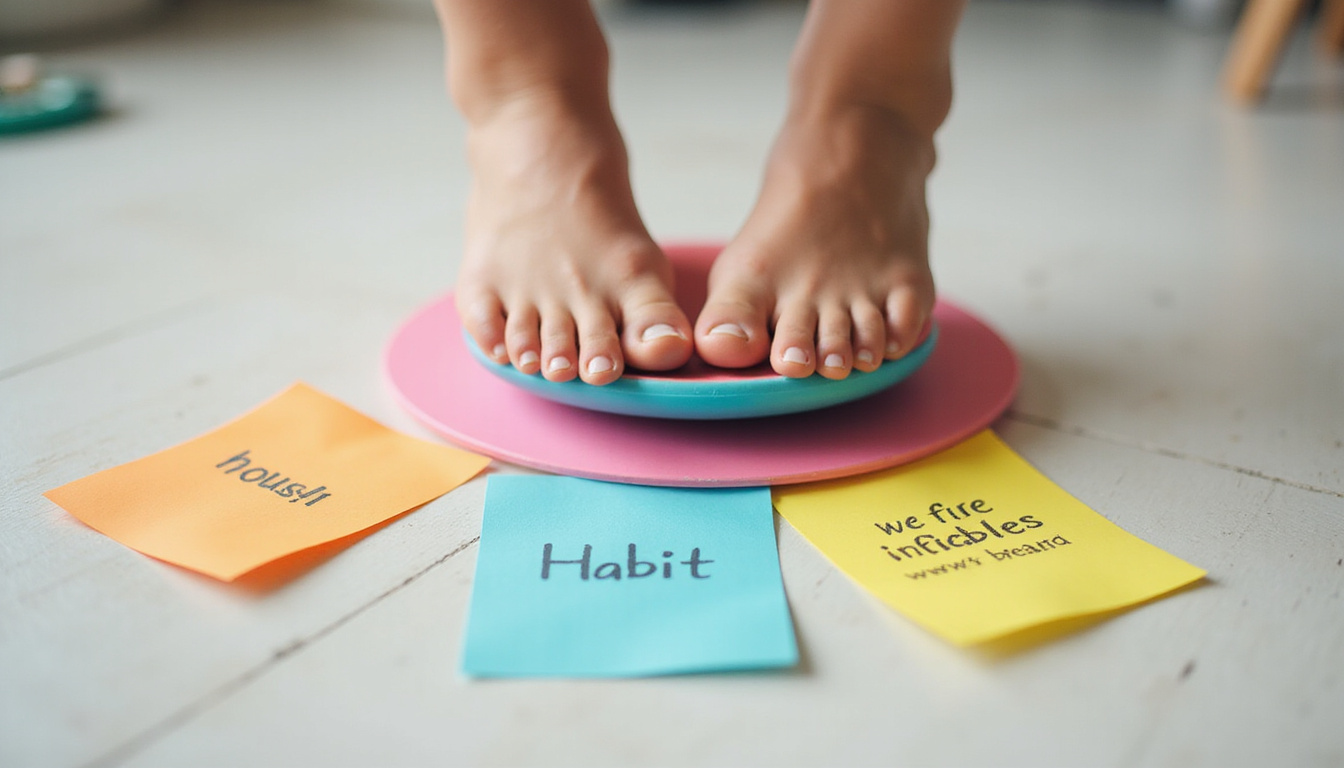
Micro Core Habits for Better Balance
• Seated “anti‑slouch” resets:
Every hour, sit tall. Gently draw your belly button toward your spine with 20–30% effort. Hold for 10 seconds while you breathe normally. This wakes your deep core.
• Standing weight shift:
While waiting for coffee or at the photocopier, shift your weight gently from one leg to the other. Keep your trunk tall. Let your body move with control.
• Split‑stance reach:
Place one foot forward and one back, like a mini lunge. Slowly reach both arms forward and overhead, then return them back. This move helps your lumbar and pelvic stability.
How to Fit Balance Training into a Busy Singapore Lifestyle
Think in micro‑doses. Instead of one long workout, try these short bursts:
• 30 seconds while brushing teeth (single‑leg stand)
• 30 seconds while waiting for the MRT (ankle rocks or weight shift)
• 1 minute during TV adverts (tandem stance, side steps)
• 30 seconds during work breaks (seated core activation)
In one day, these add up to 5–10 minutes of focused balance training without needing extra time.
When Home Balance Training Isn’t Enough
Sometimes, self‑directed exercises do not do enough. Consider seeking professional help if you notice:
• One side always feels much weaker or shakier.
• Pain increases and lingers after simple drills.
• You have multiple ankle or knee sprains despite exercising.
• You avoid slopes, escalators, or stairs for fear of falling.
• Your walk appears uneven or limpy, as others notice.
These signs show that a detailed assessment of your joints, muscles, and movement is needed.
Why Work with The Pain Relief Practice for Balance & Stability?
The Pain Relief Practice is a well‑known physiotherapy and pain treatment clinic in Singapore. Since 2007, we have helped people who are serious about:
• Solving stubborn pain issues
• Regaining healthy, strong joints and muscles
• Increasing physical performance and life quality
What Sets Us Apart
• We focus on pain and performance. We do not only strengthen but also use precision balance training to protect your joints.
• We use advanced tools to see which muscles are under‑firing, which joints carry too much load, and how your body moves.
• Celebrities and national athletes trust our treatment. We help high‑level performers stay in top shape and return from injury strong.
• We offer an integrated approach that combines hands‑on treatment, targeted balance drills, and daily habit coaching. All are tailored to busy Singapore life.
Real Results
Celebrities & National Athletes
Many patients started with knees or ankles that felt just a bit unstable. Later, they faced more serious problems because poor balance and joint control were not addressed. With timely, expert‑guided balance training, many issues are prevented or reduced.
A Simple Progression Plan You Can Follow
Use this plan to structure your own balance training over 4–6 weeks if your pain is mild and steady:
-
Week 1–2: Foundation (Support Close By)
• Practice single‑leg stands while lightly touching a support.
• Do a tandem stance near a wall.
• Work on ankle rocks and mini weight shifts. -
Week 3–4: Reduced Support
• Try a single‑leg stand with no hand support and eyes open.
• Practice standing on one leg on a soft surface (like a folded towel).
• Do side steps with a short hold on one leg. -
Week 5–6: Functional Integration
• Perform small forward and sideways lunges with a controlled return.
• Do “clock reach” drills around the standing leg.
• Combine balance work with light daily tasks, such as carrying a small bag or reaching overhead.
Always respect pain. A mild feeling of working hard is normal. Sharp or deep joint pain is a red flag. Stop and get checked if it happens.
See What Others Say About The Pain Relief Practice
Explore real patient experiences and our latest updates on Google:
https://share.google/UwMU2I9zUCwXVh0Lg
This profile shows how people with long‑standing joint issues, weak knees, chronic ankle instability, and back pain have benefitted. They experienced a tailored mix of hands‑on care and personalised balance training.
FAQ: Balance Training, Stability & Pain
Q1: Is balance training safe if I have knee arthritis?
Yes. When prescribed correctly, low‑impact and controlled balance training helps people with knee osteoarthritis. It improves muscle support around the joint and reduces uneven wear. Avoid high‑impact or deep‑bend moves that cause pain. A tailored programme at a centre like The Pain Relief Practice can keep you safe and help you improve.
Q2: How often should I do balance training exercises?
Short, daily sessions work best. Think of 3–10 minutes spread over the day rather than one long workout a week. Your nervous system learns from frequent, small reminders. As your stability grows, your therapist may move you to more advanced drills 2–3 times per week.
Q3: Can balance training help prevent future ankle or knee injuries?
Yes. Good balance and a keen sense of body position protect you from sprains, falls, and joint overload. They help your body react fast and correctly. Especially if you have had past sprains or ligament issues, balance training cuts the risk of serious injury.
If your joints feel fragile, shaky, or easily overloaded, it is time to upgrade your daily habits with focused balance training. With expert assessment and treatment, these tiny routines can help you move with confidence, protect your joints, and let you enjoy an active life in Singapore for many years.
We are a specialized physio treatment center for savvy people who want real results.
While we are not suitable for someone looking for ‘cheap physiotherapy’ or ‘free exercises available on youtube’, our treatments are affordable and are often claimable with company flexi-benefits, company health insurance, travel insurance, personal accident insurance, and other insurance plans.
Simply whatsapp or call: +65 97821601 and let us know how to help.
If you prefer a convenient nutritional preventive option, Regenerix Gold is our top recommended joint supplement.
We have been recommending this joint supplement for over a decade.
Simply start with 3 capsules, once a day.
If you do not feel better within a week, increase to 2 capsules, twice a day. (4 capsules a day in total)
Our blog readers qualify for a special discount.
Simply use the link below and a discount will automatically be applied during checkout.
 PROVIDING FAST, EASY & INSURANCE CLAIMABLE PAIN RECOVERY SINCE 2007