
If you are in Singapore and feel joint aches, tendon pain, or a stuck back or neck, shockwave therapy may help. Some say it “broke up all the knots” or was suggested before injections or surgery.
This article explains what shockwave therapy is, how it helps tired joints and worn tendons, and how The Pain Relief Practice in Singapore uses it so you can live pain‑free and active.
What Is Shockwave Therapy?
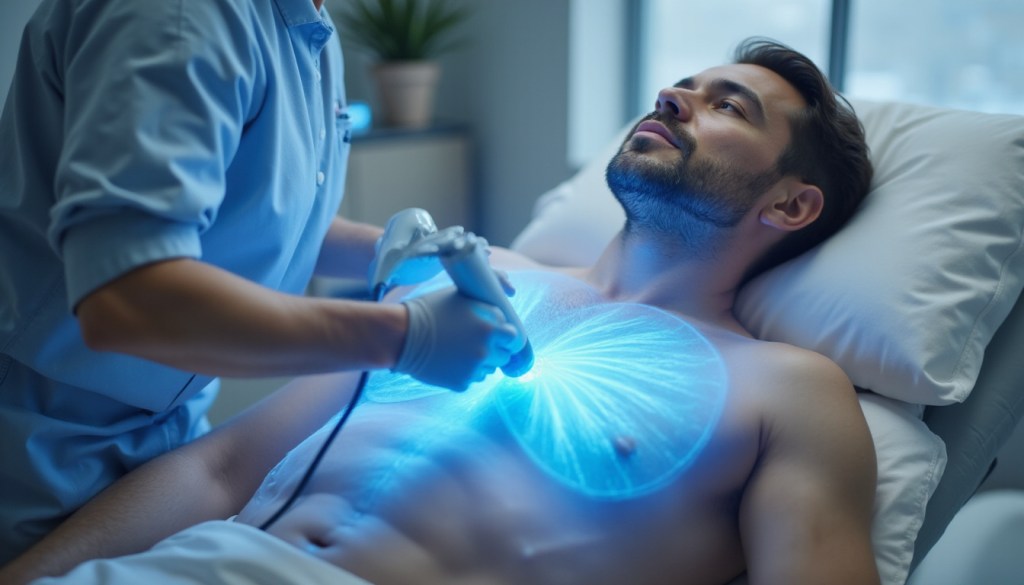
Shockwave therapy (or extracorporeal shockwave therapy, ESWT) sends high‑energy sound waves into injured tissue. It works on:
• Tendons (like tennis elbow, plantar fasciitis, Achilles tendonitis)
• Ligaments and entheses (where tendons or ligaments join bone)
• Muscles with chronic trigger points or tight “knots”
• Calcified or worn areas near joints
A handheld device sends these sound waves through a gel on the skin. In Singapore, patients say they feel:
• A “tapping” or “thudding” on the sore spot
• Mild to moderate discomfort that can change
• A deep, focused sensation at the painful area
There are no cuts, no injections into the joint, and no general anesthesia.
How Does Shockwave Therapy Work on Achy Joints and Tendons?
If pain has lasted months or years, your tissue is stuck in inflammation and slow degeneration. Shockwave therapy helps reset this state by:
-
Increasing blood flow
– The waves help form tiny blood vessels that bring fresh oxygen and nutrients. -
Breaking down calcification and scar tissue
– Conditions like chronic plantar fasciitis or impingement can build calcium or fibrous tissue. Shockwaves break them into pieces so your body reabsorbs them. -
Reducing pain signals
– The waves calm nerve endings and lessen pain mediators. Many patients notice a drop in sharp pain after a few sessions. -
Triggering repair
– The treatment stokes growth factors that support collagen repair and tendon regeneration (source: Mayo Clinic – Extracorporeal Shock Wave Therapy).
Simply put, shockwave therapy wakes a lazy injury to start healing again without surgery.
Who in Singapore Typically Benefits from Shockwave Therapy?
Many seek shockwave therapy after trying other solutions:
• Painkillers and anti‑inflammatory meds
• TCM, massage, or stretching apps
• Standard physiotherapy exercises on paper
• Rest that only gives temporary relief
Common conditions that improve are:
• Plantar fasciitis / heel spur – a stabbing pain when you first get up
• Tennis or golfer’s elbow – pain when gripping or turning a knob
• Achilles tendonitis – a stiff, sore tendon behind the ankle, worse in the morning or with running
• Rotator cuff tendinopathy / shoulder impingement – pain when lifting your arm or reaching behind
• Patellar tendonitis (jumper’s knee) – pain at the knee’s front when climbing stairs or squatting
• Chronic neck, upper back, or lower back trigger points – tight, knotted muscles that rarely let go
• Calcified tendinitis – thickened areas, sometimes even felt as lumps
If you say, “My joint is jammed for life” or “I hurt after a short walk,” shockwave therapy might help.
What to Expect During a Shockwave Therapy Session
At The Pain Relief Practice, a typical session is simple:
-
Assessment & Palpation
Your therapist checks your movement, finds the pain spot, and sees if shockwave fits your condition. -
Ultrasound Gel Application
The gel lets the shockwave energy pass smoothly into your tissue. -
Targeted Shockwave Delivery
– The therapist sets the intensity to suit your pain level.
– You feel rhythmic tapping or pulses over the painful area.
– Each spot gets a few thousand pulses in several minutes. -
Post-Treatment Advice
– You might feel a slight post‑workout ache.
– Avoid heavy activity in the treated area for 24–48 hours.
– You receive guidance on safe movements.
Each shockwave burst takes 10–20 minutes and may come with manual treatment and exercises.

Real Results
Why Pair Shockwave Therapy with Rehab Exercises?
Shockwave therapy helps jumpstart healing, but changing your movement is also key. At The Pain Relief Practice, shockwave therapy works with:
• Joint mobilization and manual therapy to free tight parts
• Muscle activation and strengthening to support joints
• Movement retraining to reduce overload on irritated tissue
This is important for Singaporeans who:
• Sit long hours, then switch suddenly to sports
• Wear unsupportive shoes on hard surfaces
• Have long‑term posture issues or old injuries
Key Benefits of Shockwave Therapy for Joint and Muscle Pain
Many patients share these benefits:
• Non‑surgical and drug‑free – no hospital stay and no anesthesia
• Targets stubborn, chronic pain – not just a quick fix
• Minimal downtime – many resume daily tasks soon
• Short sessions – fitting into busy schedules
• May lower the need for repeated steroid injections
Because shockwave therapy boosts tissue recovery, it works well for “wear and tear,” degenerative changes, or chronic tendinitis when other treatments seem to only mask the pain.
How Many Shockwave Therapy Sessions Will I Need?
The number of sessions depends on your pain’s duration and tissue irritation:
• Mild to moderate cases: 3–5 sessions
• More chronic issues: 6–8 sessions or more
Sessions come every 5–10 days to let your tissue recover. Progress is tracked by:
• Pain during specific movements (stairs, squats, overhead reaching)
• Morning stiffness or “first-step” pain
• Goals like running 5km without a limp, carrying kids, or playing badminton pain‑free
Is Shockwave Therapy Painful or Dangerous?
Most patients cope well. You may feel:
• A brief burst of discomfort when the shot hits the worst spot
• A deep ache or soreness after the session that fades in 24–48 hours
Side effects sometimes include:
• Mild redness or skin irritation
• Slight swelling or bruising
Shockwave therapy is non‑invasive and safe when done by trained professionals. It is not suitable if you have:
• A fracture in the area
• A blood clotting disorder or high‑dose anticoagulants
• A pacemaker near the treated area
• Pregnancy (for some treatment zones)
• An active infection or an open wound
Your therapist will decide if you are a good candidate.
Why Choose The Pain Relief Practice for Shockwave Therapy in Singapore?
If you have long‑term joint and muscle pain, you want more than a quick fix. You need:
• A clear diagnosis
• A personalized, logical plan
• Technology that aids true healing
• Guidance to return to your regular life without constant pain
The Pain Relief Practice is:
• One of Singapore’s top physiotherapy and pain clinics since 2007
• Focused on musculoskeletal pain, joint wear, and sports injuries
• Trusted by celebrities and national athletes for their safe return to peak performance
This clinic is for patients who want:
• To solve pain at its root instead of just masking it
• To regain healthy joints and muscles, not just survive the pain
• To improve work performance, sports, and daily life
Their shockwave therapy approach combines:
• Detailed assessments – not just turning on a machine
• Manual therapy, sports physiotherapy, and corrective exercises
• Honest talks on what to expect, how long it takes, and cost
Celebrities & National Athletes
Typical Patient Journey with Shockwave Therapy at The Pain Relief Practice
-
Initial Consultation
– They review your medical history, past scans, and your current pain.
– They see how pain affects your daily movement: walking, climbing stairs, carrying items, or playing sports. -
Diagnosis & Plan
– They explain the source of your pain.
– They decide if shockwave therapy will work and how it fits into your full plan. -
Shockwave Treatment + Hands‑On Care
– You get a focused shockwave therapy session.
– This may come with manual release, joint mobilization, or taping as needed. -
Rehab & Strengthening
– You get an individualized exercise program instead of a one‑size‑fits‑all printout.
– They coach you on posture and body mechanics at work or during sports. -
Follow-Up and Progress Review
– They track pain levels, movement, and performance.
– They adjust session frequency or add other treatments when needed.
Simple Signs You Might Be Ready for Shockwave Therapy
Think of shockwave therapy if you:
• Have had the same joint or tendon pain for over 3 months
• Tried rest, stretches, or basic physio with little help
• Feel pain at specific spots (heel, elbow, knee, outer hip) that keep coming back
• Want to avoid or delay injections or surgery
• Need a safe way to return to sports or heavy work quickly
Quick Checklist: Preparing for Your First Session
Before your session:
• Wear or bring loose clothing to expose the treatment area
• Bring any previous x‑rays, MRIs, or reports you have
• Avoid strong painkillers right before the visit so that the painful spots are clear
• Be ready to explain which movements or tasks hurt the most for better targeting
Our Google Profile
Find our clinic details, location, and reviews here:
https://share.google/UwMU2I9zUCwXVh0Lg
FAQ About Shockwave Therapy in Singapore
1. Is shockwave therapy in Singapore effective for chronic heel pain and plantar fasciitis?
Yes. Shockwave therapy for plantar fasciitis is one of the most studied treatments worldwide. Many with long‑standing heel spur or first‑step pain see clear improvement. Its benefits grow when combined with proper footwear advice and calf/foot strengthening.
2. How much time does a shockwave therapy session usually take?
A shockwave session takes around 10–20 minutes for the wave treatment alone. When you add assessment, manual therapy, and exercise coaching, the full visit at The Pain Relief Practice fits well into a workday.
3. Is shockwave physiotherapy suitable if I already have “wear and tear” or early osteoarthritis?
Many with joint “wear and tear” benefit from shockwave physiotherapy. It targets the overloaded soft tissues—tendons, ligaments, and muscle attachments—around the joint. Although it cannot reverse arthritis, it can lower pain and improve function, especially when combined with strengthening and weight control.
If you are tired of living with pain—avoiding stairs, shortening walks, or skipping your favorite sports—consider shockwave therapy at The Pain Relief Practice. It is a non‑surgical, evidence‑based option that could lead you on a path to a more comfortable life.
We are a specialized physio treatment center for savvy people who want real results.
While we are not suitable for someone looking for ‘cheap physiotherapy’ or ‘free exercises available on youtube’, our treatments are affordable and are often claimable with company flexi-benefits, company health insurance, travel insurance, personal accident insurance, and other insurance plans.
Simply whatsapp or call: +65 97821601 and let us know how to help.
If you prefer a convenient nutritional preventive option, Regenerix Gold is our top recommended joint supplement.
We have been recommending this joint supplement for over a decade.
Simply start with 3 capsules, once a day.
If you do not feel better within a week, increase to 2 capsules, twice a day. (4 capsules a day in total)
Our blog readers qualify for a special discount.
Simply use the link below and a discount will automatically be applied during checkout.
 PROVIDING FAST, EASY & INSURANCE CLAIMABLE PAIN RECOVERY SINCE 2007