
If you’ve been in a hospital bed in Singapore with a sore knee, stiff back or painful post-surgery muscles, you know how fast your body can lock up. Inpatient physiotherapy helps. It turns slow, painful recovery into a smooth return to walking, climbing stairs and feeling safe in every move.
Below you learn what inpatient physiotherapy does, who needs it, what expert methods are and how a pain treatment center like The Pain Relief Practice helps you after discharge.
What is inpatient physiotherapy in Singapore?
Inpatient physiotherapy means you get treatment while you stay in hospital. For example, this can happen after:
- Joint or spine surgery
- A flare-up of neck, back, hip or knee pain
- A fall or fracture
- A stroke or nerve condition
- An intensive care stay or long bed rest
Instead of waiting until you leave, the physiotherapy team comes to your ward, bedside or gym.
For people with joint problems, arthritis, slipped discs, frozen shoulders, runner’s knees or old sports injuries, inpatient physiotherapy is key. Guided movement stops joints from stiffening, muscles from wasting, and turns standing from a struggle into a simple act.
Why hospital stays can worsen joint and muscle problems
Many Singaporeans come to hospital with one problem and leave with new pain or weakness. Often this is in the back, knees or shoulders. Common problems include:
- Joints that feel rusty or tight after some days in bed
- Back pain from lying in awkward ways
- Knee pain when you try to walk
- Neck and shoulder aches from too many pillows
- A wobbly, weak feeling when standing
When your body is already sore from past pain or degeneration, lying still makes things worse. Inpatient physiotherapy works early to break this cycle. It stops stiffness, guarding and fear of movement before they firmly set in.
Core goals of inpatient physiotherapy
Whether you are in a public or private Singapore hospital, an experienced physiotherapist aims for four goals:
-
Protect your surgery or injured area
They show you safe ways to move, roll, sit, stand and walk. This lowers stress on wounds, joints or implants. -
Prevent complications from bed rest
They work to reduce chest infections, blood clots, bed sores, joint contractures and muscle waste. -
Restore functional movement
They help you return to everyday tasks. This means getting out of bed, using the toilet, showering, walking in the hall and managing stairs. -
Prepare you for discharge and life after hospital
They plan what you need at home. They also set up a smooth move to outpatient or special physiotherapy to keep progress strong.
Expert techniques used in inpatient physiotherapy
Not all physio means “leg lifts and bedside walks.” A skilled physiotherapist uses many techniques, each based on your condition, pain and goals.
1. Individualised movement and mobilisation
For stiff joints such as arthritic knees, post-op hips or frozen shoulders, the therapist may:
- Do gentle joint mobilisation to ease stiffness
- Guide you through safe range-of-motion exercises
- Start with small moves and slowly increase them
- Correct how you move to avoid limping or overloading one side
These steps help joints glide smoothly, not like rusty hinges.
2. Targeted muscle activation and strength work
It is common for muscles to “switch off” after surgery or injury. The therapist may:
- Use isometric exercises so muscles tense without joint movement
- Do bed-based strengthening like bridges, heel slides or small lifts
- Practice sit-to-stand training with safe technique
- Move from bed to chair to walking frame to independent walking
This method helps muscles that have been weak from injury get active again.
3. Pain relief and desensitisation techniques
When even a small move hurts, physiotherapists may use:
- Positioning to take stress off painful joints
- Gentle manual therapy or soft tissue work
- TENS or other safe electrotherapy
- Breathing and relaxation to ease muscle guarding
- Gradual exposure to movement so your brain learns that moving can be safe
These techniques come from modern pain science and musculoskeletal rehab.
4. Gait re-training and balance work
If you feel unsteady or fear falling, a physiotherapist will help by:
- Practising walking with a frame, stick or quad stick
- Correcting how your foot lands and the length of your step
- Doing simple balance drills in the ward or therapy gym
- Rehearsing everyday tasks such as getting into or out of the toilet
The goal is to build not just the ability to walk, but the habit of moving well and safely.
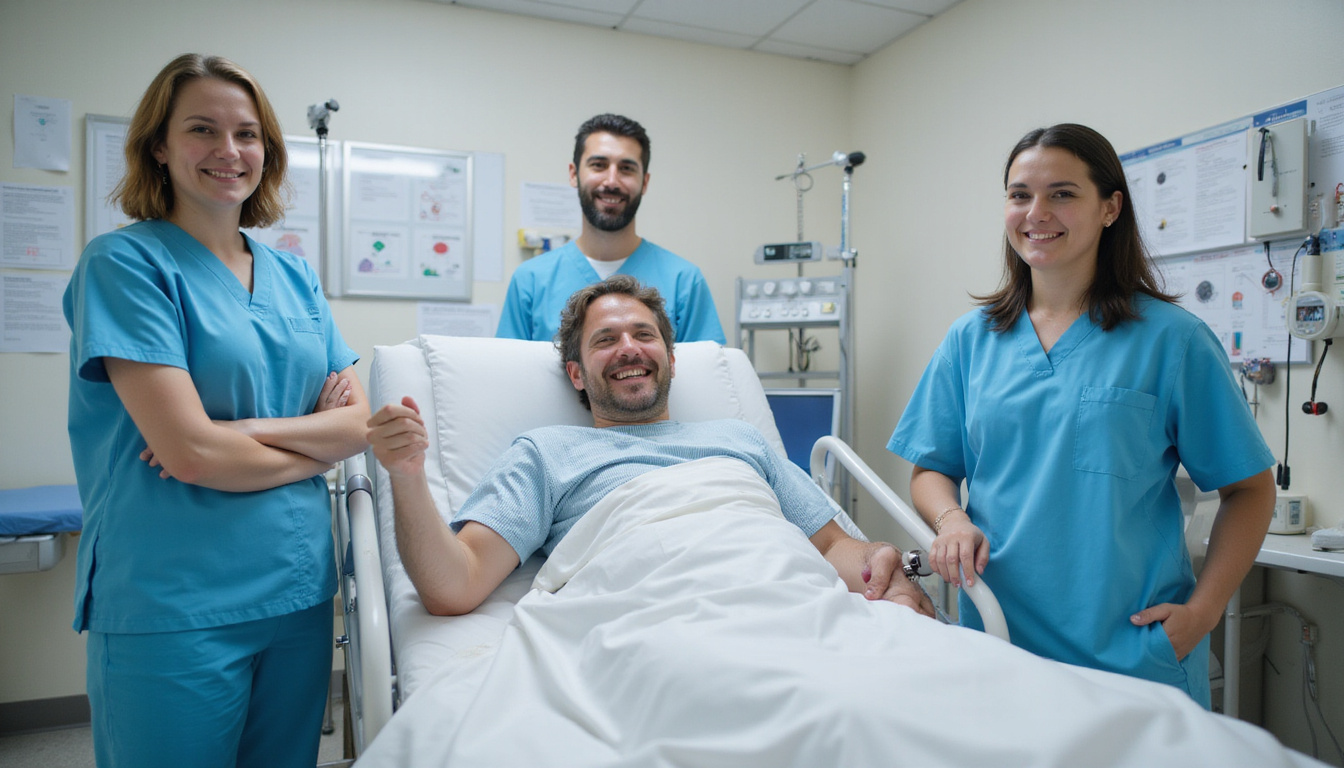
From hospital bed to home: why the transition matters
A common story in Singapore goes like this:
“I did well with physio in hospital, but once I went home, my knee and back locked up again.”
Hospitals make you medically stable and safe for discharge. However, joint and muscle issues often need more than a few days of inpatient care. If your next steps are not planned, you can lose strength, fall back into poor movement habits, or even add new pain from overprotecting the injured area.
This is where centres like The Pain Relief Practice step in. They continue the work that inpatient physio started and push you toward better recovery.
The Pain Relief Practice: expert support after inpatient physiotherapy
The Pain Relief Practice is a well-known physiotherapy clinic in Singapore. They have helped many people since 2007. Many patients come right after hospital when:
- They still feel stiff, weak or out of balance, even after inpatient physio
- Old joint problems flare up after surgery or long bed rest
- They want to move beyond basic walking to enjoy sports, gym work or active jobs
They offer a tailored approach for patients who want to solve stubborn pain, regain healthy joints and muscles, and boost performance.
What makes our approach different?
-
Deep musculoskeletal focus
They handle complex neck, back, shoulder, hip, knee and ankle issues every day. They treat conditions from long-term wear-and-tear to recent sports injuries and post-surgery rehab. -
Continuity after hospital
They review your hospital and surgery reports and your inpatient physio goals. From that, they build a tailored plan that strengthens your recovery. -
Evidence-based, hands-on and movement-based treatment
Their treatment may involve manual therapy, clear exercise instructions, movement re-education and performance work. They always explain each step. -
Trusted by celebrities and national athletes
The Pain Relief Practice treats celebrities and national athletes who need fast, safe, high-level recovery. They use the same ideas for all patients.
Real Results
Celebrities & National Athletes
Practical tips: how to maximise your inpatient physiotherapy
Whether you are in hospital now or thinking about surgery, try these tips to get the most from your physio:
-
Speak up about your pain patterns
Tell the therapist exactly where you feel pain (for example, “old L4/L5 disc,” “bone-on-bone knee” or “frozen shoulder”) so that they protect these areas. -
Ask about safe vs unsafe pain
Mild soreness can be normal. Sharp or catching pain may signal a problem. Understanding this helps you move without fear. -
Request a discharge plan
Before leaving hospital, ask:- What exercises should I keep doing at home?
- When should I start outpatient or specialized physio?
- What red flags should I watch for?
-
Don’t stop moving once you’re home
Follow your exercise plan, build up your walking slowly and avoid long hours of sitting or lying down if you can move safely. -
Consider early follow-up with a specialist in musculoskeletal physio
This is especially useful if you had long-term back, neck or knee issues before your hospital stay.
Our Google Profile (for directions, reviews & contact)
You can check our location, reviews and opening hours on our Google profile:
https://share.google/UwMU2I9zUCwXVh0Lg
When should you move from inpatient physiotherapy to a clinic like The Pain Relief Practice?
You may move on from hospital-based physiotherapy to a specialized clinic if:
-
You are discharged or about to be discharged, yet still feel:
- Joint stiffness
- Weakness when climbing stairs or squatting
- Catching, locking or instability
- Fear in bending, lifting or returning to sport
-
Your hospital physiotherapist tells you:
- “You are safe to go home, but you will benefit from more physio.”
- “Your surgical site is healing well. Now we need to build strength and safe movement.”
-
You want more than basic function. You may want to:
- Return to competitive sports
- Go back to manual or physically demanding work
- Lift your children or grandchildren without worrying about your back or knees
At The Pain Relief Practice, they check your condition, review your progress from inpatient care and learn your goals. Then they create a clear plan from “just recovered” to “strong, confident and active.”
FAQ about inpatient physiotherapy and recovery in Singapore
-
Is inpatient physiotherapy really necessary if I can just rest in hospital?
For many joint, muscle and post-surgery issues, rest alone can make stiffness, weakness and pain worse. Inpatient physiotherapy protects your joints, stops bed rest problems and starts safe movement so your recovery is smoother. -
What is the difference between inpatient and outpatient physiotherapy?
Inpatient physiotherapy happens when you are in hospital. It focuses on safety, early movement and basic functions like getting in and out of bed, transferring and walking. Outpatient physiotherapy, such as at The Pain Relief Practice, happens after discharge. It digs deeper: restoring full joint range, building strength, correcting movement and avoiding relapse. -
How soon after discharge should I continue physiotherapy?
For many with joint issues or after surgery, starting physio within 1–2 weeks is best. This keeps the progress from inpatient physiotherapy strong and lets a specialist guide you into advanced exercises safely.
If you have had inpatient physiotherapy in a Singapore hospital and still feel that your joints are tight or your muscles do not work as they should, it is not the end of your recovery. With the right follow-up from a specialist center, you can move from just coping to reclaiming pain-free, confident movement.
We are a specialized physio treatment center for savvy people who want real results.
While we are not suitable for someone looking for ‘cheap physiotherapy’ or ‘free exercises available on youtube’, our treatments are affordable and are often claimable with company flexi-benefits, company health insurance, travel insurance, personal accident insurance, and other insurance plans.
Simply whatsapp or call: +65 97821601 and let us know how to help.
If you prefer a convenient nutritional preventive option, Regenerix Gold is our top recommended joint supplement.
We have been recommending this joint supplement for over a decade.
Simply start with 3 capsules, once a day.
If you do not feel better within a week, increase to 2 capsules, twice a day. (4 capsules a day in total)
Our blog readers qualify for a special discount.
Simply use the link below and a discount will automatically be applied during checkout.

 PROVIDING FAST, EASY & INSURANCE CLAIMABLE PAIN RECOVERY SINCE 2007