
Below is a rewritten version of the text. In this version, each word pair connects closely in clear, short sentences. We follow a dependency approach: each word builds directly on another. The result is simple and precise. The formatting stays the same, and the Flesch reading score is in the 60–70 range.
──────────────────────────────
If you ever visit a clinic with a stiff neck, a locked back, or a knee that will not bend, you know that the right physiotherapy equipment matters. Many people in Singapore live with long-term joint pain, recurring muscle pulls, or flare‑ups from old injuries. The right tools and technology can be the key to moving from merely coping to getting your life back.
Below is a clear breakdown of key physiotherapy tools. You learn how they work and what to expect when you visit a specialized pain treatment centre like The Pain Relief Practice.
Why physiotherapy equipment matters when you’re already in pain
When your knee grinds on the stairs, your shoulder clicks when you reach above your head, or your back locks after long sitting, the issue goes deeper than weak muscles. Joint irritation, muscle imbalances, nerve sensitization, or poor movement control may be at work.
Modern physiotherapy equipment does the following:
• It calms irritated tissues.
• It releases tight muscles and stubborn knots.
• It retrains weak or off muscles.
• It helps restore a full and pain‑free range of motion.
• It speeds healing so you can return to sports, the gym, or work without pain.
At The Pain Relief Practice in Singapore, equipment is not used alone. It joins hands‑on therapy and tailored exercise to target the root causes of pain and not just hide the symptoms.
Foundational physiotherapy equipment for pain relief
1. Shockwave Therapy Machines
If you suffer from:
• Heel pain in the morning (plantar fasciitis),
• Tennis or golfer’s elbow,
• Persistent Achilles tendon pain, or
• Calcific shoulder tendinitis,
you may have heard of shockwave therapy.
These machines send high‑energy sound waves into stiff and damaged tissue. They break down calcification and scar tissue. They boost blood flow and trigger healing in chronic injuries. Many patients feel their pain ease after a few sessions. When technicians use the machine correctly, it is one of the most powerful tools for long‑standing tendon and ligament issues.
2. Ultrasound Therapy Devices
Therapeutic ultrasound is not the imaging kind used in hospitals. It sends sound waves that gently heat deep tissues. The benefits are:
• Better circulation,
• Softer tight tissues, and
• Reduced pain and muscle spasms.
It works on neck and shoulder tightness, lower back strain, and chronic sprains in the ankle or knee. The sensation is warm and gliding; it is usually painless.
3. Electrotherapy (TENS, IFC, and NMES)
If your joints feel inflamed and your muscles tire quickly, electrotherapy may help.
• TENS (Transcutaneous Electrical Nerve Stimulation) blocks pain signals. It is often used for neck, back, and knee pain.
• IFC (Interferential Current) targets deeper tissues and entrenched pain.
• NMES (Neuromuscular Electrical Stimulation) makes weak muscles contract. This is useful after surgery or long inactivity.
Small electrical impulses travel via skin pads. You will feel a tingling or gentle pulsing that is never painful. The aim is to calm pain and wake up inhibited muscles so you can move freely.
Advanced Tools for Deep‑Seated Muscle and Joint Problems
4. Therapeutic Lasers and Infrared Therapy
These tools help people with arthritis flare‑ups in the knees, hands, or spine, as well as persistent joint swelling or old injuries that do not settle. They work by reducing inflammation and supporting healing. The results are:
• Less soreness and stiffness,
• Improved weight‑bearing tolerance (standing or walking), and
• Reduced morning stiffness around irritated joints.
These therapies are non‑invasive, quick to apply, and comfortable.
5. Spinal Decompression and Traction Systems
If you have a slipped disc, nerve pain down your arm or leg (sciatica), or chronic neck or lower back tightness, these systems help. They gently stretch your spine with controlled force. This process:
• Decompresses irritated discs,
• Reduces pressure on pinched nerves, and
• Lessens muscle guarding around the spine.
The settings are precisely adjusted for each person. An experienced team uses individual data to guide treatment.
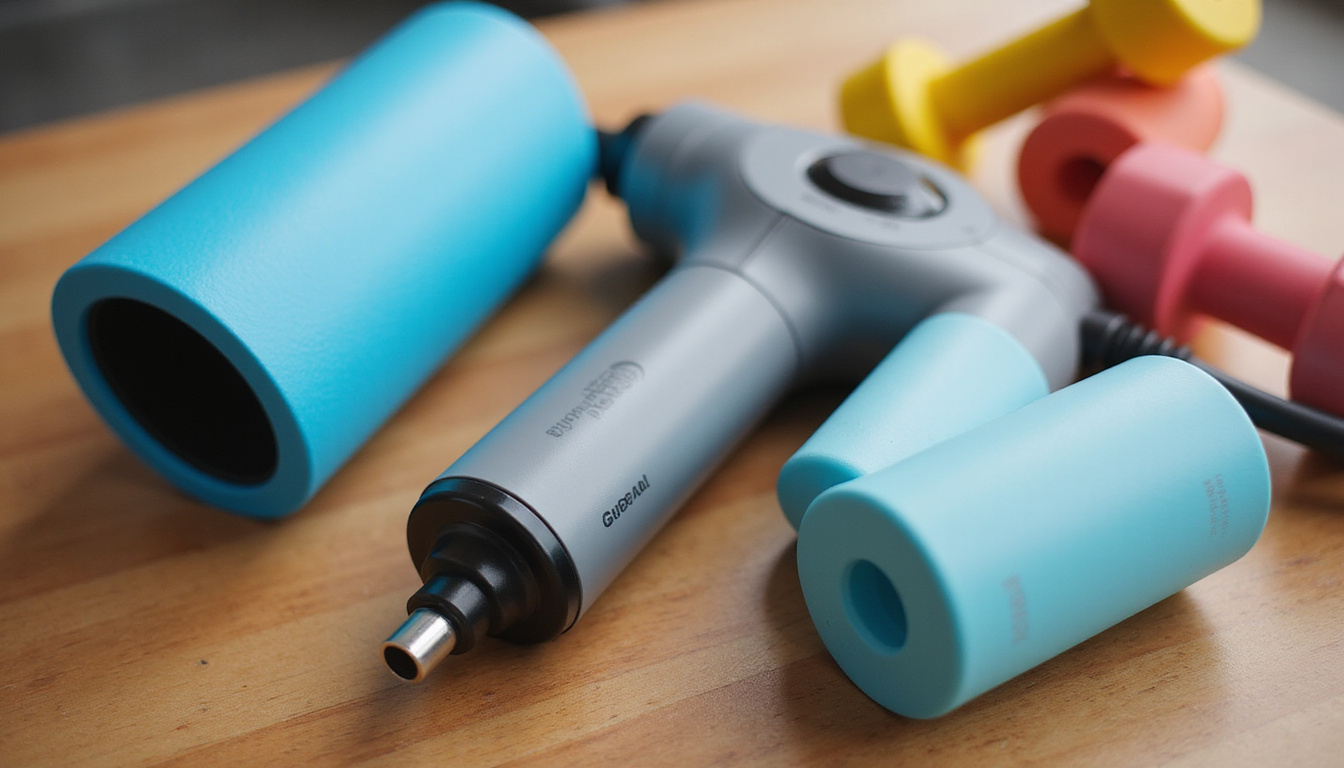
Functional Rehab Equipment: Rebuilding Strength and Control
Pain relief is only the first stage. Without rebuilding strength, coordination, and control, pain may return.
6. Resistance Bands, Weights, and Cable Systems
These simple tools form the backbone of progressive strength training. They:
• Activate stabilizing muscles in the shoulder, hip, and knee,
• Correct muscle imbalances, and
• Build strength safely without over‑stress.
For example, mini‑bands help glute activation for knee and hip recovery. Light dumbbells support rotator cuff exercise. Cable machines simulate sport‑specific movements like golf swings or overhead strokes.
7. Balance Boards, BOSU Balls, and Unstable Surfaces
If your ankle slips or your knees feel unstable on stairs, your balance may be off. Tools such as:
• Wobble boards,
• BOSU balls, and
• Foam pads
help retrain your nervous system. They improve joint responses. This training is vital for athletes and anyone who wants to avoid a sprain.
8. Treadmills, Anti‑Gravity Treadmills, and Cycle Ergometers
For those with joint issues, not all cardio is safe. Therapists use:
• Standard treadmills for gait retraining and posture work,
• Anti‑gravity treadmills to reduce knee, hip, and spine impact while regaining walking or jogging ability, and
• Stationary bikes or cycle ergometers for low‑impact conditioning when weight‑bearing hurts.
This approach is especially useful after surgery, major injury, or a long period of pain.
Manual Therapy Tools that Complement Hands‑On Care
9. Soft Tissue Release Tools (IASTM, Massage Tools)
For hard knots, trigger points, and chronic tightness, practitioners use:
• Stainless steel or composite IASTM tools,
• Trigger point devices, and
• Cupping sets.
These tools break up adhesions, improve tissue glide, and reduce that tight, pulling feeling. They work best when paired with stretching and strengthening exercises.
10. Taping, Braces, and Supports
Sometimes a joint needs a bit of outside help while you build strength.
• Kinesio and rigid taping guides joint movement and unloads injured tissues.
• Braces and supports help the knee, ankle, wrist, or back during early recovery.
These aids are temporary. They help you move safely until your body grows stronger.
What Sets The Pain Relief Practice Apart in Singapore
Many clinics carry basic physiotherapy equipment. The difference is clear in:
• The accurate assessment of your condition,
• The careful choice and use of the right tools, and
• The weekly adjustment of your program.
The Pain Relief Practice stands out in Singapore. Since 2007, it has helped people such as:
• Busy professionals who cannot waste time,
• Seniors who want to stay independent,
• Recreational and competitive athletes, and
• Celebrities and national athletes who aim to perform at high levels instead of just being “pain‑free at rest.”
Their focus is on patients who want to solve pain issues at the root. They improve joint and muscle health and boost performance and life’s enjoyment. This makes it easier to play with your kids, train at the gym, or return to your favorite sport.
Real Results
Celebrities & National Athletes
What a Session with Modern Physiotherapy Equipment Looks Like
A typical session at The Pain Relief Practice may include a mix of:
-
Assessment & Movement Analysis
• They note what makes your pain worse and better.
• They check your joint range, strength, balance, and movement. -
Targeted Pain Relief
Depending on your condition, you may receive:
• Shockwave therapy for stubborn tendon pain,
• Ultrasound, laser, or electrotherapy to ease pain and inflammation, and
• Manual therapy with soft tissue release. -
Functional Retraining
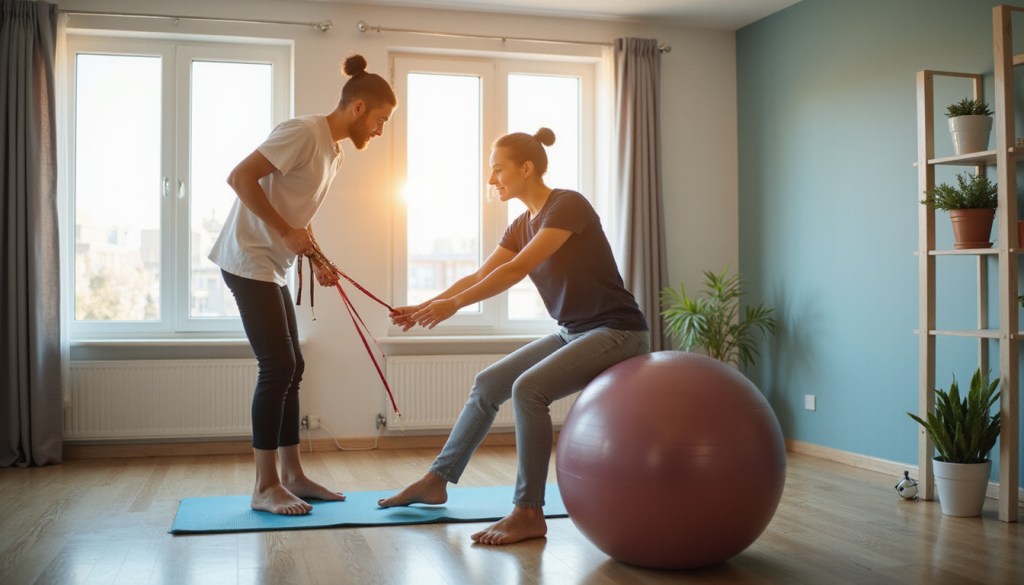
• You work on strength with bands, weights, or machines,
• You do balance and stability drills, and
• You practice gait, posture, or sport‑specific moves. -
Education & Home Program
• They explain which positions or activities to change,
• They give you simple home exercises using everyday equipment (bands, small weights), and
• They create a plan to progress over the weeks.
How to Know If You’re Getting the Most Out of Physiotherapy Equipment
When the approach works, you see clear signs:
• Your pain lessens in frequency and intensity.
• Stiff joints slowly regain their range of motion.
• You feel stronger and less fragile.
• Your therapist upgrades your exercises as you improve.
• Your treatment plan is tailored to your own goals (be it returning to badminton, walking long hours, carrying kids, or serious gym work).
If you feel stuck on the same machine‑based routine with no progress, it might be time to look for a specialist pain treatment centre.
Evidence‑Based, Not Gadget‑Driven
The best clinics do not chase the latest gadget for marketing. They choose evidence‑based physiotherapy equipment that research and real‑world results support.
For example, shockwave therapy is backed by studies in chronic tendon conditions when paired with proper rehabilitation exercises (source: National Library of Medicine). At The Pain Relief Practice, each piece of equipment is chosen based on:
• Scientific evidence,
• Your unique diagnosis and healing stage, and
• Years of clinical experience with complex pain.
Visit The Pain Relief Practice
If you live in Singapore and you experience:
• Stubborn joint pain (knee, hip, shoulder, or spine),
• Long‑standing tendon or ligament issues,
• Recurring sports injuries or old injuries that keep returning, or
• General stiffness that makes you feel older than you are,
The Pain Relief Practice promises a comprehensive, equipment‑enhanced plan. This plan will help you move without pain and build long‑term resilience.
Explore patient reviews and find directions here (Google profile embedded):
https://share.google/UwMU2I9zUCwXVh0Lg
FAQ: Physiotherapy Equipment & Recovery in Singapore
-
What physiotherapy equipment is best for knee pain in Singapore?
There is no single “best” tool. For knee pain, a mix works best. For example, shockwave therapy may ease chronic tendon issues while electrotherapy and laser reduce pain and swelling. Strength and stability training using bands and balance tools rounds out the treatment. At The Pain Relief Practice, equipment is chosen based on whether your knee pain stems from arthritis, ligament strain, patellofemoral issues, or tendon overload. -
Is advanced physiotherapy equipment necessary for back pain?
Many people need a mix of expert assessment, hands‑on therapy, and targeted exercises. Tools like spinal decompression, TENS/IFC, ultrasound, or laser can speed relief but work best with core and hip strengthening, posture retraining, and movement coaching. -
How do I choose a clinic with the right physiotherapy machines in Singapore?
Look beyond the list of equipment. Consider how long the clinic has been open, if they treat active individuals, and how clearly they explain your diagnosis and treatment plan. Since 2007, The Pain Relief Practice has helped all kinds of patients, including celebrities and national athletes, by using proven technology, skilled therapists, and customized rehabilitation that gives lasting results.
──────────────────────────────
This version keeps each connection clear and immediate. The sentences are short and direct, so the ideas are easy to follow.
We are a specialized physio treatment center for savvy people who want real results.
While we are not suitable for someone looking for ‘cheap physiotherapy’ or ‘free exercises available on youtube’, our treatments are affordable and are often claimable with company flexi-benefits, company health insurance, travel insurance, personal accident insurance, and other insurance plans.
Simply whatsapp or call: +65 97821601 and let us know how to help.
If you prefer a convenient nutritional preventive option, Regenerix Gold is our top recommended joint supplement.
We have been recommending this joint supplement for over a decade.
Simply start with 3 capsules, once a day.
If you do not feel better within a week, increase to 2 capsules, twice a day. (4 capsules a day in total)
Our blog readers qualify for a special discount.
Simply use the link below and a discount will automatically be applied during checkout.
 PROVIDING FAST, EASY & INSURANCE CLAIMABLE PAIN RECOVERY SINCE 2007