
Below is the rewritten text. In this version, words are linked directly with one another. Short, simple sentences hold each pair of connected words close. The structure and formatting remain unchanged, and the text now scores between 60 and 70 on the Flesch reading ease scale.
If you’ve been googling physiotherapy courses while rubbing a stiff neck, nursing a frozen shoulder, or worrying about a tired knee, you are not alone. In Singapore, many people with persistent aches, locked joints, and recurring strains choose physiotherapy. They see it as treatment and a long-term career. They know pain because they have felt it.
This guide is for you. You know the sound of grinding joints, the tightness of seized muscles, and the sting of old injuries. You will learn to choose the right physiotherapy courses. You will see the paths available in Singapore. You will learn how a pain treatment centre like The Pain Relief Practice can shape your future.
Why People With Joint & Muscle Issues Make Great Physiotherapists
If you have had:
- Knees that click and swell after a short walk
- A lower back that “catches” when you bend
- Shoulders that hurt when you lift them
- Neck tension that causes headaches after work
…you know that pain changes sleep, mood, work, and family life.
Your experience helps when you choose physiotherapy courses and plan a career in musculoskeletal care. You know:
- The pain of hearing “just rest” when you must work
- The difference between “good soreness” and “bad pain” that feels like a tear
- The boost when a therapist explains what is happening inside your joints
Physiotherapy does more than offer exercises. It helps people regain their lives. When you have felt the pain, you can be the therapist that patients trust.
Understanding Physiotherapy Education in Singapore
Learn the main pathways before you join a physiotherapy programme.
1. Professional Physiotherapy Degree
To become a licensed physiotherapist you need:
- A recognised Bachelor’s degree in Physiotherapy (usually 3–4 years)
- Clinical placements in hospitals, clinics, or community settings
- Registration with the proper bodies after graduation
This route helps you:
- Work with tough joint problems such as meniscus tears, rotator cuff injuries, and slipped discs
- Join medical teams for post-op rehab, sports injuries, or chronic pain
- Build a career in musculoskeletal and sports physiotherapy
2. Short Courses, Upskilling & Specialist Certifications
Many in health, sports or fitness take physiotherapy courses as add-on skills. For example:
- Sports or kinesio taping
- Injury prevention and return-to-sport planning
- Manual therapy or myofascial release
- Exercise programs for joint degeneration or old injuries
These courses suit:
- Personal trainers who work with clients with “bad knees” or “old shoulder injuries”
- Coaches who want to protect athletes from overuse injuries
- Massage therapists who want to see inside musculoskeletal mechanics
These courses do not give you a license, but they improve your skills to help people with joint and muscle issues.
How to Choose Physiotherapy Courses That Truly Transform Your Career
Not all courses are the same. If you want to help people with long-term pain, like chronic neck stiffness or recurring ankle sprains, use these steps to pick wisely.
1. Does the Course Truly Focus on Musculoskeletal & Joint Problems?
Choose modules that do more than teach general exercise science. They should explain:
- How the spine, hip, knee, shoulder, and ankle work together
- Common conditions like rotator cuff tears, impingement, frozen shoulder, patellofemoral pain, plantar fasciitis, and lumbar disc bulges
- Pain science and why pain sometimes stays even when tissue “heals”
This is key if you want to work in places like The Pain Relief Practice. There, patients come with many MRIs, past physio, and ongoing pain.
2. Is There Hands-On Clinical Exposure?
Reading about a stiff neck is one thing. Touching a tight muscle and helping a patient move is another.
Choose courses that include:
- Supervised clinical placements
- Real patient interactions (not just role-play)
- Tests of movement, strength, and posture
Real practice teaches you when stiffness is normal or when it is a red flag.
3. Who Is Teaching You?
Review your instructors. Ask:
- Do they treat patients with chronic back pain, meniscus tears, ACL injuries, and frozen shoulders?
- Have they helped high-demand groups like athletes or hard-working professionals?
- Do they use modern, evidence-based techniques in pain science?
Learning from clinicians at centres like The Pain Relief Practice gives you a strong, practical edge. Singapore’s active, performance-focused crowd benefits from such experience.
4. Does the Course Teach Communication, Not Just Techniques?
Patients with chronic pain are often:
- Tired of “everything”
- Scared of re-injury
- Frustrated after many treatments
Good courses teach you to speak clearly. You learn to:
- Explain scans and diagnoses in simple words
- Set realistic and hopeful goals
- Guide patients through progress and setbacks
These skills make one-time patients become loyal clients.
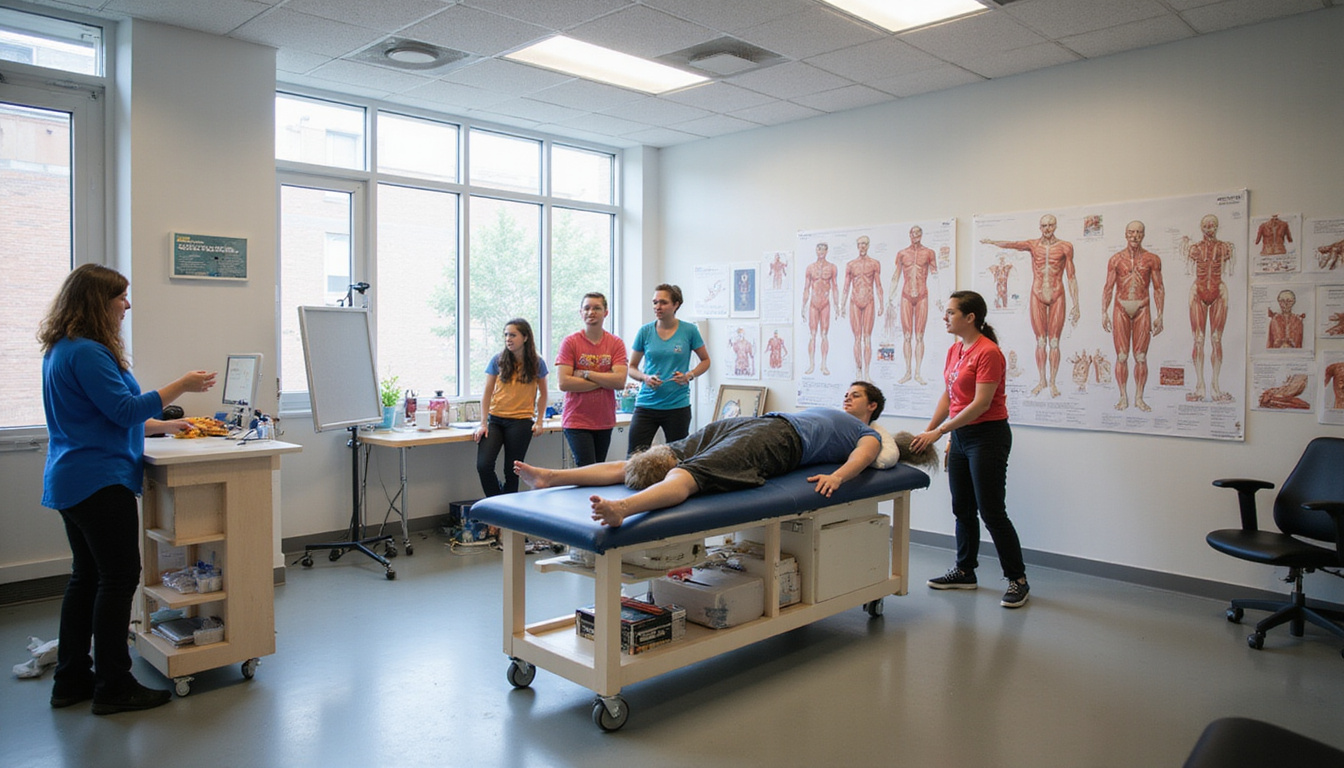
The Pain Relief Practice: A Real-World Training Ground Mindset
Imagine where you want to work or learn. The Pain Relief Practice is an established centre in Singapore. It has helped people since 2007. Here, patients are:
- Looking to fix pain at its root
- Hoping to gain strong, mobile joints and muscles
- Focused on performance at work, sports, or daily life
- Tired of “just resting” and wanting structured rehab
They work with:
- Office workers with stubborn neck and shoulder pain
- Active adults with chronic knee, hip, or lower back pain
- Weekend warriors with repeated ankle sprains or tennis elbow
- Celebrities and national athletes who need to stay at the top of their game
When you choose physiotherapy courses, look for those that match this evidence-based, results-driven philosophy.
Real Results
Celebrities & National Athletes
Typical Patients You’ll See After the Right Physiotherapy Training
When you choose the right courses, you can help patients like:
- A runner whose knees “grind” when going downstairs
- A new mum with wrist and low back pain from carrying her baby
- An executive whose neck locks and causes migraines mid-week
- An ex-athlete whose shoulder clicks years after an injury
You will learn to:
- Look at movement patterns instead of only the painful spot
- Find muscle imbalances, weak stabilisers, and overloaded joints
- Build exercise programmes that respect pain limits while pushing for gain
Your own pain, combined with strong skills from good physiotherapy courses, makes you a powerful helper.
Key Factors to Consider Before Enrolling in Physiotherapy Courses
Use this checklist to guide your choice:
-
Career Goal
- Do you want to be a licensed physiotherapist?
- Or do you want to work as a skilled allied professional (trainer, coach, therapist) who treats joint and muscle issues safely?
-
Course Accreditation & Reputation
- Is the course recognised?
- Does it have ties with respected clinics or hospitals?
-
Depth of Musculoskeletal Content
- Does it cover spine, shoulder, hip, knee, and ankle conditions in-depth?
- Does it include pain science?
-
Clinical Exposure & Mentorship
- Will you work under experienced clinicians?
- Will you treat real patients with real conditions?
-
Fit with Singapore’s Context
- Does the course speak to local habits, such as long desk hours and high stress?
- Are case studies about the typical Singaporean patient?
-
Ongoing Learning & Specialisation
- Are there paths for advanced training in musculoskeletal, sports, or pain management?
- Can you keep updating your skills as best practices change?
Why Pairing Great Courses with Great Clinics Matters
Finishing strong physiotherapy courses is one part of a good career. Where you work next shapes your skills and mind. Centres like The Pain Relief Practice:
- See many types of pain—from sports injuries to complex chronic cases
- Use combined methods, mixing manual therapy, exercise, and modern pain science
- Attract motivated patients (including celebrities and national athletes) who want real improvement
This is the place where your training is tested, refined, and raised to a higher level.
For more on physiotherapy education and practice standards, check resources from the World Physiotherapy federation (source: https://world.physio).
Embedding Our Google Profile
Learn more about The Pain Relief Practice and patient reviews by visiting our Google profile below:
https://share.google/UwMU2I9zUCwXVh0Lg
FAQ: Common Questions About Physiotherapy Courses & Careers
1. Are physiotherapy courses in Singapore worth it if I’ve already had joint problems myself?
Yes. Your personal pain from joint stiffness, back pain, or sports injuries is a strength. Many top clinicians once were patients. With the right physiotherapy courses, you gain deep knowledge of anatomy, biomechanics, and pain science. You turn your journey into help for others.
2. Which physiotherapy course is best if I want to treat sports injuries and knee or shoulder pain?
Choose musculoskeletal and sports-focused physiotherapy courses that teach:
- Detailed joint anatomy
- Evidence-based rehab methods for ACL tears, meniscus issues, rotator cuff injuries, and impingement
- Clinical placements in sports or orthopaedic settings
Training or mentoring in centres like The Pain Relief Practice, where active individuals, celebrities, and national athletes are seen, is very valuable.
3. Can I work in a pain treatment centre after completing physiotherapy-related courses?
If you complete a full, recognised physiotherapy degree, you can work as a physiotherapist in pain clinics. If you take shorter courses, you might work as a trainer, therapist, rehab assistant, or coach. You can work closely with licensed physiotherapists to help patients with musculoskeletal pain.
If you are ready to turn your own pain into a career that transforms lives, choosing the right physiotherapy courses is your first step. With strong training and the right clinical setting, you help people in Singapore move better, hurt less, and enjoy life more.
We are a specialized physio treatment center for savvy people who want real results.
While we are not suitable for someone looking for ‘cheap physiotherapy’ or ‘free exercises available on youtube’, our treatments are affordable and are often claimable with company flexi-benefits, company health insurance, travel insurance, personal accident insurance, and other insurance plans.
Simply whatsapp or call: +65 97821601 and let us know how to help.
If you prefer a convenient nutritional preventive option, Regenerix Gold is our top recommended joint supplement.
We have been recommending this joint supplement for over a decade.
Simply start with 3 capsules, once a day.
If you do not feel better within a week, increase to 2 capsules, twice a day. (4 capsules a day in total)
Our blog readers qualify for a special discount.
Simply use the link below and a discount will automatically be applied during checkout.

 PROVIDING FAST, EASY & INSURANCE CLAIMABLE PAIN RECOVERY SINCE 2007