
If you type “physiotherapy Singapore” into Google when your neck feels stiff, your back aches, or your knee feels crunchy, you are not alone. In Singapore, long desk hours, intense workouts, and weekend mishaps make many people suffer from joint and muscle pain that stays. You might feel “jammed up,” “tight like a rock,” or worry that one wrong move will hurt you again.
This guide shows what most people do not know about quick pain relief and improved mobility with physiotherapy in Singapore. It also explains how to stop the same flare-ups from coming back every few months.
Why your pain comes back (even after rest and painkillers)
If you try Panadol, Salonpas, tui na, massage, or simply “resting it” and you still get:
- Morning stiffness that takes time to go away
- “Locking” or “catching” when you twist, bend, or turn your neck
- Deep, toothache-like pain in your knee, hip, or shoulder
- Pins and needles or numbness in your arm or leg
- A “weak” or “loose” feeling in your back after you stand or walk
then the true issue is not just inflammation. The problem is how your joints move and how your muscles work.
Here are some common hidden causes in Singapore:
- Sitting at a desk with weak glutes and tight hip flexors
- Old ankle sprains or knee injuries that did not get proper rehab
- Imbalanced training (for example, heavy chest/arms with almost no back/hip work)
- Bad movement patterns: using the wrong muscles for simple tasks
Good physiotherapy works by fixing these joint and muscle problems. It does more than just numb the pain.
What smart patients should expect from physiotherapy in Singapore
If you have had a session that felt like this:
- 5 minutes of assessment
- 15 minutes of generic ultrasound
- A quick massage and some basic stretches
…and then you are told to “come back next week”, it is easy to think that physio is just a fancy massage.
Real evidence-based physiotherapy for joint and muscle pain feels very different:
-
Deep, specific assessment
It is not just asking “Where is the pain?” It will ask:- Which movement brings the pain?
- Which muscles are tight, weak, or overworked?
- How do your joints move and do your muscles work correctly?
-
Hands-on work that changes movement
Manual therapy can help to:- Free up a stiff joint (like a stuck facet joint in your neck or back)
- Calm overactive, knotted muscles
- Improve the glide of nerves and soft tissues
-
Targeted exercises that feel “different” – in a good way
You will notice:- Some movements feel smoother or lighter
- You can squat, bend, reach, or lift with less fear
- The “pull” or “catch” in your joint drops after the session
-
A clear game plan
You leave knowing:- What is causing your pain
- What to avoid for now
- Which exercises and lifestyle changes will help you heal faster
This is the care that smart patients now demand from physiotherapy Singapore services.
The Pain Relief Practice: a specialized pain treatment center in Singapore
For those in Singapore who want more than a standard treatment, The Pain Relief Practice is a specialized pain treatment center. They are not just a basic physio shop.
Key points that set us apart:
- Established since 2007 – We are among the experienced physiotherapy and pain treatment clinics in Singapore.
- Trusted by high performers – We treat celebrities and national athletes who need to return to peak form safely.
- Focused on musculoskeletal pain – We treat joints, muscles, ligaments, tendons, and nerves. We cover chronic neck and back pain, sports injuries, and postural issues.
- For smart, active patients – People who want to:
- Fix pain issues at the source
- Regain healthy joints and muscles
- Boost performance and energy
- Enjoy sports and daily life without being limited by pain
Real Results
Celebrities & National Athletes
The hidden “secrets” behind faster pain relief and mobility
Patients who do well with physiotherapy in Singapore share some common habits. These “secrets” come to light after a proper rehab journey.
1. Do not wait for “10/10” pain before getting help
Many Singaporeans ignore signs like:
- “A bit of tightness”
- “An occasional twinge”
- “Pain when I sit too long”
When the pain becomes constant, your body has already adapted with harmful patterns. This means a slower recovery and more sessions later.
Coming in when pain is in its early or middle stage can:
- Shorten your recovery time
- Lower the chance of needing injections or surgery later on
- Let you continue training or working with smart modifications rather than total rest
2. Look beyond the painful spot
Knee pain rarely signals a problem only in the knee. Often you find:
- Hip and ankle stiffness that adds load to the knee
- Weak glutes that cause the knee to cave in during walking or squats
- Poor foot control that leads to too much pressure on the joint
For neck and shoulder pain you may see:
- Tight chest muscles and weak mid-back
- Forward head posture from long hours on the laptop
- Overuse of upper traps and neck muscles for simple arm moves
Good physiotherapy does not only massage the painful area. It fixes the whole chain.
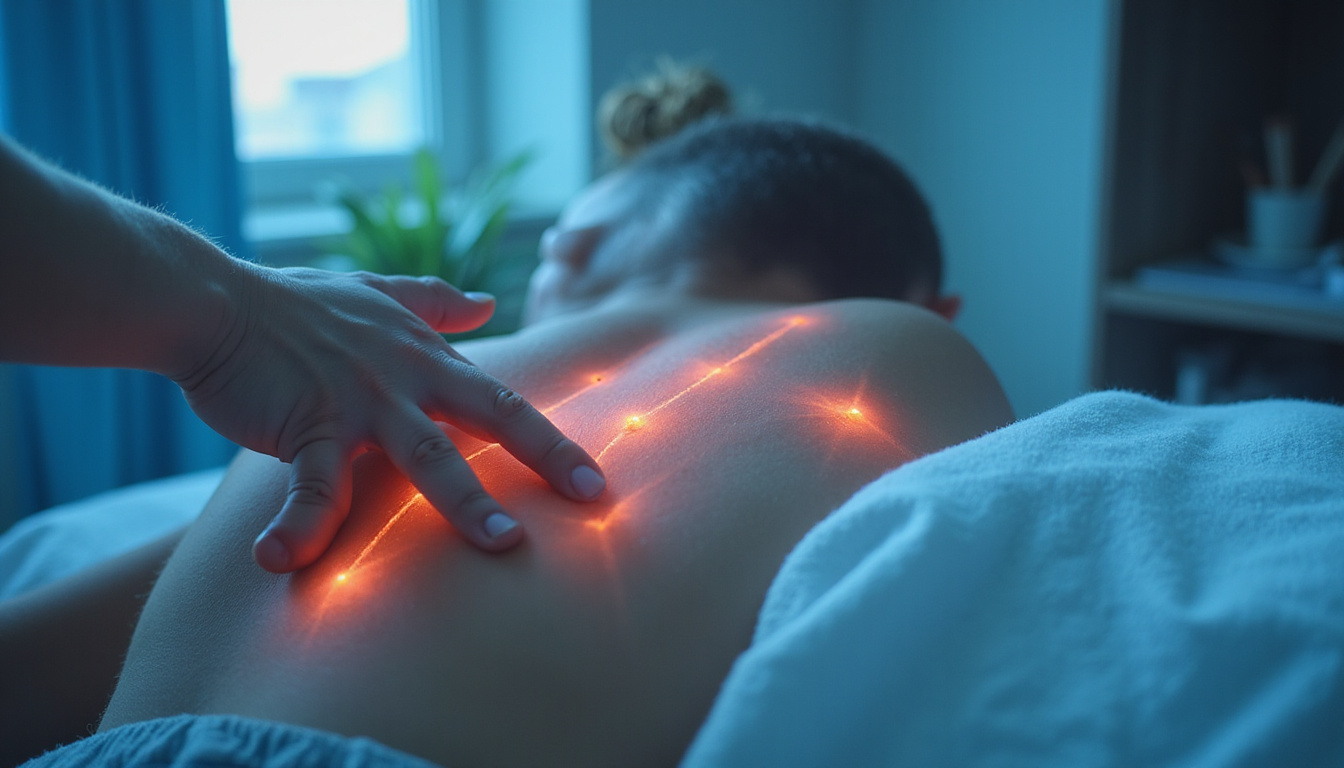
3. Combine manual therapy and smart exercise
One alone does not do enough:
-
Manual therapy only (massage, joint mobilization, dry needling, etc.)
- You feel looser, but the pain returns when you move the old way.
-
Exercise only
- You are told to strengthen, but stiff or irritated joints can cause a flare-up.
The best approach is to use hands-on treatment to calm and free the tissues, followed by tailored exercises that train your muscles to move correctly.
4. Respect your load, not just your form
Good form is important. However, many injuries come from doing too much too soon. This happens with:
- People who suddenly “chiong gym” after years off
- Weekend warriors who increase running mileage or HIIT classes too quickly
- Office workers who lift heavy only during moves or cleaning
A good physiotherapy plan will help you manage your training load:
- It may include a structured plan to return to running or gym work
- It advises stepwise progress instead of sudden jumps
- It gives you red flags so you know when to take a break before another flare-up
Who benefits most from our style of physiotherapy in Singapore?
We see strong, lasting results with people who:
- Have recurring joint or muscle issues (for example, “My back goes off every 6–12 months”)
- Feel that their body holds them back at work, in sport, or in family life
- Are ready to put in effort with home exercises and lifestyle tweaks
- Want to understand their condition and not just be a passive patient
Problems we help with include:
- Neck stiffness, tension headaches, and “tech neck”
- Slipped disc, sciatica, and chronic low back pain
- Shoulder impingement, frozen shoulder, and rotator cuff issues
- Knee pain from running, hiking, football, or netball
- Hip and groin pain, and gluteal tendinopathy
- Ankle sprains, plantar fasciitis, and Achilles tendinopathy
Patients often say that they finally have a plan instead of just chasing flare-ups.
What to expect at The Pain Relief Practice
A typical journey with us usually includes:
-
Thorough assessment
- A detailed history: when the pain started and what makes it better or worse
- Analysis of movement and posture
- Testing of joints, muscles, and nerves
-
Clear explanation in plain language
You will learn:- What is really happening with your pain
- Which structures are involved
- Why previous treatments may not have worked
-
Customized treatment plan
This plan may include:- Hands-on manual therapy
- Targeted strengthening and mobility exercises
- Posture and ergonomic advice (especially for desk work)
- Movement retraining that is specific to your sport or job
-
Progress tracking
We check:- Pain levels and any flare-up patterns
- Range of motion and strength
- What you can now do (for example, walk longer, lift heavier, or sit without pain)
Simple self-check: is it time to see a physiotherapist?
Think about booking a session if:
- Your pain has lasted more than 2–3 weeks despite rest
- You have recurring pain in the same area at least twice a year
- You feel weak, unstable, or not confident in a joint
- You have changed your lifestyle a lot (such as avoiding stairs, sports, or long walks)
- You rely on painkillers, patches, or occasional massages just to get through the week
Practical tips to protect your joints in Singapore’s work & lifestyle
Try these joint-friendly habits now:
-
For office workers
- Every 45–60 minutes, stand up, walk to get water, or do gentle shoulder rolls
- Keep your screen at eye level; avoid long periods of looking down at your phone
- Sit firmly with your feet flat, and keep your hips slightly higher than your knees
-
For gym-goers
- Add pulling or rowing and hip hinging (such as deadlift variations) to balance pushing exercises
- Warm up with controlled movements and not just static stretches
- Increase volume and intensity gradually, especially if you are 35+ or returning from a break
-
For runners
- Increase your weekly mileage by no more than 10–15%
- Rotate your running shoes and avoid always using the same route or surface
- Strengthen your calves, glutes, and core twice a week to lower impact stress
These habits support your joints. They do not replace proper physiotherapy if your pain continues.
FAQ: physiotherapy Singapore – common questions
-
How do I choose the best physiotherapy clinic in Singapore for my joint pain?
Look for clinics that focus on musculoskeletal and sports issues. Choose one with experienced therapists who spend time assessing you instead of rushing the session. Check that the center is well established (like since 2007), has good patient reviews, and explains your condition clearly with a structured plan. Clinics such as The Pain Relief Practice treat celebrities and national athletes and are used to handling complex cases and performance goals. -
Is physiotherapy in Singapore suitable if my MRI shows degeneration or “wear and tear”?
Yes. Many MRI findings like disc degeneration or mild meniscus wear are common with age. They often do not fully explain your pain (source: American Academy of Orthopaedic Surgeons). Physiotherapy works on making your joints move better, helping your muscles support them, and teaching you to load your body correctly. Even if you have degeneration, many people can reduce pain and go back to an active lifestyle with the right program. -
How many physiotherapy sessions will I need before I feel better?
This varies with how long you have had the issue, its severity, and your overall health. Many patients notice some improvement within 3–5 sessions, especially when they follow their home exercise program. Chronic or long-standing problems may take longer but usually show good progress with consistent treatment and load management. At The Pain Relief Practice, your therapist will discuss expected timelines with you after a detailed assessment.
If you are in Singapore and your joints or muscles are always “acting up,” you do not have to just tahan and hope the pain goes away. The right physiotherapy Singapore approach can help you gain faster pain relief, move with confidence, and return to the active, enjoyable life you want.
You can find The Pain Relief Practice’s location, reviews and contact details here:
https://share.google/UwMU2I9zUCwXVh0Lg
We are a specialized physio treatment center for savvy people who want real results.
While we are not suitable for someone looking for ‘cheap physiotherapy’ or ‘free exercises available on youtube’, our treatments are affordable and are often claimable with company flexi-benefits, company health insurance, travel insurance, personal accident insurance, and other insurance plans.
Simply whatsapp or call: +65 97821601 and let us know how to help.
If you prefer a convenient nutritional preventive option, Regenerix Gold is our top recommended joint supplement.
We have been recommending this joint supplement for over a decade.
Simply start with 3 capsules, once a day.
If you do not feel better within a week, increase to 2 capsules, twice a day. (4 capsules a day in total)
Our blog readers qualify for a special discount.
Simply use the link below and a discount will automatically be applied during checkout.

 PROVIDING FAST, EASY & INSURANCE CLAIMABLE PAIN RECOVERY SINCE 2007