
If you live in Singapore and a doctor tells you that you need surgery on your knee, shoulder, hip, back, or another joint, you have likely heard the word prehabilitation. Some people feel stiff, jammed up, or in pain. Training before an operation may sound odd. Prehab now gives you a smoother recovery, better mobility, and a faster return to normal life after surgery.
Below you will learn what prehabilitation is. You will see why it matters when your joints hurt. You will find out how a good plan can boost your surgical outcome.
What Is Prehabilitation (Prehab), Really?
Prehabilitation is a set plan. You work on targeted exercises, manual therapy, and lifestyle changes before your operation. It is a “training camp” for your joints and muscles.
• You strengthen weak muscles that hurt.
• You improve joint motion so you do not go into surgery with stiffness.
• You fix how you move to reduce flare-ups.
• You get your heart and lungs ready to support your post-op rehab.
Some people in Singapore say:
• “My knee feels tight after I sit for a long time.”
• “My shoulder catches when I reach up.”
• “My lower back is stiff every morning.”
Prehabilitation helps you avoid poor conditions before surgery and stops you from coming out weaker or stiffer.
Why Prehabilitation Matters So Much If Your Joints Already Hurt
If your joints have hurt for a long time, you might:
• Walk with a limp or favor one side.
• Avoid stairs or rough ground because of pain.
• Struggle to bend your knee, squat, or kneel.
• Lose trust in simple moves like standing up on the floor.
Going into surgery with weak muscles and little movement is like starting a race tired. Studies show that people who do prehabilitation:
• Recover faster.
• Use less pain medicine.
• Get better function than those who do not prehab (source: PubMed).
Simply put, the stronger and more agile you are before the procedure, the better you bounce back after surgery.
Key Goals of a Proper Prehabilitation Plan
A good prehab plan is not random. It does not come from a YouTube video. It is personal and follows clinical advice.
Goals include:
-
Reduce Pain & Inflammation
- Calm “angry” joints with manual therapy and gentle stretches
- Help overworked muscles relax from guarding
-
Restore Range of Motion (ROM)
- Let your knee bend and straighten well before a replacement
- Help your shoulder move smoothly before a cuff repair
- Ease tight lower backs and hips
-
Strengthen Key Muscle Groups
- Work quadriceps, hamstrings, and glutes for knee and hip surgery
- Train the rotator cuff and scapular muscles for shoulder procedures
- Build core muscles for spinal operations
-
Correct Movement Patterns
- Fix how you squat, climb stairs, or stand up
- Retrain your walk if you have limped for a long time
-
Build General Conditioning
- Do light cardio and functional exercises to boost stamina
- Good conditioning helps you face post-op rehab with strength
How Prehabilitation Fits into Your Surgical Journey in Singapore
In Singapore, many orthopaedic surgeons now recommend prehabilitation for:
• Total knee replacement
• Total hip replacement
• ACL reconstruction
• Meniscus repair
• Rotator cuff surgery
• Spinal decompression or fusion
A typical plan looks like this:
-
Diagnosis & Surgical Decision
Your specialist confirms that you need surgery. This is a good time to start prehab – not just one week before your op. -
Initial Prehab Assessment at The Pain Relief Practice
You will be checked for:
• Pain and moves that hurt
• How far you can move your joint
• Strength and control of key muscles
• Walk and basic tasks (stairs, sitting, standing) -
Tailored Prehabilitation Plan (4–8 weeks usually)
You follow a customised plan that fits your life in Singapore – work, family, and more. -
Pre-Op Review
You check your motion, strength, and function to get you in the best shape before surgery. -
Seamless Transition to Post-Op Rehab
Since we know your body and moves well, your rehab after surgery becomes more precise and safe.
What a Prehabilitation Session at The Pain Relief Practice Looks Like
At The Pain Relief Practice, one of Singapore’s known physiotherapy and pain centres (helping patients since 2007), prehab is personal. A session may include:
• Hands-on manual therapy to free tight joints and quiet muscle guarding
• Targeted strengthening using bands, machines, body weight, and safe exercises
• Mobility drills for the joint ready for surgery
• Neuromuscular re-education that retrains your brain and muscles to work as a unit
• Home exercise programs that show you what to do between visits
• Education & planning: learn how to move, use supports, and handle daily tasks post-surgery
Many patients say prehab gives them:
• Confidence going into surgery
• A feeling of control instead of helplessness
• A clear plan for recovery, not guesswork
“I Don’t Want to Make It Worse” – Common Fears About Prehab
If your joints feel weak, you may worry:
• “Will exercise damage my knee more?”
• “My shoulder clicks; what if it gets worse?”
• “My back locks easily; a wrong move may hurt me again.”
This is why clinical guidance is so key.
At The Pain Relief Practice:
• Exercises are adjusted to your pain and joint condition.
• Moves start easy and get tougher only when you are ready.
• We treat pain as a guide – not something to ignore.
• We show you which moves are safe and which ones to avoid.
With the right help, prehabilitation does not harm your joint. It gives support to stressed areas and builds a strong base for your surgery and long-term movement.
Real Results
Celebrities & National Athletes
At The Pain Relief Practice, we have treated celebrities and Singapore national athletes. They trust us to help them perform at their best. The same ideas that bring elite athletes back on track also work for everyday people. Many people just want to walk without pain, climb stairs without worry, and hold their grandchildren with comfort.
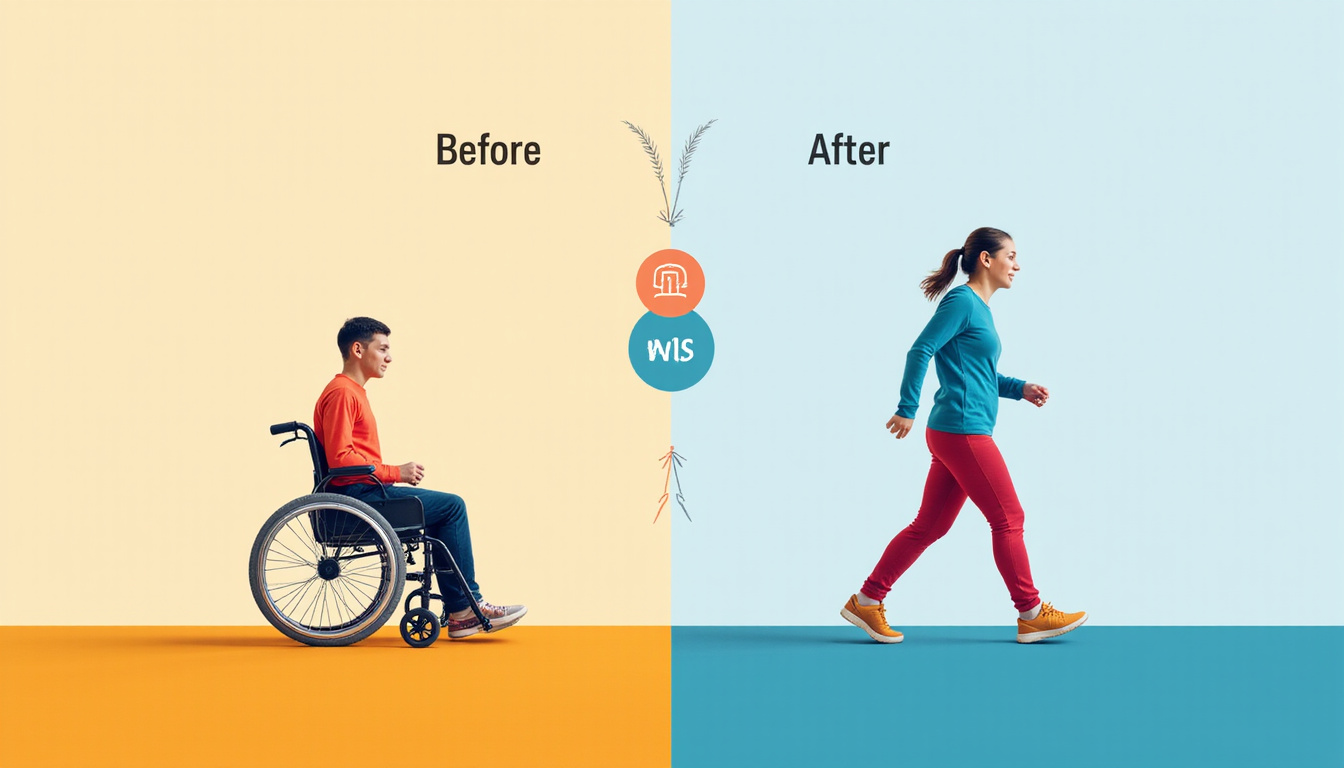
7 Key Components of an Effective Prehabilitation Programme
Use this checklist to see if your prehab plan is complete:
-
Joint-Specific Mobility Work
- Gentle bend and straighten moves
- Small stretches and soft tissue release for stiff muscles
-
Strength Training for Supporting Muscles
- Leg presses, step-ups, bridging for knees and hips
- Rows, rotations, and scapular moves for shoulders
- Core exercises for back strength
-
Balance & Proprioception Training
- Single-leg stands and weight shifts
- Helps if you feel “wobbly” or unstable
-
Functional Training
- Sit-to-stand, step-ups, or stair climbs
- Practice moves you need after surgery
-
Cardiovascular Conditioning
- Low-impact work like cycling, pool exercise, or treadmill walking when needed
-
Education on Post-Operative Care
- Learn care tips for the surgical area
- Use walking aids, braces, or supports
- Safe ways to sit and sleep
-
Pain Management Strategies
- Use ice, heat, or supports when needed
- Learn breathing and pacing to ease flare-ups
Why Choose The Pain Relief Practice for Prehabilitation in Singapore?
There are many physiotherapy clinics in Singapore. The Pain Relief Practice focuses on those who want more than just “a bit less pain.” They want to fix pain, restore joint health, and enjoy life fully again.
Reasons patients choose us:
• Established since 2007 – We have over a decade of experience with joint and muscle conditions.
• Focused on pain and performance – We help everyone from office workers with stiff joints to celebrities and athletes with high demands.
• Integrated approach – We use hands-on therapy, clear exercise plans, and performance-based rehab.
• People-first, results-focused care – We work with your life: your job, your family, your time.
Our goal with prehabilitation is not just to help you survive surgery. We want you to come out stronger, with better function and more confidence than ever.
FAQ: Prehabilitation in Singapore
1. Is prehabilitation really necessary before joint surgery?
Prehabilitation is not forced but is strongly advised if you have long-term joint pain, stiffness, or weakness. Many surgeons in Singapore now refer patients for prehabilitation. It improves surgical results, speeds recovery, and cuts down on complications after surgery.
2. How long before surgery should I start a prehabilitation programme?
It is best to start prehabilitation 4–8 weeks before your surgery. Even 2–3 weeks of focused prehab is good. The sooner you begin, the more time you have to build strength, regain movement, and learn safe moves that last after surgery.
3. Can prehabilitation help me avoid surgery altogether?
Sometimes a good prehabilitation and physiotherapy plan may reduce pain enough to delay or rethink surgery. However, if your joint has severe damage, prehabilitation still helps you face surgery in the best shape and recovers faster after the procedure.
If you are in Singapore and you live with grinding, catching, or constant joint pain and you face an operation, do not wait until after surgery. A clear prehabilitation plan at The Pain Relief Practice can boost your recovery and long-term movement.
You can find our clinic details and reviews here:
https://share.google/UwMU2I9zUCwXVh0Lg
Take the first step today. When surgery comes, your body will be ready—and your recovery will have already begun.
We are a specialized physio treatment center for savvy people who want real results.
While we are not suitable for someone looking for ‘cheap physiotherapy’ or ‘free exercises available on youtube’, our treatments are affordable and are often claimable with company flexi-benefits, company health insurance, travel insurance, personal accident insurance, and other insurance plans.
Simply whatsapp or call: +65 97821601 and let us know how to help.
If you prefer a convenient nutritional preventive option, Regenerix Gold is our top recommended joint supplement.
We have been recommending this joint supplement for over a decade.
Simply start with 3 capsules, once a day.
If you do not feel better within a week, increase to 2 capsules, twice a day. (4 capsules a day in total)
Our blog readers qualify for a special discount.
Simply use the link below and a discount will automatically be applied during checkout.

 PROVIDING FAST, EASY & INSURANCE CLAIMABLE PAIN RECOVERY SINCE 2007