
If your knees crack when you squat, your shoulders feel stuck when you lift them, or your lower back flares after a long day at the desk, something is wrong with your movement patterns. This sign leads you to try functional movement screening. It helps many in Singapore who grow tired of chasing symptoms and rolling out the pain without lasting relief.
Functional movement screening does more than treat painful spots. It finds weak links, compensations, and stiff joints that hurt your strength, mobility, and long-term joint health.
What Is Functional Movement Screening, Really?
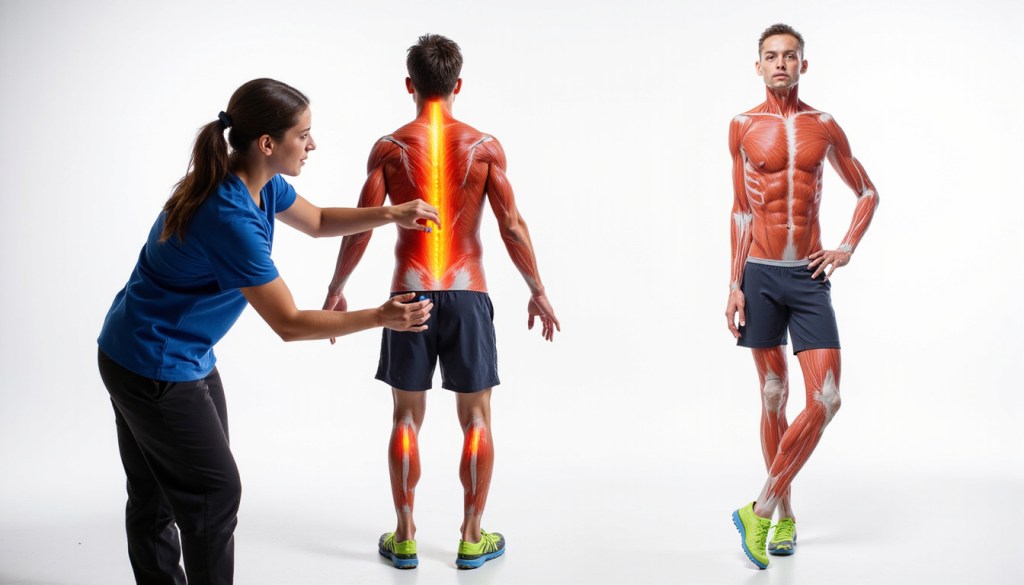
FMS is a clear way to check how your body moves in everyday life or sport. It tests movements such as:
- Squatting
- Lunging
- Stepping
- Reaching overhead
- Twisting and rotating
It does not only test isolated muscle strength. Instead, it checks how your joints, muscles, and nervous system work together. If you feel jammed hips, stiff necks, or unstable knees, FMS can answer the key question:
“Why do my joints flare up even after stretching, foam rolling, or standard physio?”
By combining specific movement tests and clinical reasoning, our physiotherapists see:
- Which joints lock or are too stiff
- Which areas are weak or under-activated
- Where your body works harder to compensate
This assessment is very useful if you have recurring:
- Knee pain from running or using stairs
- Shoulder pinching during overhead work or gym sessions
- Lower back catches when you bend or lift
- Neck and upper back tightness from sitting at a computer
Why Pain Keeps Coming Back: Hidden Movement Faults
Many in Singapore live busy, desk-bound lives yet want to remain active. They jog at East Coast, lift at the gym, practice yoga, or play badminton, tennis, or golf. But if your basic movement is off, every rep and game reinforces a bad pattern.
Common issues we see during functional movement screening include:
-
Quad-dominant squats
Your knees may collapse inward. Your hips do not hinge well. Your glutes stay inactive. Over time, this stresses your knees, patellar tendons, and lower back. -
Stiff ankles, overloaded knees
Limited ankle bending forces your knees to work too hard during squats, running, or going downstairs. This can cause aching or sharp pain around the kneecap. -
Tight hip flexors with weak glutes
Desk work often causes locked hips and tight hamstrings. Your back may feel sore after long periods of standing or walking. -
Rounded upper back and forward head
This pattern can lead to shoulder impingement, neck tightness, tension headaches, and in worse cases, numb arms. -
Poor core control
It is not about six-pack abs. It is about stability. Without a strong core, your lower back, hips, and knees absorb too much shock.
These problems do not always show in an X-ray or MRI. They show up immediately when we watch you move.
How Functional Movement Screening Works at The Pain Relief Practice
At The Pain Relief Practice, we use functional movement screening in a clear, evidence-based way to treat joint and muscle pain instead of only managing it.
A typical session has these steps:
-
Detailed History & Discussion
We listen to you.- When your pain started
- What makes it flare (climbing stairs, squatting, long walking, carrying kids, overhead lifting, etc.)
- Past injuries, sprains, or surgeries
- Your training or activity routine
-
Posture and Static Assessment
We check alignment.
We note pelvic tilt, shoulder height differences, arch collapse, knee rotation, and spinal curves. These are things you may feel as one side tighter than the other. -
Functional Movement Tests
We tailor tests to your pain and goals. They may include:- Deep squat
- Single-leg squat or step-down
- Lunge and split squat
- Overhead reach and shoulder mobility
- Hip hinge and deadlift pattern
- Single-leg balance and stability
- Rotational movements (for golf, racket sports, etc.)
-
Targeted Joint and Muscle Testing
We check mobility, strength, control, and pain in key joints like the hip, knee, ankle, shoulder, neck, and spine. -
Clear Explanation of Your Weak Links
You see exactly which areas are:- Too stiff or restricted
- Too weak or unstable
- Overworking to compensate
-
Personalised Treatment & Corrective Plan
We combine hands-on therapy, targeted exercises, and load management. This plan addresses the root cause rather than only chasing the pain.
What Functional Movement Screening Can Reveal About Your Body
Good functional movement screening helps you connect how you move with why you hurt.
Common findings for people in Singapore
-
Knee pain with stairs or squats
Often linked to:- Weak glutes and hip stabilisers
- Poor ankle mobility
- Knees collapsing inward (valgus)
- Over-reliance on quads instead of hips
-
Hip or groin pinching with deep flexion
May come from:- Tight hip flexors and adductors
- Limited hip joint rotation
- Poor pelvic control
-
Shoulder impingement with overhead work or gym
Frequently due to:- Stiff mid-back (thoracic spine)
- Poor shoulder blade (scapular) control
- Overactive upper traps with underactive rotator cuffs
-
Lower back ache after standing or walking
Can be driven by:- Weak core and glute muscles
- Overarching of the lower back
- Tight hip flexors from long sitting hours
When you watch your movement on video or in the mirror, you see the pattern. Your pain is not random. It is a clear signal from your body.

“Real Results”: See How We Help Patients Move Better
Real Results
Why Savvy Patients Choose The Pain Relief Practice in Singapore
The Pain Relief Practice is one of the more established physiotherapy clinics in Singapore. Since 2007, we have helped people protect and rebuild their joints.
We are known for:
-
Specialised pain treatment focus – We do not use generic “stretch and strengthen” routines. We use clinical reasoning, functional movement screening, and targeted steps to fix underlying biomechanical faults.
-
Track record with high performers – We have helped celebrities and national athletes get back to top condition safely and quickly.
-
Patient-centred approach – Whether you are a recreational runner, office warrior, gym-goer, or competitive athlete, your goals guide us.
- We help you get rid of daily aches
- We build resilient joints and muscles
- We boost performance and life enjoyment
Celebrities & National Athletes
How Functional Movement Screening Protects Your Joints Long-Term
Many of our Singapore patients do not seek a one-week pain-free fix. They want to:
- Run, lift, or play without guarding their joints
- Stop the worry that a knee, shoulder, or back issue will return
- Stay active as they age without extra wear and tear
Functional movement screening achieves this by:
-
Catching issues before they become serious pain
For example, noticing knee valgus and poor hip control before it turns into chronic patellofemoral pain or meniscus injury. -
Guiding your training or rehab program
You do not copy random Instagram workouts. Instead, you follow targeted correctives made for your body. -
Balancing mobility and stability
Some patients stretch aggressively but never build stability; others strengthen heavily but stay stiff. FMS helps you find the right balance for long-term gains. -
Optimising movement efficiency
You reduce wasted motion and transfer force better. Smoother coordination leads to better performance and less joint stress.
There is growing scientific support for movement-based risk assessment in sports and active populations (source: British Journal of Sports Medicine).
What to Expect After Your Functional Movement Screening
After your assessment at The Pain Relief Practice, we design a phased plan:
-
Phase 1: Calm Things Down & Restore Key Mobility
- Hands-on therapy (manual treatment, joint mobilisations, soft tissue work)
- Gentle exercises to open stiff joints and relax overactive muscles
- Pain reduction strategies so your body stops guarding
-
Phase 2: Build Control & Stability
- Core, hip, and shoulder stabilisation drills
- Single-leg work to fix asymmetries
- Re-training movement patterns like squat, hinge, lunge, push, and pull
-
Phase 3: Load & Performance
- Gradual increase in load or dynamic movement as you improve
- Sport or activity-specific drills (running gait, lifting technique, change of direction, etc.)
- Return-to-sport steps or performance optimisation
Throughout your treatment, we check key movements so you can see and feel your progress. You may squat deeper without pain, reach overhead more smoothly, or hold a balanced single-leg stance.
Who Should Consider Functional Movement Screening in Singapore?
Functional movement screening helps if you:
- Have recurring joint pain (knee, hip, shoulder, ankle, back, neck) that returns
- Feel tight everywhere even with regular stretching or massage
- Notice one side is always weaker, tighter, or less stable
- Are returning to exercise after an injury or long break
- Are increasing your training load (for example, more mileage, heavier lifting, or a new sport)
- Want to protect your joints and avoid long-term degeneration
It is not only for athletes. Many patients are:
- Office workers with neck, back, or shoulder issues
- Parents who do plenty of bending and lifting
- Active retirees who want to walk, travel, and stay strong
- Weekend warriors who run, hike, cycle, lift, or play sports
Practical Example: Knee Pain Climbing Stairs
Consider a common complaint in Singapore: persistent knee pain when you use stairs or squat.
During your screening, we may find:
- Stiff ankles that limit knee movement
- Weak hip muscles that do not stabilize well
- Knees that collapse during a step-down test
- Over-reliance on quads while glutes stay underused
- Poor single-leg balance
Your plan may include:
- Ankle mobility drills
- Strengthening the glutes and hip stabilisers
- Training proper step-down technique
- Re-training your squat pattern with proper alignment
- Gradual loading so your knee adapts safely
Instead of being told to “just rest” or “don’t squat”, you get a clear plan for stronger, happier knees.
Visit The Pain Relief Practice
If you wish to see if functional movement screening can help your pain, stiffness, or performance goals, visit us via our Google profile:
https://share.google/UwMU2I9zUCwXVh0Lg
Since 2007, we have helped patients in Singapore fix stubborn joint and muscle issues by combining expertise, technology, and a results-focused mindset.
FAQ About Functional Movement Screening in Singapore
1. Is functional movement screening only for athletes?
No. Many athletes use it to enhance performance and prevent injury. It is equally valuable for office workers, active parents, and retirees who want to move without constant aches or flare-ups.
2. How does a functional movement assessment differ from normal physiotherapy?
A standard physiotherapy assessment may focus mainly on the painful area, like just the knee. A functional movement assessment checks the whole chain — the hips, ankles, core, posture, and patterns like squatting, lunging, and stepping — to find the root cause of the pain.
3. Can functional movement screening help prevent future injuries?
Yes. It spots mobility restrictions, weaknesses, and compensations early. With targeted corrective exercises and proper load management, you can reduce your risk of recurring joint pain and overuse injuries, especially if you are active or increasing your training.
If you are tired of temporary fixes and want a clear, smart way to regain your strength and mobility, a proper functional movement screening at The Pain Relief Practice can be your first step toward lasting, confident movement.
We are a specialized physio treatment center for savvy people who want real results.
While we are not suitable for someone looking for ‘cheap physiotherapy’ or ‘free exercises available on youtube’, our treatments are affordable and are often claimable with company flexi-benefits, company health insurance, travel insurance, personal accident insurance, and other insurance plans.
Simply whatsapp or call: +65 97821601 and let us know how to help.
If you prefer a convenient nutritional preventive option, Regenerix Gold is our top recommended joint supplement.
We have been recommending this joint supplement for over a decade.
Simply start with 3 capsules, once a day.
If you do not feel better within a week, increase to 2 capsules, twice a day. (4 capsules a day in total)
Our blog readers qualify for a special discount.
Simply use the link below and a discount will automatically be applied during checkout.
 PROVIDING FAST, EASY & INSURANCE CLAIMABLE PAIN RECOVERY SINCE 2007