
If you have stubborn pain, frequent sprains, or a “weak and wobbly” joint feel, isokinetic testing may be what you need. In Singapore, active adults, weekend warriors, and office workers suffer chronic neck, back, knee, or shoulder pain. Hidden muscle imbalances hide from scans, X‑rays, and MRIs. Isokinetic testing measures these imbalances. It may speed up your recovery and help prevent flare‑ups.
Why your pain keeps coming back despite “normal” scans
If you have heard:
- “Your MRI looks fine.”
- “X‑ray is normal.”
- “Just rest and see how it goes.”
and you still feel:
- Knees that buckle on stairs
- Shoulders that “catch” overhead
- Back muscles that ache and tighten after standing
- Ankles that feel unstable after many sprains
the real problem may be a muscle imbalance. Not just the joint, but the muscles.
People in Singapore often say:
- One side always feels weaker when climbing stairs or squatting.
- You avoid movements because they feel “unsafe.”
- After a ligament or meniscus injury, the joint feels never fully stable.
- You keep “compensating” with one leg or arm.
These signs show that your muscles fire unevenly, lack strength at key angles, or do not work in balance. Isokinetic testing measures these imbalances in a clear, objective way.
What exactly is isokinetic testing?
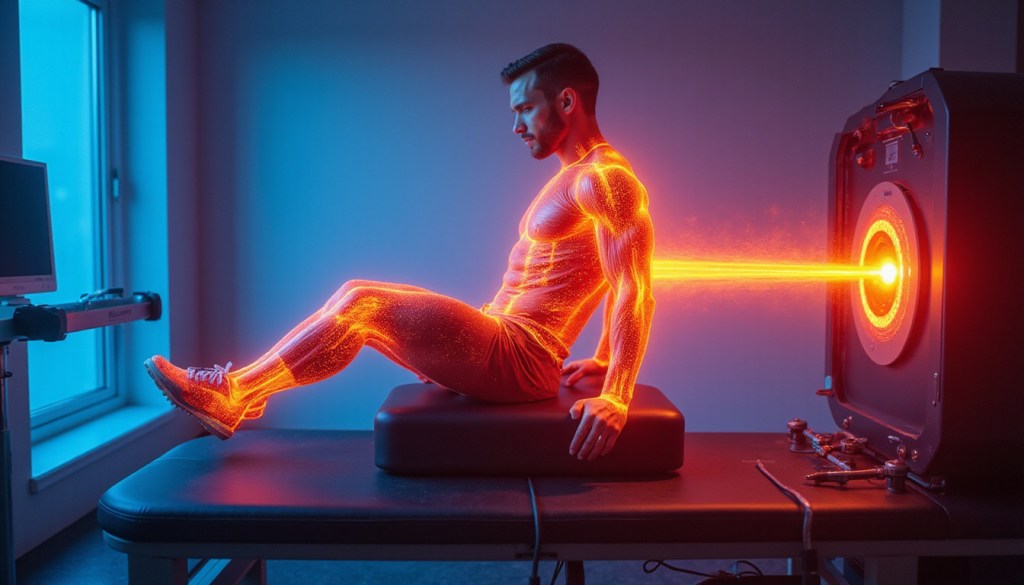
Isokinetic testing uses a special machine called an isokinetic dynamometer. It measures muscle force during movement at a set speed. Gym machines and manual tests let speed and resistance vary. The isokinetic machine changes resistance instantly so that you push or pull at the same pace throughout the motion.
In short:
- The machine matches your effort at every angle.
- It records detailed data on muscle strength, power, and endurance.
- It compares your injured side against your healthy side.
- It checks if the agonist and antagonist muscles (for example, quads vs hamstrings) are balanced.
This is important for people with joint issues because:
- Pain appears only at certain angles (for example, the last 30° of knee extension).
- Weakness is very specific (for example, hamstrings weak at high speed may hurt when you sprint).
- A “giving way” joint may come from poor dynamic muscle control, not just torn ligaments.
X‑rays and MRIs show structure. Isokinetic testing shows function – it shows how well your muscles support your joints.
How isokinetic testing reveals hidden muscle imbalances
In isokinetic testing, your results appear in graphs. They are compared to:
- Your healthy side.
- Evidence‑based strength ratios for good joints.
- Norms for your age, gender, and activity level.
The test may uncover:
-
Side‑to‑side strength asymmetry
For instance, your left quads may produce 30–40% less torque than your right. This difference can make your “bad knee” feel shaky on landing or change of direction. -
Poor hamstring‑to‑quadriceps ratio
Some with ACL injuries, patellofemoral pain, or repeated knee strain have too strong quads compared to their hamstrings. This imbalance stresses ligaments and cartilage. -
Weakness at specific joint angles
You might feel fine in mid‑range but very weak near full extension or flexion. That is often where pain or “locking” happens. -
Low muscular endurance
Your strength may hold for a few reps and then drop quickly. This drop can trigger pain after long walks, standing, or running. -
Speed‑specific weakness
Some test well at slow speeds but not at faster speeds that mimic sport. This explains why you may jog but not sprint, or lift slowly but not move fast.
By showing where and how your muscles underperform, isokinetic testing helps your physiotherapist design targeted treatment. You then move beyond “rest and hope for the best.”
Why isokinetic testing speeds up injury recovery
When pain lasts weeks or months, you need clear answers. Isokinetic testing gives a clear roadmap. It:
-
Pinpoints weak links
You no longer get vague advice like “strengthen your legs.” You learn exactly which muscles, which angles, and which speeds need work. -
Provides measurable milestones
You see objective numbers for torque, power, and endurance. This approach avoids under‑training and over‑pushing. -
Guides safe return to sport or work
Gym‑goers, athletes, and competitors in Singapore get clearance based on isokinetic criteria (for example, less than 10–15% difference between sides) which is safer than “I think it feels okay.” -
Reduces risk of re‑injury
Studies support that isokinetic testing lowers re‑injury risk, especially after ACL or other knee injuries. (Source: NCBI). -
Customises your rehab intensity
Your program fits your capacity rather than a one‑size‑fits‑all plan from the internet.
For those in Singapore with long‑standing aches who have “tried everything,” this detail can finally break the cycle of pain, flare‑up, rest, repeat.
Who in Singapore should consider isokinetic testing?
Consider isokinetic testing if:
- You have had knee injuries (ACL, meniscus, ligament sprains, patella tracking issues) and do not trust your knee fully.
- You suffer recurrent ankle sprains and your ankle always feels loose.
- You live with chronic shoulder pain that flares when you reach overhead, throw, or lift weights.
- You have had back or neck issues and feel your core or other muscles tire quickly, causing stiffness.
- You are a runner, cyclist, dancer, CrossFitter, or gym‑goer and feel one side works harder.
- You are a national athlete or serious competitor needing objective signs before full training.
- You have undergone surgery or long‑term rehab but feel stuck at 70–80% of your strength.
If any of these apply, an isokinetic test may provide the clarity and data you need.
What to expect during an isokinetic test at The Pain Relief Practice
At The Pain Relief Practice in Singapore, isokinetic testing comes with a full musculoskeletal check. We do not just collect data – we turn it into your treatment plan.
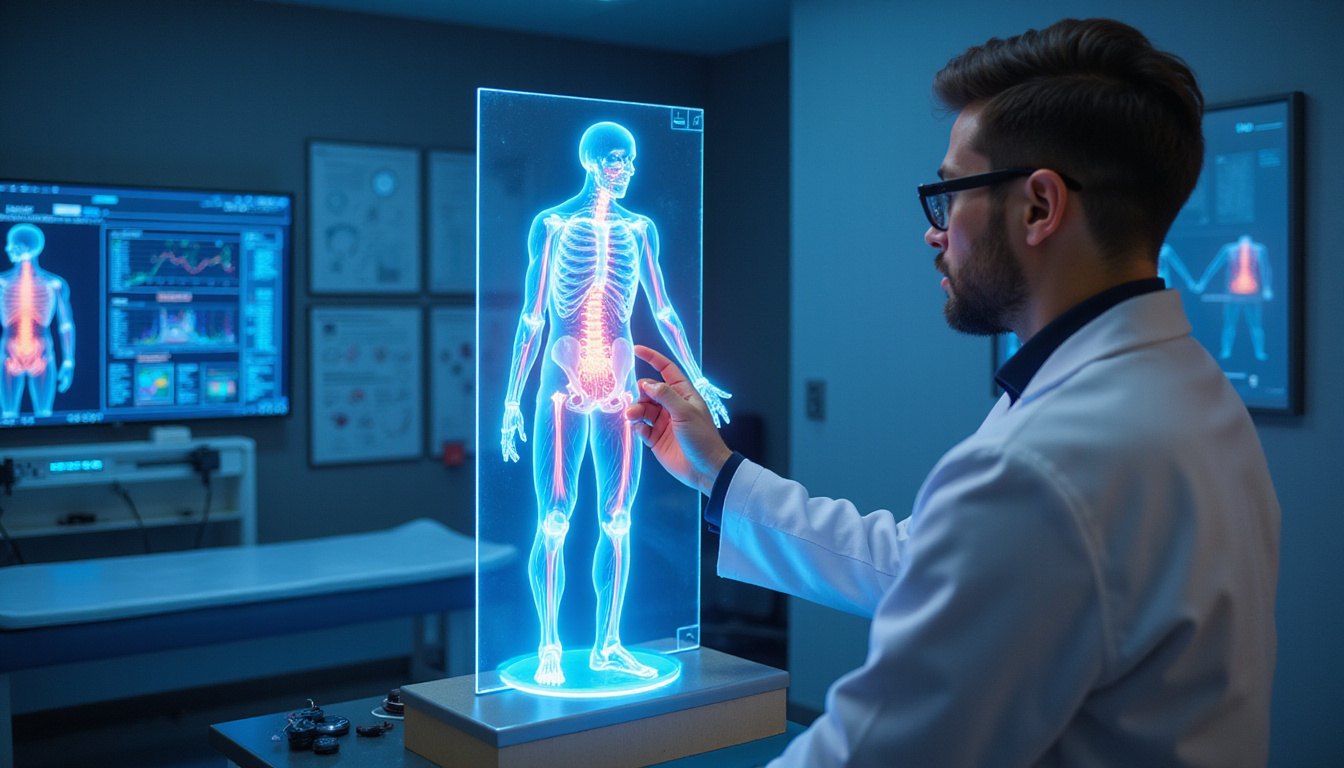
A typical session includes:
-
History and symptom review
We talk about your pain history, flare patterns, past injuries or surgeries, your sports, and daily limits (for example, pain when climbing HDB stairs, walking from MRT, or standing at work). -
Physical and functional tests
We check your posture, range of motion, movement control (for example, a single‑leg squat) and feel certain muscles and joints. -
Isokinetic testing setup
You sit comfortably in the machine. Straps and supports hold you steady so only the target joint moves. We test one joint at a time (for example, knee, shoulder, ankle). -
Warm‑up and familiarisation
You do a few lighter reps to get used to the movement and speed. -
Actual test sets
You give maximal effort at set speeds and ranges. The machine adjusts resistance instantly. It records every repetition. -
Detailed explanation of your report
We explain the graphs and numbers in plain language: where you are strong, where you are weak, and how these connect with your pain and instability. -
Rehab roadmap
Your results help us design a targeted, progressive program. We also plan follow‑up tests to track your improvement.
Real Results
Why choose The Pain Relief Practice for isokinetic testing in Singapore?
The Pain Relief Practice is a well‑established physiotherapy and pain centre in Singapore since 2007. Many patients come to us because they are:
- Tired of generic “rest and painkillers” advice.
- Looking for data‑driven, evidence‑based solutions.
- Seeking to regain healthy joints and muscles and resume activities they love.
- Serious about boosting performance rather than settling with “no pain at rest.”
Reasons our patients choose us:
-
Specialised in pain and performance
We focus on musculoskeletal pain, stubborn joint problems, and functional restoration. Isokinetic testing fits our method of measuring what matters. -
Experience with complex cases
We see patients with chronic knee pain to recurrent shoulder issues. Many have visited several clinics without full relief. -
Trusted by celebrities and national athletes
Our team has treated public figures and Team Singapore athletes. They need the highest level of assessment before returning to top performance. -
Integrated treatment approach
Isokinetic testing works with hands‑on therapy, targeted exercises, ergonomic advice, and sometimes sport‑specific conditioning. -
Clear communication and goal setting
We work with you to set realistic short‑ and long‑term goals – from “I want to climb stairs pain‑free” to “I need safe return to competition.”
Celebrities & National Athletes
How isokinetic testing supports different types of patients
For desk‑bound professionals
If you work long hours in a Singapore office, you may feel:
- Neck stiffness and tension headaches.
- Low back tightness after work.
- Knees or hips aching when you finally stand.
Isokinetic testing can show weak core, glute, or postural muscles. These weaknesses may cause you to overload your joints every day.
For active parents and weekend warriors
If you love badminton, running, cycling, gym classes, or weekend football but keep getting niggles and strains, the test will show if:
- One leg works harder than the other.
- Certain muscles tire too quickly.
- You lack power at sport‑specific speeds.
This way, you train smarter, not just harder.
For high‑performance and national‑level athletes
For top athletes, small imbalances matter. Isokinetic testing offers:
- Objective clearance criteria after injury.
- Clear targets for strength ratios and side‑to‑side differences.
- A way to show coaches and medical teams that you are ready.
Simple signs you might need isokinetic testing
You do not have to be a top athlete. Think about testing if:
- You feel, “this side always feels weaker.”
- Pain appears only with effort, but scans show nothing.
- You have rehabbed for months and still do not feel balanced.
- You fear returning to your previous level in case the injury returns.
If these sound like you, one isokinetic test might give you answers that years of guesswork could not.
Our Google Profile
You can learn more about The Pain Relief Practice, our location, and read patient reviews on our Google profile:
https://share.google/UwMU2I9zUCwXVh0Lg
FAQ about isokinetic testing in Singapore
1. Is isokinetic muscle testing painful?
Isokinetic muscle testing requires effort. It is not usually painful. You push to your maximum, and the machine matches your force. There are no sudden jerks. If you feel pain at certain ranges, we adjust the test to a safe arc.
2. How is isokinetic strength testing different from a normal physio assessment?
Isokinetic testing gives you objective, measurable data (torque, power, endurance) across the full motion and at different speeds. Manual tests and gym exercises are subjective and do not show where or when your muscles fail.
3. Who should not undergo isokinetic testing?
You should avoid isokinetic testing if you have acute fractures, recent surgery without clearance, severe uncontrolled pain, or certain heart conditions. At The Pain Relief Practice, our clinicians screen you carefully before testing.
If you are in Singapore and tired of vague answers and temporary fixes, consider isokinetic testing at The Pain Relief Practice. Uncover the true causes of joint instability and muscle weakness. Begin your journey toward long‑lasting, confident recovery.
We are a specialized physio treatment center for savvy people who want real results.
While we are not suitable for someone looking for ‘cheap physiotherapy’ or ‘free exercises available on youtube’, our treatments are affordable and are often claimable with company flexi-benefits, company health insurance, travel insurance, personal accident insurance, and other insurance plans.
Simply whatsapp or call: +65 97821601 and let us know how to help.
If you prefer a convenient nutritional preventive option, Regenerix Gold is our top recommended joint supplement.
We have been recommending this joint supplement for over a decade.
Simply start with 3 capsules, once a day.
If you do not feel better within a week, increase to 2 capsules, twice a day. (4 capsules a day in total)
Our blog readers qualify for a special discount.
Simply use the link below and a discount will automatically be applied during checkout.
 PROVIDING FAST, EASY & INSURANCE CLAIMABLE PAIN RECOVERY SINCE 2007