
Tennis elbow, or lateral epicondylitis, is a common condition that affects not only tennis players but also anyone engaging in repetitive arm or wrist activities. For residents in Singapore experiencing the telltale signs of this affliction—such as pain on the outer part of the elbow, weakness in grip strength, or swelling—effective tennis elbow rehab is crucial for a speedy recovery. In this ultimate guide to tennis elbow rehab in Singapore, we’ll explore the causes and symptoms of tennis elbow, delve into effective rehabilitation techniques, recommend top physiotherapy clinics, examine home remedies, and provide tips to prevent future injuries, ensuring that you can regain your quality of life.
Key Takeaways
- Tennis elbow is a common condition caused by overuse and leads to pain on the outer elbow.
- Effective rehab techniques include physiotherapy, stretching, and strength-building exercises.
- Several top-rated physiotherapy clinics in Singapore specialize in tennis elbow recovery.
- Home remedies like ice packs and specific exercises can significantly alleviate symptoms.
- Preventing future injuries involves proper technique, warm-ups, and strength training for athletes.
Understanding Tennis Elbow: Causes and Symptoms
Tennis elbow, or lateral epicondylitis, is a common condition that affects not just tennis players but anyone who performs repetitive wrist and arm motions. Here in Singapore, those experiencing musculoskeletal signs, symptoms, or discomfort might find themselves dealing with this painful condition. The primary culprits behind tennis elbow are overuse and strain on the muscles and tendons around the elbow. Symptoms often include pain and tenderness on the outer part of the elbow, difficulty in extending the arm, and increased discomfort when gripping objects or engaging in activities like shaking hands or lifting.
Understanding the causes and symptoms of tennis elbow is crucial for identifying effective treatment options. Factors such as poor ergonomics, insufficient conditioning, and inadequate warm-up routines can increase your risk of developing tennis elbow. Common symptoms range from mild to severe and can significantly impact everyday activities, making tennis elbow rehab in Singapore a vital aspect of recovery. If you’re feeling a repetitive, aching pain or notice that simple tasks become increasingly challenging, it might be time to consult a physical therapist for specialized treatment. Here at The Pain Relief Practice, recognized for our effective tennis elbow rehab Singapore solutions, we focus on restoring function and alleviating discomfort for patients of all backgrounds. Our expert care has resulted in countless successful outcomes for both everyday individuals and elite athletes alike.
Effective Rehabilitation Techniques for Tennis Elbow
### Effective Rehabilitation Techniques for Tennis Elbow
Tennis elbow, or lateral epicondylitis, is a common musculoskeletal ailment affecting many active individuals in Singapore. Those experiencing this inflammatory condition often encounter discomfort and pain around the elbow, which can significantly hinder daily activities and even sports performance. At The Pain Relief Practice, we provide specialized tennis elbow rehab in Singapore that focuses on rehabilitative techniques tailored to each patient’s unique needs.
To aid your recovery and prevent recurrence, consider incorporating the following effective rehabilitation techniques into your routine:
1. Gentle Stretching Exercises: Start your rehabilitation with soft stretches targeting the forearm muscles. These can improve flexibility and reduce tension around the elbow. Simple wrist flexor and extensor stretches can significantly help.
2. Strengthening Programs: Once flexibility is established, gradual strengthening is essential. Isometric exercises, followed by resistance training utilizing bands or weights, can reinforce the muscles attached to the elbow joint. Stronger muscles are better equipped to support the elbow and provide stability.
3. Utilizing Cold Therapy: Applying ice to the elbow can alleviate pain and inflammation, particularly after exercising. Cold packs or a bag of frozen peas can be wrapped in a cloth and applied for 15-20 minutes multiple times a day.
4. Ergonomic Adjustments: Evaluate your work environment or sports equipment. Sometimes the cause of tennis elbow can come from poor ergonomics, so ensuring your workspace and equipment are set up to reduce joint strain is crucial.
5. Manual Therapy: Seek a skilled physiotherapist who can offer manual therapy techniques such as deep tissue massage, joint mobilization, and myofascial release. These treatments can effectively support recovery and enhance overall joint function.
6. Gradual Return to Activity: It’s essential to ease back into your normal activities. Sudden or forceful movements might exacerbate the condition, so start slow and incrementally build up intensity in your activities or sports.
At The Pain Relief Practice, our physiotherapists specialize in designing a comprehensive therapeutic program for tennis elbow cases. Having served our community since 2007, we have a proven track record of helping not just everyday individuals but also treating renowned celebrities & national athletes in Singapore. Through our personalized approach and expertise in pain management, we ensure that our patients recover efficiently while regaining strength and mobility.
Here’s our video on ‘Real Results’ with some success stories from our patients, which illustrates the positive impact of our techniques:
Moreover, our esteemed clinic prioritizes a holistic recovery approach, integrating rehabilitation and education to promote long-term wellness. If you are suffering from tennis elbow, don’t wait! Contact us today to learn more or book an appointment.
‘The greatest glory in living lies not in never falling, but in rising every time we fall.’ – Nelson Mandela
Top Physiotherapy Clinics for Tennis Elbow Rehab in Singapore
## Top Physiotherapy Clinics for Tennis Elbow Rehab in Singapore
Tennis elbow, medically known as lateral epicondylitis, is a common condition that causes pain and discomfort around the outside of the elbow. For those in Singapore experiencing musculoskeletal signs related to this issue, finding the right tennis elbow rehab in Singapore is essential. Effective rehabilitation can help alleviate pain, restore function, and prevent further injuries. Here are some of the top physiotherapy clinics specializing in tennis elbow rehabilitation in Singapore.
###
1. The Pain Relief Practice
With a strong reputation for treating musculoskeletal conditions, The Pain Relief Practice stands out as one of the more established physiotherapy clinics in Singapore, having successfully helped patients since
2007. This clinic specializes in pain treatment and provides tailored rehabilitation programs for tennis elbow, utilizing advanced techniques and expert knowledge from seasoned practitioners. The clinic has also treated celebrities and national athletes, showcasing their effectiveness in delivering real results.
###
2. Physiotherapy Clinic Singapore
This clinic offers personalized treatment plans focusing on strength exercises, manual therapy, and modalities such as ultrasound and electrotherapy. They emphasize a holistic approach, ensuring that patients not only recover from their elbow pain but also improve their overall joint health.
###
3. Active Physiotherapy & Rehabilitation Centre
Active Physiotherapy is renowned for its modern facilities and knowledgeable staff. They provide comprehensive assessments and customized exercise programs specifically designed for tennis elbow rehab in Singapore, targeting the specific needs of each patient.
###
4. Singapore Physiotherapy
Focusing on hands-on treatment and education, Singapore Physiotherapy uses a variety of techniques to address the symptoms of tennis elbow. Their experienced physiotherapists guide patients through the recovery process by teaching effective self-management strategies.
### Effective Strategies for Tennis Elbow Rehab
When considering tennis elbow rehab in Singapore, understanding effective rehabilitation strategies can be beneficial. Here are some approaches commonly recommended:
• Rest and Ice: Allowing the elbow to rest and using ice packs can help reduce pain and inflammation initially.
• Physical Therapy: Engaging in targeted exercises prescribed by physiotherapists is vital in strengthening the forearm muscles and improving flexibility.
• Manual Therapy: Techniques such as joint mobilization can enhance joint function and alleviate pain.
• Activity Modification: Adjusting how you perform certain tasks, whether at work or during sports, can help prevent further strain on the elbow.
• Education and Prevention: Learning proper techniques and ergonomics can be essential for long-term recovery and prevention.
Finding a clinic that understands your concerns and can provide tailored treatment for tennis elbow rehab in Singapore is crucial. At The Pain Relief Practice, you can be confident in receiving quality care that aims to help you gain control over your pain and enhance your quality of life.
### FAQ Section
Q1: What are the common symptoms of tennis elbow?
A1: Common symptoms include pain and tenderness on the outer part of the elbow, pain that worsens with grip or lifting, and weakened grip strength.
Q2: How long does tennis elbow rehab usually take?
A2: Recovery time varies but most people see significant improvement in 4 to 6 weeks with proper physiotherapy and adherence to rehabilitation exercises.
Q3: Can I continue to play sports with tennis elbow?
A3: While it is advisable to reduce or modify sports activities, working with a physiotherapist can help you return safely and effectively to your sports regimen.
In conclusion, tennis elbow can cause considerable discomfort and affect daily activities. However, clinics specializing in tennis elbow rehab in Singapore, like The Pain Relief Practice, can guide you through your recovery journey, putting you on the path to better joint health and pain-free living.
Real Results
Celebrities & National Athletes
For more information on our specialized services, visit our [Google profile](https://share.google/UwMU2I9zUCwXVh0Lg)!
Home Remedies and Exercises for Tennis Elbow Relief
### Home Remedies and Exercises for Tennis Elbow Relief
If you live in Singapore and are experiencing discomfort associated with tennis elbow, you’re not alone. This common condition, clinically known as lateral epicondylitis, can bring a slew of issues, from mild discomfort to debilitating pain, especially after activities involving repetitive arm motions. Fortunately, there are effective home remedies and targeted exercises for tennis elbow rehab Singapore residents can implement to alleviate symptoms and restore function.
####
1. Rest and Activity Modification
One of the foremost steps in relieving tennis elbow pain is to reduce strain on the elbow. Modify your daily activities by steering clear of motions that exacerbate the pain. Take regular breaks to allow your elbow to recover, as ongoing stress can lead to prolonged discomfort.
####
2. Ice Therapy
Applying an ice pack to the affected area for 15-20 minutes several times a day can help reduce swelling and numb the pain. Wrap a cloth around the ice or use a cold pack to avoid direct contact with your skin. This method is especially beneficial right after engaging in activities that trigger your symptoms.
####
3. Compression and Elevation
Using an elbow brace or forearm strap can provide the necessary compression to ease pain and promote recovery. Additionally, elevating your arm can help reduce swelling, especially after long periods of activity.
####
4. Stretching Exercises
Once the initial pain has subsided, incorporating gentle stretching exercises into your daily routine can significantly enhance the recovery process.
• Wrist Flexor Stretch: Extend your arm with the palm facing upwards. Using your other hand, gently pull the fingers down and towards you. Hold for 15-30 seconds and repeat 2-3 times.
• Wrist Extensor Stretch: Extend your arm with the palm facing down. Again, with your other hand, gently pull the fingers back towards you. Hold for 15-30 seconds and repeat 2-3 times.
####
5. Strengthening Exercises
Once you feel stronger, it’s crucial to rehabilitate your elbow with progressive strengthening exercises. Consider these:
• Wrist Curls: Using a lightweight dumbbell, perform wrist curls by holding the dumbbell with your palm facing up and curling it towards your forearm. Start with 10-15 reps, gradually increasing the weight as you progress.
• Reverse Wrist Curls: Similar to wrist curls, but with your palms facing downward. This engages the muscles that support the elbow joint.
####
6. Seek Professional Guidance
For those seeking more personalized care, consulting professionals at The Pain Relief Practice can greatly aid in tennis elbow rehab Singapore has to offer. With specialized knowledge in treating musculoskeletal pain, our experienced physiotherapists can provide tailored treatment plans that incorporate advanced techniques and therapies. Our clinic has successfully helped many individuals, including national athletes and celebrities, regain the strength and mobility needed to enjoy their lives.
While home remedies and exercises play a pivotal role in recovery, professional intervention can significantly enhance the healing process and prevent future injuries. Don’t let tennis elbow hold you back from the activities you love—reach out for specialized guidance.
Preventing Future Injuries: Tips for Tennis Players and Athletes
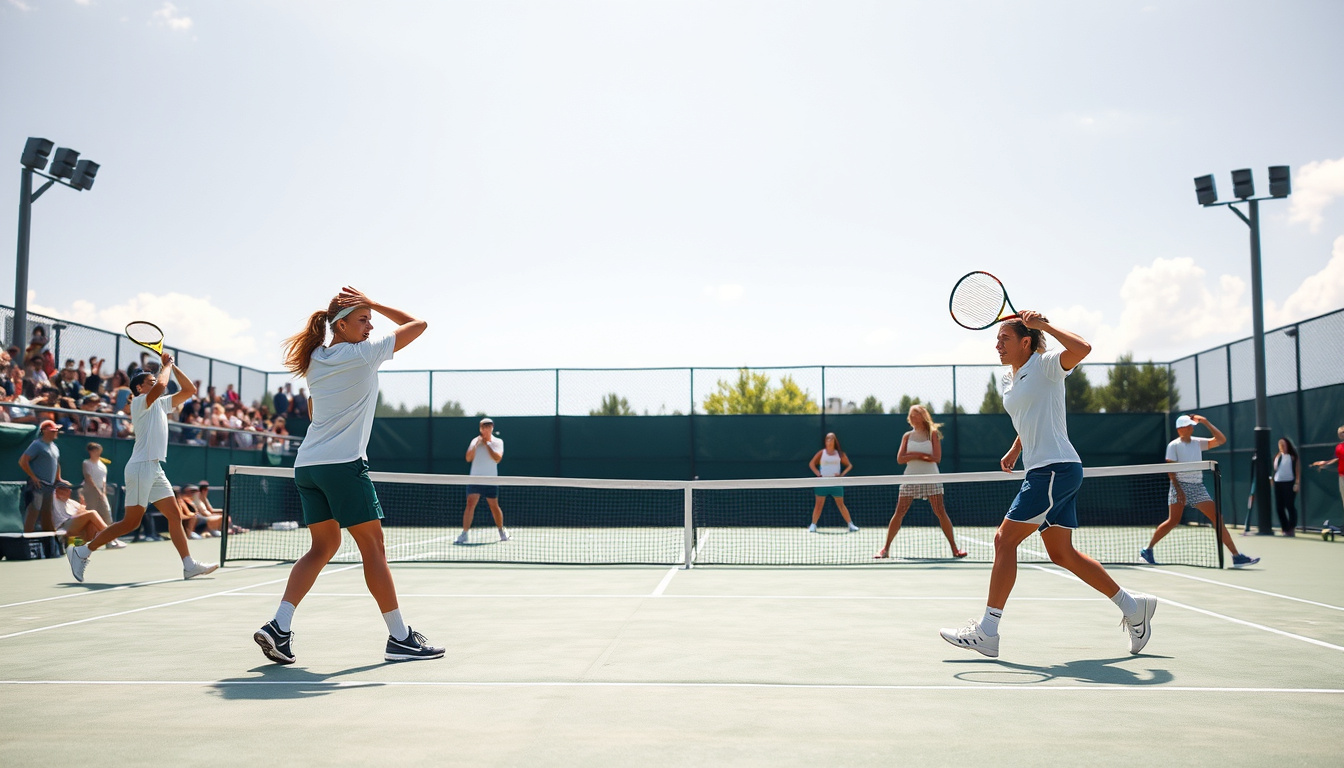
Tennis players and athletes often face the risk of injuries due to the intensive nature of their sports. One common ailment is tennis elbow, or lateral epicondylitis, which can lead to discomfort and chronic pain if not managed properly. To prevent future injuries, consider the following tips tailored for athletes, especially those seeking tennis elbow rehab in Singapore.
1. Proper Warm-Up: Always begin your training sessions and matches with a thorough warm-up. Include dynamic stretches specific to the arms and shoulders to prepare the muscles for activity.
2. Technique Matters: Ensure that your hitting technique is correct. Consult with a coach for feedback and to prevent undue strain on your elbow.
3. Equipment Adjustments: Sometimes, using the wrong racket or strings can exacerbate the risks. Opt for a racket that is suited to your skill level and physical condition.
4. Strengthening Exercises: Incorporate strength training focused on the forearm and shoulder to support joint stability. Exercises can include wrist curls and shoulder presses.
5. Rest and Recovery: Listen to your body. If you start to feel pain, take a break and allow your body to recover. Overworking can lead to injuries.
6. Physical Therapy: Consider engaging in tennis elbow rehab in Singapore, where expert physiotherapists can help you rehabilitate your injury and guide you on preventative measures.
7. Flexibility Work: Regularly perform stretching exercises to maintain flexibility in your muscles and reduce tension across the joint.
By integrating these preventive measures into your routine, you can significantly reduce the risk of re-injury and enjoy your sport to the fullest. At The Pain Relief Practice, we specialize in treating sports-related injuries and have a proven history of working with athletes to improve their performance and quality of life.
We are a specialized physio treatment center for savvy people who want real results.
While we are not suitable for someone looking for ‘cheap physiotherapy’ or ‘free exercises available on youtube’, our treatments are affordable and are often claimable with company flexi-benefits, company health insurance, travel insurance, personal accident insurance, and other insurance plans.
Simply whatsapp or call: +65 97821601 and let us know how to help.
If you prefer a convenient nutritional preventive option, Regenerix Gold is our top recommended joint supplement.
We have been recommending this joint supplement for over a decade.
Simply start with 3 capsules, once a day.
If you do not feel better within a week, increase to 2 capsules, twice a day. (4 capsules a day in total)
Our blog readers qualify for a special discount.
Simply use the link below and a discount will automatically be applied during checkout.
 PROVIDING FAST, EASY & INSURANCE CLAIMABLE PAIN RECOVERY SINCE 2007