
Golfers elbow, or medial epicondylitis, is a common ailment that affects many sports enthusiasts, particularly those who engage in repetitive arm movements. If you are experiencing symptoms of golfers elbow, such as pain and stiffness on the inner side of your elbow, it’s essential to seek adequate treatment. This is where advanced golfers elbow physio solutions in Singapore come into play, providing effective strategies for swift recovery. Physiotherapy not only addresses existing pain but also plays a vital role in preventing recurrence, allowing you to enjoy your favorite sports without discomfort. This article delves into the causes and symptoms of golfers elbow, the importance of physiotherapy, techniques for recovery, how to find the right physiotherapist in Singapore, and preventive tips that can help you maintain healthy joints and muscles.
Key Takeaways
- Golfer’s elbow is characterized by pain and inflammation on the inner elbow due to repetitive arm motions.
- Physiotherapy plays a crucial role in relieving symptoms and promoting recovery from golfer’s elbow.
- Effective physiotherapy techniques include manual therapy, stretching, and strengthening exercises tailored to the individual.
- Choosing the right physiotherapist in Singapore is essential for receiving personalized and effective treatment plans.
- Preventive measures, such as proper technique and regular conditioning, can help reduce the risk of developing golfer’s elbow.
Understanding Golfer’s Elbow: Symptoms and Causes
### Understanding Golfer’s Elbow: Symptoms and Causes
Golfers elbow, medically known as medial epicondylitis, is a prevalent condition that affects many in Singapore, particularly those who are engaged in repetitive arm activities. Symptoms typically include pain and tenderness on the inner side of the elbow, stiffness, and even weakness in the hands and wrists. For those who frequently partake in sports—such as golf—or activities involving repetitive wrist flexion, the risk of developing golfers elbow significantly increases.
The primary cause of golfers elbow is the repetitive strain on the tendons that attach to the medial epicondyle, a bony bump on the inside of the elbow. This strain can lead to inflammation and microscopic tears in the tendon, resulting in pain and discomfort. Other contributing factors may include poor technique in sports or weight training, inflexibility in the forearm muscles, and insufficient warm-up routines before physical activity.
If you are feeling prolonged stiffness, pain radiating down to the wrist, or have trouble gripping objects, it may be time to seek out professional help through golfers elbow physio in Singapore. At The Pain Relief Practice, our experienced physiotherapists specialize in diagnosing and treating conditions like golfers elbow, guiding our patients through bespoke rehabilitation programs that reduce pain and restore function.
Importance of Physiotherapy for Golfer’s Elbow
### Importance of Physiotherapy for Golfer’s Elbow
Golfer’s elbow, or medial epicondylitis, is a common ailment that impacts many individuals, from amateur golfers to those engaged in repetitive wrist and arm movements. The condition is characterized by pain and inflammation on the inner side of the elbow, caused by overuse of the forearm muscles and tendons. For those in Singapore experiencing symptoms of golfer’s elbow, seeking specialized golfers elbow physio Singapore is crucial for effective recovery. Physiotherapy plays a vital role in not just alleviating pain but also restoring function and preventing future injuries.
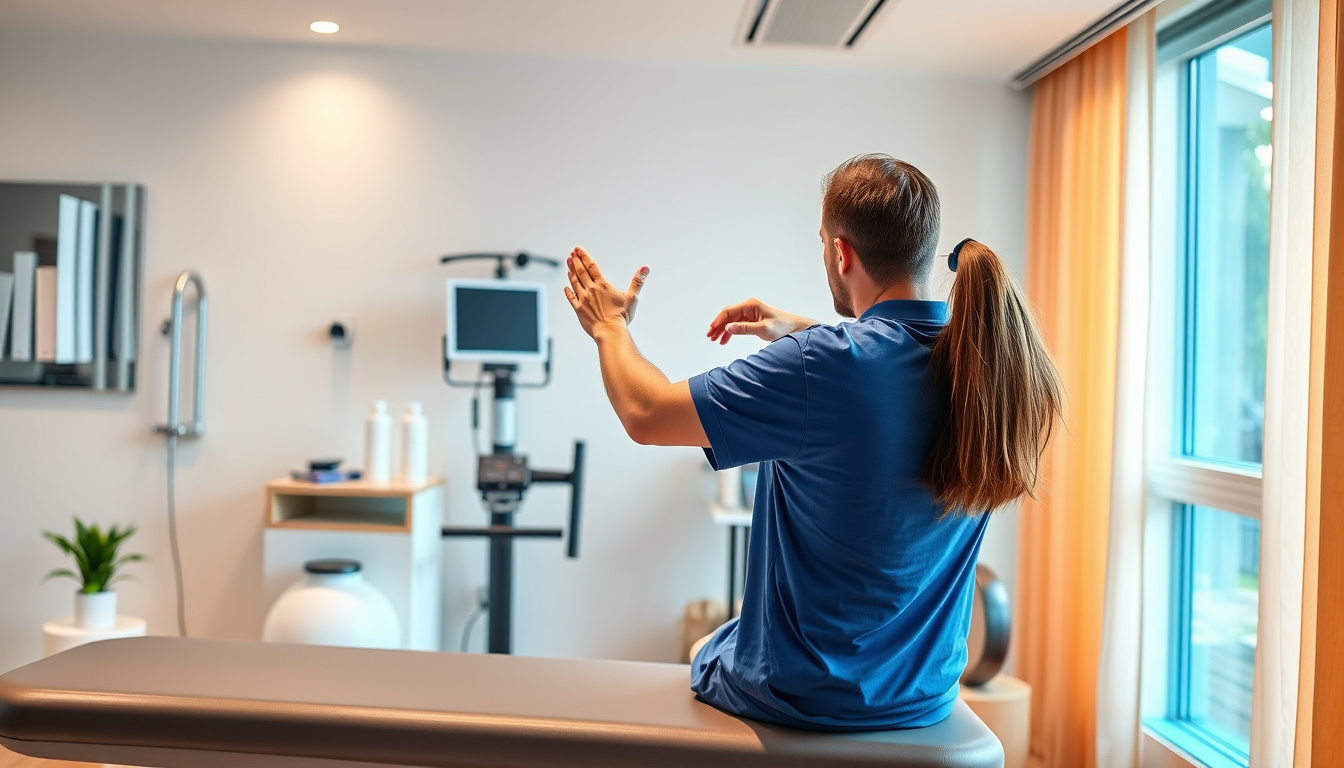
Physiotherapists use a variety of treatment modalities that target muscle imbalances and strengthen weakened areas. This may include manual therapy to ease pain, stretching exercises to enhance flexibility, and resistance training tailored to rebuild strength in the forearm muscles. Furthermore, a comprehensive physiotherapy program incorporates education about proper technique and ergonomics, crucial for both golfers and those whose jobs involve repetitive arm usage.
‘The greatest glory in living lies not in never falling, but in rising every time we fall.’ – Nelson Mandela

Physiotherapy Techniques for Effective Recovery
## Physiotherapy Techniques for Effective Recovery
When grappling with the discomfort of golfer’s elbow, also known as medial epicondylitis, effective physiotherapy can make all the difference in your recovery journey. In Singapore, many patients seeking golfers elbow physio experience a variety of symptoms, including pain on the inner side of the elbow, which can radiate down to the forearm, especially during gripping or swinging motions. Luckily, our specialized methods at The Pain Relief Practice—an established physiotherapy clinic since 2007—offer a tailored approach to alleviate pain and restore mobility.
###
1. Comprehensive Assessment
Before diving into treatment, our physiotherapists conduct a thorough assessment to understand the specific nature of your golfers elbow. This includes evaluating your range of motion, strength, and any joint instability. Such a personalized evaluation allows your physiotherapist to create a bespoke treatment plan that suits your individual lifestyle and activity levels.
###
2. Hands-On Manual Therapy
Manual therapy can provide significant relief from the muscular tension and joint stiffness associated with golfer’s elbow. Techniques such as soft tissue mobilization and joint manipulation are employed to improve circulation, alleviate pain, and promote healing. Our skilled physiotherapists are experienced in methods that not only target the elbow but also address any related issues in the shoulder, wrist, or hands.
###
3. Strengthening Exercises
To bolster your recovery, physiotherapy often includes a prescribed regimen of strengthening exercises aimed at the forearm muscles. These exercises help to support the elbow joint and can reduce the likelihood of recurrence. Gradually increasing the intensity, our therapists focus on improving flexibility and endurance, essential for those who regularly engage in activities that may strain the elbow.
###
4. Stretching Regimen
Incorporating stretching into your daily routine can enhance recovery and promote long-term joint health. Targeted stretches not only ease tightness but facilitate better movement mechanics, crucial for preventing future injuries. Your physiotherapist will guide you through effective stretches tailored to your needs.
###
5. Electrotherapy
Electrotherapy modalities, such as ultrasound or TENS (Transcutaneous Electrical Nerve Stimulation), can also be incorporated into your treatment plan. These techniques help to manage pain through targeted electrical stimulation, further speeding up the healing process by improving blood circulation and reducing inflammation.
###
6. Tailored Rehabilitation Programs
Finally, we emphasize the importance of a rehabilitation program that extends beyond the clinic. We support our patients in developing self-management routines, ensuring lifelong joint health. This includes guidelines on activity modifications, ergonomic assessments, and cultivating proper technique in sports or physical endeavors.
With our innovative approaches and commitment to optimal care, The Pain Relief Practice has successfully treated countless individuals, including celebrities and national athletes, allowing them to quickly get back to their passions and lifestyles, free from pain.
Choosing the right physiotherapy for golfer’s elbow is crucial, especially for those who lead active lives. Our expert team in Singapore is dedicated to delivering results that not only relieve pain but also enhance overall performance and enjoyment of life.
Finding the Right Physiotherapist in Singapore
## Finding the Right Physiotherapist in Singapore
When it comes to managing painful conditions such as golfer’s elbow, seeking specialized care is essential. For residents of Singapore experiencing symptoms, finding the right physiotherapist who understands the unique challenges associated with golfers elbow is crucial. Symptoms can include pain and tenderness on the inner side of the elbow, making activities like gripping, lifting, or playing sports particularly uncomfortable.
Choosing a physiotherapy clinic that has a proven track record can significantly enhance your recovery journey. The Pain Relief Practice, established in 2007, has been at the forefront of treating musculoskeletal issues, providing expert care for individuals ranging from everyday athletes to renowned national competitors. They pride themselves on creating personalized treatment strategies that address the root causes of pain and discomfort.
Patients who have struggled with golfer’s elbow have found healing through targeted physiotherapy sessions, tailored exercises, and educational resources on injury management. With a team of experienced physiotherapists, you can be assured of a thorough evaluation and a customized treatment plan that can help restore your strength and improve your functioning.
Preventive Measures and Tips for Golfer’s Elbow
## Preventive Measures and Tips for Golfer’s Elbow
Golfer’s elbow, scientifically known as medial epicondylitis, is a common ailment among recreational and professional athletes alike, particularly those in games like golf or tennis. It involves inflammation or pain on the inside of the elbow due to repetitive stress on the tendons connecting the muscles of the forearm to the elbow. If you’re experiencing symptoms, you’re not alone; many residents in Singapore seek help for this condition. Here are some preventive measures and tips that can effectively help manage golfer’s elbow and promote overall musculoskeletal health.
1. Strengthening Exercises: Incorporate specific strengthening exercises for your forearm and elbow, such as wrist curls and reverse wrist curls. This helps build muscle endurance and reduce the strain on your tendons. A specialized physiotherapist can design a tailored program for you.
2. Proper Technique: Whether you’re driving a golf ball or swinging a racquet, ensuring that your technique is correct can significantly reduce the risk of injury. Consider taking lessons from a professional to refine your skills.
3. Warm-Up and Stretching: Always engage in a proper warm-up before activities. Conditioning your muscles and tendons can help avoid injuries. Stretching the forearm and arm is crucial to maintaining flexibility and preventing tightness that leads to golfer’s elbow.
4. Rest and Recovery: Listen to your body and give yourself sufficient rest after intense activities. Overuse is a common culprits in aggravating pain, so it’s advisable to take breaks and manage your workload effectively.
5. Use of Proper Equipment: Ensure that any sporting equipment you use, such as golf clubs or tennis racquets, is suited to your size and strength. This helps minimize the impact and shock absorbed by your elbow.
6. Consult a Physiotherapist: If you find yourself frequently experiencing pain, consult a golfer’s elbow physio in Singapore who specializes in sports injuries. They can devise a comprehensive treatment plan to address your specific needs and help you regain function and mobility in your elbow.
By implementing these preventive measures, you can better protect yourself against golfer’s elbow and enhance your performance in sports. If you’re already experiencing discomfort, The Pain Relief Practice, one of the most established physiotherapy clinics in Singapore, has been treating patients successfully since 2007, including celebrities and national athletes. Our expert team is dedicated to helping you alleviate pain and regain your active lifestyle.
We are a specialized physio treatment center for savvy people who want real results.
While we are not suitable for someone looking for ‘cheap physiotherapy’ or ‘free exercises available on youtube’, our treatments are affordable and are often claimable with company flexi-benefits, company health insurance, travel insurance, personal accident insurance, and other insurance plans.
Simply whatsapp or call: +65 97821601 and let us know how to help.
If you prefer a convenient nutritional preventive option, Regenerix Gold is our top recommended joint supplement.
We have been recommending this joint supplement for over a decade.
Simply start with 3 capsules, once a day.
If you do not feel better within a week, increase to 2 capsules, twice a day. (4 capsules a day in total)
Our blog readers qualify for a special discount.
Simply use the link below and a discount will automatically be applied during checkout.
 PROVIDING FAST, EASY & INSURANCE CLAIMABLE PAIN RECOVERY SINCE 2007