
Golfers often face various challenges that affect not only their game but also their quality of life. One of the most common issues is golfer’s elbow, medically known as medial epicondylitis. If you’ve been struggling with musculoskeletal discomfort in your elbow, it’s time to consider effective solutions. In Singapore, specialized physiotherapy for golfer’s elbow is available to help you recover, regain functionality, and get back to enjoying your favorite sport. This article will provide an in-depth look at the causes and symptoms of golfer’s elbow, the role of physiotherapy in rehabilitation, expert techniques used in treatment, and tips for prevention and recovery.
<img src='https://im.runware.ai/image/os/a11d13/ws/2/ii/b6bbe108-847f-42dd-b0eb-4042cfad5fe
1.jpg’ alt=’Transform Your Game: Expert Physiotherapy for Golfer’s Elbow in Singapore’ style=’display: block; margin: auto; max-width: 100%; height: auto;’>
Key Takeaways
- Golfer’s elbow is characterized by pain and inflammation on the inner side of the elbow, caused by repeated wrist and forearm movements.
- Physiotherapy plays a crucial role in rehabilitating golfer’s elbow, focusing on pain relief and restoring function.
- Expert physiotherapy techniques, such as manual therapy and customized exercise programs, can significantly aid recovery.
- Choosing the right physiotherapy clinic in Singapore involves considering the therapist’s expertise and the clinic’s facilities.
- Preventive measures, including proper warm-up routines and ergonomic adjustments, are essential for golfers to avoid golfer’s elbow.
Understanding Golfer’s Elbow: Causes and Symptoms
### Understanding Golfer’s Elbow: Causes and Symptoms
Golfer’s elbow, medically known as medial epicondylitis, is a painful condition that results from inflammation of the tendons connecting the forearm muscles to the bony prominence on the inside of the elbow. While most commonly associated with golfers, this condition can affect anyone whose activities involve repetitive wrist and arm motions.
Causes of Golfer’s Elbow
The primary cause of golfer’s elbow is overuse. This can occur from actions such as lifting, throwing, or typing. Other contributing factors include:
• Poor Technique: Using improper form during sports can place strain on the elbow.
• Frequency of Activity: Engaging in activities that require repetitive elbow motion can exacerbate symptoms.
• Tight Flexor Muscles: Tightness in the forearm muscles can lead to added tension on the tendons, resulting in inflammation.
• Age: As we age, our tendons can become less flexible, making us more susceptible to injuries.
Symptoms of Golfer’s Elbow
The symptoms of golfer’s elbow can be quite debilitating and may include:
• Pain and tenderness on the inner side of the elbow
• Stiffness in the elbow joint
• Weakness in the hands and wrists
• Numbness and tingling that may radiate into the fingers
• Swelling around the elbow joint
Recognizing these symptoms early on can aid in the management of golfer’s elbow. If you’re experiencing recurring discomfort in your elbow, it’s important to seek physiotherapy for golfer’s elbow in Singapore to address the underlying issues and prevent the condition from worsening.
The Role of Physiotherapy in Rehabilitation
## The Role of Physiotherapy in Rehabilitation
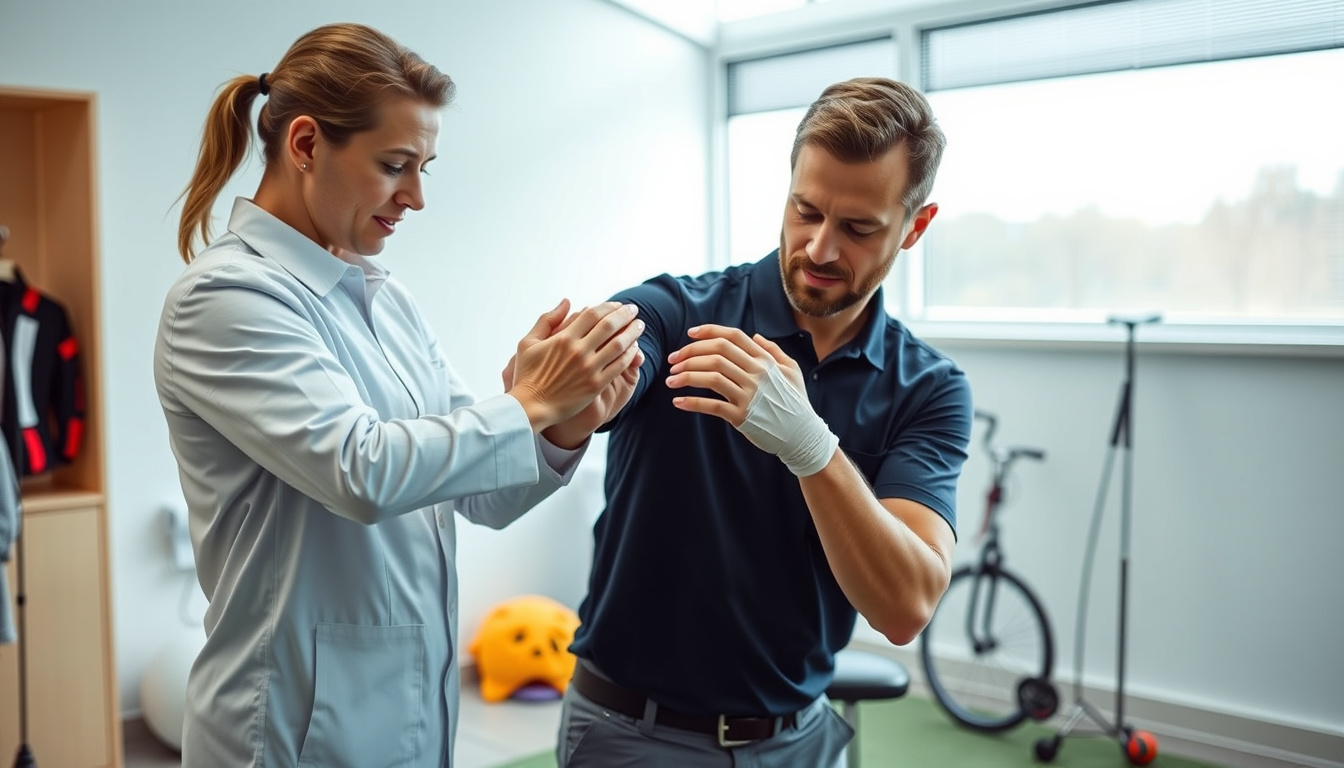
When it comes to addressing musculoskeletal issues such as golfer’s elbow, physiotherapy for golfer’s elbow in Singapore plays a crucial role in rehabilitation. Golfer’s elbow, characterized by pain and inflammation on the inside of the elbow, can significantly affect your ability to perform daily tasks and engage in activities you love. Physiotherapy targets the underlying causes of this condition through tailored exercises, manual therapy, and education, empowering patients to regain mobility and strength.
During a physiotherapy session, your therapist will conduct a thorough assessment to understand the severity of your condition and the underlying factors contributing to your symptoms. Based on this assessment, a personalized treatment plan is created that may include:
1. Stretching Exercises: To improve flexibility in the muscles and tendons surrounding the elbow.
2. Strengthening Exercises: Designed to build strength in the forearm and elbow, helping to alleviate undue stress.
3. Manual Therapy: Involves hands-on techniques to improve joint mobility and reduce pain.
4. Ergonomic Advice: Suggestions on how to adjust your technique in sports or daily activities that might be exacerbating your condition.
5. Pain Management Techniques: Such as ultrasound therapy or electrical stimulation to reduce pain and inflammation.
At The Pain Relief Practice, our experienced physiotherapists have been successfully treating golfer’s elbow for over 15 years, helping both local residents and elite athletes alike. Registering progressive improvements through our specialized pain management approach, we are dedicated to helping you reclaim your functional abilities and enhance your quality of life.
‘Success is no accident. It is hard work, perseverance, learning, studying, sacrifice and most of all, love of what you are doing or learning to do.’ – Pelé
Expert Physiotherapy Techniques for Golfer’s Elbow
### Expert Physiotherapy Techniques for Golfer’s Elbow
Experiencing discomfort on the inside of your elbow? You might be one of the many individuals dealing with golfer’s elbow, also known as medial epicondylitis. This condition can be particularly prevalent amongst golfers, but it can affect anyone who performs repetitive wrist movements or gripping tasks. In Singapore, seeking effective physiotherapy for golfer’s elbow is crucial to restoring your joint health and alleviating discomfort.
At The Pain Relief Practice, our experienced physiotherapists use a multi-faceted approach that has proven successful in managing golfer’s elbow. Here are some of the expert physiotherapy techniques we employ:
1. Assessment and Diagnosis: A thorough initial assessment allows our physiotherapists to understand your specific condition and identify any contributing factors.
2. Manual Therapy: Hands-on techniques aimed at reducing pain and enhancing mobility in the affected elbow.
3. Exercise Therapy: Customized strengthening and stretching exercises designed to rehabilitate the forearm muscles and improve joint stability.
4. Ultrasound Therapy: Utilizing ultrasound waves to promote healing and reduce inflammation in the elbow area.
5. Education on Ergonomics: Guidance on avoiding repetitive activities that can exacerbate the condition, ensuring your daily tasks don’t hinder recovery.
6. Taping Techniques: Application of specialized taping methods to relieve strain on the elbow and support the surrounding muscles.
Our clinic, established in 2007, has built a reputation in Singapore as a trusted center for managing musculoskeletal pain. We have successfully treated various athletes, including national representatives and celebrities, ensuring our approach is tailored for both casual and high-performance individuals. Let us help you regain a healthy range of motion and return to your favorite activities without discomfort!
Finding the Right Physiotherapy Clinic in Singapore
Finding the right physiotherapy clinic in Singapore is crucial for anyone dealing with musculoskeletal discomfort, especially conditions like golfer’s elbow. This common ailment often affects golfers and others who perform repetitive arm movements, leading to pain and inflammation around the elbow joint. When searching for effective physiotherapy for golfer’s elbow in Singapore, it’s important to consider clinics that specialize in treating this condition and have a proven track record of success.
The Pain Relief Practice, one of Singapore’s more established physiotherapy clinics since 2007, has honed its expertise in treating various joint and muscle issues, including golfer’s elbow. Our team comprises experienced physiotherapists who understand the unique challenges faced by those suffering from this condition, helping you regain pain-free movement and improve your performance.
While evaluating a physiotherapy clinic, consider the following factors:
1. Experience and Expertise: Look for a clinic with a strong reputation in treating golfer’s elbow, preferably with physiotherapists who have worked with athletes and active individuals.
2. Treatment Approaches: Ensure the clinic employs evidence-based treatment methods tailored to address the specific symptoms and underlying causes of golfer’s elbow.
3. Success Stories: Seek clinics that proudly showcase testimonials and case studies, highlighting their success in helping patients achieve relief and improved performance.
4. Facilities and Technology: A modern clinic with advanced treatment equipment can enhance your recovery experience.
5. Personalized Care: Each patient’s needs are different, so find a clinic that offers personalized treatment plans and one-on-one sessions.
By choosing the right physiotherapy clinic, you can rest assured that you’re on the path to recovery, easing the discomfort of golfer’s elbow and regaining your quality of life.
Preventive Measures and Recovery Tips for Golfers
### Preventive Measures and Recovery Tips for Golfers
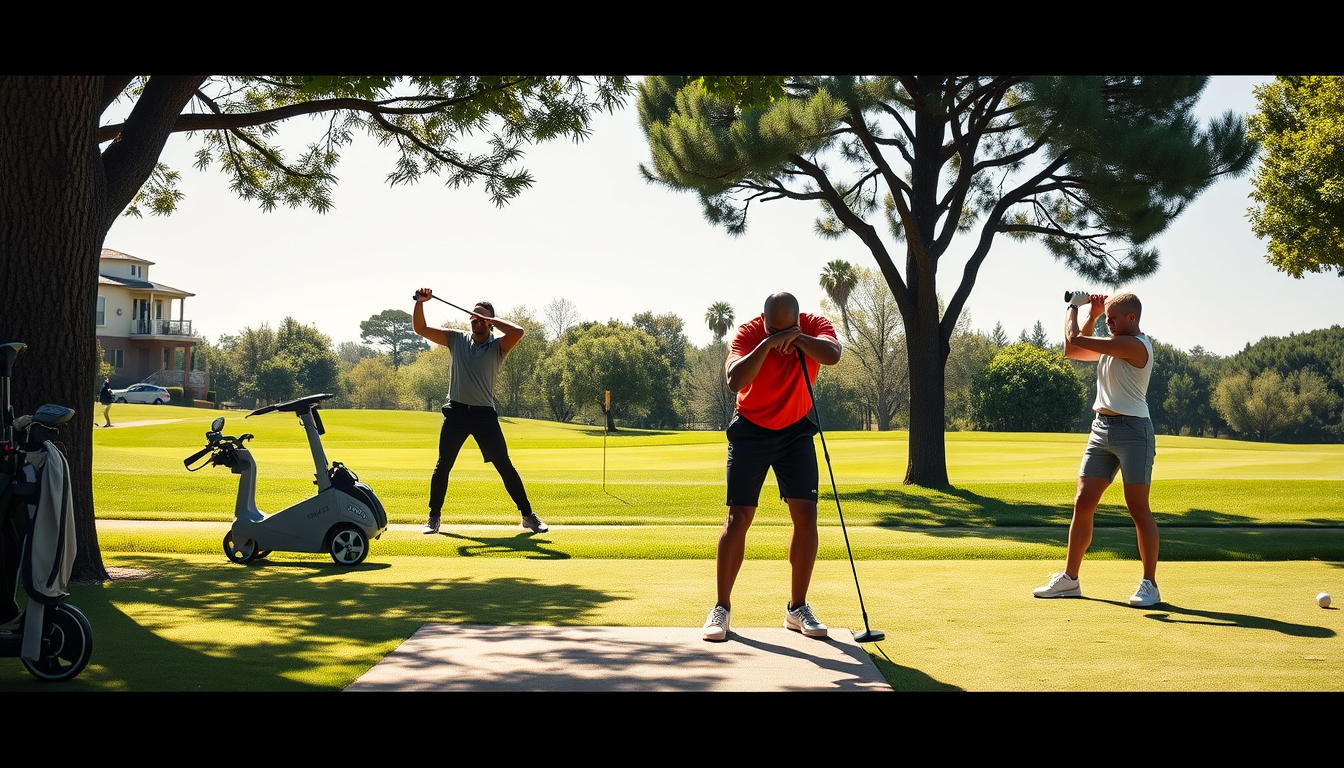
If you’re experiencing discomfort in your elbow, commonly known as golfer’s elbow or medial epicondylitis, you’re not alone. Many people in Singapore who share a passion for golf face this frustrating issue. Fortunately, effective physiotherapy for golfer’s elbow in Singapore can help alleviate pain and improve recovery times. Below are some preventive measures and recovery tips that can help you maintain a healthy elbow and enjoy your game.
1. Warm-Up Properly: Always start with a thorough warm-up session before hitting the golf course. Focus on dynamic stretches that target your arms, shoulders, and wrists, which can significantly reduce the likelihood of injury.
2. Strengthening Exercises: Incorporate strength training into your routine that targets the forearms and wrist joints. Focus on wrist curls, forearm raises, and grip strength exercises to resist the strain of the golf swing.
3. Technique Improvement: Regularly consult with your golf coach to ensure your swing technique is correct. Poor form often contributes to excessive strain on the elbow.
4. Use Proper Equipment: Make sure your golf clubs are suited for your stature and swing style. Using clubs that are too heavy or poorly fitted can lead to undue stress on your joints.
5. Take Breaks: If you feel discomfort during play, don’t push through the pain. Take breaks to allow your muscles to recover.
6. Ice Application: After a game or practice session, apply ice to your elbow to reduce inflammation and speed up the recovery process.
7. Consult a Physiotherapist: Enlist the help of an experienced physiotherapist in Singapore. They can provide treatments that may include manual therapy, dry needling, and tailored rehabilitation exercises specific to golfer’s elbow.
By integrating these preventive measures into your routine and seeking out physiotherapy for golfer’s elbow in Singapore, you can regain full function and minimize discomfort. Whether you’re an amateur golfer or aiming for the professional fit, it’s crucial to take action today to protect your swing and enjoy the sport you love.
We are a specialized physio treatment center for savvy people who want real results.
While we are not suitable for someone looking for ‘cheap physiotherapy’ or ‘free exercises available on youtube’, our treatments are affordable and are often claimable with company flexi-benefits, company health insurance, travel insurance, personal accident insurance, and other insurance plans.
Simply whatsapp or call: +65 97821601 and let us know how to help.
If you prefer a convenient nutritional preventive option, Regenerix Gold is our top recommended joint supplement.
We have been recommending this joint supplement for over a decade.
Simply start with 3 capsules, once a day.
If you do not feel better within a week, increase to 2 capsules, twice a day. (4 capsules a day in total)
Our blog readers qualify for a special discount.
Simply use the link below and a discount will automatically be applied during checkout.
 PROVIDING FAST, EASY & INSURANCE CLAIMABLE PAIN RECOVERY SINCE 2007