
If your joints feel stiff and your muscles seem “switched‑off,” functional electrical stimulation (FES) may fill the gap in your recovery. Many people in Singapore live with shoulder aches, low back tightness, weak knees, or legs that feel uncoordinated. When pain lasts for months or years, muscles can “forget” to fire. Movement patterns then slowly break down.
That’s where FES helps. When used properly, it wakes up inhibited muscles, retrains your movement, and supports you in regaining strength and mobility. You do not have to rely on willpower or painful gym sessions alone.
What is Functional Electrical Stimulation?
Functional electrical stimulation uses gentle electrical impulses to turn your muscles on through movement. Unlike older tens machines that buzz your pain area, FES is designed to:
• Make certain muscles contract at the right time
• Support real-life movements such as walking, squatting, reaching, or climbing stairs
• Help you relearn proper movement after pain, injury, surgery, or nerve issues
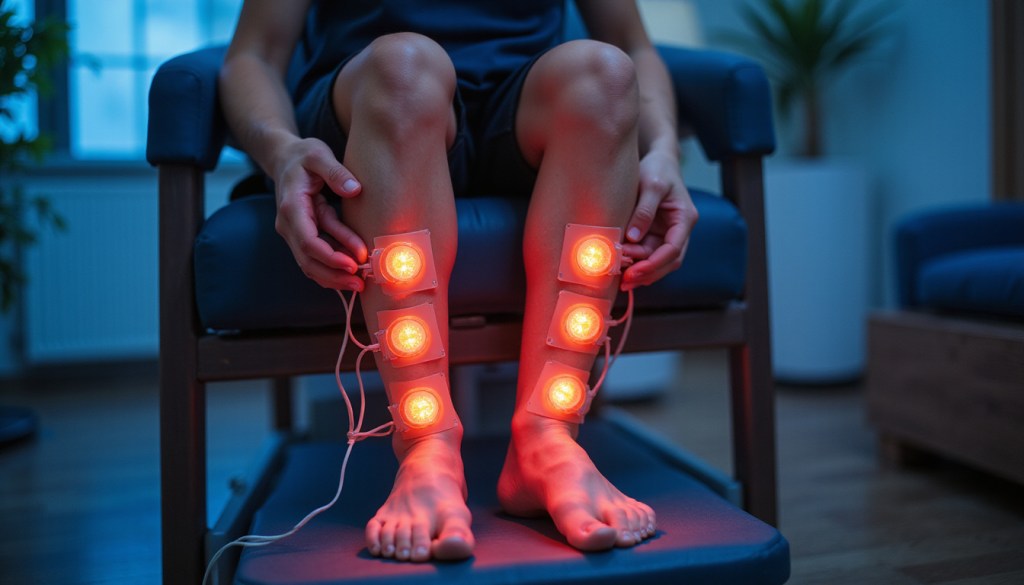
Small pads (electrodes) sit on your skin over key muscles. A controlled current then signals the nerve and makes the muscle contract as you move. For example, you may step, lift your arm, or do rehab exercises.
Over time, FES can help you:
• Rebuild strength in muscles that have become “lazy” or deconditioned
• Improve joint control and coordination
• Reduce compensations like limping, waddling, or leaning on your stronger side
• Ease overload and strain on painful joints
Who in Singapore Can Benefit from Functional Electrical Stimulation?
If you experience any of these signs, FES might help:
• Your knee feels wobbly or “gives way” on stairs
• Your quads or glutes will not fire, no matter how hard you try
• Your shoulder feels weak or “dead” after an injury like a rotator cuff tear or frozen shoulder
• Chronic low back ache comes with tight hamstrings and a weak core or hip muscles
• You still feel instability after an ankle sprain
• You have done “normal physio” but something does not seem to switch on
FES is often used for:
• Long‑standing knee pain (for example, patellofemoral pain or early osteoarthritis)
• Post‑surgery rehabilitation (ACL, meniscus, shoulder, or spinal surgery)
• Chronic neck and back pain marked by poor muscle activation
• Shoulder issues (such as impingement, rotator cuff, or scapular muscle imbalance)
• Nerve‑related weakness from stroke, spinal cord injury, or nerve impingement (with specialist guidance)
In Singapore’s fast‑paced, desk‑bound lifestyle, it is common for the glutes to be “switched‑off” or for scapular muscles to be underactive. FES builds the bridge between saying “I know I should use my glutes” and actually firing them at the right time.
How Functional Electrical Stimulation Helps You Regain Mobility
- Re‑Activating Inhibited Muscles
When pain or swelling hits a joint, as with a bad knee or ankle sprain, the surrounding muscles shut down on reflex. Even when the pain eases, the muscles may not fully “come back on” by themselves.
FES directly signals these inhibited muscles. This teaches your body that:
• The muscle should contract when you stand
• The muscle should hold when you land from a step
• The muscle should stabilize the joint when you twist
For example, people with chronic kneecap pain often have a weak inner quad (VMO). FES on the quads during squats or step‑downs can restore a stable knee.
- Restoring Natural Movement Patterns
Many patients in Singapore share that:
• “I walk funny because I protect the painful side.”
• “I only use the non‑painful leg when climbing stairs.”
• “My shoulder is so stiff I end up shrugging instead of lifting.”
These habits make your body feel awkward and stiff. With FES, electrical activation pairs with correct movement. For example:
• FES on the glutes while you do step‑ups retrains hip drive
• FES on the scapular stabilisers retrains an overhead reach
• FES on the core during hip hinges or mini deadlifts retrains stability
This method trains the right muscle at the right time and rewires your movement habits so you can move naturally again.
- Supporting Joint Health and Pain Relief
When the proper muscles pull their weight, your joints do not have to bear the load alone. This change can:
• Decrease grinding, catching, or “jammed” sensations
• Reduce swelling flare‑ups after a long day of walking or standing
• Increase your confidence that your joints will not “give way”
FES is not a magic button. Used with joint mobilizations, manual therapy, and corrective exercises, it speeds your journey from “guarding and stiff” to “moving smoothly and naturally.”
A number of studies support the use of neuromuscular electrical stimulation in rehab. They show improvements in strength and function after injury or surgery. (Source: National Institutes of Health)
What Does Functional Electrical Stimulation Feel Like?
Most people describe FES as follows:
• A gentle tapping or buzzing at low intensity
• A strong, firm muscle contraction at working intensity—but never sharp or like an electric shock
Your therapist increases the intensity slowly until the target muscle contracts clearly. You must still be able to control the movement. The sensation should be strong but bearable, never painful. If it feels intense, the current is lowered immediately. The goal is for you to feel assisted rather than in discomfort.
A Typical FES Session at The Pain Relief Practice
At The Pain Relief Practice, one of Singapore’s established physiotherapy and pain treatment clinics (helping patients since 2007), a typical FES session follows these steps:
-
Assessment & Goal Setting
• We discuss your pain history, flare‑up patterns, and goals.
• We test joint mobility, strength, and movement.
• We identify weak or inhibited muscles. -
Targeted Electrode Placement
• Electrodes are placed on the muscles we need to re‑activate.
• For example, the VMO for knee control, the glutes for hip stability, or scapular muscles for shoulder control. -
Movement‑Based Training with FES
• You perform tailored exercises such as step‑ups, mini squats, or arm raises.
• FES helps your muscles contract at the right timing and intensity. -
Progression & Integration
• As your muscles learn their job, we reduce the stimulation gradually.
• You then move to more advanced, sport‑specific or everyday drills. -
Home Programme
• You receive a practical home plan to maintain each gain.
• Based on your needs, we may suggest extra tools or exercises.
Patients often say their joints feel “held together properly” instead of loose or unstable.

Real Results
Why Choose The Pain Relief Practice for Functional Electrical Stimulation?
Many places offer general physiotherapy in Singapore. However, FES works best as part of a comprehensive, expert-guided plan.
At The Pain Relief Practice:
• We are an established clinic in Singapore, helping patients since 2007.
• Our team focuses on musculoskeletal and sports‑related pain—from stubborn neck and back issues to difficult knee, hip, and shoulder problems.
• We treat celebrities and national athletes who expect both pain relief and high performance.
• We combine FES with manual therapy, movement retraining, ergonomic coaching, and strength programs tailored to Singapore’s busy lifestyle.
Our patients are savvy and proactive. They do not want a band‑aid fix; they want to:
• Address the root of their pain
• Regain healthy, reliable joints and muscles
• Return to life and sports without fear of a “bad knee” or “problem back”
• Improve performance rather than just cope day to day
If this sounds like you, FES could be a key tool in your recovery.
Celebrities & National Athletes
Common Areas We Use Functional Electrical Stimulation
In our clinic, FES is used in these areas:
• Knees – Helping the quads, VMO, and glutes work together to reduce pain when using stairs, squatting, or walking long distances
• Shoulders – Making the rotator cuff and scapular muscles activate together to ease pinching and catching when reaching overhead or behind your back
• Lower Back & Hips – Activating the glutes and deep core to lessen the load on the lumbar spine during sitting, standing, or lifting
• Ankles – Supporting stability and balance after repeated sprains or ligament injuries
• Post‑Surgery – Helping early muscle activation after ACL reconstruction, meniscus repair, shoulder or spine surgeries (under close medical guidance)
Is Functional Electrical Stimulation Safe?
For most people, FES is very safe. It is applied by trained professionals. However, it may not be suitable if you:
• Have a pacemaker or other implanted electronic device
• Are pregnant (especially over the abdominal or lower back region)
• Have open wounds, skin infections, or severe skin sensitivity where the pads go
• Have uncontrolled epilepsy or certain heart conditions
At The Pain Relief Practice, we screen you in detail before starting FES. We always discuss options and alternatives with you.
What Results Can You Expect?
Results differ by condition, but many patients report:
• A better muscle “connection” so you finally feel your glutes, core, or quads activate
• Greater joint stability and confidence when walking, climbing stairs, or exercising
• Less limping or lopsided movement
• Reduced soreness after activities and fewer flare‑ups
The most successful patients tend to:
• Commit to regular sessions at the start
• Follow through with home exercises
• Adjust lifestyle factors (like workstation setup, training load, or footwear) with our guidance
FES acts as a powerful amplifier; it does not replace smart rehabilitation.
Embed: Our Google Profile
You can learn more about The Pain Relief Practice, read patient reviews, and get directions to our clinic via our Google profile:
https://share.google/UwMU2I9zUCwXVh0Lg
FAQs on Functional Electrical Stimulation in Singapore
- Is functional electrical stimulation painful?
FES should not be painful. You feel a strong, firm contraction with some buzzing or tingling. The intensity is always set to your comfort. If it feels sharp or unbearable, the current is lowered immediately. Many patients in Singapore find FES surprisingly tolerable once they adjust.
- How many functional electrical stimulation sessions will I need?
The number of sessions depends on your condition, the duration of your pain, and your goals. Some see a change in 3–5 sessions, while others with long‑standing issues may need a few months of FES combined with exercise. We will create a plan that is tailored for you after a full assessment.
- Can I combine functional electrical stimulation with other treatments?
Yes. FES works best when used with hands‑on therapy, personalized exercise, posture and movement coaching, and sometimes medical management. At The Pain Relief Practice, we design a complete plan based on your pain pattern instead of relying on one gadget or technique.
If you are in Singapore and feel that your joints are weak, unstable, or “not quite right” despite many treatments, FES may help you reconnect with your muscles. It can improve your movement and help you get your life back.
We are a specialized physio treatment center for savvy people who want real results.
While we are not suitable for someone looking for ‘cheap physiotherapy’ or ‘free exercises available on youtube’, our treatments are affordable and are often claimable with company flexi-benefits, company health insurance, travel insurance, personal accident insurance, and other insurance plans.
Simply whatsapp or call: +65 97821601 and let us know how to help.
If you prefer a convenient nutritional preventive option, Regenerix Gold is our top recommended joint supplement.
We have been recommending this joint supplement for over a decade.
Simply start with 3 capsules, once a day.
If you do not feel better within a week, increase to 2 capsules, twice a day. (4 capsules a day in total)
Our blog readers qualify for a special discount.
Simply use the link below and a discount will automatically be applied during checkout.
 PROVIDING FAST, EASY & INSURANCE CLAIMABLE PAIN RECOVERY SINCE 2007