
If you tear your ACL, have ACL surgery, or find your knee "giving way" on stairs or slopes, you likely search for ACL physiotherapy. You ask what works, how long it takes, and how to avoid another injury. In Singapore, your knee must do more than simply "walk." You need to squat, lunge, run, and trust your knee again.
This roadmap explains ACL rehab in clear, real‐world terms. You learn what to expect in each phase and how The Pain Relief Practice helps you return to safe, pain‑free movement.
Why ACL injuries in Singapore can’t just “heal with rest”
If your knee pops, swells, and feels weak, your ACL (anterior cruciate ligament) is likely damaged. Many patients say:
• “My knee buckles when I turn.”
• “I fear putting full weight on it.”
• “I cannot trust my knee on stairs or when going downhill.”
The ACL acts as a key stabiliser. It helps during twists, pivots, and quick stops. Once torn or reconstructed, your knee does not fix itself by merely resting. Without focused ACL physiotherapy:
• The muscles around your knee (quads and hamstrings) weaken fast.
• Swelling and stiffness limit your range of motion.
• Your movement becomes “protective,” hurting your hip, back, or the other knee.
• You risk another tear or meniscus damage by returning too soon.
A guided, phase‑based plan turns a fragile, swollen knee into a strong joint.
What is ACL physiotherapy – and what does good rehab really look like?
Good ACL physiotherapy is more than a few leg exercises. It follows a step‑by‑step plan that builds on each part of your recovery:
- Pain and swelling control
- Restoring knee bending and straightening (range of motion)
- Building muscle strength (quads, hamstrings, glutes)
- Improving balance and proprioception (your knee’s “GPS”)
- Learning proper movement patterns (walking, stairs, squats, jumps)
- Training for sport‑specific moves (cutting, pivoting, quick stops)
At The Pain Relief Practice, we tailor rehab to fit:
• Your surgery status or non‑surgical plan
• The age of your injury
• Your activity level, from casual to elite
• Your personal goals—from pain‑free walking to competitive sport
Since 2007, we have helped many people achieve stable, confident knees—from dealing with instability to returning high‑profile athletes safely to peak form.
Phase 1: Right after injury or surgery – calm the knee, don’t fight it
At this first stage, the goal is clear. You calm your angry knee so it can move without flare‑ups.
Typical issues include:
• A swollen, hot, stiff knee
• Sharp pain when you put weight on it
• Inability to fully straighten or bend the knee
• Limping or heavy reliance on crutches
• A “switching off” of the thigh (quads)
Key tasks are:
• Control pain and swelling with ice, elevation, compression, and gentle hands‑on therapy.
• Activate your quads early with sets, heel slides, and gentle leg raises.
• Learn safe weight‑bearing with proper crutch use and gait patterns.
• Protect your new graft or healing ligament by avoiding twisting or sudden loads.
This early stage is key. Ignoring it can cause a “stuck” knee or chronic swelling that slows your recovery.
Phase 2: Regaining range and basic strength – from stiff to steady
Once your knee is less swollen and movement is tolerable, the focus shifts. You work on bending and straightening smoothly. You build a stable base.
Common issues include:
• Trouble kneeling or squatting
• Tightness at the front or back of the knee
• Worry over the scar or graft site
• A feeling of uneven weight when standing
Rehab tasks here are:
• Restore full knee extension. This step is key for normal walking.
• Gradually improve knee flexion to make stairs and sitting easier.
• Activate the quads and hamstrings without causing extra pain.
• Do basic closed‑chain exercises like mini-squats, weight shifts, and wall sits.
At The Pain Relief Practice, we use hands‑on techniques and targeted exercises with modern tools to speed up healing and cut inflammation. We follow your surgeon’s advice closely.
Phase 3: Strength, balance and confidence – making your knee trustworthy again
At this stage, pain is reduced and you walk well. However, you might still feel unsafe when:
• Using stairs or escalators
• Jogging to cross the road
• Playing casual sports such as football or badminton
• Carrying groceries after stepping off a curb
In this phase, you build strength and balance:
• Increase strength gradually with squats, lunges, step‑ups, and hamstring work.
• Work the glutes and core to keep your knee from collapsing inward.
• Improve balance and proprioception with single‑leg stands and unstable surfaces.
• Retrain your gait to avoid limping or over‑favoring the other leg.
You soon feel your knee become steady and you regain confidence on stairs and during squats.
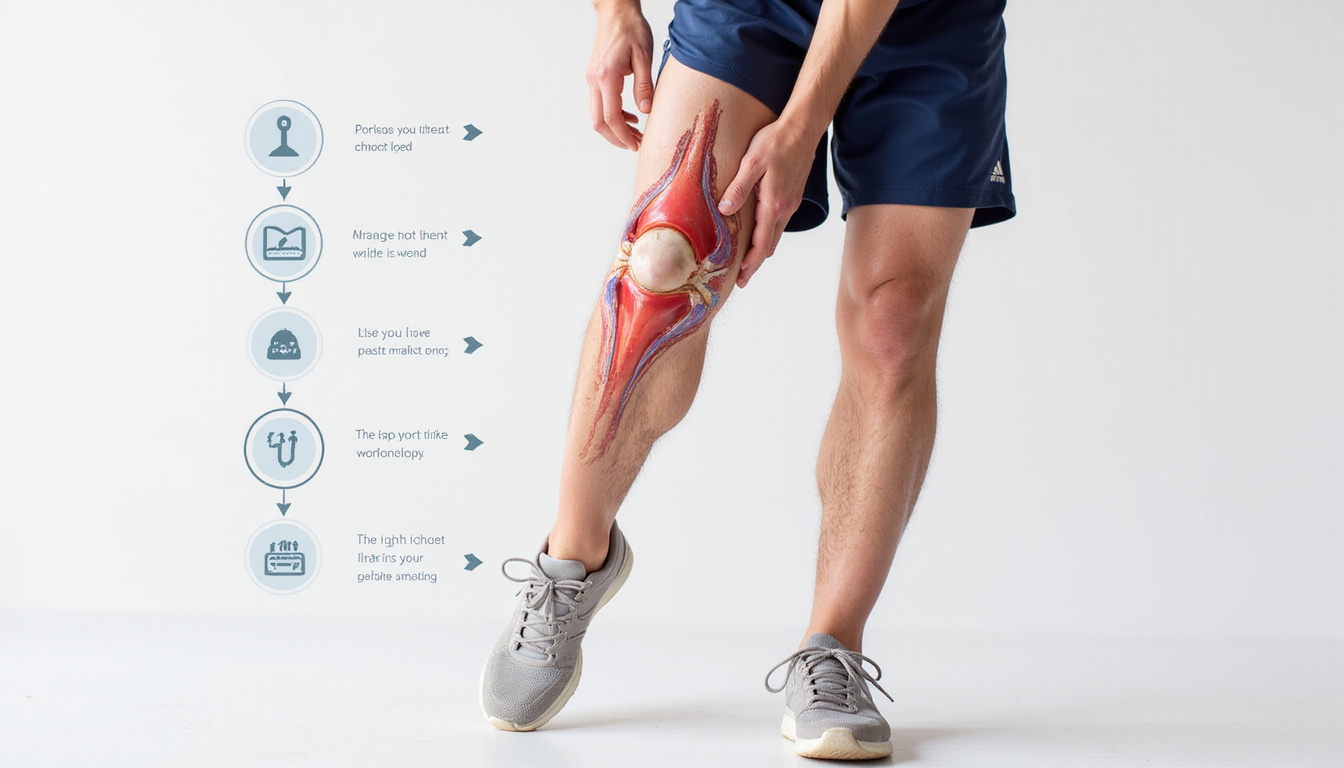
Phase 4: Sport‑specific ACL physiotherapy – for runners and athletes
If you aim to return to netball, football, running, or tennis, basic strength is not enough. Your knee must handle:
• Sudden starts and stops
• Pivoting, cutting, and turning
• Jumping and landing on one leg
• Unpredictable contact
Here, sport‑specific ACL physiotherapy makes the difference:
• Plyometric drills such as controlled hops, jumps, and landings
• Change‑of‑direction drills: cutting, pivoting, decelerating
• Movements tailored for your sport
• Endurance training so that fatigue does not lead to failure
We have helped both celebrities and national athletes return to high‑demand sports without rushing the knee.
How long does ACL physiotherapy take?
Timelines vary. A realistic plan is as follows (source: https://bjsm.bmj.com/content/54/8/438):
• Walking comfortably: 2–6 weeks, based on surgery, pain, and swelling
• Regaining basic strength and range: 2–3 months
• Jogging: usually 3–4 months if you meet the criteria
• Non‑contact sport drills: about 4–6 months
• Full return to pivot sports: generally 9–12 months, sometimes longer
Remember, time is not the only factor. Meeting strength, movement, and stability goals is key. Returning too early raises the risk of re‑injury.
Why choose The Pain Relief Practice for ACL physiotherapy in Singapore?
If you have tried generic physio or YouTube exercises, you know ACL rehab is more than "standard knee exercises." At The Pain Relief Practice, we offer:
• Specialised pain and sports rehab – one of Singapore’s leading physiotherapy clinics since 2007.
• Evidence‑based protocols – modern ACL guidelines adapted to your real life (office work, long commutes, childcare, training)
• Performance mindset – our aim is more than "can walk." We want you to perform at a higher level.
• Trusted services – we have treated high‑profile clients, including celebrities and national athletes.
• Holistic, people‑first care – we treat your entire movement system: feet, hips, core, and posture, not just your knee.
Real Results
Celebrities & National Athletes
What to expect in your ACL physiotherapy sessions
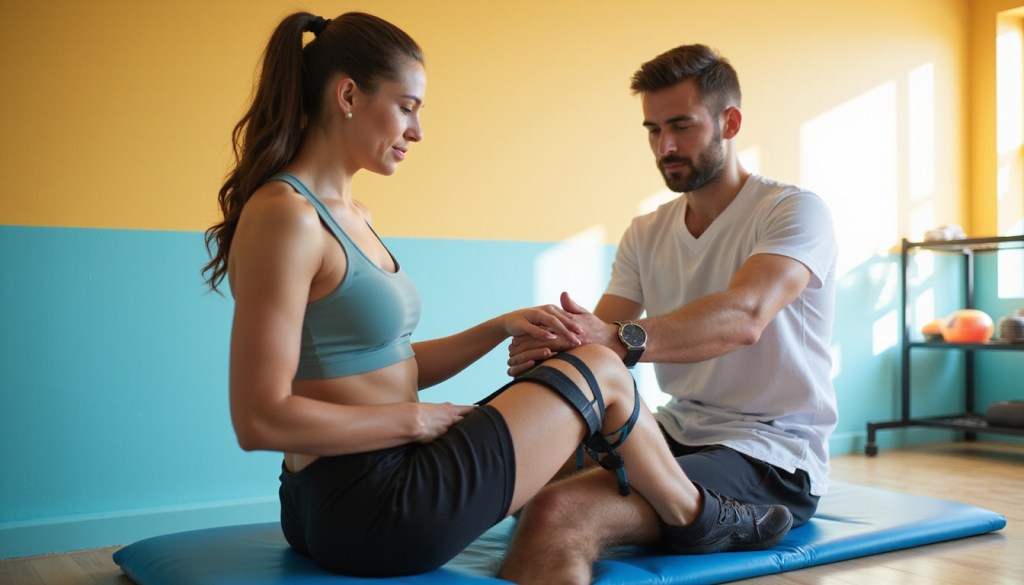
Each session is tailored for you. A typical plan at The Pain Relief Practice includes:
• Detailed assessment:
- Strength and flexibility
- Range of motion
- Gait, squat, and movement analysis
- Balance and proprioception tests
• Hands‑on treatment:
- Joint mobilisation when needed
- Soft tissue release for tight quads, ITB, calves, or hamstrings
- Swelling and scar management
• Targeted exercise therapy:
- Criteria‑based progressions that let you “earn” each safe step forward
- Home exercises that match your schedule and the equipment you have
- Clear, written and visual instructions so that nothing is left to guess
• Technology‑assisted rehab when suitable:
- Modalities to lower pain and inflammation
- Tools to boost muscle activation, especially in a “sleepy” quad
You always know why each exercise matters and what milestone you are reaching—whether that is kneeling for prayers, hiking Bukit Timah, or playing in competitive league matches.
Your role in speeding up ACL recovery
Even the best ACL physiotherapy plan needs you. You help your progress by:
• Doing your home exercises consistently
• Listening to your body when it signals pain or swelling
• Sleeping well so your tissues repair at night
• Communicating openly with your physio about fears or new pains
• Not jumping into weekend sports “to test the knee” before you are clear
A well‑rehabbed ACL not only feels better now. It also protects you from early wear‑and‑tear and future knee issues.
Our Google Profile
Learn more about The Pain Relief Practice, our locations, and patient stories via our Google profile:
https://share.google/UwMU2I9zUCwXVh0Lg
FAQ about ACL physiotherapy in Singapore
-
How soon should I start ACL physiotherapy after surgery?
Start within a few days once your surgeon allows. Early movement, swelling control, and quad activation are critical. Delaying rehab can bring stiffness, extra swelling, and muscle loss that slow your recovery. -
Can ACL physio help if I did not have surgery?
Yes. Many manage ACL tears without surgery, especially if they do not play high‑pivoting sports. Focused ACL physio for strength, stability, and movement control helps you walk, climb stairs, and enjoy low‑impact sports. We work with you (and your doctor if needed) to set the best plan. -
How do I know if my ACL rehab is on track?
You should see gradual improvement in pain, swelling, knee bending, gait, and confidence on stairs and single‑leg tasks. Good rehab is based on progress criteria. Your physio tests your strength, balance, and movement quality and explains why you can or cannot progress to running, jumping, or sport.
If your knee still hurts or feels unstable, structured ACL physiotherapy can change your path. The Pain Relief Practice can help you solve pain issues, rebuild strong joints and muscles, and return to the lifestyle and performance you want—safely and as quickly as your body allows.
We are a specialized physio treatment center for savvy people who want real results.
While we are not suitable for someone looking for ‘cheap physiotherapy’ or ‘free exercises available on youtube’, our treatments are affordable and are often claimable with company flexi-benefits, company health insurance, travel insurance, personal accident insurance, and other insurance plans.
Simply whatsapp or call: +65 97821601 and let us know how to help.
If you prefer a convenient nutritional preventive option, Regenerix Gold is our top recommended joint supplement.
We have been recommending this joint supplement for over a decade.
Simply start with 3 capsules, once a day.
If you do not feel better within a week, increase to 2 capsules, twice a day. (4 capsules a day in total)
Our blog readers qualify for a special discount.
Simply use the link below and a discount will automatically be applied during checkout.
 PROVIDING FAST, EASY & INSURANCE CLAIMABLE PAIN RECOVERY SINCE 2007