
If you’ve been experiencing discomfort in your fingers, daily tasks may become increasingly frustrating—especially if the condition is known as trigger finger. As many in Singapore are discovering, finding the best physio for trigger finger can significantly alleviate this issue. Trigger finger, medically termed stenosing tenosynovitis, causes the finger to lock or catch when you bend or straighten it. This condition can stem from repetitive gripping or underlying health issues such as arthritis. In this article, we will delve deeper into understanding trigger finger, its symptoms, and causes while also exploring the importance of physiotherapy and highlighting effective treatment techniques applied by expert therapists in Singapore. By the end, you’ll not only have the essential knowledge but also expert tips for better managing trigger finger at home.

Key Takeaways
- Trigger finger, or stenosing tenosynovitis, is characterized by pain, stiffness, and a clicking sensation in the affected finger.
- Physiotherapy is crucial for alleviating symptoms and restoring movement in trigger finger patients.
- Choosing the right clinic in Singapore can greatly impact the effectiveness of your trigger finger treatment.
- Physiotherapists utilize techniques such as stretching, strengthening exercises, and ultrasound therapy to treat trigger finger.
- Incorporating expert tips at home, like rest and finger exercises, can enhance recovery and prevent recurrence.
Understanding Trigger Finger: Symptoms and Causes
## Understanding Trigger Finger: Symptoms and Causes
Trigger finger, also known as stenosing tenosynovitis, is a common condition characterized by the locking or catching of fingers during movement. This condition can lead to significant discomfort, affecting your ability to perform daily activities. In Singapore, many individuals experiencing symptoms of trigger finger often seek out the best physio for trigger finger Singapore has to offer, as physiotherapy plays a crucial role in alleviating pain and restoring function.
### Symptoms of Trigger Finger
The initial signs of trigger finger can be subtle but tend to worsen over time. Common symptoms include:
• Locking or catching: Fingers may temporarily catch or lock in a bent position, which can cause pain.
• Stiffness: You might experience stiffness in the affected fingers, especially upon waking or after long periods of inactivity.
• Swelling: The base of the finger may appear swollen or tender.
• Pain: Discomfort can occur at the base of the affected finger, radiating through the finger.
### Causes of Trigger Finger
Trigger finger can be caused by a variety of factors such as:
• Repetitive hand movements: Engaging in tasks that require repetitive bending of the fingers can lead to inflammation of the tendons.
• Medical conditions: Conditions such as rheumatoid arthritis and diabetes can increase the risk of developing trigger finger.
• Gender and age: Women are more prone to this condition, especially those between 40 and 60 years of age.
Understanding these symptoms and causes is the first step towards finding effective treatment solutions. At The Pain Relief Practice, we have been successfully treating patients since 2007, providing tailored physiotherapy programs designed to address the unique needs of each individual, including those suffering from trigger finger.
Why Physiotherapy is Essential for Trigger Finger
Trigger finger is a condition that causes your fingers to lock or catch when you try to straighten them. This can lead to pain, stiffness, and significant discomfort in daily activities. For many people in Singapore experiencing this condition, seeking the best physio for trigger finger can be vital in regaining mobility and reducing pain. Physiotherapy not only addresses the present symptoms but also modifies muscle imbalances and improves joint health. At The Pain Relief Practice, our expert physiotherapists employ specialized techniques tailored to your specific needs. By combining manual therapy, targeted exercises, and ergonomic advice, effective physiotherapy can alleviate pain, improve the range of motion, and help in restoring full function to your finger. Furthermore, addressing any underlying issues like inflammation and tendon sheath constriction through physiotherapy is essential for long-term relief and recovery.
‘The greatest discovery of my generation is that a human being can alter his life by altering his attitude.’ – William James
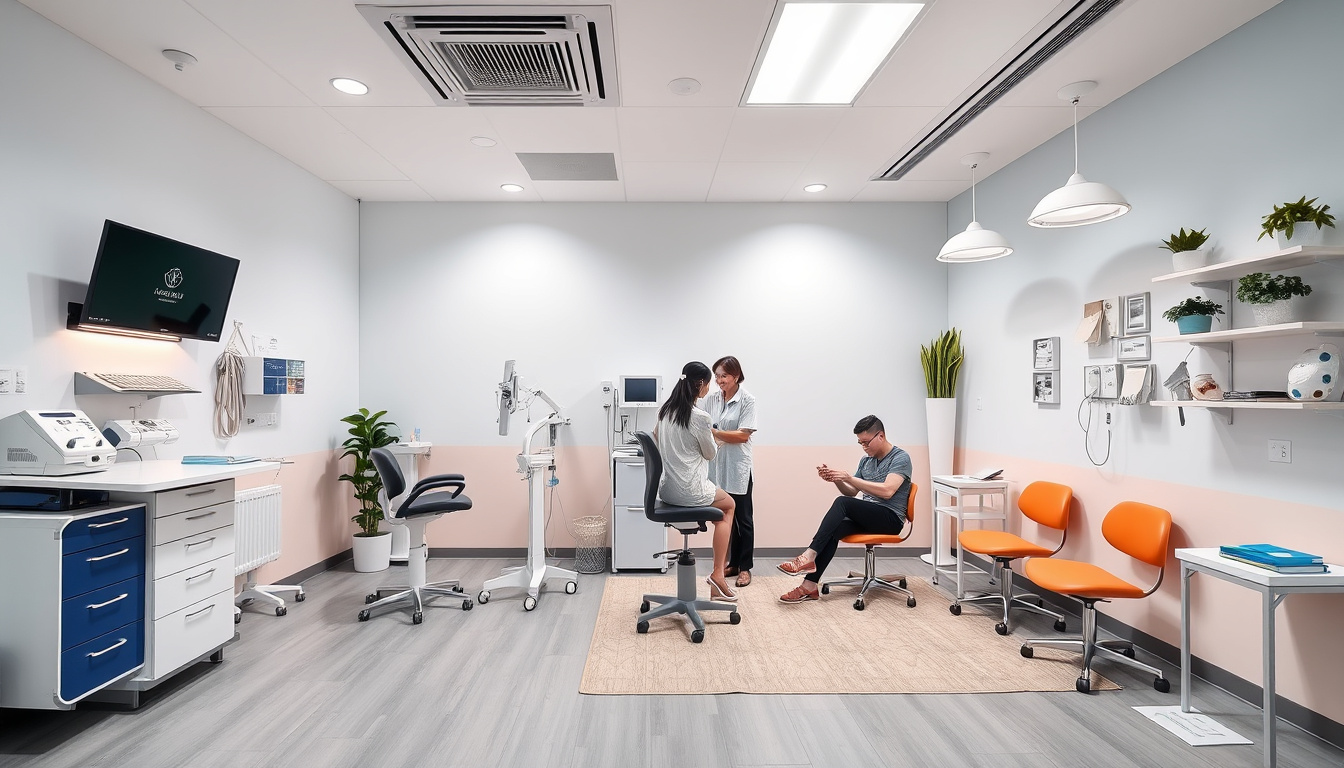
Top Clinics for Trigger Finger Treatment in Singapore
### Top Clinics for Trigger Finger Treatment in Singapore
If you’re experiencing discomfort or limited mobility in your fingers due to trigger finger, getting the right treatment is essential for regaining your full range of motion. Trigger finger, medically known as stenosing tenosynovitis, occurs when the sheath surrounding the tendon in your finger becomes inflamed, making it difficult to flex or extend your fingers comfortably. For residents seeking relief, understanding where to find the best physio for trigger finger in Singapore can make a significant difference. Here are some of the most reputable clinics that specialize in treating this condition:
1. The Pain Relief Practice – Established in 2007, this clinic has built its reputation on providing effective pain management solutions. Not only do they cater to patients with trigger finger, but they have also treated celebrities and national athletes, showcasing their expertise in sport-specific physiotherapy.
2. Integrated Rehab Pte Ltd – Known for their comprehensive approach, Integrated Rehab focuses on both physical therapy and rehabilitation exercises aimed at restoring finger function. Their team of experienced physiotherapists uses a variety of techniques, including manual therapy and ultrasound treatment.
3. PhysioFit – This clinic boasts a team of skilled physiotherapists adept at identifying the underlying causes of trigger finger and tailoring treatment plans accordingly. They also offer ergonomic assessments to ensure your workspace is optimized to prevent future issues.
4. Core Concepts – With a holistic approach to rehabilitation, Core Concepts employs various modalities, from dry needling to acupuncture, in treating trigger finger. Their personalized treatment plans are crafted to address patients’ unique needs and goals.
5. Simply Physio – This clinic focuses on providing patient-centered care, ensuring that every treatment plan is specifically customized. Their physiotherapists employ effective hands-on techniques along with guided exercises to alleviate trigger finger symptoms.
Finding the best physio for trigger finger in Singapore can be transformative, turning pain into relief and getting you back to everyday activities. Remember that seeking early intervention can be key to a successful recovery.
Effective Treatment Techniques Used by Physiotherapists
### Effective Treatment Techniques Used by Physiotherapists
When dealing with conditions such as trigger finger, finding the best physio for trigger finger in Singapore can significantly enhance your comfort and mobility. Physiotherapy is a highly impactful method for managing musculoskeletal signs and symptoms associated with this common ailment, which involves the catching or locking of fingers due to inflammation of the tendons.
Physiotherapists employ a variety of techniques tailored to each patient’s specific needs. Here are some effective treatment techniques that are commonly used:
1. Manual Therapy: This hands-on approach is crucial in reducing stiffness and restoring the flexibility of the joint. Physiotherapists use specific techniques to manipulate the affected finger and surrounding tissue, alleviating pressure and encouraging smoother movement.
2. Ultrasound Therapy: By using sound waves to promote tissue healing, ultrasound therapy can effectively reduce pain and inflammation in the affected area. It enhances the blood flow which is essential for recovery.
3. Therapeutic Exercises: Specific exercises designed to strengthen the finger and hand can be included as part of the treatment plan. These may involve stretching or strengthening exercises that aim to restore optimal function and prevent recurrence.
4. Splinting Techniques: In cases where rest is necessary, the physiotherapist may recommend a splint to immobilize the finger and mitigate swelling, allowing the tendon to heal.
5. Education & Advice: Effective treatment is also about empowering patients. Physiotherapists at The Pain Relief Practice provide education on managing symptoms, ergonomic advice for daily activities, and appropriate home exercises to ensure long-term relief.
If you’re looking for a specialized clinic, The Pain Relief Practice has established itself as one of the leading physiotherapy centers in Singapore, offering comprehensive treatment options for musculoskeletal issues since
2007. They have successfully treated a myriad of individuals, including celebrities and national athletes, helping them overcome pain and resume their physical activities with ease.
Patients seeking the best physiotherapy for trigger finger can expect a caring environment where personalized treatment plans focus on relieving discomfort and enhancing overall joint health.

Expert Tips for Managing Trigger Finger at Home
Managing trigger finger at home can often feel daunting, but with the right approach, individuals can significantly alleviate their symptoms. Here are some expert tips to help you cope with trigger finger, especially for those seeking the best physio for trigger finger in Singapore:
1. Rest Your Hand: Allow your fingers some downtime. If possible, minimize activities that require repetitive gripping or gripping in awkward positions.
2. Ice Therapy: Apply ice packs to the affected area for 15-20 minutes several times a day. This reduces inflammation and numbs the pain.
3. Gentle Stretches: Practice gentle stretches for your fingers to improve flexibility and strength. Simple movements, like extending your fingers and making a fist slowly, can help.
4. Massage: Massage the base of the affected finger, as this can boost circulation and relieve tension. Consider using a warm oil for added benefits.
5. Ergonomic Adjustments: Evaluate your workspace and daily tools. Using ergonomic devices can lessen strain on your fingers and hands.
6. Heat Therapy: After a few days of icing, consider switching to heat therapy. Applying heat can accelerate blood flow and ease muscle stiffness.
7. Splinting: Using a splint can help immobilize the affected finger, ensuring it remains in a straightened position and reducing discomfort.
8. Over-the-Counter Pain Relief: Non-steroidal anti-inflammatory medications (NSAIDs) like ibuprofen can help reduce pain and inflammation, but be sure to consult with a healthcare provider.
By implementing these expert tips into your daily routine, you can manage trigger finger effectively and maintain your quality of life. Should the symptoms persist or worsen, seeking treatment from the best physio for trigger finger in Singapore, such as The Pain Relief Practice, can provide further relief and expert guidance.
We are a specialized physio treatment center for savvy people who want real results.
While we are not suitable for someone looking for ‘cheap physiotherapy’ or ‘free exercises available on youtube’, our treatments are affordable and are often claimable with company flexi-benefits, company health insurance, travel insurance, personal accident insurance, and other insurance plans.
Simply whatsapp or call: +65 97821601 and let us know how to help.
If you prefer a convenient nutritional preventive option, Regenerix Gold is our top recommended joint supplement.
We have been recommending this joint supplement for over a decade.
Simply start with 3 capsules, once a day.
If you do not feel better within a week, increase to 2 capsules, twice a day. (4 capsules a day in total)
Our blog readers qualify for a special discount.
Simply use the link below and a discount will automatically be applied during checkout.

 PROVIDING FAST, EASY & INSURANCE CLAIMABLE PAIN RECOVERY SINCE 2007