
If you’re in Singapore and your back locks after sitting too long, your knee clicks on stairs, or your neck jams after long hours at the computer, clinical biomechanics helps explain why your body hurts. It does not treat a single painful spot. It studies how joints, muscles, and posture work together when you walk to the MRT, carry groceries from NTUC, or work long days at the office.
Below you will learn key clinical biomechanics secrets. They explain stubborn aches, recurring strains, and that persistent feeling that your body is out of alignment. You will also see how a specialized clinic like The Pain Relief Practice in Singapore uses this science to deliver long-lasting results.
What Is Clinical Biomechanics, In Simple Terms?
Clinical biomechanics studies how your body moves, bears weight, and adapts in daily tasks. It also shows how these patterns can cause or relieve pain.
Instead of asking only, “Where does it hurt?”, clinical biomechanics asks:
- How does your spine sit when you sit or stand?
- What happens at your knee the moment your foot lands?
- Which muscles work too hard because others are off?
- How do your joints buffer impact when you run, lift, or climb stairs?
For people who suffer from joint or muscle issues, clinical biomechanics connects:
- “My MRI or X-ray looks normal”
with - “But my knee, neck, or back still hurts every day.”
It focuses on function. It does not rely only on images or painkillers.
Secret #1: Pain Is Often a Compensation, Not the Main Problem
Have you ever felt that:
- One side of your body is tighter than the other?
- You feel pain on one side even when the other feels weak?
- Your “good leg” suddenly turns into the “bad leg”?
Clinical biomechanics shows that pain often appears where your body is compensating. The pain is not always where the problem began.
For example:
- Your knee hurts. The real issue is your flat feet collapsing inward with each step, twisting your knee.
- Your lower back seizes up. Your stiff hips and weak core make your back do all the work.
- Your shoulder aches when you lift your arm. The cause is a rounded upper back and a tight chest from hunching over your laptop.
How a Biomechanics Assessment Spots This
At a specialized center like The Pain Relief Practice, a biomechanics assessment does more than poke at the pain. It usually includes:
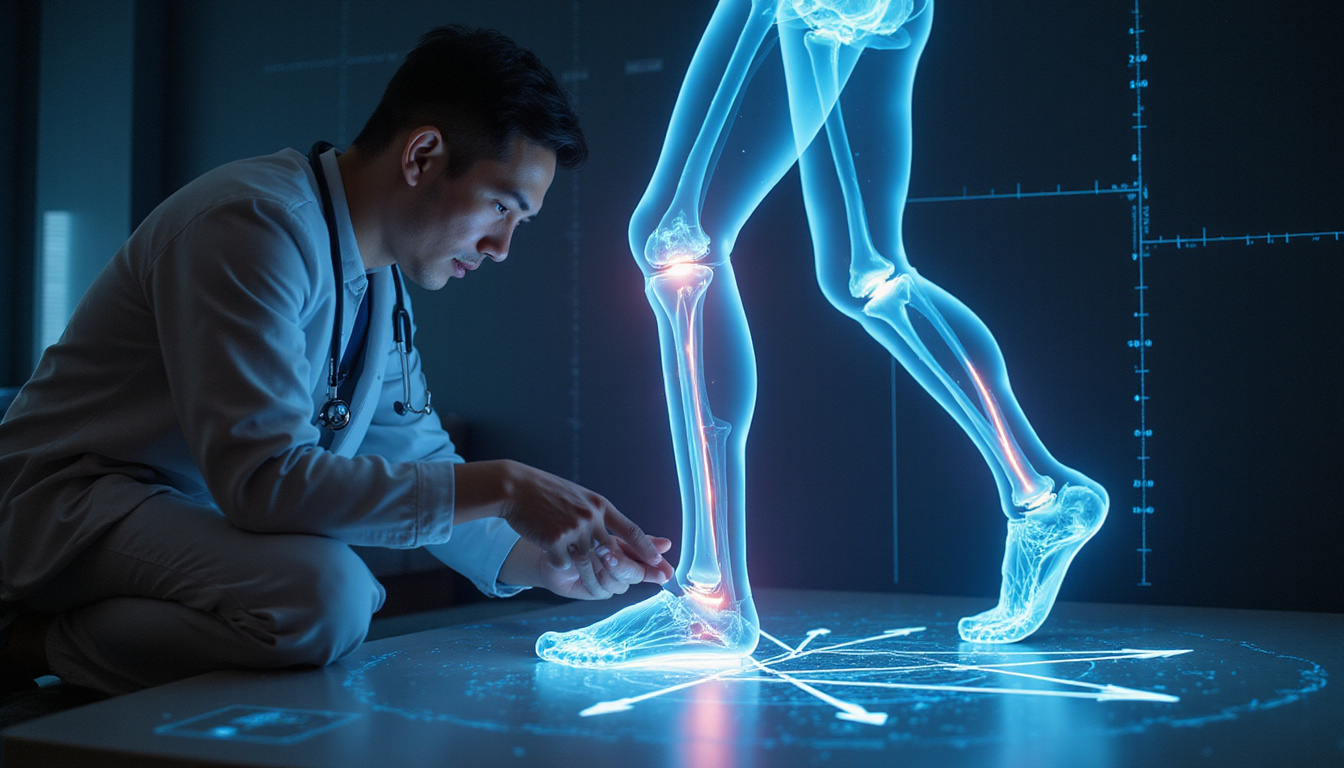
- Gait analysis: It watches how your feet land, your knees track, and your hips rotate.
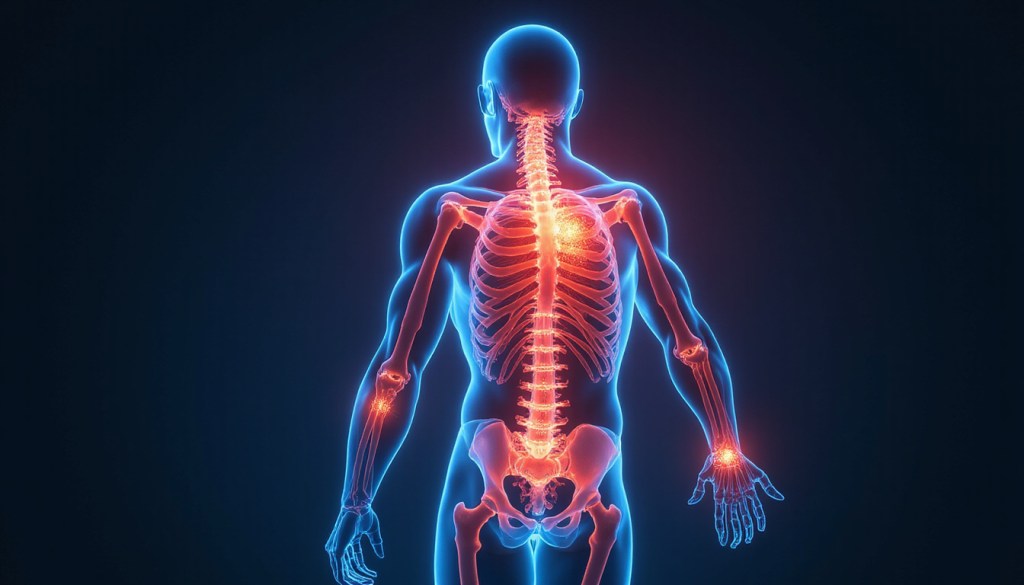
- Postural screening: It checks your head position, shoulder rounding, swayback, and pelvic tilt.
- Functional tests: It sees how you squat, stand on one leg, lunge, or reach.
- Muscle checks: It looks at which muscles are tight and which are not active.
By viewing the whole chain, the assessment helps treat the real source instead of just chasing symptoms.
Secret #2: Micro-Stresses From Daily Singapore Life Add Up
Many people think injuries come only from clear accidents. But clinical biomechanics shows that micro-stresses in everyday activities also hurt over time.
Some common sources are:
- Long MRT or bus rides with subsequent long hours at a desk: your hips stiffen, your back rounds, and your neck leans forward.
- Sitting cross-legged at work or at home: your pelvis rotates and one side of your spine compresses more.
- Intense weekend sports after a long week of sitting: your joints and tendons are not used to the extra load.
- Walking in unsupportive shoes on hard pavements: your arches collapse, which affects your ankles, knees, hips, and lower back.
These small, repeated stresses slowly:
- Wear down cartilage,
- Irritate tendons,
- Tighten some muscles while turning off others.
By the time you feel pain, the faulty pattern may have lasted for years.
Secret #3: Alignment Isn’t Just Posture—It’s Load Distribution
Many say, “My posture is bad.” But clinical biomechanics cares more about how weight is distributed across your joints.
Key alignment issues include:
- Forward head posture: It adds extra force on your neck joints and discs and can lead to stiffness, headaches, and tension around the shoulder blades.
- Rounded upper back: It limits shoulder movement and may cause impingement, rotator cuff strain, or frozen shoulder-type symptoms.
- Anterior pelvic tilt (where the butt sticks out and the tummy pushes forward): It overloads your lower back, tightens hip flexors, and weakens your glutes and deep core.
- Knock knees or bow legs: They change how forces travel through your knee and can boost wear in particular areas.
Clinical biomechanics shows that even a small misalignment can change joint loading. This helps explain why:
- An MRI can show only mild wear, yet you feel strong pain.
- Two people with similar images have different pain levels—one moves well, while the other struggles.
Correcting posture is not about sitting up straight for a few minutes. It is about retraining your body to stack and load correctly all day.
Secret #4: Weak Links Cause Overuse Injuries in Strong Areas
Many Singaporeans who exercise are shocked when a strong area eventually fails. For example:
- You suffer Achilles tendon pain even though you run often.
- You develop tennis elbow from typing or using the mouse.
- Your shoulder aches even though you can bench press or carry heavy loads.
Clinical biomechanics shows that this is often due to a weak link in your body:
- Weak glutes make your calf and Achilles work too hard during running.
- Poor scapular control forces your elbow and wrist to bear more strain when you use the mouse or lift things.
- A stiff upper spine makes the shoulder compensate, which may lead to impingement or rotator cuff issues.
Common Weak-Link Patterns
- Runners: They often have tight hip flexors, weak glutes, and poor foot mechanics.
- Office workers: They might experience a tight chest, overactive upper traps, and weak mid-back and deep neck flexors.
- Gym-goers: Their superficial muscles (like quads, pecs, and traps) may be strong, but their stabilizers (deep core, rotator cuff, and hip stabilizers) can be weak.
Fixing a weak link reduces the strain on the area that has to take extra load. This is when chronic pain can begin to ease.
Secret #5: Clinical Biomechanics Can Boost Performance, Not Just Reduce Pain
Many patients in Singapore do not only want to escape pain. They want to:
- Run faster without their knee flaring out.
- Lift heavier without straining their back.
- Play sports on the weekend without a limp on Monday.
By improving movement and load distribution, clinical biomechanics can:
- Boost joint efficiency.
- Cut down on wasted effort and compensations.
- Help muscles fire in the right order.
- Improve stability for better power transfer.
That is why The Pain Relief Practice is trusted by everyday patients, as well as by celebrities and national athletes who depend on their bodies to perform at the highest level without pain.
How The Pain Relief Practice Uses Clinical Biomechanics in Singapore
Since 2007, The Pain Relief Practice has been one of Singapore’s well-established physiotherapy and pain treatment centers. We help people who are serious about:
- Solving stubborn pain issues,
- Regaining healthy joints and muscles,
- Boosting performance and daily comfort.
Our approach includes:
-
Detailed Clinical Assessment
- We analyze posture and movement.
- We examine joint mobility and stability.
- We check muscle length, strength, and control.
- We identify faulty loading patterns.
-
Targeted Hands-On Treatment
- We use joint mobilization and manual therapy.
- We apply myofascial release and trigger point work.
- We use techniques that unlock or free up stiff areas.
-
Biomechanics-Driven Rehab and Retraining
- We guide corrective exercises to re-align joints and rebalance muscles.
- We retrain gait and movement—how you walk, stand, lift, and reach.
- We use progressive loading to rebuild strength and resilience.
-
Performance and Longevity Focus
- We advise on workstation setup, footwear, and daily habits.
- We offer sports-specific tweaks for running, gym workouts, racket sports, and more.
- We create long-term joint health plans instead of short-term fixes.
Real Results
Celebrities and National Athletes
Over the years, we have helped local celebrities and national athletes. They rely on our biomechanical precision, whether they work at a desk, care for a family, or play sports on the weekend.
What a Clinical Biomechanics–Informed Visit Might Look Like
If you come to The Pain Relief Practice with chronic knee pain when climbing stairs, your session might include these steps:
- We watch you walk and climb a step.
- We check your foot posture (flat, high arch, pronation, or supination).
- We test your hip strength and control, especially your glutes.
- We examine hip and ankle mobility.
- We look at your pelvic alignment and core stability.
- We gently palpate your knee to find irritated tissues.
Instead of only offering ultrasound, massage, or generic exercises, your plan can include:
- Manual work to free stiff joints (like the ankle or hip),
- Release work on overloaded areas (like the IT band or quads),
- Foot and hip strengthening to improve knee tracking,
- Specific drills to help you climb stairs without pain.
This approach turns a vague “knee strain” diagnosis into a clear explanation:
Your knee twists inward with each step because your arch collapses and your hip fails to control rotation. We fix this pattern, not only the inflammation.
Simple Self-Checks You Can Try at Home
These quick checks do not replace a full assessment, but they may hint at issues:
-
Single-Leg Stand Test
Stand on one leg for 30 seconds:- Do your hips drop to one side?
- Does your knee cave inward?
- Do your toes grip the floor unusually?
-
Wall Posture Test
Stand with your back against a wall and your heels a few centimeters away:- Can your shoulders and the back of your head touch the wall without strain?
- If not, your upper back and neck posture may add to shoulder or neck pain.
-
Deep Squat Test
Try a deep squat, as far as you feel comfortable:- Do your heels lift?
- Does your lower back round too quickly?
- Do your knees collapse inward?
Any clear difficulty or asymmetry may mean you could benefit from a biomechanics assessment.
Why Savvy Patients Choose a Biomechanics-Focused Clinic
If you have tried:
- Painkillers repeatedly,
- Generic exercises from YouTube,
- Short-term relief that fades quickly,
- And been told “just rest” without clear answers…
Then a clinical biomechanics approach might be the change you need.
At The Pain Relief Practice, we:
- Treat both pain and function together.
- Look beyond the pain spot to the whole kinetic chain.
- Create a customized plan that fits your life in Singapore—your work, your sport, your family.
You do not have to live with pain or avoid the activities you enjoy. With the right biomechanical insights and treatment, your joints and muscles can move better, hurt less, and last longer.
FAQ: Clinical Biomechanics and Pain in Singapore
1. How can clinical biomechanics help with chronic back and neck pain?
Clinical biomechanics examines how your spine sits, how your pelvis tilts, and how your head and shoulders line up over your torso. In Singapore, long office hours and frequent device use can lead to forward head posture, rounded shoulders, and stiff hips. By fixing these movement patterns and retraining your muscles, we can reduce stress on your discs and joints. This helps ease chronic back and neck pain on a lasting basis.
2. Is clinical biomechanics only for athletes, or can it help office workers too?
Clinical biomechanics is important for everyone. Many office workers in Singapore suffer from overload caused by long hours of sitting, poor ergonomics, and little movement. Whether you face “mouse shoulder”, tension headaches, or lower back tightness, a biomechanics approach can fix the movement and posture issues behind your pain.
3. What is the difference between regular physiotherapy and a clinical biomechanics–focused approach?
Traditional physiotherapy might concentrate on the painful area using local treatments and exercises. In contrast, a clinical biomechanics–focused approach, like ours at The Pain Relief Practice, studies how your whole body moves, bears weight, and compensates. We assess your gait, posture, joint alignment, and muscle balance. Then we create treatment and rehabilitation plans that fix the overall movement pattern rather than just soothing the hurt spot.
Ready to Understand Why Your Body Hurts—And Fix It?
If your joints feel worn, your muscles stay tight, or you’re tired of pain that returns when you sit, stand, run, or lift, clinical biomechanics can reveal hidden causes.
The Pain Relief Practice has helped Singaporeans since 2007. We blend clinical biomechanics, hands-on treatment, and smart rehabilitation to:
- Solve stubborn neck, back, shoulder, hip, knee, and foot pain,
- Restore healthy, efficient movement,
- Let you enjoy work, sports, and family time with a body that is strong and resilient.
You can learn more about our clinic, read reviews, and check our location here:
https://share.google/UwMU2I9zUCwXVh0Lg
If you are a savvy patient in search of clear answers, real results, and long-term relief for your joints and muscles, consider booking a biomechanics-informed assessment. Take your first step toward moving—and living—without constant pain.
We are a specialized physio treatment center for savvy people who want real results.
While we are not suitable for someone looking for ‘cheap physiotherapy’ or ‘free exercises available on youtube’, our treatments are affordable and are often claimable with company flexi-benefits, company health insurance, travel insurance, personal accident insurance, and other insurance plans.
Simply whatsapp or call: +65 97821601 and let us know how to help.
If you prefer a convenient nutritional preventive option, Regenerix Gold is our top recommended joint supplement.
We have been recommending this joint supplement for over a decade.
Simply start with 3 capsules, once a day.
If you do not feel better within a week, increase to 2 capsules, twice a day. (4 capsules a day in total)
Our blog readers qualify for a special discount.
Simply use the link below and a discount will automatically be applied during checkout.
 PROVIDING FAST, EASY & INSURANCE CLAIMABLE PAIN RECOVERY SINCE 2007