
Do you find yourself experiencing pain or difficulty in bending your finger? You might be suffering from trigger finger, a common condition causing stiffness and discomfort, especially prevalent in those we’re passionate about helping at The Pain Relief Practice here in Singapore. Understanding physiotherapy for trigger finger in Singapore is crucial for regaining movement and alleviating pain. This article delves into what trigger finger is, and the role of expert physiotherapy in managing this condition to boost your quality of life.

Key Takeaways
- Trigger finger is caused by inflammation and can lead to discomfort in hand movement.
- Physiotherapy is crucial in alleviating the symptoms and improving flexibility in affected fingers.
- Expert physiotherapists utilize techniques like massage and stretching tailored for trigger finger relief.
- Choosing a certified physiotherapist in Singapore can enhance treatment effectiveness and recovery speed.
- Incorporating preventive exercises can help reduce the risk of developing trigger finger again.
Understanding Trigger Finger: Causes and Symptoms
### Understanding Trigger Finger: Causes and Symptoms
Trigger finger is a condition that affects the tendons in your fingers, making it painful and difficult to bend or straighten them. If you’re experiencing stiffness or discomfort in your fingers or a noticeable popping sensation when you attempt to move them, you could be dealing with trigger finger. This condition is common among people in Singapore, particularly those who engage in repetitive hand motions, such as typing or playing musical instruments.
The primary causes of trigger finger include repetitive thumb movements, inflammatory conditions such as arthritis, and certain medical conditions that can affect tendon health. Symptoms often start as mild stiffness in the morning, which may worsen throughout the day. If left untreated, you may notice a finger becoming locked in a bent position, requiring manual effort to straighten it.
Worry not; physiotherapy for trigger finger in Singapore is an effective treatment option, helping alleviate pain and restore functionality. Engaging with a specialized physiotherapist can make a significant difference, allowing you to regain the flexibility and strength in your fingers.
The Role of Physiotherapy in Treating Trigger Finger
### The Role of Physiotherapy in Treating Trigger Finger
If you experience pain, stiffness, or a clicking sensation when moving your fingers, you might be dealing with a condition known as trigger finger, or stenosing tenosynovitis. This condition often arises from inflammation of the tendons that flex the fingers, making it painful to extend or straighten them. In Singapore, effective physiotherapy for trigger finger has emerged as a crucial component of rehabilitation and pain relief.
Physiotherapy focuses on addressing the underlying issues of trigger finger rather than merely alleviating symptoms. Physiatrists utilize a range of techniques tailored to each individual’s needs, including manual therapy, stretching exercises, and ergonomic advice to ease pain and improve mobility. The aim is not only to reduce discomfort but also to restore full function to the affected finger, allowing individuals to perform daily tasks without hindrance.
In sessions at specialized clinics such as The Pain Relief Practice, patients may undergo various types of treatments:
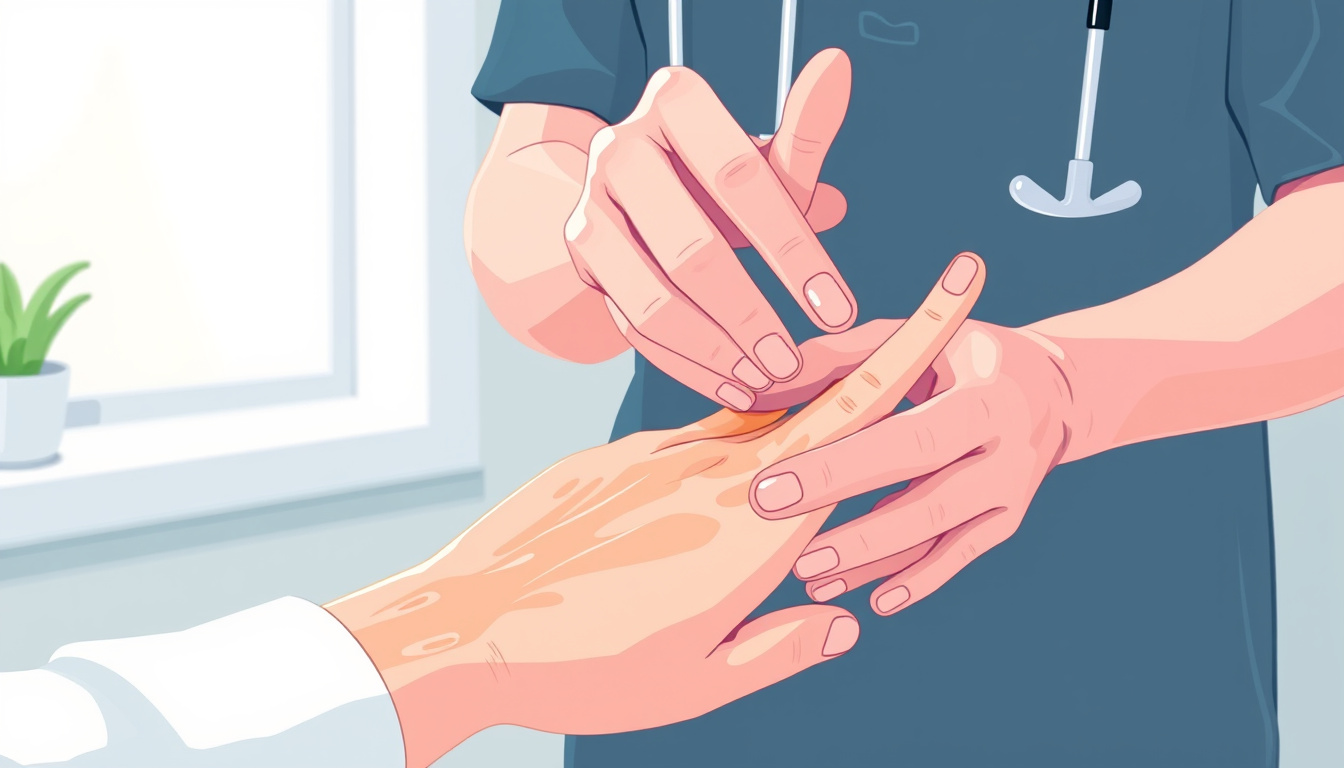
1. Manual Therapy: Skilled physiotherapists use hands-on techniques to improve tendon glide and decrease inflammation.
2. Therapeutic Exercises: A customized exercise program focuses on strengthening and improving the range of motion of the affected fingers.
3. Ultrasound Therapy: This may be used to reduce inflammation and accelerate the healing process.
4. Education and Ergonomics: Guidance on hand positioning and movements helps prevent future flare-ups.
With the right physiotherapy intervention, many patients notice significant improvements in their symptoms, recovery of mobility, and enhancement of quality of life. The Pain Relief Practice has been helping individuals in Singapore with various musculoskeletal issues since 2007, providing effective physiotherapy for trigger finger and ensuring that their patients can return to their hobbies and daily activities pain-free.
‘The best way to find yourself is to lose yourself in the service of others.’ – Mahatma Gandhi
Expert Techniques Used in Physiotherapy for Trigger Finger
## Expert Techniques Used in Physiotherapy for Trigger Finger
When managing a condition like trigger finger, professional expertise in physiotherapy is crucial. Here in Singapore, physiotherapy for trigger finger employs a variety of targeted techniques tailored to relieve symptoms and restore function.
1. Therapeutic Exercises: A skilled physiotherapist will guide you through customized exercises aimed at increasing the flexibility and strength of your fingers and hands. These exercises not only alleviate stiffness but also help in retraining muscle memory.
2. Manual Therapy: This involves the hands-on manipulation of tissues to relieve tension and improve mobility. This can be especially beneficial for patients experiencing pain and restricted movement.
3. Ultrasound Therapy: This technique uses sound waves to promote healing in the affected tendons. Inflammation is again targeted, which can ease discomfort and facilitate a more efficient recovery process.
4. Taping Techniques: Sometimes, physiotherapists use strategic taping to stabilize the finger and prevent aggravation of the condition while allowing for gentle movement.
5. Education and Ergonomics: A significant aspect of physiotherapy involves educating patients about proper hand posture and ergonomics to avoid future occurrences, which is particularly vital for those engaging in repetitive tasks at work or during hobbies.
Incorporating these physiotherapy techniques for trigger finger consistently can lead to profound improvements in function and pain reduction, ultimately helping you regain your quality of life.
Finding the Right Physiotherapist in Singapore
When seeking physiotherapy for trigger finger in Singapore, it’s essential to choose a practitioner who truly understands the nuances of this condition. Trigger finger, or stenosing tenosynovitis, causes pain and a clicking or locking sensation in the finger when moving it. It can arise from repetitive motion, overuse, or certain medical conditions such as diabetes or arthritis. As this condition tends to affect daily activities, the right physiotherapist will not only work on relieving pain but also provide a tailored rehabilitation program that promotes optimal recovery.
In Singapore, a reputable clinic like The Pain Relief Practice is notable for its success in treating musculoskeletal issues, including trigger finger. Serving the community since 2007, this established physiotherapy center has dealt with a diverse clientele, ranging from office workers to national athletes. Their dedicated approach focuses on identifying the root cause of discomfort, allowing them to implement effective treatment strategies. Look for physiotherapists who have extensive experience with trigger finger to ensure you receive the best care tailored to your situation.
Preventive Measures and Exercises for Trigger Finger
### Preventive Measures and Exercises for Trigger Finger
Physiotherapy for trigger finger in Singapore is an effective approach to managing the discomfort and functional limitations associated with this condition. However, understanding preventive measures and engaging in specific exercises can also play a crucial role in alleviating symptoms and preventing future flare-ups.
####
1. Ergonomic Adjustments
Make adjustments in your daily environment to prevent strain on your fingers. Ensure that your workspace is set up to minimize excessive gripping or repetitive motions. Use tools designed to reduce pressure on your fingers, such as ergonomic handles and specialized grips.
####
2. Stretching Exercises
Incorporate regular stretching exercises to maintain flexibility in the fingers and prevent stiffness. Consider the following:
– Finger Extensions: Open your hand wide, spreading your fingers apart and then curling them into a fist. Hold for 5 seconds and repeat 10-15 times.
– Thumb Stretch: Gently pull the thumb back while holding the rest of the fingers together. Hold for 5-10 seconds and repeat for both hands.
####
3. Strengthening Exercises
Building strength in the hand muscles can significantly support joint stability. Try these exercises:
– Squeeze a Stress Ball: Use a stress ball to strengthen your grip. Squeeze and hold for a few seconds, then release. Repeat this 10-15 times.
– Finger Pinches: Pinch a soft object like a cloth or sponge between your thumb and fingers to engage the muscles.
####
4. Ice Therapy
Applying ice packs to the affected fingers can help reduce inflammation and alleviate pain. Consider using this method after activities that exacerbate your symptoms.
####
5. Rest and Recovery
Ensure that you give your hands ample time to rest, especially following tasks that involve repetitive movements. Prolonged use without breaks can worsen symptoms.
Utilizing physiotherapy for trigger finger can provide additional tailored strategies and treatments that can complement these preventive measures. The experts at The Pain Relief Practice in Singapore have significant experience in helping patients alleviate the discomfort of trigger finger, allowing them to regain the use of their hands and enhance their quality of life.
We are a specialized physio treatment center for savvy people who want real results.
While we are not suitable for someone looking for ‘cheap physiotherapy’ or ‘free exercises available on youtube’, our treatments are affordable and are often claimable with company flexi-benefits, company health insurance, travel insurance, personal accident insurance, and other insurance plans.
Simply whatsapp or call: +65 97821601 and let us know how to help.
If you prefer a convenient nutritional preventive option, Regenerix Gold is our top recommended joint supplement.
We have been recommending this joint supplement for over a decade.
Simply start with 3 capsules, once a day.
If you do not feel better within a week, increase to 2 capsules, twice a day. (4 capsules a day in total)
Our blog readers qualify for a special discount.
Simply use the link below and a discount will automatically be applied during checkout.

 PROVIDING FAST, EASY & INSURANCE CLAIMABLE PAIN RECOVERY SINCE 2007