
Unlocking Recovery: Effective Trigger Finger Rehab Solutions in Singapore
If you’re experiencing discomfort or difficulty in flexing your fingers, you may be dealing with a condition known as trigger finger. This debilitating affliction can leave a significant impact on your daily activities, but fear not—effective trigger finger rehab solutions in Singapore can help unlock your recovery. Understanding the causes and symptoms of trigger finger is crucial for successful treatment, and early intervention is paramount. In this article, we will explore the essential aspects of trigger finger, from its causes and symptoms to effective rehabilitation techniques available in Singapore. Let’s dive into the details to empower you on your journey to recovery.
Key Takeaways
- Understanding the causes and symptoms of trigger finger is crucial for effective rehab.
- Early intervention can significantly improve recovery outcomes for trigger finger.
- There are various effective rehab techniques available for managing trigger finger symptoms.
- Singapore offers numerous resources and support for trigger finger rehabilitation.
- Implementing preventative measures can help reduce the risk of trigger finger recurrence.
Understanding Trigger Finger: Causes and Symptoms
Understanding Trigger Finger: Causes and Symptoms
For those experiencing discomfort in their fingers, one common condition that often goes unnoticed is known as trigger finger. Trigger finger, or stenosing tenosynovitis, can affect one’s daily life drastically, making simple activities like gripping objects or typing quite painful. At The Pain Relief Practice in Singapore, we specialize in treating musculoskeletal conditions, including trigger finger, helping patients regain mobility and reduce pain through effective trigger finger rehab.
Causes of Trigger Finger
While the precise cause of trigger finger is not fully understood, several factors can contribute to its development. Some of the most common causes include:
• Repetitive Motion: Engaging in repetitive hand motions, especially when combined with gripping activities, can cause inflammation within the tendons of the fingers.
• Underlying Health Issues: Conditions such as diabetes, rheumatoid arthritis, or gout have shown a correlation with increased occurrences of trigger finger.
• Age and Gender: This condition is more prevalent in women and in individuals over the age of 40, highlighting the relevance of biological factors.
Symptoms of Trigger Finger
Identifying trigger finger early on can lead to more effective treatment and a quicker recovery. Key symptoms include:
• Pain or tenderness in the affected finger
• Stiffness, particularly in the morning
• A popping or clicking sensation when moving the finger
• The finger may get stuck in a bent position and straighten out suddenly, resembling a trigger being pulled.
If you’re experiencing these symptoms in Singapore, consider seeking specialized trigger finger rehab services at The Pain Relief Practice. With over 16 years of experience, we understand the unique needs of our clients and have successfully treated various musculoskeletal conditions, including trigger finger, with an impressive success rate.
The Importance of Early Intervention in Trigger Finger Rehab
Trigger finger, also known as stenosing tenosynovitis, is a condition that affects the tendons in your fingers, causing pain, stiffness, and a locking or catching sensation when bending or straightening the fingers. In Singapore, many people struggling with this condition may be looking for effective solutions, including trigger finger rehab. Early intervention is essential for managing this issue to prevent further complications and to restore function.
When symptoms of trigger finger arise, such as difficulty in gripping items or experiencing discomfort during movement, it’s crucial not to delay seeking treatment. Many patients initially overlook the signs, thinking that they will resolve on their own. However, failing to address these symptoms early can lead to chronic pain, decreased range of motion, and eventually, surgical intervention. Moreover, individuals in Singapore who engage in repetitive hand activities, such as typing or manual labor, are more susceptible to trigger finger, making it imperative to take action swiftly.
### The Role of Physiotherapy in Trigger Finger Rehab in Singapore
Physiotherapy plays a pivotal role in the rehabilitation process for trigger finger. A tailored rehab program focuses on relieving pain, restoring finger function, and enhancing mobility. Here are some key components of an effective trigger finger rehab program:
1. Assessment: An experienced physiotherapist will conduct a thorough assessment of your hand, evaluating the severity of the condition.
2. Pain Management Techniques: Techniques like ultrasound therapy, ice therapy, or electrotherapy can be utilized to alleviate pain.
3. Stretching and Strengthening Exercises: Specific exercises designed to improve flexibility in the tendon and strengthen surrounding muscles.
4. Joint Mobilization: Hands-on techniques to improve movement in the affected finger.
5. Activity Modification Recommendations: Suggestions on how to alter daily activities to avoid aggravating the symptoms.
These components work together to ensure that patients in Singapore can regain normal function in their hands while minimizing the risk of recurrence.
‘The greatest weapon against stress is our ability to choose one thought over another.’ – William James
Effective Rehab Techniques for Trigger Finger
## Effective Rehab Techniques for Trigger Finger
Trigger finger, known medically as stenosing tenosynovitis, can be a painful and limiting condition, especially for those seeking relief in Singapore. It occurs when the tendons in your fingers become inflamed, causing them to catch or lock up during movement. If you’re experiencing discomfort or limitations in your daily activities because of trigger finger, effective rehabilitation techniques can help restore your mobility and ease your pain. At The Pain Relief Practice, we specialize in trigger finger rehab in Singapore, providing tailored treatments for individuals of all ages.
### Understanding Trigger Finger
Before delving into rehabilitation techniques, it’s essential to understand what trigger finger entails. This condition often arises from repetitive hand movements, excessive gripping, or tightness in the tendon sheath. Symptoms may include:
• Pain at the base of the finger
• A clicking or locking sound when moving the finger
• Stiffness in the affected finger, particularly in the morning
• Swelling at the base of the finger
Effective treatment begins with proper assessment to identify the severity of the condition and develop a personalized rehabilitation program.
### Rehab Techniques to Alleviate Trigger Finger
Here are some common rehabilitation techniques that can aid in relieving the symptoms of trigger finger:
1. Stretching Exercises: Gentle stretching can improve flexibility and reduce stiffness. Simple exercises like extending and flexing the affected finger can be beneficial.
2. Therapeutic Ultrasound: This technique uses sound waves to promote healing in the tendons. It helps decrease inflammation, thus accelerating recovery.
3. Splinting: Wearing a splint to keep the affected finger in a straight position can help minimize strain on the tendons and reduce symptoms, especially at night.
4. Physical Therapy Sessions: Engaging with a physiotherapist can lead to customized training that improves finger function while reducing pain. This may include muscle strengthening exercises or ergonomic training to reduce strain during daily tasks.
5. Cold Therapy: Applying ice packs can help decrease swelling and numb the pain, particularly after activity that exacerbates the condition.
6. Corticosteroid Injections: In some cases, your doctor may recommend steroid injections to reduce inflammation and relieve pain locally.
### The Role of Professional Guidance
Successfully addressing trigger finger requires expert assessment and continuous rehabilitation efforts. At The Pain Relief Practice, our experienced professionals have been helping patients since
2007. We have successfully treated countless patients, including celebrities and national athletes who have trusted us with their rehabilitation. To ensure exceptional care, we provide individualized treatment plans that focus on your specific needs, recovery goals, and lifestyle.
### Why Choose The Pain Relief Practice?
• We are one of Singapore’s more established physiotherapy clinics, emphasizing personalized care.
• Our team of specialists is experienced in modern techniques, ensuring you receive the best possible treatment.
• We have a successful track record of treating musculoskeletal pain, including conditions like trigger finger.
• Our reputation as a trusted clinic is reflected in the numerous athletes and celebrities we’ve assisted in regaining their physical capabilities.
### Conclusion
If you are in Singapore and suffering from trigger finger symptoms, the path to recovery is clearer than you think. Addressing your discomfort through effective rehab techniques can enhance your quality of life significantly. For personalized care that prioritizes your well-being, reach out to us at The Pain Relief Practice, where we work diligently to bring you real results in your recovery journey.
Real Results
Celebrities & National Athletes
### FAQ
Q: What are the signs of trigger finger?
A: Common signs include pain at the finger base, a clicking sensation, and difficulty straightening the finger.
Q: How long does trigger finger take to heal?
A: Healing time varies; however, proper rehab and treatment can significantly expedite recovery, typically within a few weeks to months.
Q: Can trigger finger go away on its own?
A: While it’s possible for symptoms to improve, active intervention through trigger finger rehab in Singapore is recommended for long-term relief.
Rehabilitation Resources and Support in Singapore
### Rehabilitation Resources and Support in Singapore
If you’re dealing with trigger finger, the journey to recovery may seem daunting. However, Singapore offers a plethora of rehabilitation resources and support systems aimed at those experiencing musculoskeletal conditions.
Understanding Trigger Finger
Trigger finger, or stenosing tenosynovitis, is a condition that causes fingers to catch or lock when bent. This frustrating ailment can result from overuse, certain health conditions, or repetitive hand movements. Thankfully, proper rehabilitation can alleviate symptoms, restore function, and improve the overall quality of life for those experiencing discomfort.
Available Treatments
In Singapore, various treatment options can help manage trigger finger. Here’s a look at some of the most effective methods:
1. Physical Therapy: At specialized clinics like The Pain Relief Practice, physiotherapists use targeted exercises and manual therapy to improve flexibility and strength in affected fingers. We have been serving Singapore since 2007 and have extensive experience in treating conditions like trigger finger.
2. Injections: Corticosteroid injections may be offered to reduce inflammation and relieve pain, which can aid in recovery.
3. Orthotics: Custom splints can help immobilize the affected finger, allowing it to rest and heal effectively.
4. Surgery: In more severe cases, a surgical procedure may be necessary to release the tendon sheath and alleviate symptoms.
Patients at The Pain Relief Practice can expect a personalized approach, ensuring that their treatment is tailored specifically to their needs. Our team of skilled practitioners is dedicated to helping patients regain their strength, manage their pain effectively, and enhance their functional abilities.
To help our readers understand more about rehabilitating trigger finger, let’s explore the successful outcomes we’ve facilitated through our methods. We pride ourselves on delivering ‘Real Results’ for our patients.
Preventative Measures: How to Avoid Trigger Finger Recurrence
### Preventative Measures: How to Avoid Trigger Finger Recurrence
When you’re recovering from trigger finger, implementing preventative measures is crucial to prevent recurrence and maintain your hand’s mobility and function. Here are some effective strategies to consider:
1. Modify Hand Movements: Avoid repetitive gripping or tight grasping motions for prolonged periods. If your job or hobbies involve such movements, take frequent breaks to stretch and relax your fingers.
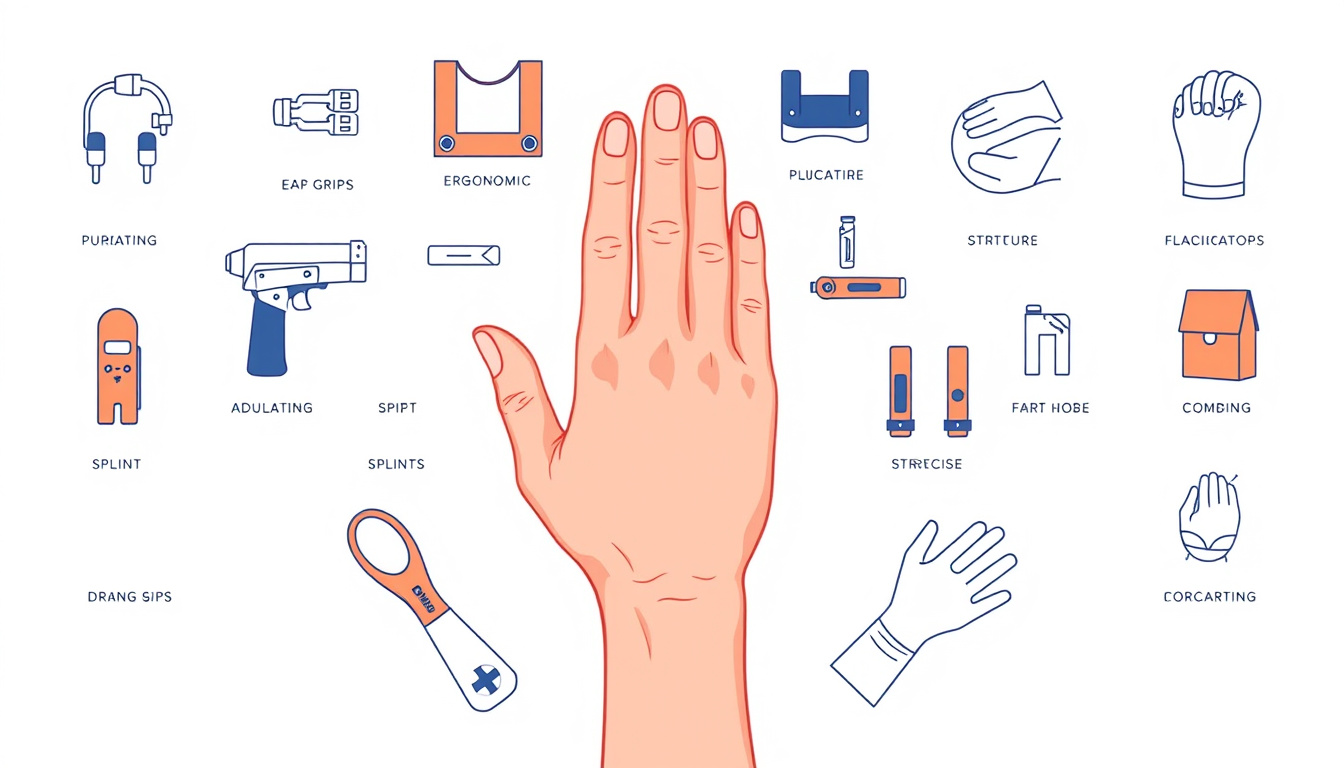
2. Ergonomic Tools: Utilize ergonomic tools designed to minimize strain on your hands. From pens with cushioned grips to specially designed kitchenware, these tools can significantly reduce the risk of over-exertion.
3. Warm-Up Exercises: Start your day with gentle hand and finger stretches or warm-ups. This increases blood flow and flexibility, preparing your muscles for the day’s activities.
4. Strengthening Exercises: Include exercises focused on finger and hand strength in your daily routine. Gradually increasing resistance can help in building resilience against strain.
5. Stay Disciplined with Rehab Exercises: Following your trigger finger rehab plan in Singapore is essential. Regularly practice the exercises provided by your physiotherapist to ensure continued recovery and prevention.
6. Proper Technique: Whether you’re lifting objects or typing, learn proper techniques that reduce wrist and finger strain. This mindfulness in movement is fundamental to long-lasting relief.
7. Avoid Cold Environments: Cold weather can stiffen joints and exacerbate symptoms. Keeping your hands warm and using gloves in colder settings can provide necessary protection.
8. Seek Professional Guidance: Consult with a professional physiotherapy clinic, like The Pain Relief Practice, to explore personalized treatment plans and preventive care strategies. We offer specialized services in Singapore that have helped many recover from trigger finger effectively.
We are a specialized physio treatment center for savvy people who want real results.
While we are not suitable for someone looking for ‘cheap physiotherapy’ or ‘free exercises available on youtube’, our treatments are affordable and are often claimable with company flexi-benefits, company health insurance, travel insurance, personal accident insurance, and other insurance plans.
Simply whatsapp or call: +65 97821601 and let us know how to help.
If you prefer a convenient nutritional preventive option, Regenerix Gold is our top recommended joint supplement.
We have been recommending this joint supplement for over a decade.
Simply start with 3 capsules, once a day.
If you do not feel better within a week, increase to 2 capsules, twice a day. (4 capsules a day in total)
Our blog readers qualify for a special discount.
Simply use the link below and a discount will automatically be applied during checkout.
 PROVIDING FAST, EASY & INSURANCE CLAIMABLE PAIN RECOVERY SINCE 2007