
If you search for pelvic pain physiotherapy because your lower pelvis feels “jammed,” tight, achy, or sharp when you sit, walk, or roll in bed, you are not alone. Many people in Singapore quietly bear pelvic pain for months or years. They say it is “just age,” “old sports injuries,” or something they must live with. In truth, targeted pelvic pain physiotherapy and the right exercises calm the pain fast and help your body move as it should.
Below is a practical, people-first guide for Singaporeans who face stubborn pelvic, hip, groin, or lower back pain.
What Exactly Is Pelvic Pain – And Why Is It So Stubborn?
When you say “pelvic pain,” you may mean:
- A deep ache near the tailbone or sitting bones
- Sharp groin pain when you stand or walk
- Pain when you sit (especially on hard chairs or car seats)
- A “locked-up” feel where your hip meets your lower back
- Pulling or tightness at the front of your hips or lower abs
The pelvis is the central joint of your body:
- It links your spine to your hips and legs
- It holds and supports your pelvic organs
- It forms the base for most moves: standing, walking, running, even turning in bed
When the joints, muscles, ligaments, or pelvic floor here get overloaded or unbalanced, they send pain signals. The area is highly linked. What feels like “hip pain” might come from the pelvic joints, muscles, or both.
Why Pelvic Pain Keeps Coming Back (Even After Rest Or Massage)
Many patients at The Pain Relief Practice share a common tale:
“I rested. I tried massage. The pain eased for a bit, then came back when I returned to my normal routine.”
Common reasons for pelvic pain to return:
-
Only treating the pain spot, not the cause
For example, you may rub the sore groin while the tight hip flexors, weak glutes, or jammed SI joint remain unaddressed. -
Ignoring the pelvic floor
The pelvic floor muscles can grip too hard or be too weak. Both ways, they cause pain. Many assume “weak” means doing more Kegels. But if the muscle is tight, extra Kegels can worsen the pain. -
Poor sitting and standing habits
Long hours at the office, slumping on the sofa, or leaning on one leg at the MRT put extra load on your pelvis. -
Old injuries that were not fully healed
Lip injuries, falls on the tailbone, pregnancy, or groin pulls from sports can keep the pelvis in a compensating mode for years. -
General stiffness and low load tolerance
If your joints and muscles cannot take your daily load—such as walking, climbing stairs, or carrying kids or groceries—pain shows up as a sign.
Pelvic pain physiotherapy works by finding and fixing these patterns step by step.
How Pelvic Pain Physiotherapy Helps – The Singapore Context
In Singapore, many of us sit at desks, drive, or stand for long hours. Our pelvis feels constant stress. Pelvic pain physiotherapy is not about generic stretches. It is a clear, evidence-based method that may include:
- A detailed check of your pelvis, hips, spine, and how you walk
- A look for irritation in the pelvic joints (especially the SI joints)
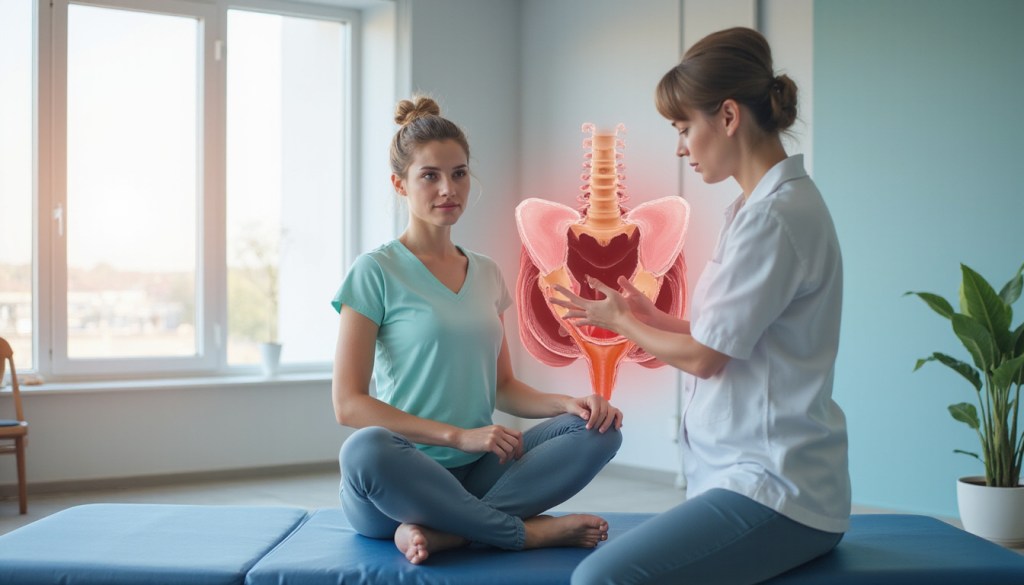
- An assessment of pelvic floor tension and strength
- A test to see how your core, glutes, and hip muscles act together
- A check for daily triggers: chairs, footwear, gym technique, or sport moves
At The Pain Relief Practice, we serve patients who want long-term solutions. Since 2007, our clinic in Singapore is trusted by celebrities and national athletes who need strong, performance-level recovery.
Gentle Pelvic Pain Relief: Start With These Expert Exercises
These exercises are general guidelines and common in pelvic pain physiotherapy. They should feel pain-free and simple. If any exercise makes your pain worse, stop and get a checkup.
1. Pelvic Floor Relaxed Breathing (For Gripping Or Tightness)
Many people with pelvic pain have pelvic floor muscles that grip too hard.
How to do it:
- Lie on your back with your knees bent and feet flat, or sit with back support.
- Place one hand on your lower ribs and one on your lower tummy.
- Breathe in slowly through your nose for 4 seconds. Feel your ribs and tummy widen gently.
- Exhale slowly for 6–8 seconds. Imagine your pelvic floor dropping like a loose hammock.
- Repeat for 10–15 breaths.
Do this 2–3 times a day, especially when pain flares or your pelvis feels tight.
2. Supported Child’s Pose Hip & Pelvic Stretch
This stretch helps if you have a deep ache near the tailbone, SI joints, or lower back.
How to do it:
- Kneel on a mat with your knees a little apart.
- Sit your hips back toward your heels and stretch your arms forward. Rest your forehead on a cushion or your hands.
- If the stretch feels too strong, use a pillow between your hips and heels.
- Breathe into your lower ribs and back, hold for 30–60 seconds.
Aim for 2–3 reps, 1–2 times daily.
3. Hip Flexor Release (For Front-Of-Hip Pulling Or Pinching)
Tight hip flexors are common with Singapore office workers and drivers.
How to do it:
- Kneel on one knee (use a cushion for comfort) and step the other foot forward so that the knee is bent at 90°.
- Keep your torso upright. Gently tuck your tailbone under, as if you are zipping up tight jeans.
- Shift your weight forward gently until you feel a stretch in the front of the kneeling hip.
- Hold for 20–30 seconds while breathing steadily.
Repeat 2–3 times per side.
4. Glute Bridges (To Rebuild Pelvic Support)
If your glutes are weak or “asleep,” your pelvis and lower back take too much load.
How to do it:
- Lie on your back with your knees bent and feet hip-width apart.
- Gently tighten your lower tummy and squeeze your buttocks.
- Lift your hips slowly until your shoulders, hips, and knees form a straight line.
- Hold for 3–5 seconds and then lower slowly.
Start with 8–10 repetitions, 1–2 sets. You should mainly feel this in your buttocks, not your lower back.
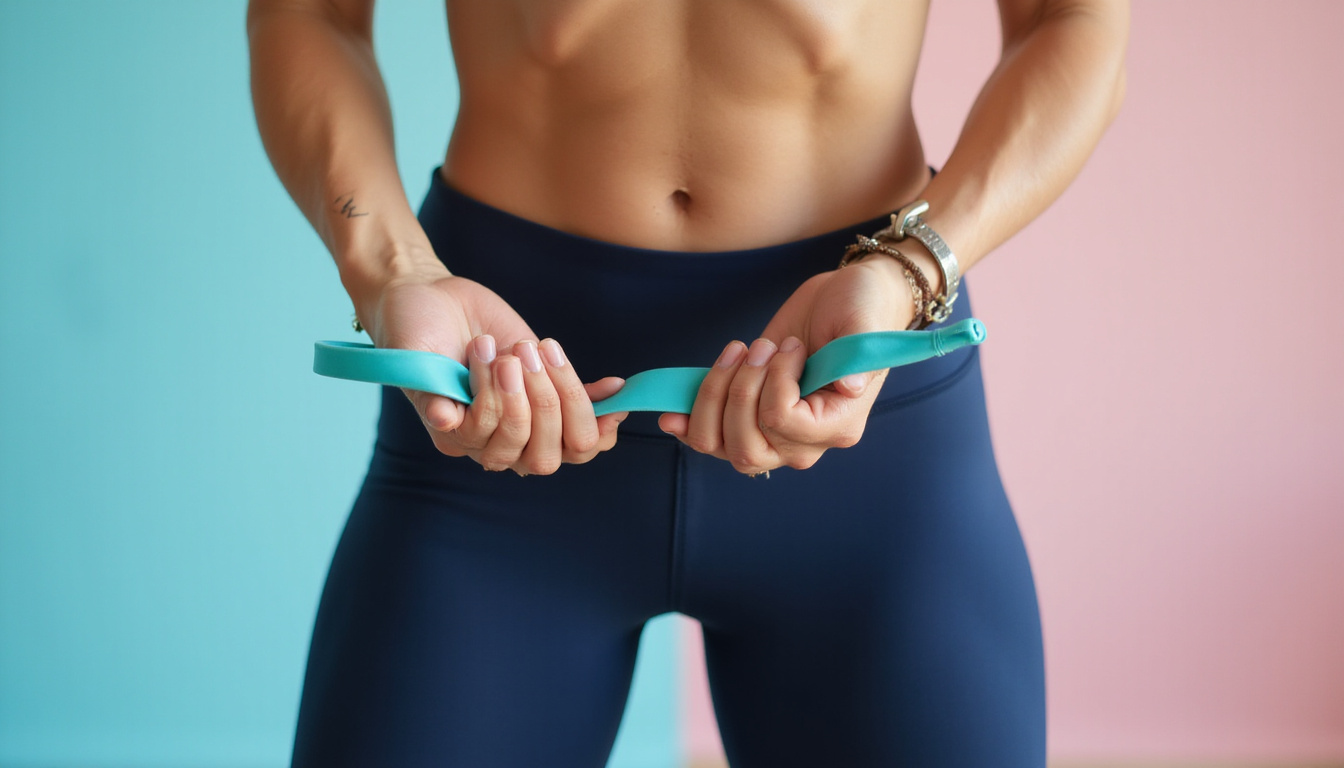
5. Pelvic Tilts (To Ease Stiffness And “Locked” Feeling)
Pelvic tilts help if your lower back and pelvis feel stuck.
How to do it:
- Lie on your back with your knees bent.
- Gently press your lower back into the floor by tilting your pelvis back.
- Then rock your pelvis forward, creating a small natural arch.
- Move slowly, as if you are rocking gently.
Do 10–15 tilts, keeping the movement smooth and pain-free.
When You Should Not “Push Through” Pelvic Pain
Stop and seek help quickly if you notice any of these:
- Sudden, severe pelvic or lower back pain after a fall or accident
- Pelvic pain with fever, unexplained weight loss, or night sweats
- Numbness or tingling in the groin or saddle area
- Loss of bladder or bowel control
- Pain during urination, blood in your urine, or heavy pelvic pain during pregnancy
These signs may need immediate doctor review (source: NHS).
What To Expect At The Pain Relief Practice For Pelvic Pain Physiotherapy
At The Pain Relief Practice, your session is clear and personalized. A typical process is:
-
In-depth history & movement analysis
- When your pain started, what makes it worse or better
- A detailed check of your pelvis, hips, spine, and how you stand or walk
- Finding any links to sports, gym, pregnancy, or old injuries
-
Hands-on joint and muscle assessment
- Checking SI joint mobility and irritation
- Noting hip joint stiffness or extra movement
- Assessing pelvic floor tension and coordination (with your consent)
- Testing your core, glute, and small stabilizer muscle activity
-
A targeted treatment plan
This may include:- Manual therapy to free tight joints and muscles
- Myofascial release and trigger point work
- Corrective exercises unique to your body
- Posture and activity tips for the office, car, or home
- Sports-specific rehab if you run, lift, or play field sports
-
Clear, performance-based goals
Many of our patients are active professionals, parents, or athletes who want to:- Sit through meetings or flights without pain
- Return to running, gym, yoga, or sport activities
- Lift kids or groceries without triggering pelvic pain
Since 2007, we have helped many in Singapore regain healthy joints and muscles. We work with celebrities and national athletes who need lasting, performance-ready solutions—not temporary fixes.
Real Results
Celebrities & National Athletes
Practical Daily Tips To Protect Your Pelvis In Singapore Life
Try these simple changes to support your pelvic pain physiotherapy:
-
Change your sitting position every 30–45 minutes
Stand up, walk to the pantry or toilet, or do 5–10 pelvic tilts at your desk. -
Avoid perching on one leg
At the MRT or bus stop, stand with weight evenly on both legs instead of leaning on one hip. -
Check your chair
Use a chair where your hips sit slightly above your knees and your feet rest flat on the ground. -
Take care with heavy bags
Avoid always carrying your laptop or handbag on the same side. Alternate shoulders or use a backpack. -
Ease back into exercise
If your pelvis is healing, restart activities slowly. Do not jump straight into high-intensity workouts.
Why Work With The Pain Relief Practice For Your Pelvic Pain
People who visit us are usually:
- Tired of advice like “just take painkillers and rest.”
- Frustrated that pelvic or groin pain flares up when sitting, walking, at the gym, or during household chores.
- Looking for a specialized pain treatment center that sees the deep musculoskeletal issues rather than just the surface pain.
At The Pain Relief Practice, we are known for:
- Being one of the established pain and physiotherapy clinics in Singapore since 2007.
- A good track record with celebrities and national athletes.
- A performance-focused, results-driven method: we aim for better movement, strength, and confidence—not just less pain.
- Combining hands-on treatment with customized exercise programs so you can keep your progress on your own.
If your pelvis feels stiff, painful, or weak, it is a sign something needs rebalancing, not ignoring.
FAQ: Pelvic Pain Physiotherapy In Singapore
-
How can pelvic pain physiotherapy help my chronic pelvis and hip pain?
Pelvic pain physiotherapy looks into the joint, muscle, and pelvic floor imbalances that keep your pelvis irritated. It does not only treat the painful part. It focuses on how your hips, lower back, and core work well together. It uses hands-on techniques and specific exercises to calm the pain and restore support. -
Is pelvic physiotherapy painful if my pelvis is already very sore?
Typically, pelvic physiotherapy is gentle. It will not push you into more pain. At The Pain Relief Practice, we work with your pain level. We start with comfortable movements, soft tissue work, and slow loading. Many patients feel relief and release even in early sessions. -
How fast will I see results from pelvic pain physio exercises?
Some feel relief in a few sessions when the problem is mostly muscle tension or joint stiffness. More complex cases—like long-standing pelvic pain, old injuries, or post-pregnancy changes—may take several weeks of regular pelvic pain physiotherapy and home exercises. The key is a plan that fits you and steady progress.
If pelvic pain disrupts your work, sleep, or enjoyment of life, you do not have to “tahan” and wait for it to go away. A targeted pelvic pain physiotherapy program at The Pain Relief Practice can help calm the pain, rebuild strength, and restore confident movement.
To learn how we can help your situation, view our profile and reviews here:
https://share.google/UwMU2I9zUCwXVh0Lg
We are a specialized physio treatment center for savvy people who want real results.
While we are not suitable for someone looking for ‘cheap physiotherapy’ or ‘free exercises available on youtube’, our treatments are affordable and are often claimable with company flexi-benefits, company health insurance, travel insurance, personal accident insurance, and other insurance plans.
Simply whatsapp or call: +65 97821601 and let us know how to help.
If you prefer a convenient nutritional preventive option, Regenerix Gold is our top recommended joint supplement.
We have been recommending this joint supplement for over a decade.
Simply start with 3 capsules, once a day.
If you do not feel better within a week, increase to 2 capsules, twice a day. (4 capsules a day in total)
Our blog readers qualify for a special discount.
Simply use the link below and a discount will automatically be applied during checkout.
 PROVIDING FAST, EASY & INSURANCE CLAIMABLE PAIN RECOVERY SINCE 2007