
If you have nagging aches, tight muscles, or joints that hurt days after training, your strength and conditioning may be the link you need. For active people in Singapore—whether you are a weekend warrior, a CrossFitter, a football kaki, or a serious runner—how you train off the field changes your performance and recovery.
This article explains joint‑friendly strength and conditioning steps. It also shows how The Pain Relief Practice helps you train hard, hurt less, and bounce back fast.
──────────────────────────────
Why Strength and Conditioning Matters More When Your Body Is “Not So Young” Anymore
When years of sports and life strain add up, your body does not shrug off abuse like before. You might feel your knees jam or grind when you go downstairs. Your lower back may feel tight after standing long. Your shoulders can catch when you lift overhead. Your calves and hamstrings may pull when you sprint.
Strong muscles and conditioned tissues work as shock absorbers for your joints. Good strength and conditioning:
• Lowers load on painful joints.
• Helps you move efficiently.
• Boosts balance and control to stop slips.
• Speeds up recovery so soreness does not last long.
The catch is your program must suit your current joint health. Otherwise, you may worsen old injuries.
──────────────────────────────
Common Training Mistakes That Worsen Joint Pain
Many active Singaporeans hurt their joints with these habits:
- “No Pain, No Gain” Mentality
When you push through sharp or “electric” pain in a knee, shoulder, or back, you damage tissue. While some discomfort can come from effort, joint pain and instability warn you to slow down.
- Copying Generic Gym Routines
Following a random influencer or mirroring the fittest person ignores your injury history, muscle imbalances, work stress, sleep, and recovery capacity at your age. A workout for a 20‑year‑old may harm a 40‑year‑old’s meniscus or lumbar discs.
- Overdoing High‑Impact Conditioning
Too many box jumps, burpees, and runs on hard surfaces can flare up:
• Kneecap pain.
• Plantar fasciitis.
• Achilles tendonitis.
• Hip and lower back compression.
Conditioning can work without pounding your joints.
- Neglecting Mobility and Stability
If your hips and ankles stay stiff, your knees twist to compensate. Weak deep core and glutes force more stress on your spine and knees with every step, jump, or lift.
──────────────────────────────
Joint‑Friendly Strength and Conditioning Principles
If you have a cranky knee, stiff shoulder, or recurring back spasms, these principles let you train while protecting your joints.
- Prioritise Technique Over Load
Keep your joints in proper alignment with every rep:
• Let knees stay over the 2nd–3rd toes.
• Keep the spine neutral, not rounded or hyper‑arched.
• Set your shoulder blades when pressing or pulling.
If your form breaks, your body tells you that the load is too high or you are too tired.
- Use Pain as Data, Not an Enemy
• 0–3/10: Mild discomfort is fine if it goes away fast.
• 4–6/10: Change the exercise (range, load, tempo).
• 7–10/10: Stop immediately. This level is a red flag.
If your pain lasts over 24–48 hours, adjust your program.
- Emphasise Controlled Eccentrics
Slow down the lowering phase (for example, 3–5 seconds down in a squat). This builds strong tendons and helps vulnerable joints such as knees, Achilles, and shoulders.
- Combine Strength, Mobility, and Stability
A balanced strength and conditioning plan for sensitive joints always needs:
• Strength: Squats, hinges, pushes, pulls.
• Mobility: Work for hips, thoracic spine, ankles, and shoulders.
• Stability: Single‑leg drills, anti‑rotation moves, and balance exercises.
Missing any part can raise the risk of flare‑ups.
──────────────────────────────
Example Joint‑Smart Strength and Conditioning Framework
Discuss this guide with your physiotherapist or strength coach if you have painful joints.
A. Lower Body (Knees, Hips, Ankles)
• Hip hinge: Do deadlifts with a kettlebell or bar. Start light and focus on your glutes.
• Squat pattern: Try goblet squats or box squats if deep bending hurts your knees.
• Single‑leg work: Use split squats, step‑ups, or single‑leg RDLs to fix imbalances.
• Calf and foot strength: Perform calf raises (with bent and straight knees) and towel scrunches.
• Mobility: Work on hip flexors, hamstrings, and ankle dorsiflexion.
B. Upper Body (Shoulders, Neck, Upper Back)
• Horizontal pulls: Do rows to balance pressing.
• Scapular control: Do wall slides and scapular push‑ups.
• Pressing: Use dumbbell bench or landmine press. They are often kinder than barbell or overhead presses.
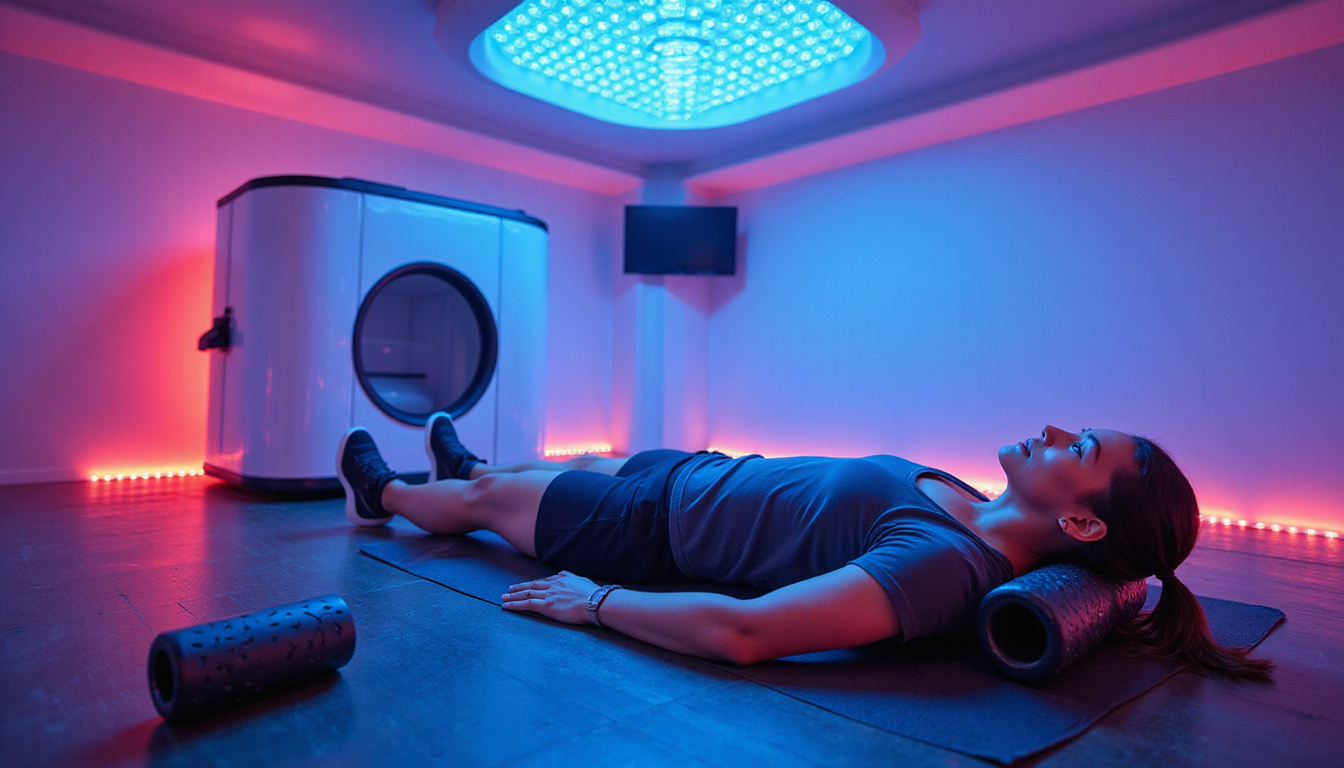
• Thoracic mobility: Use open books and foam roller extensions.
C. Core and Spine
Avoid endless crunches. Instead, use spine‑friendly anti‑movement drills:
• Planks and side planks.
• Dead bugs and bird dogs.
• Pallof presses and farmer’s carries.
These moves build firm support for your spine and keep your hips and shoulders mobile.
──────────────────────────────
Conditioning Without Trashing Your Joints
It is possible to get fit without hammering your knees, hips, and spine. Try these joint‑friendly conditioning ideas:
• Cycling or spin bike intervals.
• Rowing machine with good form.
• Elliptical or incline treadmill walks instead of high‑speed running.
• Circuit training with lighter weights and low‑impact moves.
• Swimming or deep‑water running to ease joint load.
Watch your heart rate, aim for 60–85% of max based on your goal. You should feel challenged but not gasping. And always check your joints. There should be no stabbing or locking sensations.
──────────────────────────────
Recovery: Where Performance Gains Are Locked In
Your performance and longevity lie in your recovery. It is not just about how hard you push.
Key Recovery Pillars:
• Sleep: Get 7–9 hours each night. Growth hormone and tissue repair peak when you sleep.
• Nutrition: Eat enough protein, anti‑inflammatory foods, and drink plenty of fluids.
• Deload weeks: Every 4–8 weeks lower your exercise volume or intensity.
• Active recovery: Enjoy easy walks, light mobility exercises, or gentle cycling.
• Manual therapy and targeted rehab: Keep your tissues supple and pain low.
Skipping these steps makes many people feel tight, sore, and at risk of injury.
──────────────────────────────
How The Pain Relief Practice Helps You Train Harder, Hurt Less
In Singapore, for those who want to stay active and competitive without joint pain, generic physiotherapy might not be enough. The Pain Relief Practice is a specialised pain treatment center that helps you:
• Solve stubborn pain issues.
• Regain healthy, mobile joints and strong muscles.
• Boost sports performance and daily enjoyment of life.
Since 2007, we have been one of the leading physiotherapy clinics in Singapore. We help office workers, weekend warriors, as well as celebrities and national athletes who rely on their bodies.
Our strength and conditioning approach is built on:
-
Thorough assessment
• We check joint range of motion, muscle strength, and movement patterns.
• We identify weak links and overload zones (for example, one hip works harder or one shoulder bears more strain).
• We review your current training and sport demands. -
Pain relief first, then performance
• We use evidence‑based techniques to reduce pain and inflammation through manual therapy, targeted modalities, and activation drills.
• Once pain is under control, we build a progressive strength and conditioning plan that suits your joints. -
Performance‑driven rehab
• We use sport‑related drills instead of basic physio exercises.
• We create a progression from clinic to gym or field so you can return to your sport with confidence and maybe even set new records. -
Education and self‑management
• We provide clear guidelines on what to do and what to avoid.
• We give you simple home routines that do not require fancy equipment.
For more background on how well-structured strength training protects joints and lowers injury risk, see evidence from organisations like the American College of Sports Medicine (ACSM).
──────────────────────────────
Real Results
──────────────────────────────
Celebrities & National Athletes
These real stories show how the right strength and conditioning, paired with expert pain treatment, helps high‑demand bodies return to top form.
──────────────────────────────
When Should You Seek Professional Help?
You should consider an assessment if:
• Your joint pain lasts more than 2–3 weeks.
• Rest does not stop the pain when you resume activity.
• You feel clicking, catching, locking, or instability in a joint.
• You stop exercises for fear of pain.
• Pain affects your sleep, mood, or confidence in movement.
A skilled physiotherapy and pain relief team can give you a plan that helps avoid endless painkillers, repeated rest periods, or early surgery talks.
──────────────────────────────
Simple Checklist: Is Your Strength and Conditioning Program Joint‑Smart?
Use this checklist to audit your routine:
• [ ] Warm‑up includes mobility and activation, not just a few arm swings.
• [ ] You do strength training at least 2–3 times a week, not only cardio.
• [ ] You work on single‑leg moves and anti‑rotation core work.
• [ ] You perform key lifts pain‑free or with only mild, short discomfort.
• [ ] You adjust load and volume based on your sleep, stress, and pain.
• [ ] You schedule recovery days and lighter weeks.
• [ ] You have addressed the root cause of frequent pain with a professional, not just by stretching the sore area.
If you answer “no” to many questions, it is time to refine your approach.
──────────────────────────────
FAQ: Strength and Conditioning, Pain and Performance in Singapore
-
Is strength and conditioning safe if I already have knee or back pain?
Yes. With proper assessment and modifications, strength and conditioning for knee or back pain is safe and essential. Strengthening the right muscles and improving control takes load off your joints. At The Pain Relief Practice, we adapt exercises as needed instead of following a generic plan. -
How often should I do strength and conditioning if I am also playing sports?
Most active adults benefit from 2–3 strength sessions each week, along with sport days. For example, you might lift on two non‑consecutive days and play football or run on two other days. Your schedule depends on your age, recovery, and pain levels. We fine‑tune this in our clinic. -
Can physiotherapy and strength and conditioning improve my sports performance, not just reduce pain?
Yes. Modern sports physiotherapy and strength work are performance‑driven. Once pain is managed and mobility is restored, focused strength, power, and conditioning exercises boost your speed, agility, endurance, and resilience. Many celebrity clients and national athletes come not only for injury fixes but also for that extra performance edge.
──────────────────────────────
See Us, Test Your Joints, Upgrade Your Training
If you are in Singapore and feel that your joints are one wrong move away from hurting, it is time to combine smart strength and conditioning with expert pain relief and rehab.
Since 2007, The Pain Relief Practice has helped active people, office workers, celebrities, and national athletes to:
• Get out of pain.
• Regain smooth, confident movement.
• Build stronger bodies that perform better and recover faster.
You can view our clinic details, reviews, and directions here:
https://share.google/UwMU2I9zUCwXVh0Lg
With the right guidance, you can have both performance and joint health.
We are a specialized physio treatment center for savvy people who want real results.
While we are not suitable for someone looking for ‘cheap physiotherapy’ or ‘free exercises available on youtube’, our treatments are affordable and are often claimable with company flexi-benefits, company health insurance, travel insurance, personal accident insurance, and other insurance plans.
Simply whatsapp or call: +65 97821601 and let us know how to help.
If you prefer a convenient nutritional preventive option, Regenerix Gold is our top recommended joint supplement.
We have been recommending this joint supplement for over a decade.
Simply start with 3 capsules, once a day.
If you do not feel better within a week, increase to 2 capsules, twice a day. (4 capsules a day in total)
Our blog readers qualify for a special discount.
Simply use the link below and a discount will automatically be applied during checkout.

 PROVIDING FAST, EASY & INSURANCE CLAIMABLE PAIN RECOVERY SINCE 2007