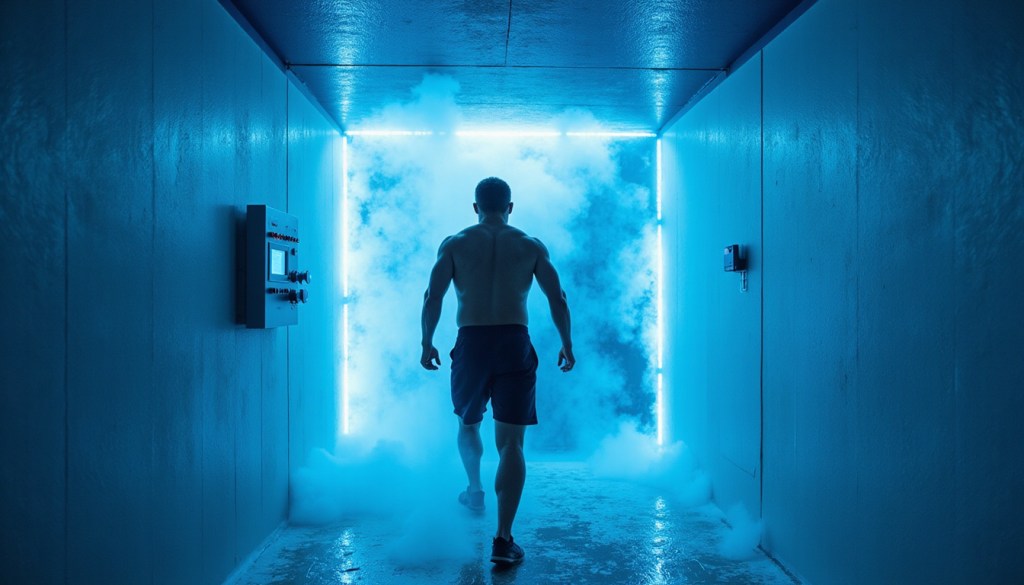
If you’re in Singapore and your knee aches, shoulder pain, stiff neck, or lower back problems bother you, you have tried massage, TCM, and painkillers. You now ask about cryotherapy. You see full‐body ice chambers on social media. You also learn about targeted, cold treatment that helps joints, muscles, and tendons calm, repair, and work better.
Used right, cryotherapy lowers inflammation, eases both sharp and dull pain, and speeds recovery so you do not feel “old and creaky” when you climb stairs, carry groceries, or play sports.
────────────────────
What Is Cryotherapy, Really?
Many in Singapore hear “cryotherapy” and think of standing in a freezing tank for minutes. That is whole‐body cryotherapy. The term also means cold treatments that ease pain and boost healing.
Common types include:
• Local cryotherapy – a targeted cold treatment for a joint or area (for example, a knee, shoulder, or back).
• Whole-body cryotherapy – a session of 2–3 minutes in a special cold chamber.
• Cryo-stimulation devices – machines that mix cold with compression or set treatment plans.
For those with long-term joint issues like stiff knees, clicking shoulders, stiff necks, and sore backs, local cryotherapy works best. It is more practical than spa-style ice chambers.
────────────────────
How Cryotherapy Helps Aching Joints and Tight Muscles
If you wrap ice on a twisted ankle, you use basic cryotherapy. Modern cryotherapy uses the same idea, but in a precise, focused way.
For musculoskeletal issues, cryotherapy can help:
1. Calm Down Inflamed Joints
When your knee feels swollen after walking or your elbow warms from typing, inflammation is active. Cryotherapy works by
• Narrowing blood vessels briefly,
• Lowering tissue temperature, and
• Slowing inflammation signals.
These actions ease throbbing, hot pain and help move smoothly.
2. Numb Pain to Improve Movement
Cold numbs nerve endings. As a result, if you feel:
– “Sharp pain when squatting”
- “Stabbing pain when turning your neck”
- “Pulling pain when raising your arm”
cryotherapy can quiet these signals. It gives you a brief window of easier movement. This benefit shines when you do it with targeted physiotherapy.
3. Ease Muscle Spasms and Tight Knots
When your back locks or your shoulder forms knots, your muscles and fascia spasm. Cryotherapy lowers muscle spindle activity. This lets your muscles relax instead of staying tight.
For many office workers in Singapore with constant shoulder tension, tight upper backs, or a blocked sensation between the shoulder blades, a well-timed cold treatment helps. Follow it with gentle stretching or manual therapy for long relief.
4. Speed Micro-Recovery so You’re Not Sore for Days
Whether you play football, do HIIT, run at East Coast Park, or lift at the gym, post-workout soreness can be harsh. Cryotherapy helps by
• Reducing micro-tears and swelling,
• Easing delayed muscle soreness, and
• Allowing you to train again sooner.
That is why many professional athletes in Singapore include cryotherapy in their recovery plans.
────────────────────
Common Conditions Cryotherapy May Help
People usually search for cryotherapy when recurring pain frustrates them. You might see these conditions:
• Knee pain – from wear and tear, early arthritis, or swelling after walking or running.
• Shoulder pain – from rotator cuff issues, frozen shoulder, or pain when you lift your arm.
• Neck and upper back pain – from a stiff neck, headaches, or pain after long hours at the computer.
• Lower back pain – from muscle spasms or a jammed feeling after sitting or standing long.
• Tennis elbow / golfer’s elbow – pain when gripping or lifting objects.
• Plantar fasciitis / heel pain – first-step pain in the morning or soreness after long walks.
• Sports strains and sprains – from mild ligament sprains, muscle pulls, or overuse.
In these cases, cryotherapy is part of a combined method: it reduces pain, improves movement, and helps strengthen muscles. It is not a stand-alone cure.
────────────────────
What to Expect During a Cryotherapy Session in Singapore
At a specialized center like The Pain Relief Practice, cryotherapy is precise and tailored, not just a simple application of ice.
A typical local cryotherapy session includes:
-
Assessing Your Pain
– The clinician asks: Where is the pain?
– The clinician checks if the pain feels dull, sharp, burning, or pulling.
– The clinician notes which movements trigger the pain (squatting, stairs, bed, or head turns). -
Targeted Cold Application
– The clinician uses a device or pack.
– The pack covers the exact area.
– The pack cools the tissue to the right temperature without freezing the skin.
– The pack maintains the cold for the set time. -
Combining with Other Treatments
Cryotherapy works best when used with:
– Manual therapy or trigger point release,
– Gentle joint mobilizations,
– Specific exercises for weak or overloaded muscles, and
– Taping or bracing if needed. -
Post-Treatment Guidance
– The clinician advises when to move and when to rest,
– The clinician suggests which daily activities to modify (such as stairs or lifting), and
– The clinician gives home strategies like safe ice pack use, stretching, and posture checks.
────────────────────
Who Is Cryotherapy Suitable For?
Cryotherapy suits those who:

• Experience ongoing joint or muscle pain when walking, climbing stairs, standing, or exercising.
• Feel their joints stay “inflamed” or “hot” after a long day.
• Face sharp or stabbing pain with certain movements.
• Struggle with post-exercise soreness that stays long and affects daily life.
• Prefer a drug-free and non-surgical option that works with strengthening and mobility exercises.
It may not be right if you have:
• Very poor blood flow or vascular issues,
• Nerve disorders that reduce sensation,
• Open wounds or infections in the target area, or
• Severe cold intolerance or certain medical conditions.
That is why experienced clinicians should assess you first.
────────────────────
Why Many Savvy Patients Choose The Pain Relief Practice
Patients who have tried “everything” for joint and muscle pain go to specialized clinics. They seek a place that handles complex pain cases every day, not just simple strains.
The Pain Relief Practice is:
• One of the established physiotherapy and pain clinics in Singapore that has helped patients since 2007.
• Known for treating celebrities, national athletes, busy professionals, parents, and active seniors.
• Focused on solving the root cause of pain instead of just masking it.
For cryotherapy patients, the approach includes:
• A detailed movement and posture analysis,
• Identifying overloaded joints and weak muscles,
• A progressive plan to regain healthy joints and muscles instead of merely surviving day to day, and
• Recovery strategies that let you boost performance and enjoy life. Whether you chase your kids, carry groceries without fear, or compete at a high level—this plan supports you.
Real Results
Celebrities & National Athletes
────────────────────
Practical Tips: Using Cryotherapy Safely at Home
Some patients in Singapore add home cryotherapy to clinic treatment. Here are simple rules:
• Keep direct cold under 10–15 minutes at a time.
• Wrap ice packs in a thin towel. Do not place ice directly on your skin.
• Wait at least 1–2 hours between sessions on the same area.
• Avoid applying cold on:
– Areas with poor sensation,
– Open wounds or irritated skin,
– Bony points (like the front of your knee or ankle bones) for long.
Home cryotherapy works best when:
• Your pain is a recent flare-up, hot, or swollen,
• You do the mobility and strengthening exercises your therapist has given you, and
• You follow advice from a clinic that understands your full condition and long-term goals.
────────────────────
Cryotherapy vs. Taking Painkillers
Many Singaporeans use painkillers to manage work and family demands. Medication helps in the short term but can hide pain while damage continues. It may also affect your stomach, kidneys, or liver if used long term. Painkillers may even give you false security so you overload injured tissues.
Cryotherapy is a non-drug way to reduce pain and inflammation when paired with proper rehabilitation. The goal is not only to lessen pain but to restore better joint function. That way, your body does not hurt with every movement.
────────────────────
When to Seek Professional Help in Singapore
Using cold packs and rest is fine for mild strains. But seek a professional if:
• The pain returns every few weeks or months,
• You hear or feel grinding, catching, or locking in your joints,
• Pain affects your sleep or mood,
• You avoid stairs, walking, or sports, or
• You have tried rest, massage, and general physiotherapy yet the pain stays.
A clinic experienced in both cryotherapy and advanced rehab can check if the issue is caused by worn cartilage, irritated tendons, muscle imbalances, nerve irritation, or a mix. Then, you can create a plan together that reduces pain, improves function, and shows what ongoing care is needed.
────────────────────
See What Other Patients Say
Read reviews and stories from those who have found relief for chronic pain, sports injuries, and stubborn joint problems at The Pain Relief Practice on our Google profile:
https://share.google/UwMU2I9zUCwXVh0Lg
────────────────────
FAQ: Cryotherapy for Pain Relief in Singapore
1. Is cryotherapy good for joint pain and arthritis?
Yes. When used correctly, cryotherapy reduces inflammation and numbs arthritic joints. This is especially useful when the joint feels hot, swollen, or stiff after activity. It is combined with exercises, posture correction, and other treatments for lasting relief. Your therapist at The Pain Relief Practice will decide if it is right for your arthritis type and stage.
2. How often should I do cryotherapy for muscle and tendon injuries?
Frequency depends on your condition. In an early flare-up, short, regular sessions (a few times a week in the clinic and guided home use) may be beneficial. Once the pain settles, the focus shifts to strengthening and mobility, and cryotherapy is used when there is a pain spike after heavy activity.
3. Is whole-body cryotherapy better than local cryotherapy?
Most Singaporeans who have specific joint issues—like one bad knee, a frozen shoulder, or chronic lower back pain—find that local cryotherapy works best. It is targeted and cost-effective. Whole-body cryotherapy can help general recovery. But when pain is localized, a focused treatment in a specialized clinic like The Pain Relief Practice usually gives more precise relief.
────────────────────
If joint or muscle pain now limits your every day, consider cryotherapy as part of a structured treatment plan. With expert guidance, you can move past merely tolerating pain. You can work toward stronger, healthier, and more reliable joints and muscles.
We are a specialized physio treatment center for savvy people who want real results.
While we are not suitable for someone looking for ‘cheap physiotherapy’ or ‘free exercises available on youtube’, our treatments are affordable and are often claimable with company flexi-benefits, company health insurance, travel insurance, personal accident insurance, and other insurance plans.
Simply whatsapp or call: +65 97821601 and let us know how to help.
If you prefer a convenient nutritional preventive option, Regenerix Gold is our top recommended joint supplement.
We have been recommending this joint supplement for over a decade.
Simply start with 3 capsules, once a day.
If you do not feel better within a week, increase to 2 capsules, twice a day. (4 capsules a day in total)
Our blog readers qualify for a special discount.
Simply use the link below and a discount will automatically be applied during checkout.