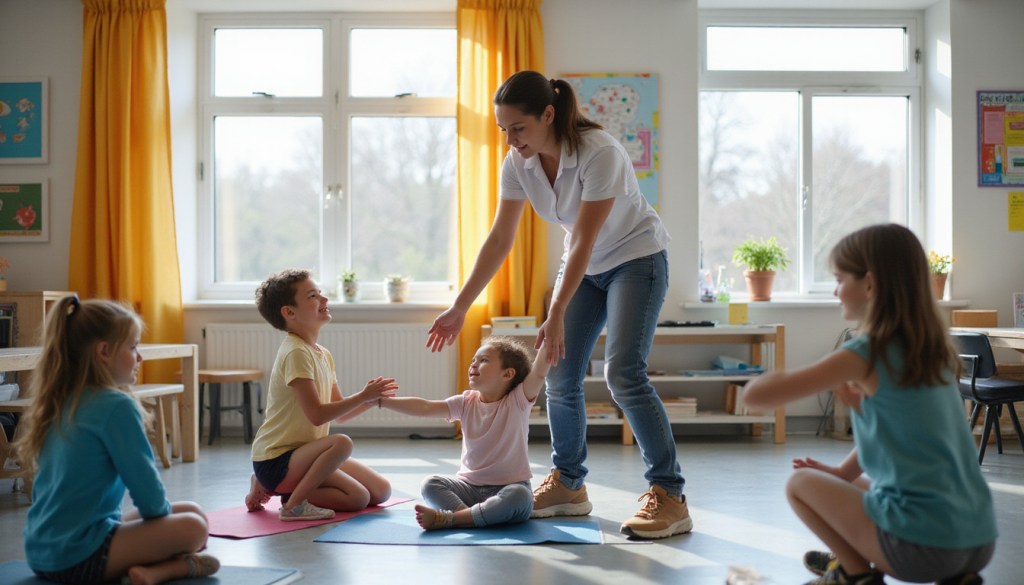
If your child comes home from school with a sore neck, an achy lower back, or wobbly knees after PE, you are not alone. In Singapore, many parents now choose school physiotherapy to help kids move, sit, and learn without constant aches or muscle and joint “pulls.”
Below is a people-first guide for parents and students who know the struggle of nagging musculoskeletal discomfort. They feel the tight shoulders, cranky knees, recurring ankle sprains, and pain that keeps them from fully straightening.
Why School Physiotherapy Matters in Singapore Classrooms
Kids carry heavy school bags, sit for long tuition hours, and use devices even longer. Over time, this routine can load the neck and upper back, strain the lower back and hips, irritate kneecaps and ankles, and aggravate growing pains.
Children who already have flat feet, hypermobility (or “jelly joints”), scoliosis, old sports injuries, or a weak core can see mild discomfort turn into chronic pain.
School physiotherapy is not just a clinic treatment. It helps by
• Looking at how a child sits, stands, walks, and runs in the school context.
• Teaching better ways to move, not just “tahan” the pain.
• Adjusting daily habits so the body keeps up with school and co-curricular demands.
For smart parents in Singapore, this builds a strong, pain-free base for mobility and learning.
Common “Classroom Body Aches” Parents Shouldn’t Ignore
When your child uses these phrases, there is usually more than a simple “growth spurt” at play:
• “My neck jams when I look up from my phone or laptop.”
• “My back feels tight when I bend over my desk.”
• “My shoulders feel heavy as if carrying bricks after school.”
• “My knee sharpens in pain when I go up stairs or after PE.”
• “My ankle gives way when I run.”
• “I cannot sit still – my back gets very suan.”
Typical school-related muscle and joint issues are:
• Tech neck / upper cross syndrome – head forward, shoulders rounded.
• Lower back strain from slouching or C-shaped sitting.
• Patellofemoral pain (runner’s knee) from PE, CCA, and stairs.
• Ankle instability from repeated sprains on the field or court.
• Flat feet / over-pronation that makes legs tired and achy.
• Growing pains / Osgood-Schlatter near busy knees in active teens.
School physiotherapy directly targets these issues. It uses stretches, age-appropriate strengthening, and movement re-training.
How Poor Movement Affects Learning and Focus
Pain does not stay isolated in the body. For kids, pain affects:
• Attention: It is hard to focus on math when the lower back aches with every move.
• Exam stamina: Long tests are tough when the neck and shoulders burn after a short time.
• Confidence: Limping during CCA or always asking to sit out of PE can lower self-esteem.
• Mood and behaviour: Constant discomfort often leads to irritability, restlessness, or acting out in class.
When a physiotherapist uses a school physiotherapy view, the goal is bigger than just lowering pain from 7/10 to 2/10. The aim is to help kids:
• Sit without fidgeting because of back pain.
• Walk from class to class without limping.
• Join CCA without fear of sudden knee or ankle pain.
• Stay focused because their body does not constantly protest.
Classroom-Friendly Physiotherapy Strategies That Actually Work
Below are practical strategies designed for real Singapore classroom conditions and timetables.
1. Smarter Sitting (Not Just “Sit Up Straight”)
Telling a child to “sit straight” for hours does not work. Instead, physiotherapy focuses on:
• Micro-posture resets every 20–30 minutes:
– Roll shoulders back and down.
– Gently tuck the chin to un-crane the neck.
– Tilt the pelvis forward to “uncurl” the lower back.
• 3-point contact rule:
– Both feet must lie flat on the floor.
– Keep the hips pressed against the back of the chair.
– Let the upper back be supported rather than sliding down.
Kids with chronic neck and upper back tightness often feel a big difference within days when they use these posture “checkpoints.”
2. The “School Bag Audit”
Many parents say, “My child already has an ergonomic bag,” yet the pain continues. A physiotherapist checks:
• The actual weight compared to the child’s body weight (aim for ≤ 10–15%).
• How the bag sits – does it pull the shoulders downward or backward?
• If the child favors one shoulder, which causes uneven strain in the neck and back.
• Whether the straps fit the child’s torso length instead of just “looking okay.”
Simple tweaks like tightening straps, using a chest strap when available, or redistributing the contents can reduce shoulder and lower-back load each day.
3. “Desk Drills” – 30–60 Second Pain Breakers
Evidence supports small movement “snacks” during long sitting sessions (source: World Health Organization Physical Activity Guidelines).
Physiotherapists often suggest short routines kids can do safely between subjects or during breaks:
• Neck decompression:
– Do 10 chin tucks (draw the head straight back).
– Perform 10 gentle side-to-side neck turns.
• Shoulder reset:
– Do 10 shoulder rolls back.
– Use “angel wings” by sliding arms up and down along the backrest if possible.
• Back and hip release:
– Do 10 seated pelvic tilts.
– Do 10 slow, controlled sit-to-stand moves (avoid bouncing up).
These breaks are short enough to not draw attention but can stop a deep “locked” feeling from forming.
4. School Physiotherapy for Sports & CCA
Many Singapore students get their first serious joint issues during CCA:
• Repeated ankle sprains from basketball or netball.
• Knee pain from track, football, or floorball.
• Shoulder aches from badminton, swimming, or dragon boat.
Rather than just using RICE (rest, ice, compression, and elevation) and hoping for the best, a physiotherapy-led plan for student athletes includes:
• A biomechanics assessment to check how they land, cut, sprint, and pivot.
• Targeted strength work for quads, glutes, hamstrings, calves, and core.
• Balance and proprioception drills for unstable ankles.
• A return-to-sport progression so injuries do not flare up before competitions.
When these steps fit with the school timetable and CCA training load, students can keep up with their sport rather than keep stopping and restarting.
Simple Home & School-Based Strategies (Checklist)
Use this checklist to support your child’s body both in the classroom and at home:
-
Bag & Carrying Habits
– The bag should be ≤ 10–15% of your child’s weight.
– Straps should be snug and not hang low.
– Use both straps instead of slinging on one side. -
Sitting Setup
– Feet on the floor or a footrest; do not let them dangle.
– Hips pressed back in the chair, not perched on the edge.
– The screen should be roughly at eye level for home learning. -
Movement Breaks
– Take a micro-reset every 20–30 minutes while studying.
– Stretch for 1–2 minutes between subjects or at recess.
– Get at least 60 minutes of age-appropriate exercise daily. -
Pain Red Flags
– Pain that wakes them at night.
– Limping or a refusal to bear weight.
– Pain that lasts more than 2 weeks or returns repeatedly.
– Visible swelling, deformity, or catching sensations in the joints.
If you see any red flags, getting a professional assessment is a good step rather than waiting for the pain to subside.
How The Pain Relief Practice Supports School Physiotherapy Needs
Families looking beyond generic advice can find help at The Pain Relief Practice. This centre specializes in treating:
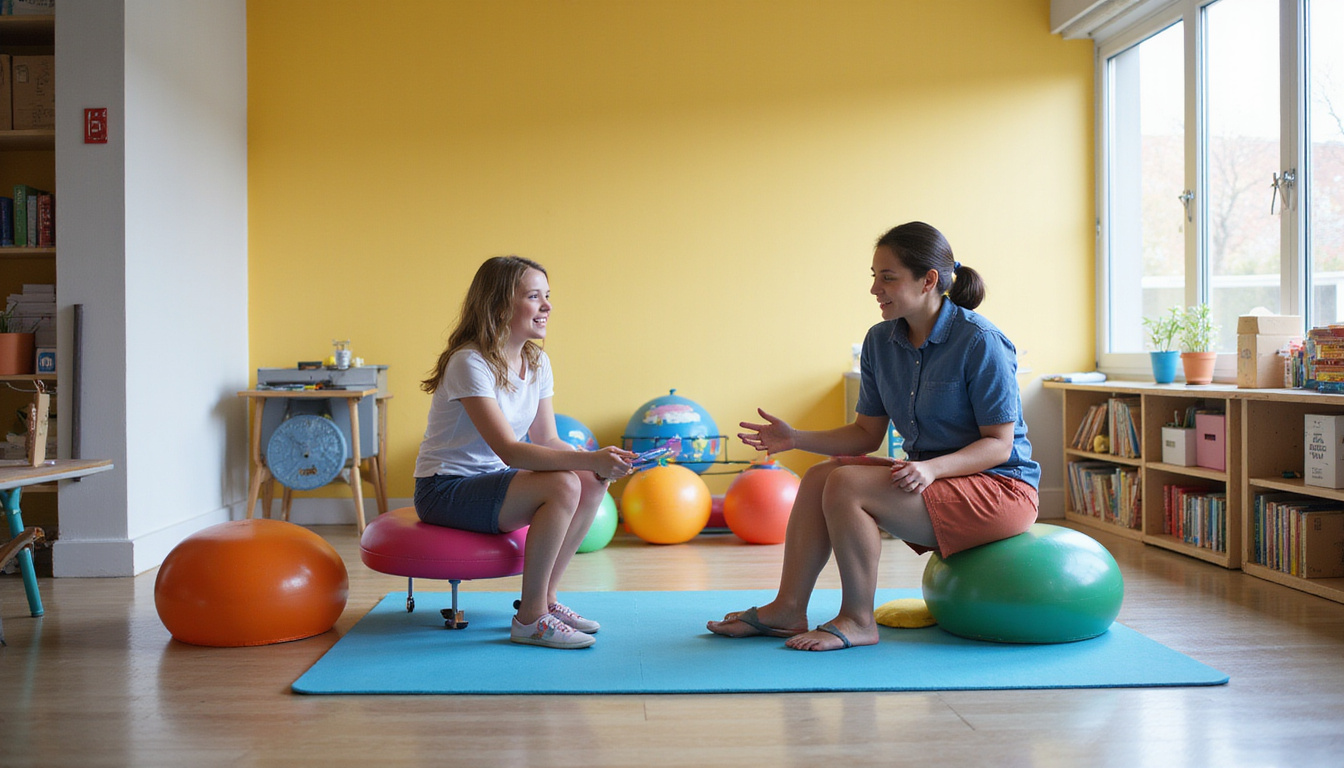
• Students with persistent classroom-related aches.
• Young athletes who want to perform at their best without recurring pain.
• Parents who need long-term joint and muscle health for their children.
Established, Trusted, and Results-Focused Since 2007
We are a trusted physiotherapy clinic in Singapore. Since 2007, we have helped many people by:
• Treating celebrities and national athletes who demand top performance.
• Building treatment plans that mix manual therapy, precise exercise, and movement coaching.
• Adapting our approach to help school-going children and teens balance textbooks, devices, and sports.
Our therapists understand real joint issues. They know what you mean when you say:
• “My knee catches when I squat.”
• “My back feels stuck and won’t release.”
• “My ankle feels loose and can give way anytime.”
• “After sitting too long during an exam, my neck and shoulders jam.”
Real Results
Celebrities & National Athletes
What a School-Focused Physiotherapy Session Can Look Like
A typical school physiotherapy session at The Pain Relief Practice may include:
• History-taking tuned to school life:
– Ask about long sitting, exam schedules, CCA load, and device usage.
• Movement analysis:
– Watch how your child sits, stands up, climbs stairs, runs, jumps, and lands.
• Hands-on treatment:
– Work to ease irritated joints, tight muscles, and overloaded tendons.
• Simple, clear home and classroom strategies:
– Offer 2–3 focused exercises, posture checkpoints, and activity guidelines rather than a long list.
The aim is not to turn your child into a “perfect posture robot” but to build resilient, confident movement that works in real school conditions.
Embedding Our Google Profile
Learn more about our team, our clinic location, and patient stories on our Google profile below:
https://share.google/UwMU2I9zUCwXVh0Lg
FAQs About School Physiotherapy in Singapore
1. How can school physiotherapy help my child’s posture and back pain?
School physiotherapy checks how your child moves during class, CCA, and study time. Instead of just saying “sit straight,” a physiotherapist:
• Finds the posture and muscle imbalances that cause back pain.
• Uses hands-on techniques to ease tight areas and calm irritated joints.
• Gives simple, realistic tips that work in class and at home.
This approach leads to gradual, lasting improvement in posture and less back ache during long school days.
2. Is physiotherapy for school sports injuries really necessary?
If your child has recurring sprains, knee pain that flares after training, or pain that does not settle between matches, school physiotherapy for sports injuries is key. It treats more than the spot that hurts; it fixes landing techniques, strength gaps, and mobility limits so your child returns to sport confidently and safely.
3. When should I bring my child to a school physiotherapy clinic in Singapore?
Think of a school physiotherapy clinic in Singapore if:
• The pain lasts more than 10–14 days.
• Your child avoids PE or CCA because of pain.
• Limping, swelling, or repeated “giving way” happens.
• The pain affects sleep, mood, or grades.
Early assessment can lead to faster recovery and prevent long-term joint problems.
If you want to learn more about how school physiotherapy strategies can help your child move better, hurt less, and learn more comfortably, The Pain Relief Practice is ready. We will work with your child’s school routine to create a plan that fits real life.
We are a specialized physio treatment center for savvy people who want real results.
While we are not suitable for someone looking for ‘cheap physiotherapy’ or ‘free exercises available on youtube’, our treatments are affordable and are often claimable with company flexi-benefits, company health insurance, travel insurance, personal accident insurance, and other insurance plans.
Simply whatsapp or call: +65 97821601 and let us know how to help.
If you prefer a convenient nutritional preventive option, Regenerix Gold is our top recommended joint supplement.
We have been recommending this joint supplement for over a decade.
Simply start with 3 capsules, once a day.
If you do not feel better within a week, increase to 2 capsules, twice a day. (4 capsules a day in total)
Our blog readers qualify for a special discount.
Simply use the link below and a discount will automatically be applied during checkout.