
If you live in Singapore and feel one side is weak, you may notice your knee giving way on stairs or your shoulder tiring in the middle of a set. In these moments, manual muscle testing can help pinpoint the real problem. This test does not only treat areas that hurt; it shows which muscles underperform. You can then fix the root weakness rather than just chasing the pain.
At The Pain Relief Practice, we use manual muscle testing every day. We help patients with stubborn neck, back, shoulder, hip, knee, and ankle pain. We focus on pain‑free movement and better performance.
What Is Manual Muscle Testing, Really?
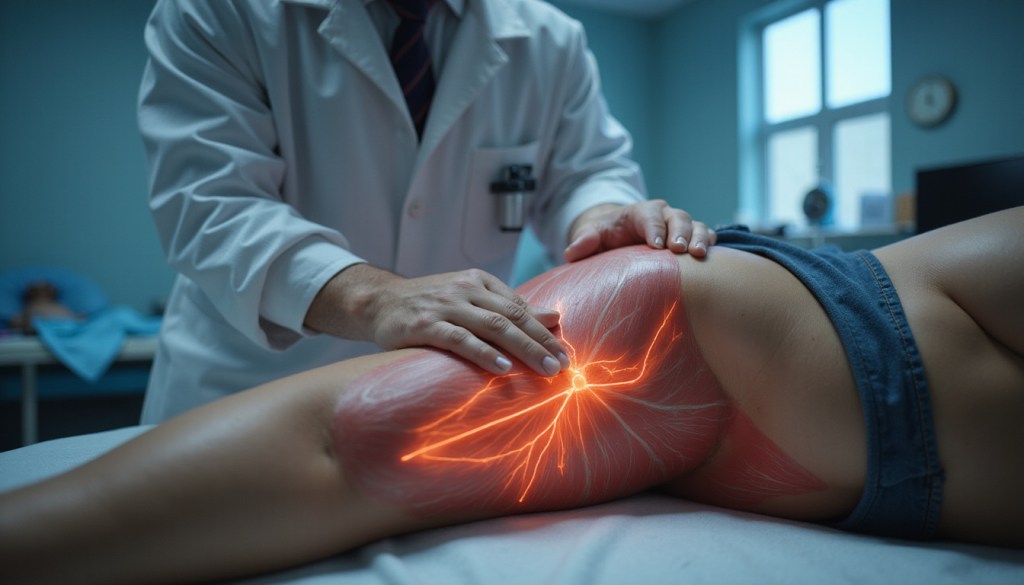
Manual muscle testing (MMT) is a hands‑on test. A trained clinician such as a physiotherapist or sports doctor uses this test to check muscle strength and control.
In simple terms:
- You move or hold a body part in a set position.
- The clinician applies pressure in one direction.
- They compare how much resistance you give and notice any cheating or compensation.
This test answers key questions like:
- Is the muscle weak or only inhibited by pain or tightness?
- Does one side perform worse than the other?
- Are nearby muscles overworking to compensate?
For people with chronic joint pain or regular sports injuries in Singapore, this test is often the missing piece. X‑rays and MRIs show structure, but manual muscle testing shows function.
Why Manual Muscle Testing Matters for Joint Pain
If you experience joint issues, you may see some clear patterns:
- The same spot hurts after walking, squatting, or running.
- You feel no strength when you climb stairs, stand from a squat, or lift your child.
- One knee caves in, one hip feels jammed, or one shoulder cannot hold weight overhead.
These issues often come from muscle imbalances and hidden weaknesses, not just wear and tear.
Manual muscle testing is useful because it can:
- Find which muscles are not activating well (for example, glutes versus quads or rotator cuff versus deltoid).
- Show side‑to‑side differences that your body hides.
- Guide a targeted treatment instead of random exercises you might find online.
When you strengthen the right weak muscle, the whole chain moves better. Joint pain often reduces significantly.
How Manual Muscle Testing Is Done (What to Expect)
At The Pain Relief Practice, we add manual muscle testing to a full musculoskeletal assessment. A typical session for someone with knee or back pain may go like this:
-
History & Movement Check
We ask how long you have had pain, what triggers it, and what eases it. We watch you stand, walk, squat, or reach. This way, we see which joints do not move well and where you might be overcompensating. -
Joint Range & Alignment
We check how far your joints move. We look for issues such as knee valgus (knee caving in), hip drop, lumbar stiffness, or shoulder rounding. -
Targeted Manual Muscle Testing
Then we test specific muscles based on your problem area. For example, for knee pain we test:- Quads, hamstrings, glute medius, glute maximus, and calf.
For hip pain we test: - Glutes, hip flexors, adductors, and deep rotators.
For shoulder or neck pain we test: - Rotator cuff, scapular stabilisers, and deep neck flexors.
For back pain we test: - Core stabilisers, glutes, and hip stabilisers.
We compare the left and right sides. We note how fast the muscle gives way, shakes, or cheats.
- Quads, hamstrings, glute medius, glute maximus, and calf.
-
Interpretation & Plan
We then combine the joint findings, MMT results, and your symptoms. We plan a personalized treatment. This plan may include precise strengthening, manual therapy, pain‑relieving methods, and movement retraining.
You soon feel which side is weaker or less stable. This quick feedback is one reason many patients find manual muscle testing so useful.
Common Weakness Patterns Manual Muscle Testing Can Uncover
If you struggle with nagging joint pain, you may notice these patterns:
-
“My knees cave in when I squat or go down stairs.”
This pattern often links to a weak glute medius and external rotators. MMT can show that one hip is much weaker, even if both knees hurt. -
“My lower back takes over when I try to do core work.”
This sign shows that deep core muscles and glutes are not working well. Meanwhile, the lumbar extensors overcompensate. MMT can isolate these stabilising muscles. -
“My shoulder cannot hold overhead; it feels unstable or dead.”
This complaint is common with weak rotator cuff and scapular stabilisers. MMT can reveal if large muscles, like the deltoids or upper traps, overpower the smaller stabilisers. -
“My ankle rolls or gives way when I play sports.”
This problem often comes from weak peroneals, calf, or hip stabilisers. MMT can identify which of these are lagging. -
“One side always feels tighter.”
Often, an area that feels tight may be protecting a weak or inhibited muscle on the other side. MMT distinguishes true tightness from a “tight‑because‑weak” pattern.
Once these patterns are clear, you can stop guessing and start fixing the weak links.
Manual Muscle Testing vs Just “Feeling Weak”
Self‑tests like “I feel weak when I climb stairs” or “I cannot carry my bag without pain” offer clues but do not tell the whole story.
With manual muscle testing:
- The test is performed in a standard way (same position, same resistance direction).
- The therapist grades strength and control instead of saying just “weak or strong.”
- Subtle details like timing, shaking, pain inhibition, and compensations are noticed.
For example, two people may both lift their arms overhead. During MMT:
- Person A shows smooth, strong resistance without pain.
- Person B lifts the arm but it collapses with mild pressure, and the upper trapezius tenses too much.
This pattern, seen in person B, is the type of weakness that could lead to long‑term shoulder and neck problems if it is not fixed.
How The Pain Relief Practice Uses Manual Muscle Testing
The Pain Relief Practice is a well‑established physiotherapy clinic in Singapore. We have been helping patients since 2007. Our method is for patients who are done with quick fixes and want to:
- Solve pain issues at the root.
- Regain healthy and resilient joints and muscles.
- Boost performance in sport, work, and daily activities.
- Enjoy life without the worry of the next flare‑up.
We combine manual muscle testing with:
- A detailed joint and movement check.
- Evidence‑based manual therapy.
- Targeted strengthening and neuromuscular retraining.
- Modern pain relief methods when needed.
This integrated method is trusted by celebrities and national athletes for injury recovery and performance optimisation. It is also suitable for office workers, parents, and seniors who want to move without pain.
“Real Results” in Muscle Strength & Pain Relief
Real Results
Patients tell us that after years of chasing “tight spots” with massages or generic stretching, they finally see progress. Their weak muscles are identified and then trained specifically.
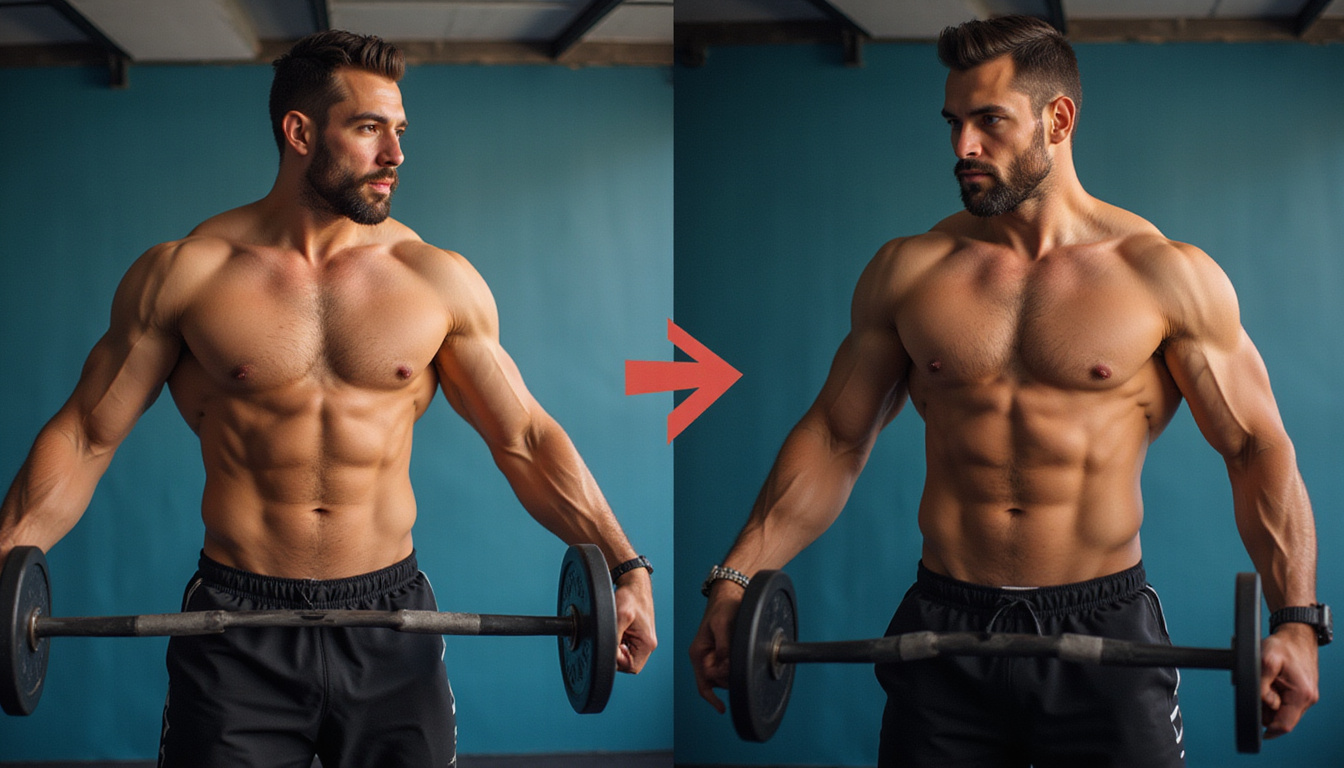
Over time, changes may include:
- Knees that no longer buckle on stairs or slopes.
- Shoulders that feel stable when carrying, lifting, or reaching.
- Lower backs that stop seizing after long periods of standing or sitting.
- Ankles that feel more solid on uneven ground or during sports.
“Celebrities & National Athletes” Trusting Our Approach
Celebrities & National Athletes
Top athletes cannot afford recurring injuries or chronic pain. We use manual muscle testing as a tool to fine‑tune their movement, to prevent overload, and to bring them back to peak condition safely and quickly.
The same principles work for everyday patients. For many, the “competition” is everyday life rather than a major game.
What Happens After Manual Muscle Testing: From Findings to Fix
A good assessment leads to a clear plan. At The Pain Relief Practice, we use your test findings to:
-
Prioritise 2–3 Key Weak Links
We do not give you 20 exercises. We focus on the main drivers of your pain and dysfunction. -
Prescribe Specific, Progressive Exercises
For example:- With a weak glute medius: side‑lying hip abduction, monster walks, or single‑leg stance drills.
- With a weak rotator cuff: external rotation, scaption, or closed‑chain stability drills.
- With poor core control: dead bugs, Pallof press, or anti‑rotation and anti‑extension exercises.
-
Pair With Pain Relief & Manual Therapy If Needed
We calm the tissues while we build strength where it matters. -
Re‑Test Regularly
We repeat manual muscle testing so you can see and feel your strength gains. You do not have to rely on guessing that you feel better.
Signs You Might Benefit from Manual Muscle Testing
Think about booking an assessment if you:
- Have persistent knee, hip, shoulder, neck, back, or ankle pain.
- Feel that one side is “useless,” “weaker,” or always injured.
- Notice that your joints crack, click, or give way, especially when under load.
- Struggle with stairs, standing up from the floor, or carrying items.
- Experience overall tightness despite stretching, massages, or foam rolling.
- Are an athlete or regular exerciser whose performance has stalled because of pain or instability.
Manual muscle testing can quickly show whether the main issue is strength, control, mobility, or a mix of these.
Our Google Profile (Find Us & See Patient Experiences)
You can learn more about The Pain Relief Practice. Find our location and see patient reviews on our Google profile:
https://share.google/UwMU2I9zUCwXVh0Lg
Manual Muscle Testing FAQs
1. Is manual muscle testing in Singapore only for athletes?
Not at all. Many athletes use it to fine‑tune performance and prevent injuries. It is also very useful for:
- Office workers with neck, shoulder, or back pain.
- Parents who face knee or hip pain from lifting children and climbing stairs.
- Seniors who want better balance and joint support.
- Anyone who has chronic or recurring joint pain.
If your body hurts when you move, manual muscle testing can show you why.
2. How accurate is manual muscle strength testing compared to scans?
Manual muscle testing and imaging (like X‑rays or MRIs) answer different questions.
• Scans show the structure of bones, discs, ligaments, and cartilage.
• Manual muscle testing shows how well muscles work and support your joints.
Research supports MMT as a valid tool when used by trained professionals. For example, the Journal of Orthopaedic & Sports Physical Therapy supports its use. The best results come from using both functional tests and imaging when needed.
3. What should I expect during a manual muscle testing physiotherapy session?
In a session at The Pain Relief Practice, expect the following:
- A detailed chat about your pain history and daily activities.
- A movement and joint assessment.
- Targeted testing of the key muscles that affect your problem areas.
- Clear explanations of which muscles are weak or compensating.
- A personalized treatment and strengthening plan that matches your goals.
You will be part of the process so you know what we do, why we do it, and how it helps you get back to the activities you enjoy.
If you are in Singapore and are tired of only treating the spot that hurts instead of the cause, manual muscle testing is a simple way to find the true weakness. With expert treatment and targeted training at The Pain Relief Practice, you can move with stronger, more confident joints and enjoy daily life and sport again.
We are a specialized physio treatment center for savvy people who want real results.
While we are not suitable for someone looking for ‘cheap physiotherapy’ or ‘free exercises available on youtube’, our treatments are affordable and are often claimable with company flexi-benefits, company health insurance, travel insurance, personal accident insurance, and other insurance plans.
Simply whatsapp or call: +65 97821601 and let us know how to help.
If you prefer a convenient nutritional preventive option, Regenerix Gold is our top recommended joint supplement.
We have been recommending this joint supplement for over a decade.
Simply start with 3 capsules, once a day.
If you do not feel better within a week, increase to 2 capsules, twice a day. (4 capsules a day in total)
Our blog readers qualify for a special discount.
Simply use the link below and a discount will automatically be applied during checkout.
 PROVIDING FAST, EASY & INSURANCE CLAIMABLE PAIN RECOVERY SINCE 2007