
If you live in Singapore and suffer from nagging joint aches, stiff backs, or feel you cannot squat properly anymore, functional rehabilitation may help. It works by linking your pain relief to a return to your life. Instead of simply chasing pain, this treatment focuses on how you move in daily life. You walk, climb stairs, squat, carry groceries, and get in or out of a car. In doing this, you regain strength and mobility where it matters.
At The Pain Relief Practice, we see many people in a cycle. They take painkillers, rest, and then experience flare-ups again. Proper functional rehabilitation helps your body work with you instead of protesting with every step or bend.
What is functional rehabilitation, really?
Functional rehabilitation is a tailored program that retrains your body for real-life movements. It does not use generic exercises. Instead, the program targets how your joints load weight, how your muscles fire, and how your body moves as a whole system.
If you struggle with issues like:
• Knee pain when climbing up or down stairs
• Locking or catching in your shoulder when reaching overhead
• Lower back seizing when you bend to pick something up
• Hip or ankle stiffness that changes your walking pattern
…then functional rehabilitation is made for you. It goes beyond simple "bed exercises." It helps you return to a life that feels normal—running at East Coast Park, carrying your kids, or returning to your sport.
Why strength and mobility matter more than “no pain”
Many people in Singapore say, “I just want my pain to stop.” But our tests often reveal that the cause is weak stabilising muscles, a limited range of motion, poor balance, or uneven joint control. Pain is loud, but the real problem is twofold:
- Loss of strength – your joints lack muscular support.
- Loss of mobility – your joints and soft tissues do not move fully or smoothly.
If you only treat pain with medication, massage, or rest, you do not fix the underlying issue. That is why your knee might swell after a long walk or your neck stiffens after a day at the computer.
Functional rehabilitation rebuilds your movement foundation.
Step 1: Understand your current movement – not just your MRI
In functional rehabilitation, assessment goes beyond a scan. At The Pain Relief Practice, we look at how you stand, walk, squat, and reach. For example, we check if you shift weight unevenly, if your pelvis rotates, or if your shoulders slump. We also watch your gait for limps or unusual foot turns and your squat for knee collapse or lifted heels. Lastly, we review how you twist or lean when reaching.
These movement patterns tell us more about your pain than an MRI. Studies show that persistent pain often comes from movement dysfunction and deconditioning, not only from structural damage (source: NIH – Chronic Pain and Rehabilitation).
After the assessment, we identify which joints are too stiff, which muscles work too little, and which tissues appear overloaded. With this information, we plan targeted functional rehabilitation instead of trying random exercises from the internet.
Step 2: Restore basic joint mobility safely
You cannot load what you cannot move. Before heavy strengthening, we open up stiff joints and tight tissues. We use gentle joint mobilisation, soft tissue release, stretching, nerve glides, and guided mobility drills for your hips, ankles, shoulders, and thoracic spine.
If you feel tight in your hip when you walk, if stiff ankles force you to walk heavily, or if you find it hard to reach above or behind you, part of your program will target these restrictions. You may notice improvements as you climb stairs with less pain or turn your head freely while driving.
Step 3: Rebuild deep stability – your “internal brace”
With better joint movement, we train the body’s inner stabilisers. These include deep core muscles (beyond simple sit-ups), gluteal stabilisers, scapular stabilisers, and small muscles around your knees and ankles.
Many people jump into heavy gym work without strengthening these stabilisers. That mistake can make pain return. In functional rehabilitation, you work on low-load, high-control exercises. You learn to feel the right muscles working. You practice breathing patterns that support core stability. This creates a stable base so your joints no longer feel loose, wobbly, or as if they can give way.
Step 4: Build strength in real-life movement patterns
When stability improves, we move on to strength. Instead of only doing isolated, machine-based exercises, we practice movements that match daily activities. For example, you work on:
• Squat variations for sitting, standing, and lifting.
• Hip hinge movements that help bend and pick things up safely.
• Lunges and step-ups for navigating stairs or uneven surfaces.
• Push and pull exercises for opening doors, carrying items, or lifting.
• Rotational moves for sports and for reaching across your body.
Exercises are modified to suit your pain tolerance and recovery phase. You may begin with support and slowly increase the challenge. Each exercise has a clear purpose: restore the movement you need each day.
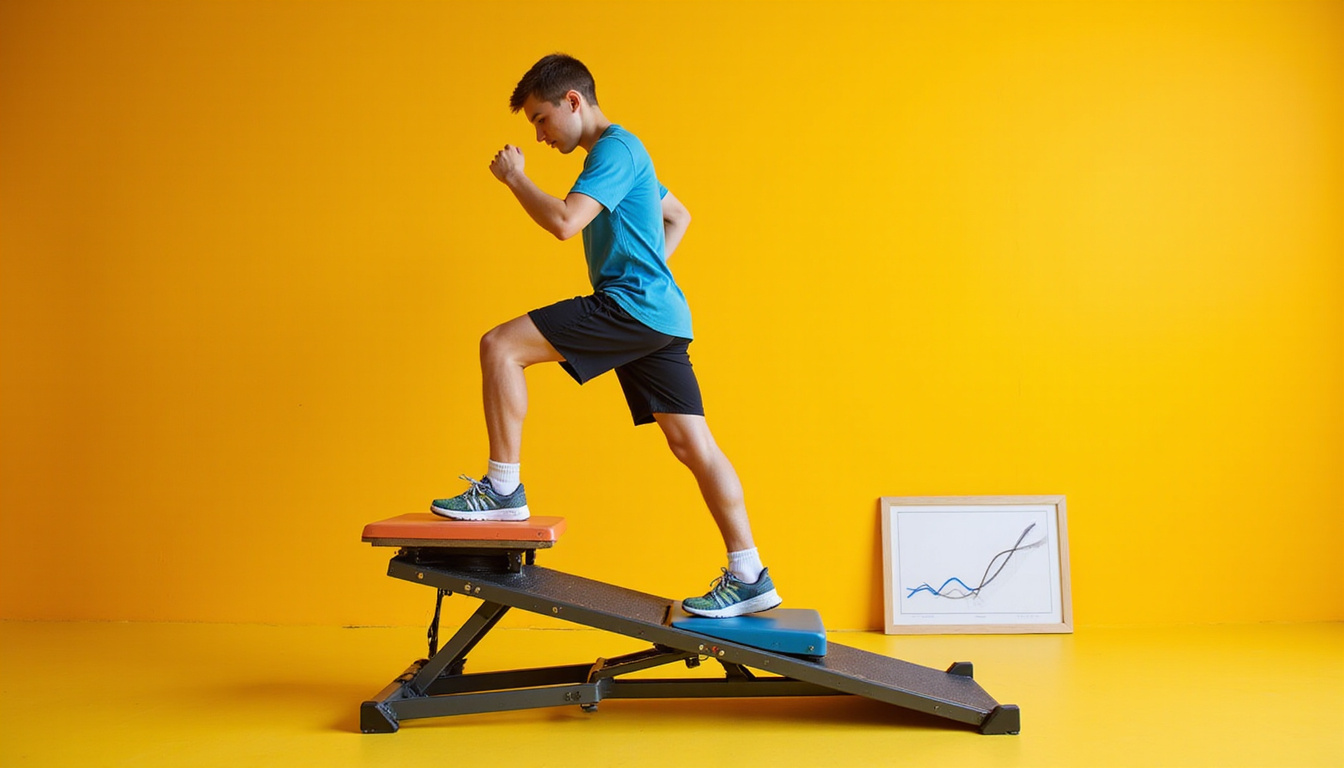
Step 5: Add balance, coordination, and “real world” challenges
Your joints do not move in controlled conditions. Daily life has slippery floors, uneven paths, sudden changes of direction, and the need to carry loads like groceries or luggage. That is why functional rehabilitation also includes balance training, coordination drills, and load management techniques.
For active patients or athletes, we add sports-specific drills. These drills include practice in cutting, jumping, landing, and changing speeds quickly so that you return not just to your sport but even stronger and more resilient.
Practical steps you can start today
Below are some general, gentle steps. They do not replace a full rehabilitation program but can guide you on the right path:
-
Audit your day.
Notice when your pain worsens by long sitting, using stairs, or maintaining certain postures. This helps you spot which movements need work. -
Take micro-movement breaks.
Every 30–45 minutes, stand up and walk for 1–2 minutes. Roll your shoulders and gently twist your spine. Do not wait until pain stops you. -
Try supported squats.
• Hold onto a table or door frame.
• Keep your feet shoulder-width apart with toes slightly out.
• Slowly sit back as if on a high stool, then stand up.
Focus on keeping your knees over your toes and your weight on your mid-foot or heel. Avoid any sharp pain. -
Practice your hip hinge.
• Stand tall with a slight bend in your knees.
• Push your hips back as your chest leans forward.
You should feel a stretch in your hamstrings but no strain in your lower back. -
Improve ankle and hip mobility.
• Do ankle circles while sitting.
• Try a hip flexor stretch in a short kneeling or lunge position.
Do not force any movement that causes sharp pain. -
Respect pain but do not fear movement.
Mild discomfort or muscle fatigue is often acceptable. Sharp or worsening joint pain means you should stop and get assessed.
Why choose The Pain Relief Practice for functional rehabilitation in Singapore?
If you have tried GP visits, painkillers, massage, or random internet exercises without long-term benefit, you may need a structured functional rehabilitation plan that is special to you.
At The Pain Relief Practice we focus on pain and movement problems rather than only general fitness. We combine hands-on treatment with targeted rehabilitation. We assess your whole movement system instead of focusing on one joint. We have been an established physiotherapy clinic since 2007. We have treated celebrities, national athletes, busy professionals, parents, and seniors.
Our goal is simple: we help you solve pain issues, regain healthy joints and muscles, and boost your performance and enjoyment of life. Whether you walk pain-free in Gardens by the Bay or compete at an elite level, we support you every step of the way.
Real Results
Celebrities & National Athletes
See what others say about The Pain Relief Practice
Explore patient experiences and feedback. You can also locate us easily via our Google profile below:
https://share.google/UwMU2I9zUCwXVh0Lg
When should you seek functional rehabilitation instead of just “waiting it out”?
If you live a busy lifestyle in Singapore and experience any of these signs, it is time to consider functional rehabilitation:
• Pain that lasts more than 2–3 weeks even after rest.
• Recurring episodes of the same pain every few months.
• The need for painkillers to get through a workday.
• Avoiding stairs, long walks, or activities because of joint discomfort.
• Fear that your back, knee, or shoulder could give way.
The sooner you address movement dysfunction, the easier it is to correct. Waiting until the joint is very weak or compensation patterns develop makes recovery longer and harder. Yet, with the right approach, recovery is possible.
FAQ: functional rehabilitation in Singapore
1. What is functional rehabilitation therapy and how is it different from normal physio?
Functional rehabilitation therapy restores the way you move in daily life—walking, squatting, lifting, reaching—in a step-by-step way. At The Pain Relief Practice, we help rebuild mobility, strength, stability, and coordination. This way, your joints can handle real-world loads without repeated flare-ups.
2. Is functional exercise rehabilitation suitable if I have arthritis or long-term joint wear?
Yes. Many people with arthritis or joint wear benefit from functional rehabilitation. Instead of avoiding movement, we teach you how to load your joint safely. You strengthen your supporting muscles and improve your alignment. This process may ease pain, improve walking, and even delay or avoid more invasive treatments.
3. How long does functional rehab take before I feel better?
Time frames differ by person. Many patients notice improvement in 2–4 weeks. They may find it easier to walk, have better flexibility, and experience less morning stiffness. More complex issues can take several months. At The Pain Relief Practice, we aim for long-term change in how your body moves and functions, not just short-term relief.
If you are tired of "babying" your joints, avoiding activities you once enjoyed, or worrying about your next flare-up, functional rehabilitation can help. The Pain Relief Practice is here to guide you step by step—from pain and stiffness back to strength, mobility, and a fuller, more active life in Singapore.
We are a specialized physio treatment center for savvy people who want real results.
While we are not suitable for someone looking for ‘cheap physiotherapy’ or ‘free exercises available on youtube’, our treatments are affordable and are often claimable with company flexi-benefits, company health insurance, travel insurance, personal accident insurance, and other insurance plans.
Simply whatsapp or call: +65 97821601 and let us know how to help.
If you prefer a convenient nutritional preventive option, Regenerix Gold is our top recommended joint supplement.
We have been recommending this joint supplement for over a decade.
Simply start with 3 capsules, once a day.
If you do not feel better within a week, increase to 2 capsules, twice a day. (4 capsules a day in total)
Our blog readers qualify for a special discount.
Simply use the link below and a discount will automatically be applied during checkout.

 PROVIDING FAST, EASY & INSURANCE CLAIMABLE PAIN RECOVERY SINCE 2007