
If you’re among the many individuals in Singapore experiencing discomfort or dysfunction related to rotator cuff injuries, you’re likely searching for the best physio for rotator cuff in Singapore. This article is designed to guide you through understanding rotator cuff injuries, what to look for in a physiotherapist, and our top recommendations for clinics that can help you regain your strength and mobility. The journey to recovery can be challenging, but with the right support and expertise, you can experience significant improvements in your condition.
Key Takeaways
- Understanding the nature and symptoms of rotator cuff injuries is crucial for recovery.
- When choosing a physiotherapist, consider their experience and specialization in rotator cuff injuries.
- Singapore boasts several top-rated physiotherapy clinics that specialize in shoulder rehabilitation.
- Expect personalized treatment plans and hands-on techniques during your physiotherapy sessions.
- To accelerate your recovery, actively engage in your treatment and follow your physio’s advice.
Understanding Rotator Cuff Injuries
## Understanding Rotator Cuff Injuries
Rotator cuff injuries are common musculoskeletal conditions that can affect your daily life and limit your range of motion. The rotator cuff, comprised of tendons and muscles surrounding the shoulder joint, plays a crucial role in shoulder stability and mobility. Individuals in Singapore who experience discomfort, weakness, or pain in their shoulder may be grappling with a rotator cuff injury. Knowing the signs and causes can help you identify the issue early on and seek the best treatment.
### Common Symptoms of Rotator Cuff Injuries
Rotator cuff injuries can present a variety of symptoms, making it essential to recognize them promptly. Typical signs include:
1. Pain when lifting or lowering objects
2. Weakness in the shoulder
3. Limited range of motion
4. Clicking or popping sounds when moving the shoulder
5. Pain that worsens at night
If you find yourself experiencing these symptoms, it may be time to consult the best physio for rotator cuff injuries in Singapore.
### Causes of Rotator Cuff Injuries
Rotator cuff injuries can arise from various factors, including:
• Overuse: Repetitive overhead activities can lead to wear and tear of the rotator cuff over time.
• Accidents and injuries: Sudden falls or accidents may cause tears or strains in the shoulder.
• Age-related degeneration: As we age, the rotator cuff can weaken, making it susceptible to injuries.
Understanding these causes can help in preventing future injuries and knowing when to seek treatment.
Factors to Consider When Choosing a Physio
### Factors to Consider When Choosing a Physio
When you’re searching for the best physio for rotator cuff issues in Singapore, there are several crucial factors to take into account that can enhance your recovery journey. First and foremost, consider the physiotherapist’s experience and expertise specifically related to rotator cuff injuries. It’s beneficial to choose a clinic with a proven track record, like The Pain Relief Practice, which has helped countless individuals since
2007.
Next, assess the physiotherapist’s approach to treatment. Look for professionals who use a combination of manual therapy, exercise rehabilitation, and education to manage and alleviate pain. A good physiotherapist should also focus on understanding your lifestyle and how it can affect your recovery. Moreover, check the clinic’s reputation by reading patient testimonials to gauge satisfaction levels and treatment effectiveness. Lastly, you may want to inquire about their connections with other healthcare professionals, such as orthopedic specialists, which can be vital for more complicated cases of rotator cuff injuries.
‘The greatest glory in living lies not in never falling, but in rising every time we fall.’ – Nelson Mandela

Top Recommendations for Physio Clinics in Singapore
## Top Recommendations for Physio Clinics in Singapore
When it comes to finding the best physio for rotator cuff issues in Singapore, numerous clinics stand out for their specialized approach to treating rotator cuff injuries. These injuries can cause substantial discomfort and hinder your daily activities, making it crucial to seek effective treatment. Below are some top recommendations where you can expect high-quality, personalized care:
1. The Pain Relief Practice
As one of the more established physiotherapy clinics in Singapore since 2007, The Pain Relief Practice has gained a reputation for excellence in treating musculoskeletal discomfort, particularly for rotator cuff-related issues. They have successfully treated celebrities and national athletes, ensuring that their methods are top-notch.
2. The Physiotherapy Clinic
Known for their comprehensive assessment processes, this clinic employs a variety of treatments, including manual therapy and exercise programs tailored to strengthen the rotator cuff.
3. PhysioWorks
Focused on providing individualized treatment plans, PhysioWorks offers a combination of hands-on therapy and specific exercises that target rotator cuff rehabilitation effectively.
4. Myo Movement
This clinic utilizes cutting-edge technologies and techniques to treat rotator cuff injuries, ensuring a thorough approach that addresses the root cause of the pain.
5. Pain-Free Physio
With a focus on long-term healing, Pain-Free Physio integrates education on injury prevention with targeted therapies to rehabilitate your shoulder.
When searching for the best physio for rotator cuff problems in Singapore, remember to consider factors such as clinic reputation, the experience of physiotherapists, and the range of treatments offered.
What to Expect During Physiotherapy Sessions
### What to Expect During Physiotherapy Sessions
If you’ve been experiencing persistent shoulder pain and are seeking the best physio for rotator cuff issues in Singapore, understanding what to expect during your physiotherapy sessions can greatly enhance the effectiveness of your treatment.
When you first visit a specialized clinic like The Pain Relief Practice, you will undergo a comprehensive assessment. This includes a detailed discussion of your symptoms, medical history, and lifestyle, followed by a physical examination. Here’s an overview of the steps involved in a typical physiotherapy session tailored for rotator cuff rehabilitation:
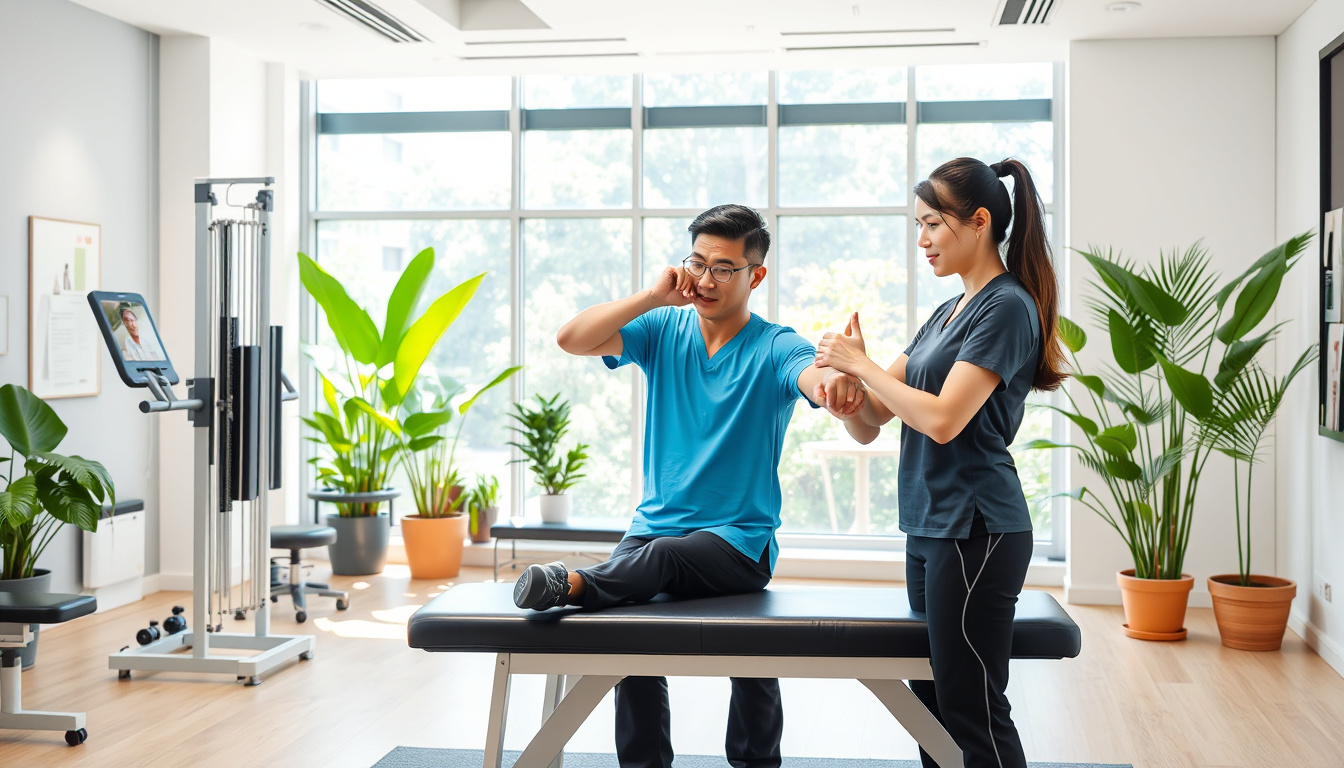
1. Initial Assessment: The physiotherapist will evaluate your range of motion, strength, and any pain points around the shoulder. This assessment helps in forming a personalized treatment plan.
2. Individualized Treatment Plan: Based on the assessment, your physiotherapist will create a structured plan that may include manual therapy, exercises, and modalities to alleviate pain and improve movement.
3. Hands-On Techniques: Techniques such as soft tissue mobilization or joint manipulation may be employed to reduce stiffness and improve function.
4. Exercise Therapy: This is crucial for strengthening the rotator cuff muscles. Your physiotherapist will guide you through specific exercises tailored to your level of pain and mobility.
5. Education: You will receive advice on posture, ergonomics, and how to avoid aggravating your shoulder during daily activities.
6. Progress Monitoring: Regular evaluation of your progress is essential. Adjustments to your treatment plan may be made based on how well you are responding to therapy.
By choosing The Pain Relief Practice, recognized as one of the best physiotherapy clinics in Singapore since 2007, you can feel confident in our ability to help manage your joint pain and discomfort effectively. We have successfully treated numerous clients, ranging from everyday individuals to celebrities and national athletes, ensuring each one receives tailored care based on their unique needs.

Tips for Maximizing Your Recovery
### Tips for Maximizing Your Recovery
When recovering from a rotator cuff injury, finding the best physio for rotator cuff Singapore can significantly enhance your rehabilitation journey. Effective treatment often involves a combination of therapies, exercises, and lifestyle adjustments. Here are some tips that can help you optimize your recovery:
1. Follow Your Physio’s Plan: Adhere to the personalized rehabilitation plan provided by your physiotherapist. This plan is designed to address your specific needs and promote healing.
2. Incorporate Range-of-Motion Exercises: Engage in gentle range-of-motion exercises to enhance flexibility and reduce stiffness. Your physiotherapist may prescribe certain movements to gradually strengthen the shoulder without overexerting it.
3. Utilize Ice and Heat Therapy: Apply ice packs to reduce inflammation and swelling, and use heat packs to relax muscles before exercises. Combining these modalities can provide significant pain relief during the recovery phase.
4. Keep Your Posture in Check: Maintain proper posture, especially when sitting or standing, to reduce stress on your shoulder and neck area.
5. Strengthen Supporting Muscles: Work on strengthening the muscles around your shoulder, including your rotator cuff muscles, to support the healing process. Your physiotherapist will guide you through safe exercises to achieve this goal.
6. Stay Hydrated and Maintain Nutrition: Proper hydration and a balanced diet rich in anti-inflammatory foods can aid in your recovery. Consider foods like fatty fish, nuts, and green leafy vegetables.
7. Communicate with Your Physio: Keep an open line of communication with your physiotherapist. Report any discomfort or concerns regarding your recovery so that adjustments can be made to your treatment plan as needed.
We are a specialized physio treatment center for savvy people who want real results.
While we are not suitable for someone looking for ‘cheap physiotherapy’ or ‘free exercises available on youtube’, our treatments are affordable and are often claimable with company flexi-benefits, company health insurance, travel insurance, personal accident insurance, and other insurance plans.
Simply whatsapp or call: +65 97821601 and let us know how to help.
If you prefer a convenient nutritional preventive option, Regenerix Gold is our top recommended joint supplement.
We have been recommending this joint supplement for over a decade.
Simply start with 3 capsules, once a day.
If you do not feel better within a week, increase to 2 capsules, twice a day. (4 capsules a day in total)
Our blog readers qualify for a special discount.
Simply use the link below and a discount will automatically be applied during checkout.
 PROVIDING FAST, EASY & INSURANCE CLAIMABLE PAIN RECOVERY SINCE 2007