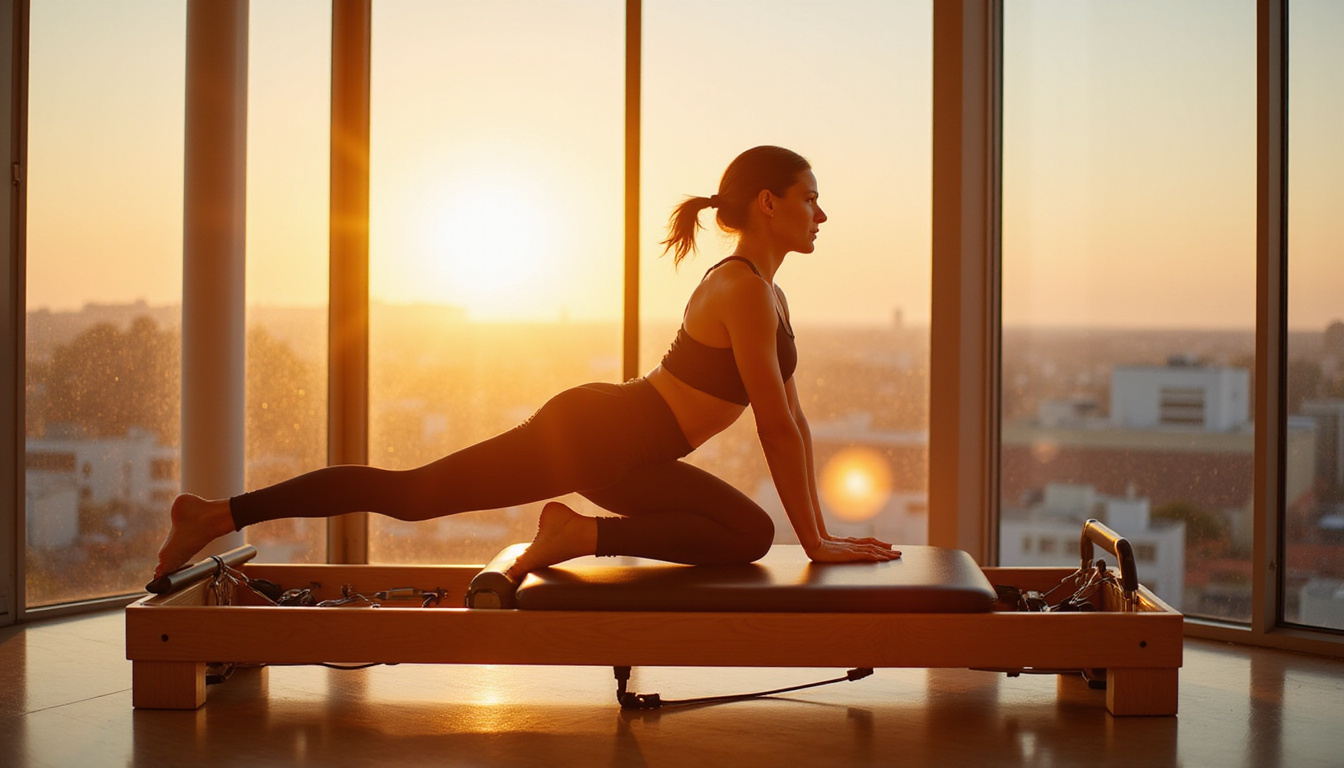
If you suffer from nagging joint aches, a stiff back, locked hips, or creaky knees, you ask: Is reformer pilates safe? You are not alone. Many people in Singapore have long pain in their neck, shoulders, knees, or lower back. They choose reformer movement to build lean strength, improve posture, and feel more energised.
This guide shows how reformer pilates works for painful, jammed joints and tired muscles. It highlights key moves that shape your body and boost energy. It also shows how a pain treatment center like The Pain Relief Practice can help you move safely and well.
Why reformer pilates is different when you have “problem joints”
If you have tried high-impact classes, jogging, or bootcamps, you may have finished with:
- Knees that feel wobbly or that grind
- A lower back that seizes after long sitting
- Shoulders that click or feel unstable during planks or push-ups
- Tight hamstrings and hip flexors that will not loosen
Reformer pilates can change that. A reformer is a sliding carriage with springs, straps, and a footbar. Unlike mat Pilates or gym machines, the reformer lets your therapist do three key things:
- Adjust resistance with springs. This protects painful joints while loading the right muscles.
- Guide your movement path. This is vital when your knees fall in, hips twist, or your back over-arches.
- Train core and stabilising muscles first. This stops you from overloading irritated areas.
For many in Singapore, long office hours, long commutes, and lots of sitting make the deep core, upper back, and glute muscles sleepy. Reformer pilates wakes them up so they support your joints all day.
Core benefits of reformer pilates for painful or stiff joints
If you want more than a toned look – if you want to move without fear – reformer pilates can help you in several ways:
-
Unload cranky joints while still getting strong
Springs take some load off your knees, hips, shoulders, and spine. They force the right muscles to work. -
Build deep core strength (not just a six-pack)
When your deep core and pelvic muscles are weak, your back and hips take extra stress with each move. -
Improve alignment and posture
Many people in Singapore complain of text neck, rounded shoulders, and slumped backs from long desk hours. Reformer work helps your body stack right. -
Increase joint mobility without forcing painful stretches
Controlled movement with light resistance gives you a smooth range of motion. You avoid the catching or snapping feeling. -
Boost energy instead of draining it
Sessions are low-impact and friendly to joints. You finish feeling awake and light instead of tired or in pain.
Key
Below are common reformer pilates moves that we shape for Singapore patients with musculoskeletal issues. They are described so you can recognise them. They are not instructions for self-treatment. Always have your pain assessed first.
1. Footwork: reset knees, hips and ankle alignment
You lie on your back with your feet on the footbar. You press the carriage in and out with different foot positions:
- Heels on bar to activate glutes and hamstrings
- Toes on bar to train quads and calves
- A small “V” position to engage your inner thighs and hips
Why does it help joint pain?
• It retrains your knee tracking if your knees collapse inward.
• It strengthens the connection from your hips to your ankles in a safe way.
• It is great for early knee arthritis, past ACL issues, or weak knees from long sitting.
2. Leg straps (Frogs & Circles): hip and groin-friendly sculpting
With your feet in straps, you move through frog presses and smooth leg circles.
Benefits for stiff hips and groin:
• It opens tight hip flexors without yanking on your lower back.
• It builds glute and inner-thigh strength for stable pelvis control.
• It helps those with clicky hips or groin tightness from sports or long office hours.
3. Bridging on the reformer: glutes for a safer back
You press into the footbar. You lift your pelvis off the carriage into a bridge.
Why does your lower back love this move?
• It makes your glutes fire instead of letting your back muscles do all the work.
• It mobilises your spine in a controlled and supported way.
• It eases the jammed feeling in your lower back after sitting or driving.
Patients often say, “My back feels lighter, not as compressed,” after several reformer bridges.
4. Long stretch / Plank variations: joint-safe upper body load
Plank moves on the reformer carriage can seem hard if your wrists, shoulders, or lower back are sensitive. With careful spring adjustments and clear guidance, these moves work well.
Benefits include:
• Building shoulder stability to reduce loose or clicky shoulders.
• Strengthening the deep core instead of overloading your hip flexors.
• Helping with posture, especially if you hunch over a laptop.
At The Pain Relief Practice, we often start with modified planks (such as knees on the ground or a shorter lever) to protect your neck and shoulders.
5. Rowing and pulling straps: upper back, posture and “text neck”
You face the pulleys. With the straps, you row, pull, and rotate.
This helps by:
• Undoing rounded shoulders from desk work.
• Strengthening your mid-back so your neck gets less stress.
• Improving scapular control if you feel a pinching or trapped nerve sensation.

Many people with neck pain say that upper back work on the reformer reduces headaches and neck stiffness over time.
6. Mermaid stretch: side-body and rib mobility
You sit sideways on the carriage. You lengthen one side of your body as the carriage glides.
This stretch feels good on stiff backs because:
• It gently opens tight ribs and side muscles that compress from sitting.
• It reduces a locked feeling on one side of your lower back.
• It encourages smooth breathing, which helps you relax and feel energetic.
7. Scooter and standing work: real-world walking and climbing strength
With one foot on the platform and the other on the carriage, you push the carriage back like riding a scooter.
This move is perfect for:
• Strengthening glutes and quads in a way that mimics walking and stair climbing.
• Training balance and stability with nearby support.
• Helping those whose knees give way or whose hips ache after long walks.
How to use reformer pilates safely if you already hurt
If you have lasting issues – like a slipped disc, sciatica, a meniscus tear, rotator cuff problems, or early osteoarthritis – it is very important to start safely.
Key safety principles:
-
Get assessed properly first.
• Not all pain is the same.
• Reformer pilates for rehab should match your diagnosis and movement patterns. -
Start lighter than you think.
• More spring resistance is not always better.
• Lighter springs may challenge your control and actually protect your joints. -
Focus on control, not on speed or a burn.
• If your knees or lower back feel pinchy, gritty, or catching, it is time to adjust. -
Watch your fatigue.
• When your stabilising muscles tire, old missteps return.
• That is when flare-ups can start. -
Progress gradually.
• The reformer allows very fine advances in spring level, range, and complexity.
• This is exactly what irritated joints need.
Why choose The Pain Relief Practice for reformer-based rehab in Singapore
The Pain Relief Practice is not your average gym or studio. Established since 2007, we are a leading physiotherapy clinic in Singapore. We focus on these points:
• Find the root cause of your pain rather than just “strengthening everything.”
• Use targeted hands-on therapy, advanced pain relief techniques, and reformer pilates to restore pain-free movement.
• Help you regain healthy joints and muscles so you can return to sports, family life, and improved performance at work and play.
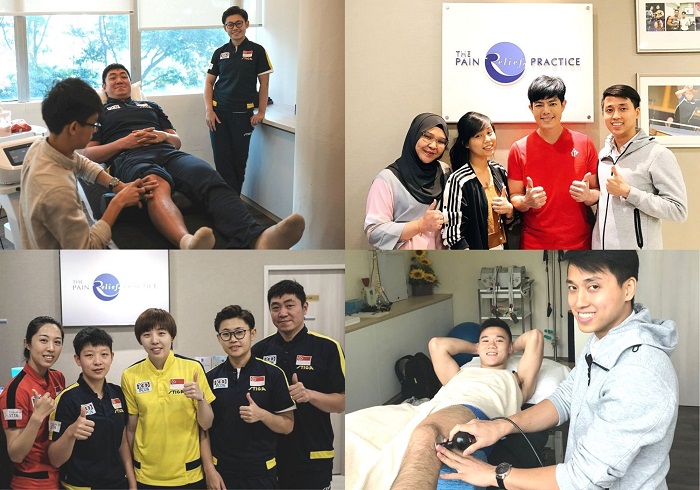
We have treated celebrities and national athletes who demand fast, effective recovery and high-level conditioning. We use the same careful techniques with every patient who walks in with stubborn joint or muscle pain.
You can check out our clinic details and reviews on our Google profile here:
https://share.google/UwMU2I9zUCwXVh0Lg
Real Results
Patients often report after reformer pilates sessions with us:
• “My knees do not feel so heavy when I go down the stairs.”
• “My lower back does not lock up during long meetings.”
• “I can finally sleep without that deep ache in my hip.”
• “My energy levels are better because I am not guarding every move.”
These results come from structured plans: first pain relief; then movement correction; then progressive strengthening.
Celebrities & National Athletes
Elite performers use reformer pilates as a secret weapon to:
• Recover faster from intense training.
• Fine-tune muscle balance.
• Protect vulnerable joints like knees and shoulders.
• Maintain peak posture and power during long seasons.
The same safe and scaled techniques work well for office workers, active seniors, and weekend warriors who simply wish to move without pain.
Who in Singapore is a good candidate for reformer pilates?
You may benefit from a reformer pilates programme at The Pain Relief Practice if you:
• Have a “dodgy” lower back that flares up when bending, lifting, or sitting long.
• Experience knee discomfort when climbing stairs, squatting, or jogging.
• Feel stiff hips and hamstrings that never seem to stretch out.
• Battle neck and shoulder tightness from using your laptop or phone.
• Are recovering from musculoskeletal injuries (after your doctor or specialist gives clearance for guided exercise).
• Want a joint-friendly way to tone up, shape your body, and improve posture.
If your pain is sharp, constant, or comes with unexplained weight loss, fever, or night pain that wakes you up, seek medical advice first (source: NHS guidance on musculoskeletal pain).
What to expect at The Pain Relief Practice
When you come in for help with pain and to learn reformer pilates, you will get:
-
A detailed assessment
• A look at your pain history, flare patterns, and past treatments.
• Analysis of your movement and posture.
• Joint, muscle, and nerve tests as needed. -
Targeted treatment for pain relief
• Hands-on therapy and evidence-based techniques.
• Advice on short-term activity changes and home care. -
A progressive reformer pilates programme
• A plan that uses moves like footwork, straps, bridges, planks, and mermaids.
• Adjustments made to fit your pain and strength level.
• Ongoing fine-tuning so your joints feel supported, not irritated. -
Performance and prevention
• Once pain is controlled, we help you build strength and control to reduce flare-ups.
• We support your lifestyle or sport.
Simple checklist: Is now a good time to start reformer pilates?
Use this quick list to decide your next step:
- [ ] My joint or muscle pain bothers me but is not an emergency (no severe or unexplained symptoms).
- [ ] I feel weaker or stiffer on one side or after long periods of sitting or standing.
- [ ] High-impact exercises or generic classes tend to make my pain worse.
- [ ] I want a structured, joint-friendly way to tone up and boost energy.
- [ ] I am willing to work with a professional instead of following a YouTube video on my own.
If you checked most of these boxes, a reformer pilates programme under clinical guidance may be a strong option.
FAQ about reformer pilates and joint pain
-
Is reformer pilates good for bad knees?
Yes. When reformer pilates is tailored to you, it focuses on proper alignment, hip and glute strength, and a controlled range. The springs help unload the joint. This allows many people with achy or early arthritic knees to exercise without the grinding or clunking felt in high-impact classes. -
Can reformer pilates help chronic lower back pain?
Reformer pilates can retrain your deep core, glutes, and hip stabilisers. It improves spinal mobility in a supported way. For many who face recurring back locking or spasms, this mix of pain relief and reformer work reduces flare-ups and builds confidence in bending, lifting, and sitting. -
Is reformer pilates or physiotherapy better for joint problems?
They work best together. Reformer pilates under a physiotherapy-led programme can be very effective. At The Pain Relief Practice, we combine targeted physiotherapy with reformer pilates exercises so you gain both pain relief and lasting joint strength.
If you are in Singapore and you are tired of living with pain—avoiding stairs, skipping sports, or bracing every time you bend—consider a clinically guided reformer pilates programme. Done right, it can be one of the safest and most effective ways to shape your body, protect your joints, and boost your energy for the long term.
We are a specialized physio treatment center for savvy people who want real results.
While we are not suitable for someone looking for ‘cheap physiotherapy’ or ‘free exercises available on youtube’, our treatments are affordable and are often claimable with company flexi-benefits, company health insurance, travel insurance, personal accident insurance, and other insurance plans.
Simply whatsapp or call: +65 97821601 and let us know how to help.
If you prefer a convenient nutritional preventive option, Regenerix Gold is our top recommended joint supplement.
We have been recommending this joint supplement for over a decade.
Simply start with 3 capsules, once a day.
If you do not feel better within a week, increase to 2 capsules, twice a day. (4 capsules a day in total)
Our blog readers qualify for a special discount.
Simply use the link below and a discount will automatically be applied during checkout.