If you suffer from neck aches, stiff lower back pain, or stubborn joints, you may know that a simple physical fix does not work. You stretch and rest. You still feel pain. Biopsychosocial physiotherapy changes that. It treats your body, mind, and life together. It is an approach that many people in Singapore use for long-term pain.
In this article, you will learn what this approach means without heavy language. You will see how it helps with issues like a slipped disc, knee problems, frozen shoulder, or stiff joints. You will also see how The Pain Relief Practice in Singapore uses this method to help patients – including celebrities and national athletes – return to an active, pain‑free life.
What Is Biopsychosocial Physiotherapy in Simple Terms?
Many know the biomedical model.
It asks: “Where is the pain?” It looks at damaged parts. Then it fixes that part.
Biopsychosocial physiotherapy adds more. It sees that chronic pain comes from three factors:
- Bio: Your body.
Joints, discs, muscles, nerves, posture, old injuries, wear, and tear are all part of it. - Psycho: Your mind.
Stress, fear of movement, poor sleep, pain memories, and frustration play a role. - Social: Your life.
Work pressure, family duties, sitting too long, hobbies, and support systems matter too.
If in Singapore you work long hours or juggle many tasks, your body feels it. Each word here links close to the next so the meaning is clear.
Biopsychosocial physiotherapy does not say that pain is “all in your head”. It explains that your pain is real. It also shows that your pain does not come from only what an X-ray or MRI shows.
This whole-person view respects your lived life. It notes every detail—from the stiffness when you stand up to the catch you feel when you climb stairs, or the worry that your back may hurt again when you lift luggage.
Why Old-Style Pain Care Often Fails People with Long-Term Joint Issues
Many people visit several doctors. They try painkillers, patches, traditional Chinese medicine, massages, or injections. They then feel these thoughts:
- The scan looks normal, yet the pain stays strong.
- The scan looks bad, but some days the pain lessens.
- Pain goes away for a short time, only to return after sitting or walking too long.
- They are told to “just live with it” or that “age is the cause.”
This happens because scan details (like degeneration or disc bulge) only tell half the story. Research shows many people who do not feel pain still show disc bulges or early degeneration on an MRI.
Biopsychosocial physiotherapy asks these questions:
- How sensitive is your nervous system? It asks why the same move hurts more on a bad day.
- What are your movement habits? It checks how you bend, load, twist, and compensate.
- What are your thoughts about your body? Thoughts like “My disc might slip again” or “My knee is failing” matter.
- What is your life like? It considers shift work, caregiving, stress at home, and long commutes.
When clinics ignore these links, even good manual therapies or exercises only help a little and for a short time.
How Biopsychosocial Physiotherapy Works in Real Life
At The Pain Relief Practice, every step follows the biopsychosocial method. This is especially useful for chronic neck, back, shoulder, knee, or hip pain when many treatments have failed.
1. Deep Assessment Beyond “Where It Hurts”
You do not get a brief look and a quick fix. Instead, you get a careful assessment:
- Detailed history:
• When did pain start?
• What makes it worse? Standing, stairs, carrying kids, long meetings.
• What treatments have you tried? What helped even a little? - Movement analysis:
• How does your spine move when you bend or twist?
• How does your knee behave when you climb stairs?
• How does your shoulder move when you raise your arms? - Load testing:
• What happens when you stand on one leg?
• How far can you walk before the pain starts pulling?
• What is your limit before the pain flares?
They also note:
• Your sleep, fatigue, and stress
• Your workstation setup
• Your exercise habits if you train or go to the gym
• What you believe about your pain and body
2. Explaining Pain in a Way That Reduces Fear
Those with long-standing pain may have scary labels like:
• “slipped disc”
• “bone-on-bone”
• “nerve compression”
• “severe wear and tear”
Biopsychosocial physiotherapy works to change these labels. It teaches that:
• Normal ageing causes some changes that do not mean a life sentence of pain.
• The level of pain does not match the level of damage.
• Your joints are much stronger and more flexible than you feel.
This teaching removes fear and helps you move safely and with confidence.
Targeted Hands-On Care + Tailored Movement, Not Random Exercises
A full-person approach is not “talk only”. At The Pain Relief Practice, real results come from advanced hands-on methods and focused movement work.
Real Results
1. Hands-On Techniques to Calm the System
Your physiotherapist may use techniques such as:
• Joint mobilization or manipulation for stiff parts
• Soft tissue and myofascial release for tight muscles
• Neural gliding for nerve symptoms like numbness or tingling
• Taping or supports for short-term relief
The goal is to:
• Lower muscle guarding and spasms
• Improve joint movement during daily tasks
• Create a window of lower pain so you can retrain safely
2. Load, Strength, and Movement Retraining
Instead of a generic “3 sets of 10”, the program meets your pain and life needs. For example:
• For office workers with neck/shoulder pain:
- Exercises for shoulder stability
- Gentle neck and upper back movement
- Tips for micro-breaks and proper chair setup
• For knee pain from osteoarthritis or running:
- Hip and knee strengthening with careful range
- Gradual work with stairs, slopes, and squats
- Adjustments to gait or running to cut the strain
• For chronic low back pain or a slipped disc:
- Core and hip stability progressions
- Learning safe ways to bend and lift
- A careful return to gym work, cycling, or sports
Your physiotherapist will link your exercises to your flare pattern. He or she adjusts the work so that it challenges you without sparking a long flare-up.

The “Psychosocial” Side: Stress, Sleep, Work, Family & Fear
You know that pain grows worse when you are tired or stressed. Yet many clinics ignore life factors. At The Pain Relief Practice, these issues matter:
• Stress and tension: They can cause neck tightness, jaw clenching, or back stiffness.
• Sleep: Poor sleep increases pain. Pain disrupts sleep, too.
• Work: Long sitting hours, back-to-back Zoom calls, or manual labor add strain.
• Family: Responsibilities like lifting kids or helping elderly parents matter.
• Fear: Worry that a knee will give way or that a back might hurt again.
Your physiotherapist may teach you:
• How to pace your work and activities throughout the day and week.
• Simple relaxation and breathing techniques for pain spikes.
• Practical changes at home and work to reduce strain while keeping life active.
This is not counselling. It is clear coaching that helps your life work with your recovery.
Why Savvy Patients in Singapore Choose The Pain Relief Practice
By now, you are ready for more than a quick fix. You want:
• To solve the causes of pain instead of just numbing it
• To build joints and muscles that work in your daily life
• To boost your performance at work, in sports, and at home
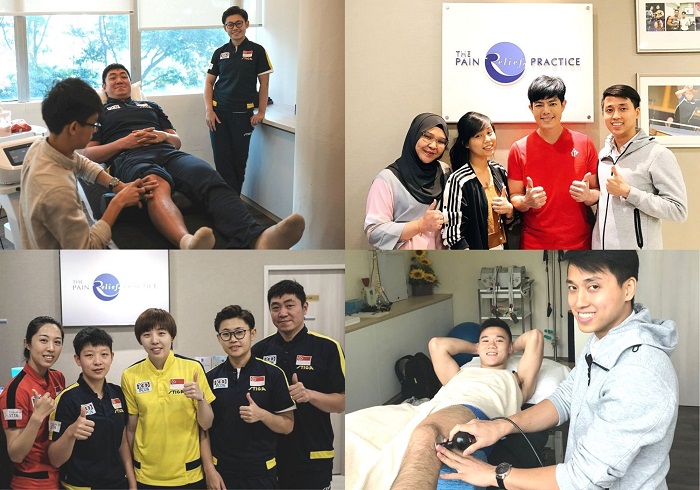
Since 2007, The Pain Relief Practice has served patients in Singapore who want full-person care. They focus on the whole person rather than on machine-based treatments alone. They also work with celebrities and national athletes. Their methods work for both elite clients and everyday patients who want strong improvements in function and life quality.
Celebrities & National Athletes
Many elite athletes face complex injuries and tight schedules. The same careful method is used to help everyday cases with neck, back, shoulder, or knee pain achieve great results.
What a Typical Biopsychosocial Physiotherapy Journey Looks Like
Every journey is unique, yet most follow a clear path at The Pain Relief Practice:
-
Initial Assessment (Whole-Person View)
• A detailed history, movement checks, and load tests
• Screening for red flags and serious issues
• Clear findings explained in simple words -
Agreement on Goals and Plan
• Controlling pain and reducing flare-ups
• Functional goals like sitting comfortably or climbing stairs
• Sports or performance goals when needed -
Treatment Phase
• Hands-on sessions combined with targeted exercises
• Education on pain, movement, and pacing
• Adjustments based on your weekly progress -
Progression & Resilience Building
• Increasing load and conditioning the affected areas
• A safe return to work, sports, and full daily life
• Prevention tips to keep pain from coming back -
Maintenance / Performance Phase (Optional)
• Regular check-ins for high-demand work or sports
• Fine-tuning movement, load management, and recovery techniques
Who Benefits Most from Biopsychosocial Physiotherapy?
This whole-person method suits many people in Singapore. It helps those who have:
• Long-term neck, shoulder, or low back pain that flares often
• Knee osteoarthritis or old sports knee pain with stairs or long walks
• Recurrent ankle sprains with ongoing swelling and instability
• Shoulder impingement or frozen shoulder that stops overhead or behind-back reach
• Chronic muscle tightness that returns after stretching or massage
• Pain that scans do not fully explain yet affects sleep, work, or mood
If you feel “too young to feel this old” yet “too busy to be held back”, biopsychosocial physiotherapy can guide you forward. It works without relying on painkillers or repeated injections.
Quick Checklist: Signs You May Need a Whole-Person Pain Strategy
You may need this kind of care if you notice:
• You carefully plan your day. For example: “If I walk to the MRT, I cannot stand in a meeting later.”
• Your pain moves or changes when you are stressed or sleep poorly.
• Your scans do not show why your pain feels so intense.
• You have tried many treatments that help only for a short time.
• You avoid activities you love because you fear pain or are frustrated.
FAQ: Biopsychosocial Physiotherapy & Chronic Pain in Singapore
-
How is biopsychosocial physiotherapy different from normal physiotherapy?
Traditional physiotherapy focuses on body parts like joints, muscles, and ligaments. Biopsychosocial physiotherapy treats these parts and also checks your stress, sleep, and work life. It adds your thoughts and daily life into the picture. This gives a full view of pain that does not improve with physical treatment alone. -
Is a biopsychosocial approach suitable for severe joint pain like knee arthritis or a slipped disc?
Yes. Chronic issues like knee osteoarthritis, long-standing shoulder pain, and disc-related back pain do well with this model. You still get focused physical treatment and exercises. But you also receive education, pacing advice, and lifestyle changes. This reduces flare-ups and builds stronger joints over time. -
How many sessions of biopsychosocial physiotherapy will I usually need?
This depends on how long you have felt pain, how many flare-ups you have had, and your work or life demands. Many patients feel a clear change within 4–6 sessions. More complex cases may need a step-by-step plan. The goal is to help you manage pain independently while reducing clinic visits over time.
Ready to Experience Biopsychosocial Physiotherapy at The Pain Relief Practice?
If your joints and muscles are always hurting and short-term fixes no longer work, you need a biopsychosocial physiotherapy approach. It connects your body, life, and pain clearly.
The Pain Relief Practice has helped people in Singapore relieve pain, build strong joints and muscles, and return to a life of performance and enjoyment since 2007. With vast experience from everyday cases to high-level athletes, the team guides you on a full-person recovery journey.
Explore our profile and patient stories here:
https://share.google/UwMU2I9zUCwXVh0Lg
If you are ready to move beyond pain management to true recovery and performance, consider booking a consultation. They will tailor a biopsychosocial physiotherapy plan to meet your unique needs.
We are a specialized physio treatment center for savvy people who want real results.
While we are not suitable for someone looking for ‘cheap physiotherapy’ or ‘free exercises available on youtube’, our treatments are affordable and are often claimable with company flexi-benefits, company health insurance, travel insurance, personal accident insurance, and other insurance plans.
Simply whatsapp or call: +65 97821601 and let us know how to help.
If you prefer a convenient nutritional preventive option, Regenerix Gold is our top recommended joint supplement.
We have been recommending this joint supplement for over a decade.
Simply start with 3 capsules, once a day.
If you do not feel better within a week, increase to 2 capsules, twice a day. (4 capsules a day in total)
Our blog readers qualify for a special discount.
Simply use the link below and a discount will automatically be applied during checkout.
