If your knees grind when you climb stairs, and if your lower back locks after driving on the PIE, or if your shoulder catches when you reach overhead, you may have wondered if rehab tourism can help you fix things faster and cheaper. Medical costs and physiotherapy bills in Singapore add up fast. Many fly overseas for treatment packages that promise quick recovery at a lower price.
If you already face worn cartilage, nerve impingement, disc bulges, or chronic tendon issues, you do not want a “holiday” that makes your pain worsen. This guide helps people in Singapore who have real musculoskeletal problems—not generic “wellness” seekers—and want to use rehab tourism safely and sensibly.
What Is Rehab Tourism – And Is It Right for Joint and Muscle Pain?
Rehab tourism means you travel to another country for rehabilitation, physiotherapy, or pain treatment. For people with neck, back, knee, or shoulder issues, this usually means:
- Physiotherapy or sports rehab intensives
- Post-surgery rehab (for knee replacement or ACL reconstruction)
- Non-surgical spine and joint programs
- Chronic pain management and functional restoration
Destinations from Singapore often include Thailand, Malaysia, Indonesia, and sometimes India or South Korea. Their packages look very attractive.
If you deal with daily issues such as:
- Morning stiffness in your neck and back
- “Creaky” knees that swell after walking around VivoCity
- Sciatica or nerve pain running down your leg
- Frozen shoulder that will not thaw
- Recurrent ankle sprains or plantar fasciitis
…overseas rehab might be worth a look—but do not gamble with your health. Treat it like a structured treatment project, not a cheap getaway.
Pros and Cons of Rehab Tourism for Singapore Patients
Before you search for package deals, be clear on what rehab tourism can and cannot do for you.
Potential Benefits
-
Lower upfront cost
Some countries bundle many physiotherapy sessions, hydrotherapy, and gym rehab into one fixed price. This cost is often lower than paying per session in Singapore. -
Intensive focus on recovery
A change of environment and a break from work and home distractions can help you focus wholly on recovery. -
Access to specific technologies
Some overseas centers offer equipment such as underwater treadmills, advanced gait labs, or anti-gravity treadmills. -
Change of environment
A different setting can help reset your habits, improve your sleep, and keep you on track with rehab exercises.
Real Risks and Limitations
-
Variable clinical standards
Not all facilities are equal. Some offer excellent care while others are like spas with a few machines and generic “massages” that may irritate your joints. -
No continuity of care
After your 1–2 week rehab, you return to Singapore with the same old workstation and staircase. -
Travel strain on painful joints
Long flights, dragging luggage through Changi and foreign airports, and unfamiliar beds can flare up your low back, neck, or arthritic knees. -
Hidden costs
Imaging, extra consultations, medications, and follow-up telehealth may not come with the “package” price. -
Emergency handling
If your back spasms or if your post-op knee swells, will you be near a hospital that can act fast?
Rehab tourism can be a smart part of your recovery plan—only if you anchor it to a trusted local pain treatment center that knows your body, scans, and long-term goals.
Step-by-Step: How to Choose a Safe, Affordable Rehab Tourism Option
Use this checklist when you evaluate overseas rehab options from Singapore.
1. Start With a Proper Assessment in Singapore
Before you explore overseas packages, get a clear condition workup in Singapore.
At The Pain Relief Practice, we see people who:
- Were told to “live with it” after an MRI showed disc degeneration
- Have bone spurs, meniscus wear, rotator cuff tears, or patella tracking issues
- Feel stuck after basic physiotherapy that only focused on pain and not on function
Our role is to:
- Clarify what is driving your pain (joint, muscle, disc, nerve, or biomechanics)
- Identify red flags that make overseas rehab unsafe (for example, an unstable spine, severe osteoporosis, or uncontrolled medical issues)
- Outline what an ideal rehab program should include for you
When you know what your shoulder, knee, or back needs, you can assess if an overseas facility can deliver it.
2. Vet the Rehab Facility, Not Just the Hotel
When you see a package, look deeper into the clinical side. Do not focus only on the pool, room, or buffet.
Ask for:
- The qualifications of the physiotherapists and rehab doctors
- Specific experience with cases like yours (for example, lumbar disc herniation, ACL post-op, rotator cuff tears)
- Whether they treat serious athletes and performers, not just wellness tourists
- Types of treatment used (for instance, exercise-based rehab, manual therapy, spinal decompression, shockwave, or dry needling)
If the answers are vague—“we do massage and stretching”—and you have complex pain or recurrent flares, this is a red flag.
3. Confirm Communication and Documentation
For Singapore patients with joint problems, clear communication is key.
You need to:
- Communicate in English (or another language you understand)
- Receive detailed treatment notes
- Get a summary of your program and progress (for example, range of motion or strength tests) that you can share with your Singapore clinic after you return
Without clear documentation, your local team will guess what was done to your knee, back, or neck overseas.
4. Factor in Realistic Travel Limitations
Travel matters when you have musculoskeletal pain.
- For sciatica or lumbar disc issues: Avoid long flights without aisle walking and proper lumbar support.
- For severe knee arthritis: Arrange wheelchair or buggy services at airports to avoid lengthy walks.
- For a frozen shoulder: Be cautious with overhead luggage and twisting movements.
Speak with a local pain specialist or physiotherapist about how to travel without triggering your condition. At The Pain Relief Practice, we help patients set up ergonomic travel and pain control strategies during flights.
How The Pain Relief Practice Fits Into a Smart Rehab Tourism Plan
Instead of thinking “overseas or Singapore,” think “overseas plus Singapore, in the right order.”
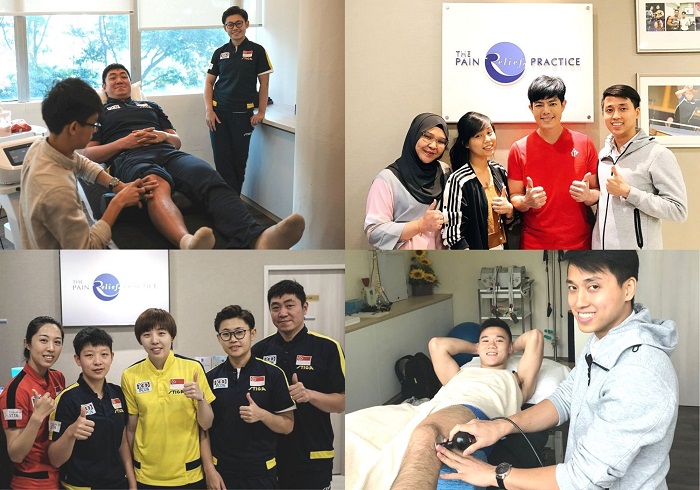
The Pain Relief Practice is one of Singapore’s established physiotherapy and pain treatment centers. Since 2007, we have helped patients—from celebrities to national athletes—who want their joints and muscles to work well, not just be “pain-free on the sofa.”

For rehab tourism planning, we help you:
-
Front-load accurate diagnosis and pain relief
- Provide clear imaging and a functional assessment
- Offer targeted pain treatments so you do not start your trip already in flare
- Set realistic goals (for example, “walk 5 km without swelling” rather than “run a marathon in 2 weeks”)
-
Design a treatment blueprint
- Specify what the overseas team should focus on (mobility, stability, gait retraining, and load management)
- Highlight movements to avoid that typically aggravate Singapore patients with similar issues
-
Coordinate care with the overseas center
- Share essential information when needed
- Get their reports later for care continuity
-
Anchor your long-term results when you return
- Transition from holiday rehab to sustainable routines at home and work
- Fine-tune your exercise plan for Singapore’s context: stairs, MRT rides, office chairs, driving, and weekend activities
Real Results
What to Look For in a High-Quality Rehab Program (At Home or Abroad)
A good musculoskeletal rehab program—whether in Singapore or overseas—should include:
-
Clear pain mechanism explanation
You must understand if your pain comes from inflamed joints, irritated nerves, overloaded tendons, or muscle imbalance—not just “old age.” -
Objective baseline and tracking
Your baseline should measure range of motion, strength, balance, and function (for example, stairs, squats, or carrying loads). -
Progressive loading, not just passive treatment
While manual therapy, ultrasound, and other methods can help, your joints and muscles need graded loading to grow stronger and more resilient. -
Movement retraining for real life
The rehab should address everyday actions like laptop sitting, queue standing, carrying groceries, or climbing HDB stairs. -
Relapse prevention plan
You need strategies for days when your back twinges again or your knee feels puffy and hot.
If an overseas program feels like a spa holiday with vague “healing therapies,” stay cautious—especially if you have confirmed structural issues like advanced degeneration, full-thickness tears, or past surgery.
Celebrities & National Athletes
The same expertise helps high-demand performers return to competition. It also aids everyday patients—office workers, active seniors, weekend cyclists, and gym-goers—who want to enjoy pain-free movement.
Simple Checklist Before You Commit to Rehab Tourism
Use this list to guard your joints, wallet, and peace of mind:
- Have I had a proper assessment with a trusted pain or rehab specialist in Singapore?
- Do I clearly understand my diagnosis and the type of rehab I need?
- Does the overseas center have experienced clinicians who often treat my problem and not just offer generic massage?
- Can they provide documentation so that my Singapore team can follow up?
- Have we discussed travel risks (flight duration, luggage handling, walking distances) and how to minimise flares?
- Do I have a post-trip rehab plan in Singapore to consolidate gains?
- Am I choosing this option for solid medical reasons—rather than just because it is cheaper and seems like a holiday?
If several answers are “no” or “not sure,” pause and get more clarity locally first.
Why Many Singapore Patients Still Choose Local Care First
Even when rehab tourism is available, many people with chronic neck, back, or knee issues prefer local expert care because:
- They need fast access to treatment when pain flares instead of waiting for a flight.
- Their pain is linked to specific local factors like workstation setup, driving, or certain sports, which require context-aware rehab.
- They value a long-term clinic relationship that understands their history and adapts treatment as life changes.
The Pain Relief Practice sees itself as a specialised pain treatment center for savvy patients who:
- Want to solve pain issues at the root
- Desire to regain strong joint and muscle function, not merely “manage” pain
- Aim to boost performance in sports, work, and everyday life
- May or may not choose rehab tourism—but need expert guidance regardless
FAQs on Rehab Tourism for Joint and Muscle Pain
-
Is rehab tourism safe for chronic back and neck pain?
Rehab tourism is safe if your spine is fully assessed in Singapore first. You need clear imaging and an overseas clinic with real expertise in disc issues, nerve pain, and posture dysfunction. The danger is going abroad without a clear diagnosis and receiving generic treatment that may worsen your spine. -
Can I use rehabilitation tourism for post-surgery recovery (for example, knee or shoulder surgery)?
Yes. Many people combine local surgery with an intensive post-op rehab program overseas. However, your surgeon and local pain or rehab specialist must be involved. They need to guide wound care, DVT risk during flights, and plans for continued rehab after you return to Singapore. -
How do I balance local physiotherapy with overseas rehab tourism?
A common plan includes a thorough assessment and early treatment in Singapore, followed by a short, targeted intensive program overseas if appropriate, and then ongoing strength, mobility, and performance work back in Singapore. Coordination is crucial; do not divide your care into separate parts.
For more objective information about medical travel and patient safety, refer to the World Health Organization’s resources on medical tourism (source: World Health Organization).
If you are considering rehab tourism and want a clear, personalised roadmap for your spine, shoulder, hip, or knee condition, start by booking a detailed assessment at The Pain Relief Practice. Build your recovery plan with confidence instead of guesswork.
Embedded Google Profile:
https://share.google/UwMU2I9zUCwXVh0Lg
We are a specialized physio treatment center for savvy people who want real results.
While we are not suitable for someone looking for ‘cheap physiotherapy’ or ‘free exercises available on youtube’, our treatments are affordable and are often claimable with company flexi-benefits, company health insurance, travel insurance, personal accident insurance, and other insurance plans.
Simply whatsapp or call: +65 97821601 and let us know how to help.
If you prefer a convenient nutritional preventive option, Regenerix Gold is our top recommended joint supplement.
We have been recommending this joint supplement for over a decade.
Simply start with 3 capsules, once a day.
If you do not feel better within a week, increase to 2 capsules, twice a day. (4 capsules a day in total)
Our blog readers qualify for a special discount.
Simply use the link below and a discount will automatically be applied during checkout.
