If you have a work injury, you may search for WICA physiotherapy. You feel stubborn aches that do not fade. Your neck feels stiff after long laptop hours. Your shoulder feels “locked” after heavy lifting. Your low back aches when you sit too long. Your knees hurt on every staircase at the MRT. Many in Singapore let these pains feel “normal” until they hurt your sleep, mood, and job.
This guide shows how WICA physiotherapy works in Singapore. It explains how to use your Work Injury Compensation Act (WICA) coverage wisely. It also shows what a proven, personalized rehab plan looks like – especially at a centre like The Pain Relief Practice, a well-established physiotherapy clinic that has helped patients since 2007. —
What Is WICA Physiotherapy in Singapore?
Under the Work Injury Compensation Act (WICA), employees in Singapore may claim medical expenses if they suffer work-related injuries or diseases. These expenses can include physiotherapy (source: Ministry of Manpower).
WICA physiotherapy means:
• Your injury happens at work or during work.
• Your company or insurer pays approved medical and rehab bills.
• A doctor prescribes physiotherapy as part of your recovery and return-to-work plan.
We often see these common conditions under WICA:
• Lumbar sprains or disc-related back pain from heavy lifting or prolonged sitting.
• “Frozen” or impinged shoulders from repetitive overhead work.
• Tennis elbow or golfer’s elbow from repeated gripping and typing.
• Strains of the wrist, hand, and fingers in manual or assembly work.
• Knee pain from standing, walking, or climbing stairs.
• Neck pain and tension headaches from long hours at a computer.
For many patients, WICA physiotherapy is the first chance to get structured, professional help – beyond painkillers and rest.
Signs Your Work Injury Needs More Than Just Rest
If you try to “tahan” your pain and wait for it to vanish, check for these red flags. They show that you need proper rehab and not just more sick leave:
• Pain returns when you go back to work.
• Morning stiffness lasts more than 30 minutes.
• You feel a “catching” or locking sensation in your neck, shoulder, back, or knee.
• You feel numbness, tingling, or “pins & needles” in an arm or leg.
• You need painkillers or muscle relaxants nearly every day.
• Pain disturbs your sleep when you move.
• You fear movement and avoid certain tasks at work.
These signs show that your joints, muscles, and soft tissues are irritated and not healing well. WICA physiotherapy aims to calm the irritation, restore movement, build strength, and help you return to work without feeling weak.
How WICA Physiotherapy Works Step-by-Step
At The Pain Relief Practice, a typical WICA physiotherapy journey follows these steps:
1. Work Injury Assessment & Documentation
On your first visit, we meet both clinical and admin needs. We ask about your job, workload, and how you got injured. We look at MOM documents, medical memos, and any imaging tests like X-rays, MRIs, or ultrasounds. We then check your range of motion, strength, posture, and nerve signals. We note which work activities cause pain, such as pushing trolleys, shifting patients, heavy lifting, repetitive overhead work, long sitting, or using vibrating tools.
We also help you and your employer or insurer understand:
• The medical necessity of physiotherapy.
• The recommended frequency and duration of sessions.
• A return-to-work plan that fits your abilities (light duty, full duty, modified tasks, etc.).
2. Pain Relief: Settle the Flare-Up
In the early phase, our goal is to reduce pain and inflammation so your body can heal. Depending on your condition, we may use:
• Manual therapy to ease tight muscles and stiff joints.
• Targeted soft tissue work on knots, trigger points, and scar tissue.
• Movement correction to take pressure off overloaded joints.
• Gentle exercises to improve circulation and nerve glide.
• Taping or bracing for extra support when needed.
Many WICA patients tell us they finally feel that someone understands their pain instead of just calling it a “strain.”
3. Restore Mobility: Get Your Joints Moving
When sharp pain fades, we work on the movements you need for work and daily life. We help by:
• Improving neck and shoulder rotation so you can check blind spots and reach shelves.
• Rebuilding hip and lumbar mobility so bending and lifting do not trigger pain.
• Training proper knee and ankle movements for stairs, long standing, and walking.
We focus on motions you have avoided because of pain. For example, you practice:
• Reaching overhead or behind your back.
• Bending to pick items from the floor.
• Pushing, pulling, carrying, or loading objects.
• Sitting for long hours without constant fidgeting.
4. Strength & Endurance: Prevent the Pain from Returning
When muscles and tendons are weak, pain may return when you resume full duty. A good WICA physiotherapy plan includes progressive strengthening. We design a program that may include:
• Scapular (shoulder blade) stability work for workers at desks or overhead.
• Core and hip strength training for manual workers, nurses, or logistics staff.
• Grip and forearm endurance for technicians, drivers, or assembly line workers.
• Calf, thigh, and glute strength for those on their feet all day.
This is not a “one-size-fits-all” gym routine. It is tailored to your job, pain pattern, and tolerance. This way, you can return to work with confidence.
Real Results
Why Many Singapore Workers Struggle to Recover From Workplace Pain
Since 2007, we have seen some common patterns in work injuries:
-
Under-reporting of early symptoms
Many workers push through pain. They use salonpas, massage, or over-the-counter medications. By the time they see us, the pain has become chronic. -
Over-reliance on passive treatments only
Treatments like TCM, massage, or general therapy give short-term relief. Without targeted strengthening and movement retraining, the same joint gets overloaded again. -
Work environment not adjusted
After an injury, many patients return to the same work setup. They often use poor ergonomics, no lifting aids, awkward postures, and rush through tasks. -
Fear of losing the job or “troubling the company”
This fear makes some skip follow-ups, miss physio sessions, or not ask for temporary duty modifications.
A strong WICA physiotherapy plan should address both your body and your work reality. This is where a specialized pain treatment centre helps the most.
Why Choose The Pain Relief Practice for WICA Physiotherapy?
1. Established and Focused on Pain and Performance Since 2007
The Pain Relief Practice is an established physiotherapy clinic in Singapore. We help people to:

• Recover from work-related musculoskeletal injuries.
• Regain pain-free joints and muscles.
• Improve function, performance, and overall quality of life.
We focus on precision pain treatment. We work to understand which structure causes your pain and which movement pattern hinders your recovery.
2. Trusted by Celebrities & National Athletes
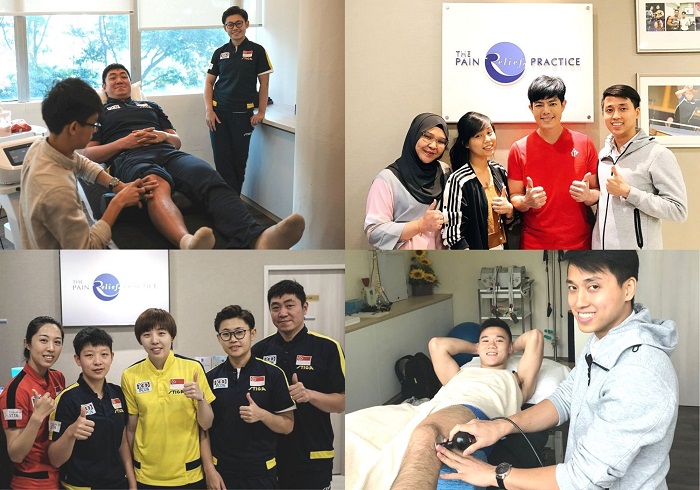
If you care about quality, it helps to know that our clinic is trusted by those who push their bodies to the limit. We have treated celebrities and national athletes who need fast, reliable results. We offer the same level of care to injured workers and everyday patients.
Celebrities & National Athletes
3. Real-World, Work-Focused Rehab
Our therapists ask not only, “Where is your pain?” They want to know:
• What you do on a typical workday.
• Which parts of your job trigger or worsen your symptoms.
• Which tasks you avoid because of your injury.
We then design job-specific rehab so you can safely handle:
• Lifting, pushing, pulling, and carrying loads.
• Reaching overhead or working in tight spaces.
• Prolonged standing, walking, climbing, or driving.
• Repetitive tasks like assembly, typing, or scanning.
4. Measurable Progress and Clear Communication
Many WICA patients feel lost in the system. We change that by providing:
• Clear explanations of your diagnosis in simple terms.
• Measurable goals (range, strength, pain scores, and function).
• Regular progress updates for you and, when needed, your doctor or employer.
What a Good WICA Physiotherapy Plan Should Include
When comparing options for WICA physiotherapy in Singapore, look for these key components:
• Thorough assessment: We go beyond a 2-minute “press here, pain or not?” test.
• Targeted manual therapy: We work to release tight and irritated tissues.
• Personalized exercise plan: You do not get a photocopied sheet.
• Job-specific rehab: We design tasks that mirror your real work environment.
• Education: We teach you how to pace yourself, when to push, and when to hold back.
• Relapse prevention: We create strategies for long-term joint and muscle health.
Practical Tips to Maximise Your WICA Physiotherapy
You can speed up your recovery and benefit more from each session by:
• Being honest about your pain levels and your limitations.
• Bringing all relevant documents such as MOM letters, reports, and scans.
• Doing your home exercises consistently. These are part of your treatment, not extra homework.
• Avoiding “hero mode” at work. Do not return suddenly to heavy tasks without clearance.
• Tracking your symptoms to note what improves or worsens your pain.
Common Types of Work Injuries That Benefit From WICA Physiotherapy
Many workplace conditions respond well to proper rehab. These include:
• Lower back strains and disc bulges: Often from lifting, twisting, or prolonged sitting.
• Neck pain and cervicogenic headaches: Often from long hours at a computer or looking down at devices.
• Shoulder impingement and rotator cuff issues: Often from overhead work or repetitive lifting.
• Knee pain (patellofemoral or meniscal strains): Often from stairs, squatting, or frequent lifting.
• Repetitive strain injuries (RSI): Often affect the wrists, elbows, and forearms from forceful, repetitive tasks.
A tailored WICA physiotherapy plan not only eases the current flare-up. It also teaches you how to move and load your joints more intelligently in the future.
Our Google Profile
You can explore reviews, location, and more details about The Pain Relief Practice here:
https://share.google/UwMU2I9zUCwXVh0Lg
FAQ on WICA Physiotherapy in Singapore
1. How do I know if my work injury qualifies for WICA physiotherapy?
If your pain or injury happens in the course of work or is clearly related to your job (for example, from repetitive lifting, long desk work, or an occupational disease), you may qualify for WICA. Your doctor usually notes this in your medical memo. You can check MOM’s Work Injury Compensation page or speak with our team. We understand WICA physio claims and can guide you.
2. Is WICA physiotherapy fully covered, or do I have to pay first?
Under WICA, your employer or their insurer should pay for reasonable medical expenses, including physiotherapy. Coverage depends on MOM-approved limits and on your case. Many patients have their work injury compensation physiotherapy billed directly to the employer or insurer. In some cases, you may need to pay first and then claim. We explain the payment flow before you start treatment.
3. How long does it take for workplace physiotherapy to work?
Recovery time depends on your condition and its duration. Acute strains may improve in a few sessions. Chronic injuries can take weeks to a few months of workplace injury physiotherapy. Success depends on consistent sessions, following your exercise plan, and smart work modifications. We outline a clear timeline during your first visit.
If you live in Singapore and suffer from stubborn workplace pain, you may qualify for WICA physiotherapy. A proper assessment and proven rehab plan can be the difference between merely coping and truly reclaiming your joints, job, and enjoyment of life. The Pain Relief Practice is here to help you make that shift.
We are a specialized physio treatment center for savvy people who want real results.
While we are not suitable for someone looking for ‘cheap physiotherapy’ or ‘free exercises available on youtube’, our treatments are affordable and are often claimable with company flexi-benefits, company health insurance, travel insurance, personal accident insurance, and other insurance plans.
Simply whatsapp or call: +65 97821601 and let us know how to help.
If you prefer a convenient nutritional preventive option, Regenerix Gold is our top recommended joint supplement.
We have been recommending this joint supplement for over a decade.
Simply start with 3 capsules, once a day.
If you do not feel better within a week, increase to 2 capsules, twice a day. (4 capsules a day in total)
Our blog readers qualify for a special discount.
Simply use the link below and a discount will automatically be applied during checkout.