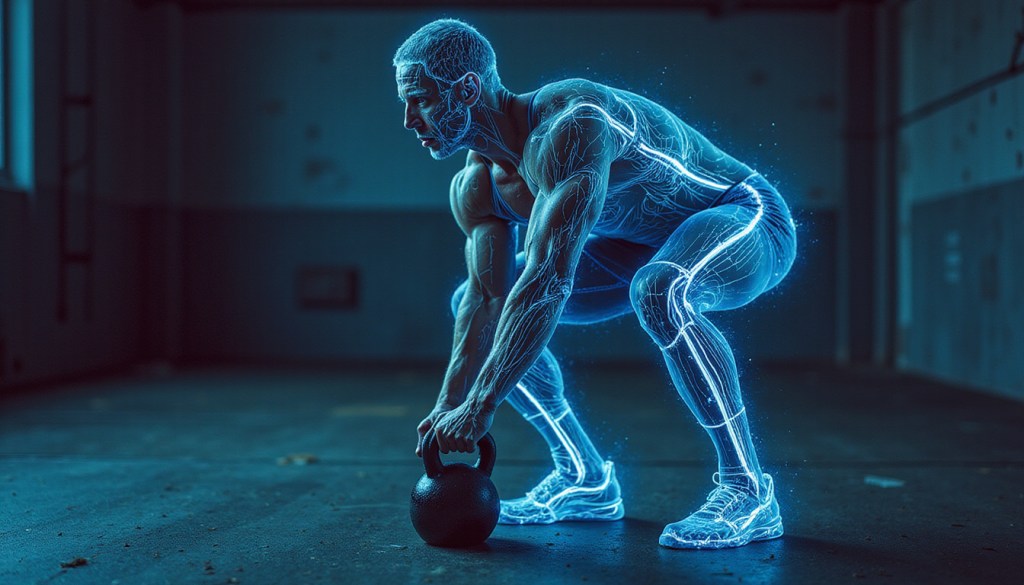
If you live in Singapore and feel joint pain—from stiff joints, nagging back twinges, to knees that protest each time you climb the MRT stairs—you need functional training. This method trains your body with real tasks. It puts muscles and joints to work together. Instead of using machines that isolate parts of your body, functional training builds strength you will use every day. Carrying groceries, chasing kids, or finishing a long workday become easier on your joints.
This plan helps people who already feel musculoskeletal problems, like achy knees, frozen shoulders, sore lower backs, or tight hips that never seem to relax.
What Is Functional Training (And Why Your Joints Care)?
Functional training helps you move in real-life ways:
- Squat as if you are sitting on a chair
- Lunge as if you step off a curb
- Rotate as you turn to reach the back seat
- Push and pull as if you open heavy doors or carry luggage
This method works many joints and muscles together. For you with joint issues, it means:
- Less strain on one joint
- More muscle support around the joint
- Better balance and coordination
- Movements that protect your joints instead of hurting them
Done right, functional training does more than burn calories. It resets your movement habits so your body stops using bad patterns that cause pain.
Why People With Joint Pain in Singapore Need Functional Training
Living in Singapore can put your body at risk. Many habits may cause joint pain:
- Sitting long hours at your desk
- Carrying a heavy laptop bag or handbag on one shoulder
- Standing in crowded MRTs with poor posture
- Playing weekend sports like badminton or tennis on tired joints
Over time, your body warns you. Your knees might grind when you squat. Your lower back may catch when you bend. Your neck and shoulders might feel stiff after work. Tight hips can make squatting difficult.
With guidance from professionals, functional training fixes these root issues. It retrains:
- Hinging from your hips instead of rounding your back
- Keeping your knees aligned over your toes
- Moving your shoulder blades to avoid pinching
- Engaging your core to stabilize your body
The Pain Relief Practice: Where Functional Training Meets Pain Science
The Pain Relief Practice is one of Singapore’s established physiotherapy and pain clinics. Since 2007, we have helped patients who:
- Are tired of “rest and painkillers” as the only advice
- Have tried random YouTube exercises that made pain worse
- Need evidence-based functional training that respects their pain
- Want to fix pain and perform better at work, sports, and daily life
We treat celebrities and national athletes with care. We also help office workers, parents, retirees, and recreational athletes who want their bodies to work well again.
Learn more about our clinic and see reviews here:
https://share.google/UwMU2I9zUCwXVh0Lg
Real Results
How Functional Training Helps Common Joint Problems
Below are common complaints in Singapore and how functional training helps.
1. Chronic Knee Ache (Especially on Stairs or Squats)
People sometimes say their knees:
- “Grind when I squat.”
- “Ache behind the kneecap.”
- “Unstable as if it might give out.”
Functional training helps by:
- Strengthening your glutes and hips so your knees stay steady
- Teaching carefully controlled squats and step-downs
- Showing you how to hinge at your hips to share the load
Instead of banning squats, we rebuild your pain-free ability to squat.
2. Lower Back Stiffness and “Locking” Sensation
If your back seizes up when you:
- Get up from a chair
- Bend to pick up your child
- Pick something off the floor
Your lower back works too hard while your hips and core rest. Functional training will:
- Teach proper hip hinge moves (like a deadlift pattern)
- Improve core strength to support your spine
- Include anti-rotation and loaded carry exercises
The goal is a back that can bend, lift, and twist in real life, not just lie still during treatment.
3. Shoulder & Neck Tension From Desk Work
You may say:
- “My shoulders are always tight.”
- “I feel a sharp pinch when I lift my arm.”
- “My neck is so stiff I get headaches.”
Functional training here means:
- Restoring control of your shoulder blades
- Building strength in your rotator cuff and mid-back
- Practicing overhead moves with proper form
We do more than massage. We train your body to move so tension does not return.
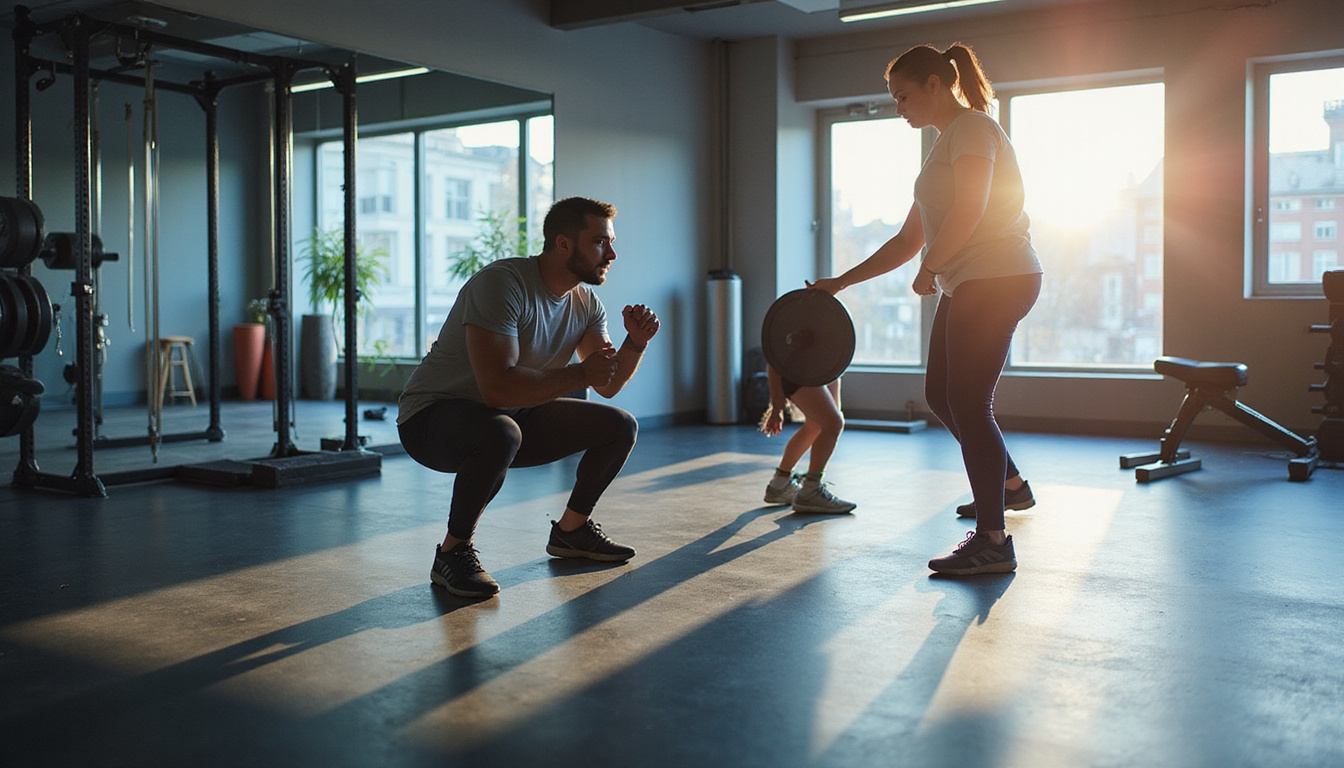
The Functional Training Blueprint: What It Looks Like in Practice
A customised plan at The Pain Relief Practice usually includes:
1. Assessment That Respects Your Pain
We ask not only, “Where does it hurt?” Our exam checks:
- How you walk, squat, lunge, reach, and rotate
- Your joints’ range of motion and muscle control
- Which moves cause pain and which you avoid
This lets us design safe yet challenging exercises.
2. Foundational Movement Patterns
These movements are key:
- Squat Pattern – Sitting, standing, picking things up
- Hinge Pattern – Bending at the hips without straining your back
- Lunge/Step Pattern – Using stairs, climbing off the MRT, walking on uneven ground
- Push Pattern – Pushing doors, rising from the floor
- Pull Pattern – Opening heavy doors, pulling objects
- Carry Pattern – Lifting groceries, luggage, kids
- Rotation/Anti-Rotation – Turning safely and protecting your spine
We adjust each pattern to your abilities. We may:
- Provide support when your balance is weak
- Reduce the range if your joints hurt
- Change speed, resistance, and number of repetitions
3. Progressive Loading – Without Over-stressing Your Joints
Many fear load, but the right load strengthens cartilage and tendons. We progress step by step:
- Start with your bodyweight or light resistance bands
- Then use free weights or cable machines
- Add unstable surfaces for balance if needed
The aim is joint-friendly strength that eases everyday tasks.
4. Integrating Mobility With Stability
Pure stretching feels good but does not last. Functional training mixes:
- Active mobility – moving under control
- End-range strength – becoming strong at usually weak points
- Stability drills – so your joints feel secure
This blend helps stiff joints work reliably.
Celebrities & National Athletes
Who Is Functional Training For?
At The Pain Relief Practice, our plan helps:
- Office workers with neck, shoulder, or back pain from long hours at work
- People whose knees hurt when they run, squat, or climb stairs
- Parents who feel their joints fall behind active kids
- Recreational athletes (badminton, golf, running, cycling) who want to move without flare-ups
- Older adults who feel unsteady or fear falls
If you think, “I want my body to work like it used to,” this is for you.
What Makes The Pain Relief Practice Different?
Since 2007, we help Singaporeans move better by using:
- Clinical expertise – experienced physiotherapists and pain specialists
- Individualised functional training – not generic class workouts
- High-performance standards – learned from working with celebrities and national athletes
- A people-first approach – clear explanations, measured steps, and respect for your goals
Our patients seek more than quick fixes. They want to:
- Solve pain at the root
- Restore strong joints and muscles
- Improve performance at work, sports, and daily life
- Enjoy life without the worry of their body failing
For more on functional training and exercise-based rehab, see international guidelines (source: NIH/MedlinePlus).
Simple Functional Training Ideas You Can Start With
If your pain is mild, try these low-intensity ideas. Stop if your pain worsens.
-
Sit-to-Stand from a Chair
- Keep your feet hip-width apart.
- Lean forward slightly.
- Stand up without using your hands if you can.
- Sit down with control.
- This move is great for your knees, hips, and leg strength.
-
Wall Push-Ups
- Stand one arm’s length from a wall.
- Place your hands on the wall.
- Perform push-ups.
- This builds strength with little joint load.
-
Supported Hip Hinge
- Hold a table or counter for support.
- Push your hips back while keeping your spine straight.
- Stand tall again.
- This trains safe bending and lessens lower back strain.
These ideas are simple starts. If you have pain or past injuries, note that tailored guidance is important. Our sessions give you structured exercises and support.
FAQ: Functional Training for Pain and Performance
-
Is functional training good for joint pain?
Functional training, when supervised and adjusted to you, retrains your body for daily tasks. It builds muscle support and reduces joint overload. At The Pain Relief Practice in Singapore, we use it to help ease pain and boost performance. -
How is functional strength training different from normal gym workouts?
Normal gym workouts often isolate muscles on machines. Functional training uses multi-joint moves like squats, hinges, lunges, pushes, pulls, and carries. These moves protect your knees, back, hips, and shoulders while mimicking real activities. -
Can I do functional training if I have chronic back or knee problems?
Yes. The exercises are adapted to your condition. Our physiotherapists check your back and knees, then create moves with the correct depth, load, and speed. Many patients with long-term issues can move better and enjoy sports again through functional training.
If your body sends warning signs—stiffness, recurring pain, or avoiding certain moves—now is the time to act.
With the right functional training approach at The Pain Relief Practice, you build practical strength, regain joint confidence, and move through your Singapore life with less pain and more freedom.
We are a specialized physio treatment center for savvy people who want real results.
While we are not suitable for someone looking for ‘cheap physiotherapy’ or ‘free exercises available on youtube’, our treatments are affordable and are often claimable with company flexi-benefits, company health insurance, travel insurance, personal accident insurance, and other insurance plans.
Simply whatsapp or call: +65 97821601 and let us know how to help.
If you prefer a convenient nutritional preventive option, Regenerix Gold is our top recommended joint supplement.
We have been recommending this joint supplement for over a decade.
Simply start with 3 capsules, once a day.
If you do not feel better within a week, increase to 2 capsules, twice a day. (4 capsules a day in total)
Our blog readers qualify for a special discount.
Simply use the link below and a discount will automatically be applied during checkout.