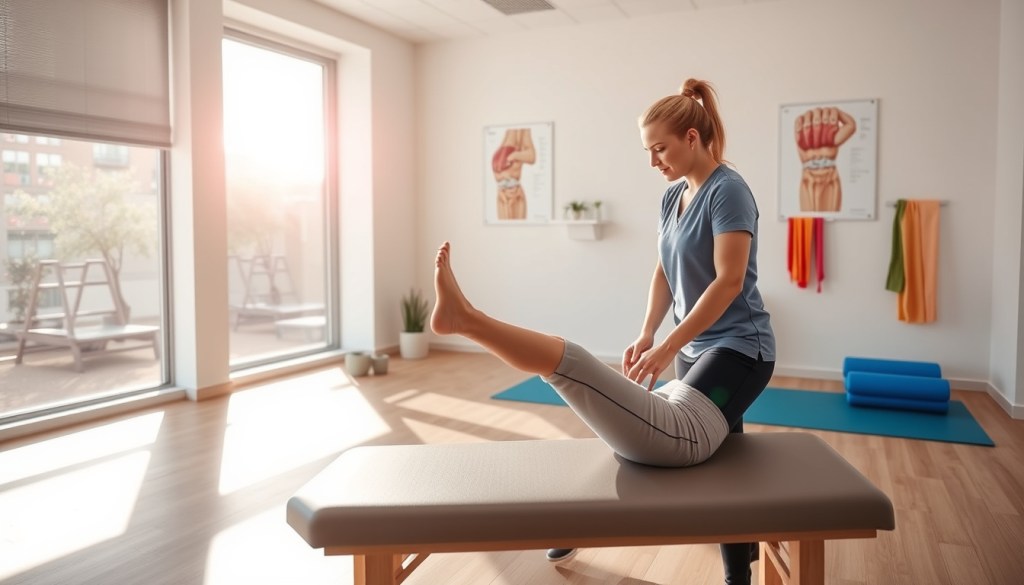
Are you experiencing discomfort in your knees that disrupts your daily activities? If so, you might be suffering from patellofemoral pain, a common issue especially among those active in sports or experiencing joint problems. Finding a qualified patellofemoral pain physio near you can make all the difference in alleviating pain and restoring your joint health. In this article, we will explore the causes and symptoms of patellofemoral pain, the importance of physiotherapy in managing this condition, and how to find the best practitioner suitable for your needs.
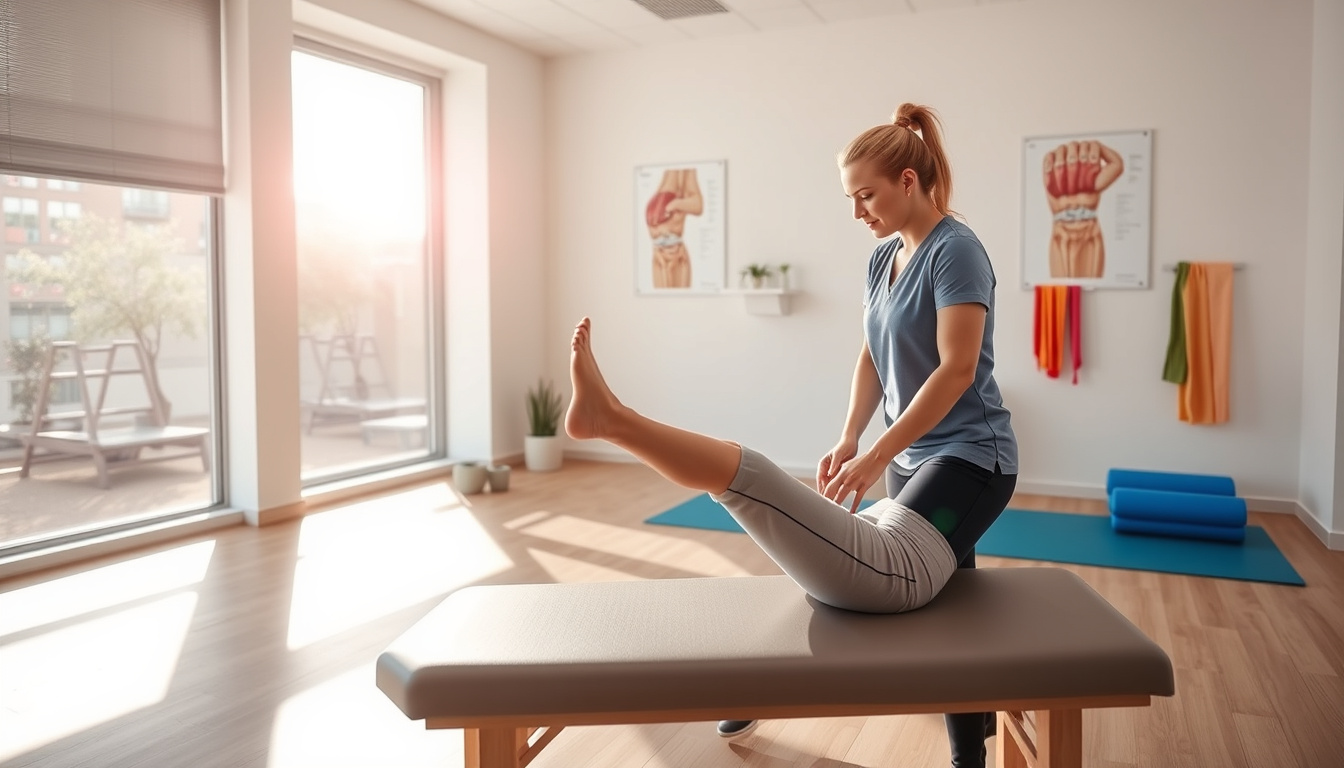
Key Takeaways
- Patellofemoral pain is commonly caused by overuse and misalignment issues.
- Physiotherapy plays a crucial role in managing and alleviating patellofemoral pain.
- When searching for a physio, consider credentials, experience, and client reviews.
- During your first appointment, you can expect a thorough assessment and personalized treatment plan.
- Ongoing management includes exercises and lifestyle changes to prevent recurrence of patellofemoral pain.
Understanding Patellofemoral Pain: Causes and Symptoms
Patellofemoral pain, often described as pain around or behind the kneecap, can arise from various factors, particularly in active individuals or those who frequently engage in physical activities. One key aspect that often leads to this discomfort is the misalignment of the patella, which can occur due to weaknesses in surrounding muscles or changes in activity levels. Common symptoms of patellofemoral pain include a dull aching sensation in the knee, sharp pain during activities like climbing stairs or jumping, and increased pain after prolonged sitting or activity. If you are experiencing these symptoms, it’s crucial to seek assistance from a qualified professional, such as a ‘patellofemoral pain physio near me.’ This specialized treatment can help alleviate discomfort and restore proper knee function, enabling a return to your daily activities without pain.
The Role of Physiotherapy in Managing Patellofemoral Pain
Physiotherapy plays a crucial role in managing patellofemoral pain, a common condition impacting individuals, especially active ones in Singapore. This type of pain originates from the joint where the kneecap (patella) meets the thigh bone (femur), leading to discomfort during physical activities such as running, climbing stairs, or even sitting for prolonged periods. For those searching for ‘patellofemoral pain physio near me,’ understanding the benefits of physiotherapy can provide a pathway to relief. Physiotherapists develop customized rehabilitation programs that focus on improving strength, flexibility, and proper alignment of the knee joint. By employing targeted exercises, hands-on techniques, and education about body mechanics, physiotherapy not only alleviates symptoms but also addresses underlying issues contributing to the pain. Through consistent physiotherapy sessions, patients can experience enhanced knee function, reduced inflammation, and a significant return to their daily activities without discomfort.
‘The greatest weapon against stress is our ability to choose one thought over another.’ – William James
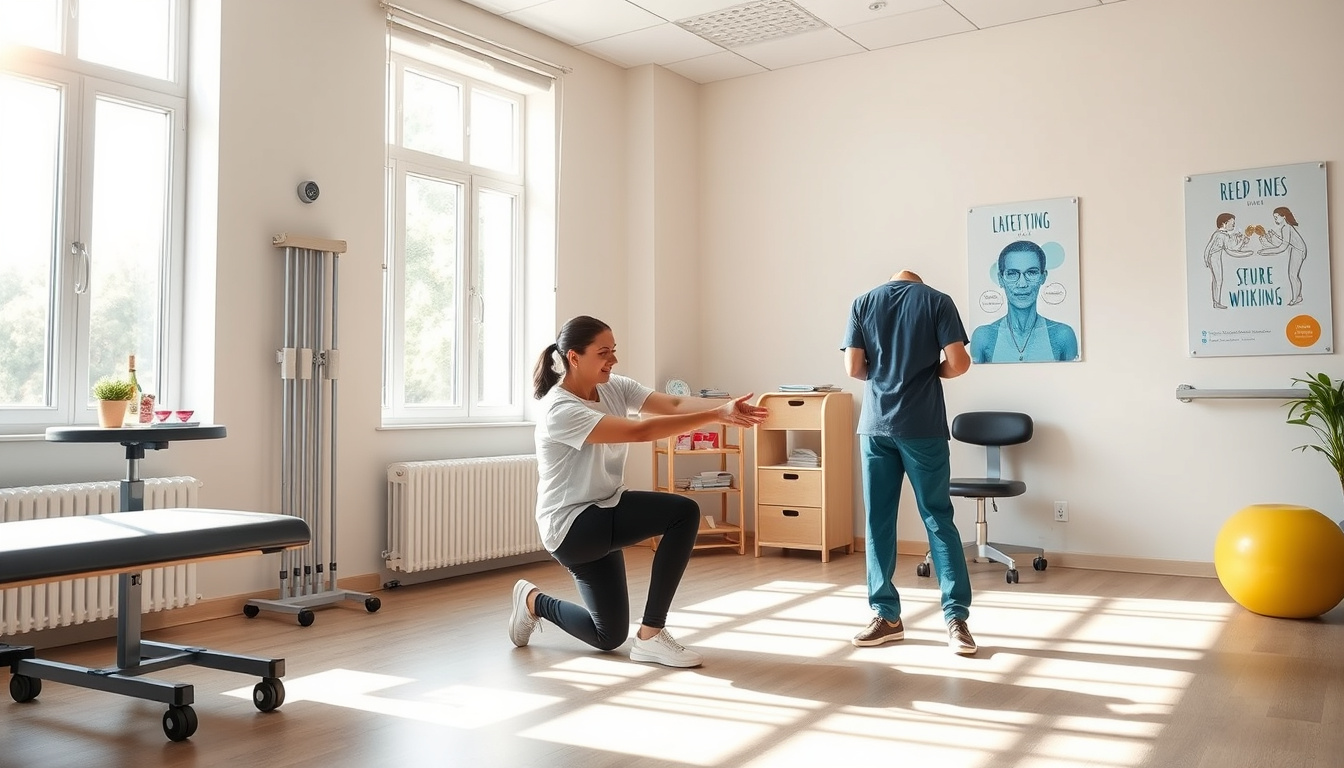
How to Find the Best Patellofemoral Pain Physio Near You
When dealing with patellofemoral pain, often described as ‘runner’s knee,’ finding the right patellofemoral pain physio near me can be a crucial step toward relief and recovery. In Singapore, where many people lead active lifestyles but may not prioritize joint health, it’s essential to seek out specialists who understand the complexities of knee pain. Here are some key considerations to keep in mind when searching for a physiotherapist in your area:
1. Specialization in Knee Pain: Look for physiotherapists who have a focus on treating knee-related issues, particularly patellofemoral pain. Their understanding of biomechanics and joint function will be invaluable in your recovery.
2. Qualifications and Experience: Check the qualifications of the physiotherapists. Those with post-graduate certifications in sports physiotherapy or related fields often have a deeper understanding of specific conditions.
3. Patient Reviews: Online reviews and testimonials from previous patients can provide insights into a physiotherapist’s effectiveness and approach to treatment.
4. Treatment Approach: Inquire about their treatment techniques. A physiotherapist who employs a combination of manual therapy, exercise prescription, and education about joint care can offer more comprehensive treatment.
5. Accessibility and Location: Consider the proximity of the clinic to your home or workplace. A conveniently located clinic allows for easier access to regular appointments, which is crucial for faster recovery.
6. Initial Consultation: Look for clinics that offer an initial assessment. This meeting allows you to gauge the physiotherapist’s competency and whether their treatment philosophy aligns with your expectations.
By carefully evaluating these factors, you can find a top-notch patellofemoral pain physio near me, ensuring that your knee pain is treated effectively, empowering you to return to your active lifestyle with confidence.
What to Expect During Your First Physio Appointment
When you visit a pain relief center with musculoskeletal issues, particularly if you’re searching for ‘patellofemoral pain physio near me,’ your first physiotherapy appointment is crucial for your recovery journey. Expect a warm welcome and an environment that understands your discomfort. Your physiotherapist will first conduct a detailed assessment, focusing on your specific knee pain related to the patellofemoral joint, which connects the kneecap with your thigh bone. They will ask about your medical history, including previous injuries or surgeries, as well as your current symptoms, such as any pain during activities like walking, running, or climbing stairs. Be prepared to perform simple movements, which help them to assess your range of motion, muscle strength, and overall functionality of your joints. Following the assessment, your physiotherapist will formulate a personalized treatment plan specific to your needs, often incorporating hands-on techniques, exercises, or modalities like ultrasound or electrical stimulation. Make sure to express any concerns you may have during the initial visit, as communication is key to effective treatment.

Tips for Ongoing Management and Prevention of Patellofemoral Pain
### Tips for Ongoing Management and Prevention of Patellofemoral Pain
Managing and preventing patellofemoral pain requires a dedicated approach that combines self-care strategies with professional guidance. Here are some effective tips to consider:
1. Regular Physiotherapy Sessions: Visiting a patellofemoral pain physio near me is crucial. Physiotherapists can provide tailored exercises, manual therapy, and ultrasound treatment designed to alleviate pain and promote healing.
2. Strengthening Exercises: Focus on strengthening the quadriceps, hamstrings, and calf muscles. Choose exercises like squats, lunges, and leg lifts to enhance overall knee stability and function.
3. Flexibility Training: Engaging in stretching routines for the legs and hips can improve range of motion and reduce strain on the knee joint. Consider incorporating yoga or pilates into your weekly routine.
4. Proper Footwear: Invest in high-quality footwear that provides your feet with proper arch support and cushioning. Ill-fitting shoes can exacerbate knee issues.
5. Gradual Activity Increase: If you’re returning to sports or exercise after a break, increase your activity levels gradually to avoid overloading your knees.
6. Weight Management: Maintaining a healthy weight can significantly reduce pressure on the knees, which is essential for long-term management of patellofemoral pain.
7. Ice Therapy: Apply ice packs to the knee after activities to help reduce inflammation and pain.
8. Listen to Your Body: Pay attention to pain signals and rest when needed. Pushing through discomfort can lead to further injury.
We are a specialized physio treatment center for savvy people who want real results.
While we are not suitable for someone looking for ‘cheap physiotherapy’ or ‘free exercises available on youtube’, our treatments are affordable and are often claimable with company flexi-benefits, company health insurance, travel insurance, personal accident insurance, and other insurance plans.
Simply whatsapp or call: +65 97821601 and let us know how to help.
If you prefer a convenient nutritional preventive option, Regenerix Gold is our top recommended joint supplement.
We have been recommending this joint supplement for over a decade.
Simply start with 3 capsules, once a day.
If you do not feel better within a week, increase to 2 capsules, twice a day. (4 capsules a day in total)
Our blog readers qualify for a special discount.
Simply use the link below and a discount will automatically be applied during checkout.