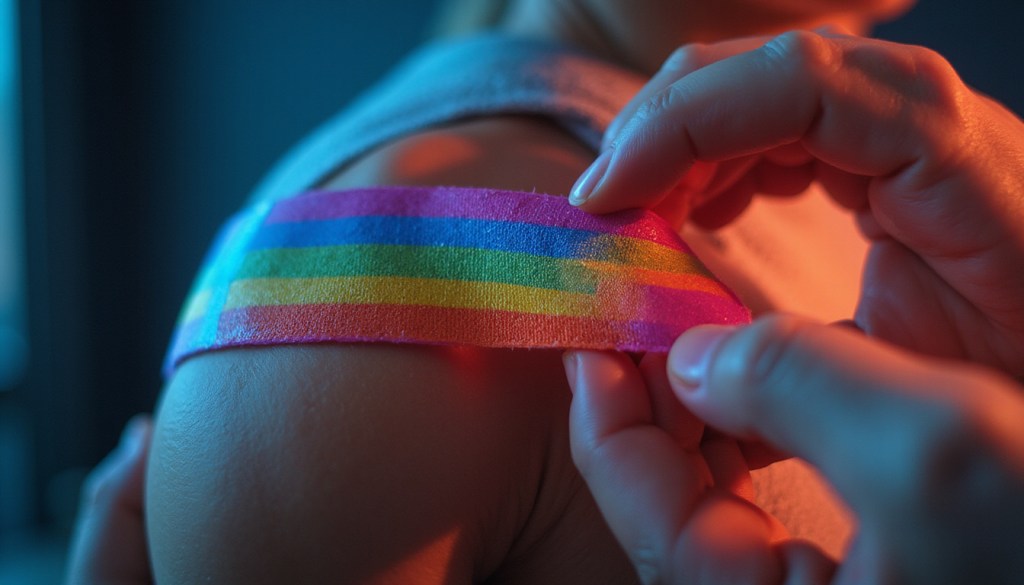
If you’ve felt persistent knee pain on stairs, a “catching” shoulder when you reach high, or a sore lower back after long hours at your desk, consider that therapeutic taping may be one of the most underrated tools to help you move better with less pain. In Singapore, many active people or those with old sports injuries call taping their “second skin.” The tape supports tired joints, calms overworked muscles, and speeds recovery between work and workouts.
Below is a practical, people-first guide to how taping works, who it helps, and how The Pain Relief Practice uses it as part of a plan to get you back to confident, pain-free movement.
What is therapeutic taping, really?
Therapeutic taping uses special elastic or rigid tape. Clinicians apply it in clear, specific patterns on the skin to:
- Support unstable or worn-out joints
- Ease muscle tension and spasms
- Reduce swelling and bruising
- Improve body awareness (proprioception) so you move with better form
Unlike the random plaster or sports tape you buy at a pharmacy, proper therapeutic taping uses evidence-based methods. These techniques affect how your muscles, fascia, and joints behave under stress (source: Journal of Orthopaedic & Sports Physical Therapy).
At The Pain Relief Practice, our physiotherapists and pain doctors use taping alongside manual therapy, exercise rehab, and modern technologies. The tape does not hide symptoms—it supports real healing and boosts performance.
How therapeutic taping eases everyday joint and muscle pain
If you have ever felt:
- Your knee “giving way” on a downhill walk
- Your shoulder catching when you lift your arm
- Your lower back screaming after long meetings
- Your ankle wobbling on uneven ground
therapeutic taping can help in several ways.
1. Offloading stressed joints
When cartilage wears down (as in early osteoarthritis) or ligaments loosen from old sprains, you may feel a loose, painful joint during certain moves.
Therapeutic taping can:
- Change the alignment of the kneecap or shoulder head just a bit
- Share the load between tired and underused muscles
- Give you a “bracing” feel without the bulk of a hard brace
Many patients say, “Suddenly, my knee does not grind with every step.”
2. Relaxing over-tight muscles and calming spasms
When a joint becomes irritated, its muscles often go into a protective spasm. This creates constant tightness, pulls, or knots in the muscle that refuse to relax.
Taping can:
- Gently lift the skin and fascia, which improves blood and lymph flow
- Reduce pressure on sensitive pain spots
- Provide a light, continuous pull that tells the muscle to relax
This is why many people feel looser and less stiff soon after taping, even without taking painkillers.
3. Improving movement control and posture
If you notice:
- Poor knee tracking during squats
- A slouched “turtle neck” at your desk
- A shoulder that keeps impinging during overhead work
therapeutic taping boosts your body’s sense of position. The gentle pull of the tape nudges your brain to choose safer, more efficient movements. Over time, this retrains your movement habits while reducing the strain on painful spots.
Common conditions in Singapore that benefit from therapeutic taping
Many of our patients at The Pain Relief Practice face long-standing joint and muscle issues. Taping is part of their tailored plan for conditions such as:
- Runner’s knee / patellofemoral pain – pain around or behind the kneecap, especially on stairs, slopes, or during squats
- Meniscus or early knee osteoarthritis – stiffness, creaking, or clicking with load-bearing activities
- Plantar fasciitis and heel pain – sharp pain with the first steps in the morning
- Achilles tendinitis or calf tightness – a pulling pain at the back of the heel, common in runners and sports players
- Shoulder impingement / rotator cuff issues – pain when lifting your arm, reaching behind your back, or carrying bags
- Tennis elbow / golfer’s elbow – gripping pain with typing, carrying, or racket sports
- Neck and upper back tension – heavy shoulders, tension headaches, or tech neck from long computer hours
- Lower back strains and disc-related pain – a dull ache or sharp twinges with bending, lifting, or long sitting
Therapeutic taping rarely stands alone. It works best when combined with targeted treatment to make daily activities and rehab exercises more comfortable.
DIY vs professional therapeutic taping: why technique matters
You can search YouTube for taping tutorials and buy a generic roll of tape online. But many patients report:
- “I tried taping myself; it either did nothing or made it feel worse.”
- “The tape pulled my skin badly and even gave me a rash.”
- “It kept coming off when I began to sweat.”
Proper therapeutic taping needs:
- Correct diagnosis – to know if the pain comes from the joint, tendon, muscle, nerve, or a mix.
- Right taping direction and tension – too tight blocks blood flow; too loose will not help at all.
- Knowledge of your sport or work needs – taping a competitive badminton player is not like taping someone who walks a lot at the office.
At The Pain Relief Practice, our clinicians check your movement, pinpoint your pain triggers, and work with your goals. They then use taping as a smart, evolving tool that adjusts as you improve.
What to expect during a therapeutic taping session
A typical session at our clinic includes:
- Detailed assessment – We use movement tests, palpation, and sometimes imaging. This helps us find the root cause of your pain.
- Hands-on treatment – Soft tissue work, joint mobilization, or other methods help reduce pain immediately.
- Targeted therapeutic taping – We apply a custom taping pattern that matches your unique mechanics and pain pattern.
- Movement trial – You walk, squat, reach, or perform a sport-specific move so we can confirm the tape works well.
- Education & home plan – We guide you on how long to keep the tape, how to shower with it, watch for skin irritation, and what exercises to do at home.
For many, the benefit is clear right away—less grinding, more stability, and increased confidence when putting weight on the sore area.
Real Results
Why Singapore’s savvy patients choose The Pain Relief Practice
Many people are tired of just “tanking through” pain with painkillers or endless rest. At The Pain Relief Practice, we are a specialized pain treatment center for those who:
- Want to fix the mechanical issues, not just numb the symptoms
- Care about long-term joint health and performance
- Still want to work, exercise, and enjoy family time without constant pain reminders
Since 2007, our clinic has helped many with chronic musculoskeletal issues. We serve everyone from office warriors with neck and back pain to weekend warriors and national athletes with complex sports injuries.
We serve celebrities and national athletes who demand fast, safe, and performance-focused solutions. Every patient who walks through our doors benefits from this same high level of care.
Celebrities & National Athletes
How we use therapeutic taping differently
At The Pain Relief Practice, therapeutic taping is not a “one-size-fits-all” wrap. We integrate it into a layered plan that helps you:
- Solve pain issues – We combine taping with a good diagnosis, hands-on therapy, and even shockwave or radiofrequency technologies where needed.
- Regain healthy joints and muscles – Our plan includes corrective exercises, mobility work, and strength training that suit your pain tolerance and goals.
- Boost performance and enjoyment of life – This approach helps you return to running, tennis, golf, dancing, or simply carrying your kids without triggering old injuries.
We always consider your lifestyle. Your footwear, work setup, training routine, and injury history all play a role. We adjust our taping methods to match your real-world demands rather than using a generic pattern.
Practical tips if you’re considering therapeutic taping
Use these tips if you are thinking about trying taping for joint or muscle pain:
- Do not tape over broken or irritated skin – Avoid cuts, rashes, and active infections.
- Test for skin sensitivity first – This applies if you have known allergies or sensitive skin.
- Avoid extreme stretch when taping yourself – Many pull too hard, which can cause itching and redness.
- Use it as a support, not a crutch – If your pain returns as soon as the tape is removed, you likely need a deeper assessment and rehab.
- Seek help for persistent or worsening pain – Taping should not hide serious issues while you push through heavy lifting or high-intensity sports.
Our Google Profile
You can learn more about our services, check patient reviews, and find our location here:
https://share.google/UwMU2I9zUCwXVh0Lg
Frequently asked questions about therapeutic taping
1. Is therapeutic taping good for chronic knee pain?
Yes, therapeutic taping for knee pain can help. It works well if your discomfort comes from kneecap tracking issues, early wear-and-tear, or past ligament injuries. The tape lessens the “pressure” you feel when climbing stairs or squatting by improving alignment and muscle activation. Our approach at The Pain Relief Practice pairs taping with strengthening, flexibility work, and better walking or running mechanics.
2. Can therapeutic taping replace physiotherapy sessions?
No. Therapeutic taping for injuries is a powerful tool, yet it cannot replace a proper assessment, hands-on treatment, and progressive rehab work. Taping alone cannot fix long-standing muscle imbalances, poor movement habits, or degenerative joint changes. Our clinic uses taping to ease movement so that you can do your rehab exercises correctly and steadily.
3. How long can I keep therapeutic taping on, and is it safe?
Most people safely wear therapeutic taping for 2–5 days, even in the shower, if:
- You feel no itching, burning, or blistering
- The tape’s edges stay intact without excessive rolling or dirt
- You slowly peel it off along your skin instead of ripping it away
If you have sensitive skin, diabetes, circulation issues, or a history of allergies, please let your therapist know so we can choose the right tape and wear time for you.
If your joints remind you of every step, meeting, or game, you do not have to accept that “just bear with it” feeling. Properly applied therapeutic taping—paired with expert assessment and treatment—can change the way you move, making it more confident and pain-free.
If you’d like a tailored, performance-focused approach to your pain, our team at The Pain Relief Practice is ready to help you discover what your body needs. We will guide you to stronger, happier joints and muscles.
We are a specialized physio treatment center for savvy people who want real results.
While we are not suitable for someone looking for ‘cheap physiotherapy’ or ‘free exercises available on youtube’, our treatments are affordable and are often claimable with company flexi-benefits, company health insurance, travel insurance, personal accident insurance, and other insurance plans.
Simply whatsapp or call: +65 97821601 and let us know how to help.
If you prefer a convenient nutritional preventive option, Regenerix Gold is our top recommended joint supplement.
We have been recommending this joint supplement for over a decade.
Simply start with 3 capsules, once a day.
If you do not feel better within a week, increase to 2 capsules, twice a day. (4 capsules a day in total)
Our blog readers qualify for a special discount.
Simply use the link below and a discount will automatically be applied during checkout.