
If you live in Singapore and feel nagging aches, tight muscles that do not let go, or an old sports injury that flares up again and again, then sports rehab is here for you. It is not only for professional athletes. You play football on weekends at Turf City, run at East Coast Park, lift weights at the gym, or simply want to stay active without harming your joints. The right rehab strategy can be the difference between constant pain and a pain‑free performance.
In this guide you learn how to speed recovery, lower your injury risks, and reach peak performance without stressing your knees, back, shoulders, or ankles.
What exactly is sports rehab – and who is it really for?
Many people in Singapore assume sports rehab is only for national or serious athletes. In truth, sports rehab serves anyone who:
- Experiences recurring joint or muscle pain when exercising
- Keeps “spraining the same ankle” or “pulling the same hamstring”
- Feels that their knees, back, neck, or shoulders “cannot tahan already” after training
- Wants to perform better without breaking down every few months
Sports rehab uses special, evidence-backed methods that:
- Treat the root cause of your pain rather than just the sore spot
- Restore normal joint motion and muscle balance
- Rebuild strength, stability, and control
- Teach safe movement to protect your joints
At The Pain Relief Practice in Singapore, we combine advanced physiotherapy, focused manual treatment, and performance-expert rehab so you move better, lift more safely, run easier, and play smarter.
Why active people in Singapore get stuck in the pain–rest–pain cycle
Many of you say:
- “Once I rest a bit, the pain fades … until I start moving again.”
- “My knee stays noisy and stiff – yet the MRI shows no damage.”
- “Physio helped for a while, but the pain returned when I resumed sport.”
Common issues include:
-
Only addressing symptoms instead of fixing mechanics
Painkillers, knee guards, or Salonpas reduce pain now but do not fix an overloaded joint. -
Resting too much and moving too little
Long rests cause weakness and stiffness. Weaker muscles and poor control bring pain back faster. -
Using generic “Google rehab” exercises
Random YouTube stretches do not match your joint issue, sport, or movement. Some may worsen your condition. -
Ignoring early warning signs
A small tightness or brief pinch can lead to a big injury if you continue to push without proper sports rehab.
The 3 pillars of effective sports rehab
1. Precise diagnosis – knowing what is really wrong
A proper check-up goes further than saying “it’s just inflammation” or “it’s overuse.” At The Pain Relief Practice, we:
- Gather a detailed history about your sport, training load, and past injuries
- Check joint mobility and alignment (like patella tracking or spinal posture)
- Test muscle strength, endurance, and activation
- Analyze movement – how you squat, lunge, jump, land, run, or swing
These checks reveal patterns such as:
- One hip not turning properly and overloading the knee
- Weak glutes causing the knee to cave during landing
- A stiff upper back making shoulder impingement worse
Knowing the true sources of your pain lets us design a targeted sports rehab plan instead of guessing.
2. Hands-on treatment – getting your joints and muscles “unstuck”
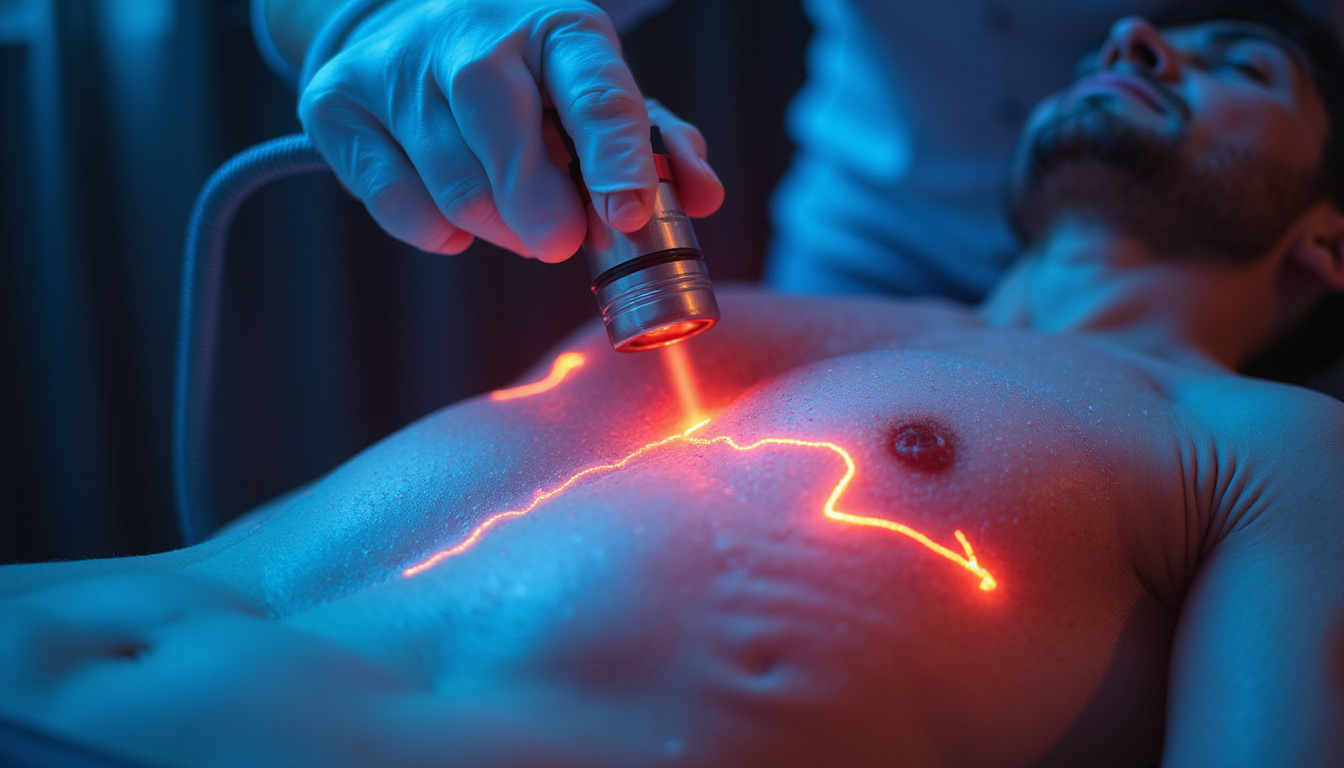
When your body feels jammed, simply exercising more will not help. You often need focused manual work to:
- Release tight, overworked muscles
- Mobilize stiff or “locked” joints
- Reduce nerve irritation
- Calm overloaded tendons
This treatment can include:
- Manual joint mobilization
- Soft tissue and myofascial release
- Trigger point therapy
- Specific nerve and tendon techniques
The goal is to help your joints move smoothly so that rehab exercises feel natural and do not cause extra pain.
3. Smart, progressive exercise – rehab that feels like training
Effective sports rehab is not just about clamshells and band walks. It should eventually mimic smart sport training. A good plan moves steadily through stages:
-
Pain reduction and activation
- Work on gentle range of motion
- Activate deep stabilizer muscles
- Do isometric strength work without provoking pain
-
Strength and control
- Use progressive resistance exercises (bodyweight, bands, weights)
- Focus on single-leg work to fix side imbalances
- Control the tempo to build joint resilience
-
Power, speed, and change of direction
- Include appropriate plyometrics
- Add sport-specific drills for cutting, deceleration, jumping, or sprinting
- Use return-to-sport tests and load advice
At The Pain Relief Practice, we tailor your sports rehab to your real life—whether chasing your kids without back pain, enjoying pain-free badminton, or preparing for IPPT, a marathon, or competition.
Common sports injuries in Singapore – and how rehab helps
Knee pain (runner’s knee, patellofemoral pain, meniscus strain)
Typical complaints:
- “My knee feels soft or wobbly when I go down stairs.”
- “The front of my knee aches after running or squatting.”
Targeted sports rehab works by:
- Strengthening your hips and glutes to improve knee alignment
- Balancing quadriceps, hamstrings, and calves
- Improving foot and ankle mobility for shock absorption
- Managing load by adjusting training volume and surfaces
Ankle sprains and chronic “loose ankles”
Typical complaints:
- “I always twist the same ankle.”
- “The swelling went away long ago but the joint still feels unstable.”
Effective rehab includes:
- Restoring full ankle mobility (dorsiflexion is key)
- Rebuilding strength in the peroneals and calf
- Training balance and proprioception (like single-leg stability)
- Improving landing mechanics and change of direction skills
Shoulder and rotator cuff issues (swimmers, racket sports, gym-goers)
Typical complaints:
- “I cannot lift my arm overhead without a pinch.”
- “Bench press and overhead press trigger my shoulder pain.”
Smart sports rehab uses:
- Scapular control and mid-back strength work
- Rotator cuff endurance work, not just strength
- Thoracic spine mobility exercises
- Adjusting grip width and technique for lifts and strokes
Faster recovery without sacrificing long-term joint health
To recover swiftly and protect your joints over time, follow these principles:
-
Respect pain but do not fear movement
Pain gives useful signals. We work in zones of “acceptable discomfort” so that you heal and progress. -
Use cross-training wisely
If your knee or ankle hurts, try cycling, swimming, or deep-water running to keep fit while easing joint load. -
Strengthen as joint insurance
Strong muscles absorb shock. A fit body protects cartilage, tendons, and ligaments from strain. -
Plan your return rather than guess
Use measurable signs (strength, range of motion, hop tests, or drill tolerance) to know when to resume full sport activity.
One simple framework: R.E.B.U.I.L.D. for sports rehab
Keep this mental checklist in mind during recovery:
- R – Reduce pain and swelling (manual therapy and proper loading)
- E – Enhance mobility (improve joint, muscle, and nerve movement)
- B – Build strength (especially around affected joints)
- U – Upgrade movement patterns (squat, hinge, push, pull, run)
- I – Integrate sport-specific skills (cuts, jumps, and direction changes)
- L – Manage load (gradually increase intensity and volume)
- D – Defend against recurrence (maintenance exercises and periodic check-ups)
How The Pain Relief Practice stands out in sports rehab
For those in Singapore who are serious about ending pain—not just enduring it—The Pain Relief Practice stands out as a specialized pain treatment center for smart, proactive individuals.
What sets us apart:
-
Established since 2007
We have almost two decades of experience helping active people regain healthy joints and muscles. -
Trusted by celebrities and national athletes
We treat clients who need fast, effective, and long-lasting results—not just temporary relief. -
Integrated pain and performance methods
We aim for more than just ‘no pain’; we help you move and perform better than before. -
Tailored, evidence-based care
Every sports rehab plan is made for your sport, schedule, body, and goals.
Real Results
Celebrities & National Athletes
Practical tips to protect your joints if you’re training in Singapore
Try these joint-friendly strategies right away:
-
Warm up properly, not in a rush
Start with light cardio, progress to dynamic mobility, then to activation, and finally sport-specific drills. Avoid cold stretches before sprinting. -
Respect humidity and fatigue
In Singapore’s heat, you tire faster. Tired muscles mean less joint protection, so manage fatigue to prevent injury. -
Space out high-impact days
Alternate heavy running or jumping days with low-impact days (cycling, strength work, or technique practice). -
Invest in technique coaching
Whether you lift, run, or play racket sports, small tweaks in technique can ease joint pressure. -
Do not ignore small pains lasting over two weeks
Early sports rehab can speed recovery and reduce structural damage
(source: American Physical Therapy Association – https://www.choosept.com).
When should you see a sports rehab professional?
Consider a proper check-up if:
- Pain or stiffness lasts more than 10–14 days
- You re-injure the same area repeatedly
- Your performance drops because you limp or guard the painful side
- Pain affects your mood, sleep, or daily activities
- You prepare for an event (IPPT, marathon, competition) and need to stay pain-free
The sooner you address the real issue, the faster and safer your return to full training.
FAQ – Sports rehab in Singapore
Q1: What is the difference between sports rehab and regular physiotherapy?
Sports rehab focuses on active individuals and athletes. Besides relieving pain, it improves performance by honing sport-specific moves and guiding safe returns to training and competition. At The Pain Relief Practice, we mix pain treatment with performance-focused sports physiotherapy so you do not just survive your sport—you excel at it.
Q2: How long does sports injury rehab usually take?
Recovery time depends on the injury’s type, severity, duration, and your training load. Mild strains may improve in 2–4 weeks with proper rehab. More complex tendon, ligament, or cartilage issues may require several months of progressive rehab. Our team gives a clear timeline and milestones early in your sessions.
Q3: Can sports rehabilitation help old injuries from years ago?
Yes. Even with old injuries, sports rehab can lower pain, boost joint mobility, restore strength, and help you move better. Many patients at The Pain Relief Practice have long-standing knee, back, or shoulder issues and are surprised at how much better they move once we fix the underlying movement faults.
If you are in Singapore and serious about ending pain, protecting your joints, and reaching your best performance, specialized sports rehab at The Pain Relief Practice can guide you safely, efficiently, and with a clear plan ahead.
To view our clinic details, reviews, and location, check out our Google profile here:
https://share.google/UwMU2I9zUCwXVh0Lg
We are a specialized physio treatment center for savvy people who want real results.
While we are not suitable for someone looking for ‘cheap physiotherapy’ or ‘free exercises available on youtube’, our treatments are affordable and are often claimable with company flexi-benefits, company health insurance, travel insurance, personal accident insurance, and other insurance plans.
Simply whatsapp or call: +65 97821601 and let us know how to help.
If you prefer a convenient nutritional preventive option, Regenerix Gold is our top recommended joint supplement.
We have been recommending this joint supplement for over a decade.
Simply start with 3 capsules, once a day.
If you do not feel better within a week, increase to 2 capsules, twice a day. (4 capsules a day in total)
Our blog readers qualify for a special discount.
Simply use the link below and a discount will automatically be applied during checkout.
 PROVIDING FAST, EASY & INSURANCE CLAIMABLE PAIN RECOVERY SINCE 2007