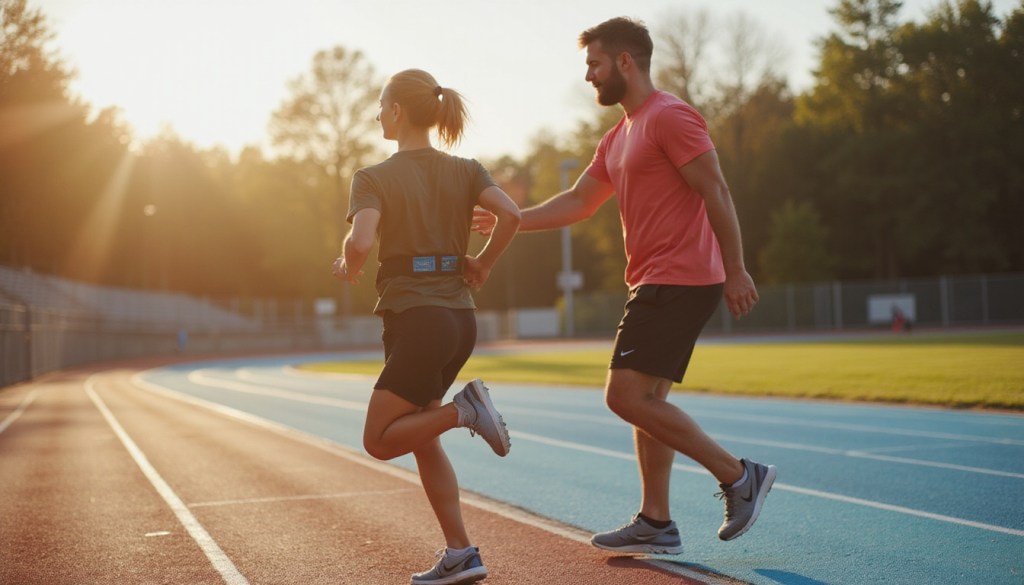
If you train and feel recurring aches, stiff joints, or tight muscles, you need sports medicine. In Singapore, many weekend warriors, office athletes, and elite competitors push through pain. They work hard until pain grows into injury. You can stop this cycle. With smart sports medicine tips, you can prevent injury, protect your knees, back, and shoulders, and boost your performance.
Below you will find clear, Singapore-focused advice you can use now. You will also see how The Pain Relief Practice fits into a smarter, more specialised plan for your long-term joint and muscle health.
What is sports medicine (and why joint pain sufferers should care)?
Sports medicine works for more than professional footballers or national swimmers. It is a practical medical and rehabilitation method. It focuses on:
- Preventing injuries
- Diagnosing and treating exercise or sports problems
- Helping you return to sport safely
- Optimising performance while protecting joints and muscles
If you face any of these local issues, sports medicine matters:
- Knees that grind or click when you climb MRT stairs or use overhead bridges
- Shoulders that catch when you reach above your head or do push-ups
- A lower back that tightens or locks after long office hours and weekend football
- Ankles that roll or feel unstable on rough ground
- Ongoing plantar fasciitis or Achilles pain from running on hard pavements
Instead of treating pain as a one-time event, sports medicine checks how you move, your training load, recovery habits, and underlying weaknesses. That way, you break the cycle of “injure, rest, feel okay, re-injure.”
Common Singapore sports injuries you can actually prevent
Our climate, lifestyle, and training set up common patterns of overuse and impact injuries in Singapore:
- Runner’s knee from runs at Marina Bay, MacRitchie, ECP, or on hard park connectors
- Meniscus and ligament strains from futsal or football on artificial turf
- Shoulder impingement and rotator cuff irritation from swimming, CrossFit, or gym work
- Tennis or golfer’s elbow from racket sports at ActiveSG courts or from weekend golf
- Ankle sprains from court sports like badminton, basketball, or netball
- Spine and disc issues from heavy gym lifts combined with long desk hours
Sports medicine looks at the reason for the pain. It checks if your glutes are weak, if your hip mobility is poor, if your thoracic spine is stiff, if your calves are tight, if your training is unbalanced, or if you get no recovery time.
1. Load management: stop overloading your joints
Many injuries come from doing too much too soon. In sports medicine, we watch your training load. This load is the mix of intensity, duration, and frequency.
Here are some simple rules:
- The 10% rule – Do not increase your weekly mileage or volume by more than 10%.
- Avoid big spikes – If you normally run 10 km a week, jumping to 25 km for a race can make your knees or Achilles hurt.
- Balance hard and easy days – Alternate demanding days (like intervals or heavy strength) with easier work (like light cardio or mobility drills).
- Respect pain signals – Normal soreness goes away within 48 hours. If pain is sharp or one-sided, your load exceeds your current limits.
Sports medicine values progressive overload over ego overload.
2. Strength training: your best joint protection
When your knees, hips, shoulders, or back act up, some muscles work too much while others stay weak.
Key areas to protect your joints include:
- Glutes and hips – They are essential for runners, footballers, and court sport athletes. Strong glutes ease stress on your knees and lower back.
- Core (not just abs) – Deep core muscles keep your spine and pelvis stable. This lessens strain on your lumbar discs and SI joints.
- Scapular and rotator cuff muscles – They protect your shoulders for swimmers, throwers, racket players, or anyone who presses overhead.
- Calves and foot muscles – They take the load in running, jumping, and quick changes of direction.
A sports medicine strength plan targets weak links that your current training may miss. For example:
• Runners with “runner’s knee” often need single-leg work (step-ups, split squats, hip drills).
• Office workers with low back pain need strength for hip extension and core endurance, not just stretching.
• Swimmers with shoulder impingement need endurance for the rotator cuff and mid-back strength, not just more laps.
This approach is the difference that specialised physiotherapy and sports rehab at The Pain Relief Practice offer. You get a targeted programme based on how you move.
3. Mobility and flexibility: move well before you move more
Many in Singapore feel tight after long hours of sitting. They expect their joints to perform during weekend HIIT, spin, or football. That mix can lead to strains and flare-ups.
Sports medicine uses these strategies:
- Joint mobility drills – Perform controlled movements through the full, pain-free range of your hips, shoulders, ankles, and thoracic spine.
- Dynamic stretching before activity – Use leg swings, walking lunges, and arm circles to get muscles ready.
- Static stretching and soft tissue work after exercise – These help release post-training stiffness.
If you feel jammed in the hips, or your knees collapse in a squat, or your shoulder pinches at a certain angle, it is not just “inflexibility.” It may be a movement restriction that needs care.
4. Technique and biomechanics: small tweaks, big relief
How you move matters more than your strength. Two people lifting the same weight or running at the same pace can face different risks because of technique.
Sports medicine assessments include:
- Video checks of running form or lifting technique
- Functional movement tests – Squats, lunges, single-leg balance, jump-landings
- Sport-specific tests – For swimmers, throwers, or for footballers/netballers doing cutting and pivoting
Common issues are:
• Overstriding when running, which stresses the knees and shins.
• Knees caving in during squats or jumps, which puts pressure on ligaments.
• A rounded lower back when deadlifting or rowing.
• Poor landing control from jumps, which can cause ankle sprains.
Fixing these faults can ease pain and help you move faster, with more power and efficiency.
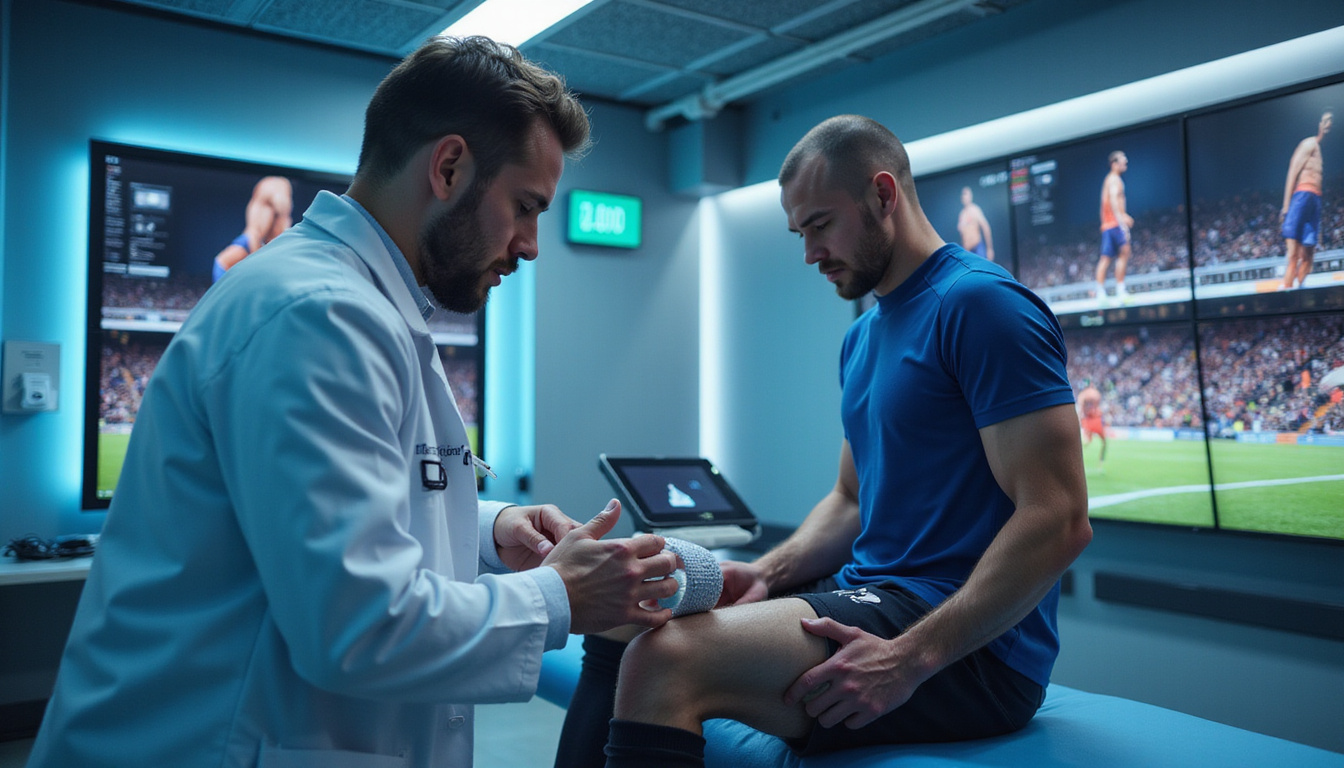
5. Recovery: where the real gains (and protection) happen
In Singapore, many treat sleep and recovery as optional. Sports medicine highlights recovery as the key to success.
Basic recovery rules include:
- 7–9 hours of good sleep – This is when your body repairs muscle, tendon, and cartilage damage.
- Proper hydration and nutrition – Our humidity leads to more fluid loss. Dehydration raises the risk of cramps and strains. Protein helps repair tissues.
- Active recovery – Light cycling, walking, or mobility sessions help clear stiffness.
- Managing stress – High stress alters pain feelings and slows recovery.
Poor recovery makes even normal training loads feel too heavy for your joints and tendons.
6. When to seek specialised sports medicine care in Singapore
Many active people and athletes wait until they barely move before seeking help. Sports medicine advises a professional check when:
- Pain lasts more than 1–2 weeks despite rest and self-care
- You see swelling, joint locking, or the joint feels unstable
- The same spot flares up every time you resume activity
- Pain is sharp, catches, or comes with weakness or numbness
- You alter your movement to “protect” a painful area and other joints begin to hurt
Early sports medicine assessment can lead to:
- Faster diagnosis
- Less time away from sport
- Lower chance of lifelong issues
- A customised plan to keep you active while you heal
Why choose The Pain Relief Practice for sports medicine-style care?
For those in Singapore who want to keep their joints and muscles fit, The Pain Relief Practice offers a specialised care plan. We mix sports medicine ideas with advanced pain treatment and physiotherapy.
Top reasons patients trust us:
- Established since 2007 – We are one of Singapore’s established physiotherapy and pain clinics.
- Trusted by celebrities & national athletes – We have helped well-known personalities and Team Singapore athletes find fast, reliable results and a safe return to performance.
- Sports medicine-focused assessment – We do not only treat a sore spot. We check your movement, strength, and flexibility in detail.
- Integrated pain and performance care – From acute injury care to chronic joint issues, we help you ease pain, restore movement, and boost your performance.
Real Results
Celebrities & National Athletes
Practical checklist: Are you training “sports medicine smart”?
Use this checklist to review your training:
- I increase my training load gradually.
- I do at least two strength sessions a week that focus on my glutes, core, and joint stabilisers.
- I warm up with dynamic moves and cool down with stretching or mobility drills.
- I have checked my technique with a coach or qualified therapist.
- I sleep at least 7 hours most nights and watch my hydration in Singapore’s heat.
- I do not ignore joint pain that lasts more than 1–2 weeks.
- I have a plan, or I see a professional, to manage old injuries so they do not return.
If you answer “no” to several points, your joints and muscles may be under stress.
Evidence-based, people-first care
Modern sports medicine does not tell you to give up sports. It helps you modify, strengthen, and retrain. This way, you can do what you love safely.
Authoritative groups such as the American College of Sports Medicine stress that structured training, strength, and recovery are the best ways to prevent injuries and improve performance. The same rules work for national athletes and busy professionals alike.
At The Pain Relief Practice, our goals are always to:
- Reduce pain quickly and safely
- Restore full, confident movement
- Build long-term strength so old injuries do not hold you back
Visit The Pain Relief Practice
You can find patient reviews, location, and contact details on our Google profile:
https://share.google/UwMU2I9zUCwXVh0Lg
If your knees nag, your shoulder catches, or your back locks frequently, listen to your body. It is time for a structured, sports medicine plan. A timely check can be the difference between a small fix and a long, frustrating break.
FAQ: sports medicine in Singapore
1. How can sports medicine help chronic knee pain from running?
Sports medicine for runner’s knee starts with checking your running gait, hip and ankle mobility, and strength balance between your quads, glutes, and calves. A tailored plan at The Pain Relief Practice may include strength work, mobility drills, load management, and tweaks to your technique. This plan helps you run with less strain on your kneecap and other structures.
2. Do I need a referral to see a sports medicine-style physiotherapy clinic?
In Singapore, you usually do not need a doctor’s referral to see a physiotherapist or a sports medicine clinic. You can book your appointment directly. If imaging or another specialist is needed (for example, if a ligament tear is suspected), your therapist at The Pain Relief Practice will guide you through the process.
3. Is sports medicine only for professional athletes?
No. Sports medicine works for anyone who is active or wishes to stay active without worsening joint or muscle problems. Weekend footballers, recreational runners, gym-goers, dancers, and older adults can all benefit. The goal is always the same: prevent injury, ease pain, and boost performance at a level that matters to you.
We are a specialized physio treatment center for savvy people who want real results.
While we are not suitable for someone looking for ‘cheap physiotherapy’ or ‘free exercises available on youtube’, our treatments are affordable and are often claimable with company flexi-benefits, company health insurance, travel insurance, personal accident insurance, and other insurance plans.
Simply whatsapp or call: +65 97821601 and let us know how to help.
If you prefer a convenient nutritional preventive option, Regenerix Gold is our top recommended joint supplement.
We have been recommending this joint supplement for over a decade.
Simply start with 3 capsules, once a day.
If you do not feel better within a week, increase to 2 capsules, twice a day. (4 capsules a day in total)
Our blog readers qualify for a special discount.
Simply use the link below and a discount will automatically be applied during checkout.