
If stiff joints, tight muscles, or that nagging “jammed” feeling trouble you, your body may miss soft tissue mobilisation. People in Singapore often sit for long hours, push themselves at the gym, or face early osteoarthritis. Hand work on muscles, fascia, tendons, and ligaments can shift you from “tahan only” to moving freely again.
Below, we break down soft tissue mobilisation. We do more than “massage.” We show techniques that work and share how The Pain Relief Practice uses them. Our aim is to help you fix stubborn pain, regain healthy joints and muscles, and perform better in daily life and sports.
What is soft tissue mobilisation?
Soft tissue mobilisation is a hands‑on therapy that works to:
• Release stubborn muscle knots (trigger points)
• Loosen scar tissue and adhesions
• Reduce muscle guarding and spasms
• Improve joint glide and range of motion
• Decrease pain and stiffness
This therapy is more structured and specific than a typical massage. A trained therapist uses the right pressure, stretch, and direction to target muscles, fascia, tendons, and ligaments. The therapist plans the work based on your diagnosis and movement patterns.
When chronic neck tightness, frozen shoulder, knee wear‑and‑tear, lower back “locking,” or sports overuse injuries trouble you, soft tissue mobilisation can be the missing piece. It lets joints move as they should.
Who in Singapore typically benefits from soft tissue mobilisation?
You benefit if you feel any of these:
• Your neck and shoulders feel “suan” after laptop work
• Morning stiffness in knees or hips eases only after you “warm up”
• Your lower back feels “tight like stone” after long rides or standing
• Your kneecap feels achy on stairs or a slope
• Your hamstrings or calves stay tight despite stretching
• An old ankle or knee injury still limits your movement
• You notice clicking, catching, or a “jam” in joints during gym or sports
Soft tissue mobilisation also helps:
• Office workers with tech neck, rounded shoulders, and upper back tension
• Runners with IT band friction, plantar fasciitis, or Achilles issues
• Weekend warriors with tight hips, groin strains, or shoulder impingement
• People with osteoarthritis who feel “rusty” and compressed
• Post‑injury patients with scar tissue and limited range
Key soft tissue mobilisation techniques that relieve pain and improve mobility
Below are some techniques you may receive at The Pain Relief Practice.
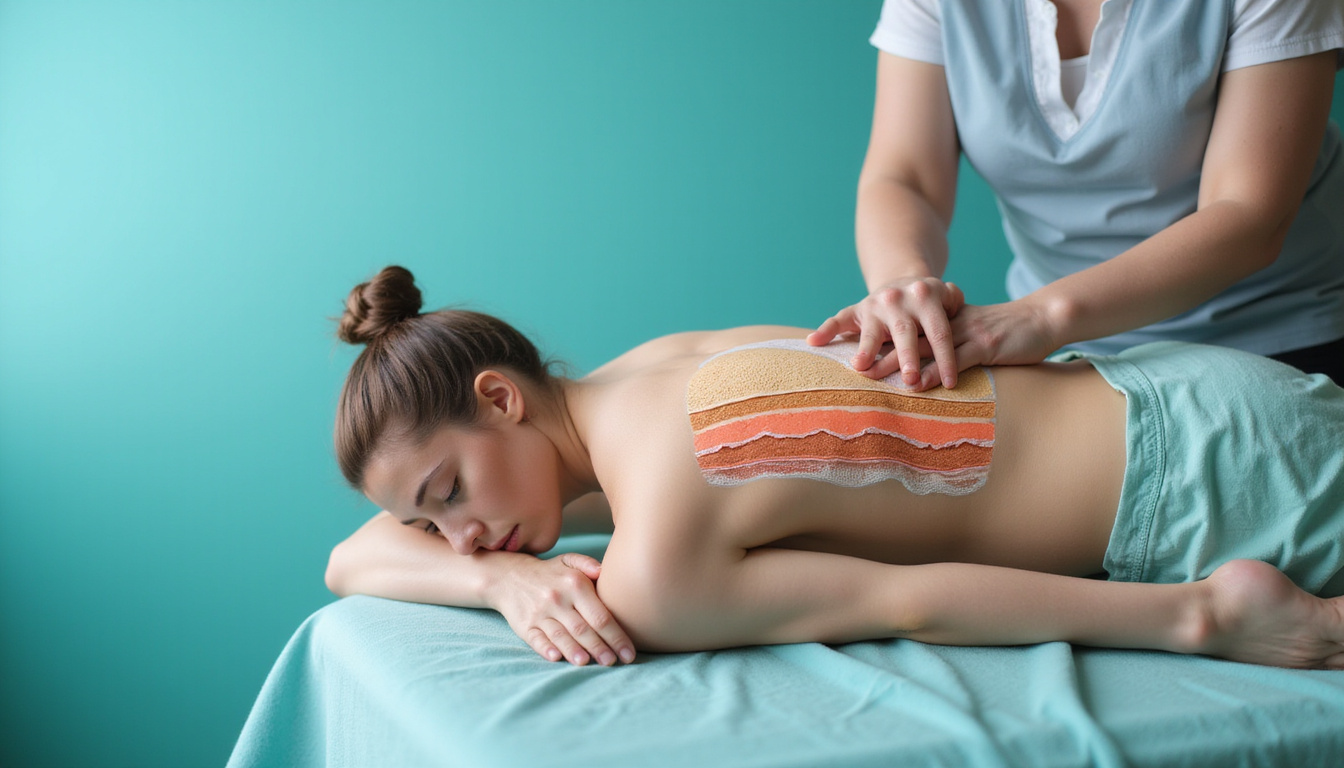
1. Myofascial release (MFR)
Myofascial release works with the fascia. Fascia is the “cling wrap” around muscles and organs. When fascia stiffens, you feel:
• Deep, dull tightness
• Restricted movement over more than one area
• Tension lines that stretch, for example, from the neck down to the mid‑back
How this technique helps:
• The therapist applies slow, sustained pressure and stretch along tight fascial lines.
• This work “melts” adhesions so tissues can glide smoothly again.
• It is often used for chronic neck/shoulder tightness, low back pain, and hip stiffness.
Often, you may say, “Wah, I did not know that spot hurt until you pressed it.” That is a clear sign of fascial restriction.
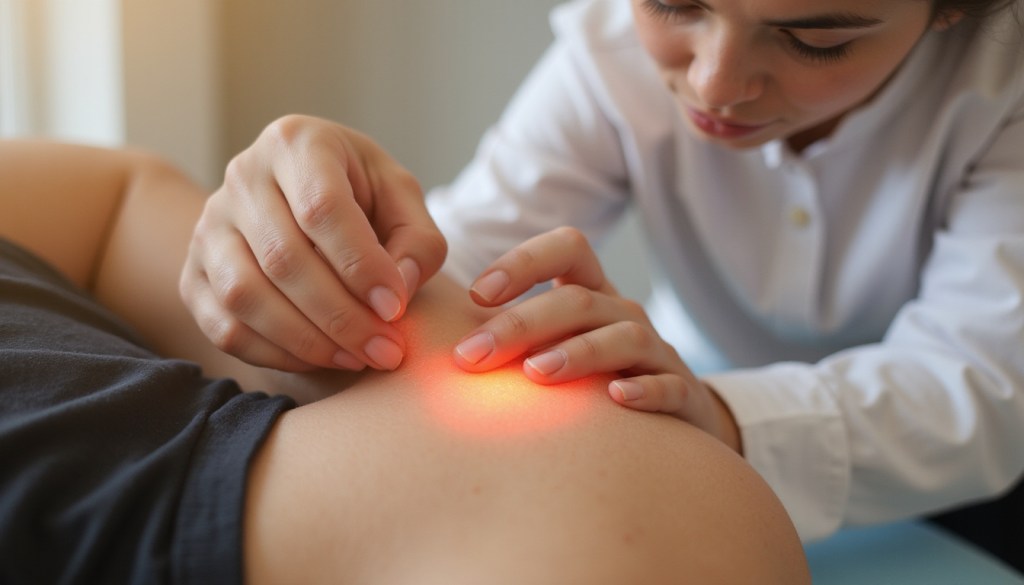
2. Trigger point release
Trigger points are small, sensitive spots. They can send pain to other areas. For example:
• A knot in your upper trapezius may send pain to the side of your head.
• A trigger point in the glute may cause sciatica‑like pain in your butt and thigh.
Trigger point release uses these ideas:
• The therapist applies direct pressure onto the knot.
• The work may combine small movements or invite you to contract the muscle.
• Pressure eases gradually until the pain diminishes.
The results are:
• Muscle tightness lessens in a “band‑like” manner.
• You gain better muscle activation and strength.
• There is less extra load on your joints.
3. Deep transverse friction (DTF)
Deep transverse friction helps with chronic tendon issues and ligament pain, such as:
• Tennis elbow or golfer’s elbow
• Patellar tendon pain (“jumper’s knee”)
• Old ankle ligament sprains
• Rotator cuff tendinopathy
How it works:
• The therapist uses firm, small strokes that cross the fibres of the tendon or ligament.
• These strokes disrupt disorganised scar tissue.
• The work encourages collagen fibres to align and heal.
While you might feel controlled discomfort, over repeated sessions the area grows less tender and more resilient.
4. Instrument‑assisted soft tissue mobilisation (IASTM)
IASTM uses special tools rather than only hands. Patients sometimes call this “scraping” or “blading.”
The benefits are:
• The therapist can find and treat small adhesions.
• The tools cover larger or tougher areas efficiently—like the IT band, calves, or plantar fascia.
• The work can trigger a local healing response.
Common uses in Singapore include:
• Runners and cyclists with IT band tightness
• Desk‑bound individuals with chronic neck and mid‑back stiffness
• People with heel pain from plantar fasciitis
5. Active release and contract‑relax techniques
With active soft tissue mobilisation, you do more than lie still. You move or contract the muscle while it is treated.
Examples are:
• The therapist holds a shortened muscle while you move it into a stretch.
• The therapist applies pressure on a trigger point while you contract and relax the muscle.
Why this is powerful:
• It re‑educates both the muscle and the nervous system.
• Your range of motion can improve faster than with passive work alone.
• It is excellent for frozen shoulder, hip stiffness, and post‑injury movement retraining.
6. Joint‑focused soft tissue mobilisation around arthritic joints
For osteoarthritis in the knee, hip, spine, or shoulder, you may feel:
• “Rusty,” creaky, or stuck joints
• Achiness after long periods of loading
• A joint that is stiff yet feels unstable
In this setting, soft tissue mobilisation aims to:
• Release tight joint capsules, ligaments, and surrounding muscles
• Improve joint glide and natural lubrication
• Reduce high-pressure spots within the joint
This work does not reverse arthritis. Yet it may cut pain and boost joint function when paired with strengthening work.
What actually happens in a soft tissue mobilisation session?
At a trusted centre like The Pain Relief Practice in Singapore, your session follows a clear plan. You will not receive random or loose “rub here, rub there” work.
A typical session includes:
-
Detailed assessment
• The therapist checks your posture, movement, gait, and performs functional tests.
• The therapist uses palpation to feel for tight bands, trigger points, scar tissue, and restricted glide.
• You discuss your activity level, sports, and work demands. -
Targeted soft tissue mobilisation
• The therapist uses a mix of techniques chosen for your specific movement issues.
• Techniques may include myofascial release, trigger point therapy, IASTM, friction, and active methods. -
Movement and activation work
• You perform specific mobility drills so that your new range “locks in.”
• The therapist helps you activate weak or inhibited muscles so that old patterns do not return. -
Personalised plan
• You receive home exercises to keep your tissues healthy and mobile.
• The therapist helps you manage load for both sports and everyday tasks.
• A follow‑up plan is set, based on whether you are aiming for pain relief, better performance, or long‑term joint health.
Soft tissue mobilisation vs “normal” massage
Many in Singapore have tried TCM tuina, spa massage, or general sports massage. These massages may feel shiok for a moment, but they do not fix the root causes of joint pain and restricted mobility.
Key differences with clinical soft tissue mobilisation are:
• It is based on clinical assessment and diagnosis.
• It targets the specific tissues and movement patterns that cause your pain.
• It is often paired with corrective exercise and neuromuscular training.
• Progress is measured objectively: improved range, strength, and less compensation.
That is why savvy patients often pick a specialist pain treatment centre over generic massage.
Benefits of soft tissue mobilisation for pain and mobility
Many patients report clear improvements:
• A decrease in deep, nagging aches in joints
• The ability to turn the neck fully while driving
• Easier squats, stair climbing, or sitting cross‑legged
• Fewer “locking” episodes in the back or shoulder
• Better performance in the gym and sports, with less post‑exercise soreness
In technical terms, benefits include:
• Improved tissue extensibility
• Better joint centration and load distribution
• Normalised movement patterns
• Reduced protective muscle guarding
• Enhanced circulation and local metabolism
Research supports the use of manual therapy and soft tissue techniques as an evidence‑based care strategy for musculoskeletal pain and restricted mobility. (Source: Journal of Orthopaedic & Sports Physical Therapy)
What you should tell your therapist before soft tissue mobilisation
Good results and fewer flare‑ups need clear communication. Always share:
• The exact spots where you feel pain, including any referral to other areas
• Movements that “catch,” “jam,” or feel unstable
• Any pins and needles, numbness, or weakness
• Your history of fractures, surgeries, or injections
• Medications you take (especially blood thinners) and medical conditions
This clear talk helps your therapist choose the right combination and intensity of techniques for you.
How The Pain Relief Practice uses soft tissue mobilisation
The Pain Relief Practice is a trusted physiotherapy clinic in Singapore. Since 2007, we have helped people move and live with ease. We work as a specialised pain treatment centre for patients who want more than quick relief. They want:
• A proper diagnosis and a clear plan
• Hands‑on treatment that changes how their body moves
• Stronger, healthier joints and muscles that keep up with life and sport
• Better performance and genuine enjoyment of movement
Our experienced therapists use advanced soft tissue mobilisation techniques. They combine this work with clinical reasoning, movement analysis, and performance training.
We have treated celebrities and national athletes. They trust us to keep their bodies in top shape, even with intense training loads and tight performance schedules.
Real Results
Celebrities & National Athletes
When to consider soft tissue mobilisation at The Pain Relief Practice
You may choose soft tissue mobilisation if:
• You tried rest, basic stretching, or massage but your pain keeps coming back
• Your joints feel stiffer over time and you worry about long‑term wear and tear
• You are an athlete or an active person needing more performance from a “problem area”
• Old injuries did not let you fully recover your mobility or strength
• You want a structured, specialised approach rather than quick, surface‑level relief
Simple things you can do at home to support your soft tissue treatment
Soft tissue mobilisation works better when you build good habits at home:
• Move regularly. Do not sit in one posture for hours. Micro‑breaks matter.
• Use self‑release tools like a foam roller, massage ball, or stick after guidance from your therapist.
• Strengthen weak links such as the glutes, deep core, mid‑back, and foot muscles.
• Respect load. Avoid jumping from zero to hero in sports volume or heavy weights.
• Sleep well and stay hydrated. Your tissues recover and remodel best when you rest well and drink enough water.
Quick checklist: is soft tissue mobilisation right for you?
You likely benefit if you:
• Describe your muscles as “tight like rock” or “always jammed”
• Notice that your joint feels better after “warming up” but stiffens after rest
• Feel that one side of your body is tighter or weaker
• Have stalled in your rehab or sports performance
• Are ready to commit to both hands‑on work and corrective exercises
FAQ on soft tissue mobilisation in Singapore
- Is soft tissue mobilisation painful?
Soft tissue mobilisation may cause some discomfort, especially over tight bands, trigger points, or old injuries. The pain should be a “good pain” that is bearable and that you can breathe through. At The Pain Relief Practice, therapists work at a level that feels right for you. They adjust the intensity based on your feedback.
- How many sessions of soft tissue mobilisation do I need?
This depends on how long you have had the problem, its severity, and your overall health and activity. Some people feel significant relief in 2–3 sessions. More complex conditions may need several weeks of structured work. The goal is not only to release tissue but also to retrain your movement so that the results last.
- What’s the difference between soft tissue mobilisation and deep tissue massage?
Deep tissue massage applies firm pressure to relax muscles and provide temporary relief. Clinical soft tissue mobilisation is more targeted and diagnostic. It examines specific tissues, the directions in which the restrictions occur, and the movement patterns. It is usually paired with rehab and performance strategies. At The Pain Relief Practice, soft tissue mobilisation is part of a complete pain treatment and joint health programme.
To experience how precise soft tissue mobilisation can help unlock stiff joints, calm overworked muscles, and boost your confidence in movement, connect with The Pain Relief Practice via our Google profile below:
https://share.google/UwMU2I9zUCwXVh0Lg
We are a specialized physio treatment center for savvy people who want real results.
While we are not suitable for someone looking for ‘cheap physiotherapy’ or ‘free exercises available on youtube’, our treatments are affordable and are often claimable with company flexi-benefits, company health insurance, travel insurance, personal accident insurance, and other insurance plans.
Simply whatsapp or call: +65 97821601 and let us know how to help.
If you prefer a convenient nutritional preventive option, Regenerix Gold is our top recommended joint supplement.
We have been recommending this joint supplement for over a decade.
Simply start with 3 capsules, once a day.
If you do not feel better within a week, increase to 2 capsules, twice a day. (4 capsules a day in total)
Our blog readers qualify for a special discount.
Simply use the link below and a discount will automatically be applied during checkout.
 PROVIDING FAST, EASY & INSURANCE CLAIMABLE PAIN RECOVERY SINCE 2007