
If you’re in Singapore and you face surgery or the post-op stage, know this: your rehabilitation after joint replacement shapes your result. The implant looks perfect on X‑ray. Yet, if your knee feels stiff, your hip keeps catching, or every stair is steep, good surgery will not help. You want to walk normally without extra thought.
This guide explains what to expect. It shows how to move and which exercises speed up your safe recovery in Singapore.
Why joint replacement rehab matters more than you think
Many people assume that when the damaged joint is replaced the pain will end. But if you feel:
• Tightness and pulling around the scar
• Swelling after walking
• A dull ache at night
• Fear that the joint may give way
you see that surgery is only the start. Rehab rebuilds function.
Good joint replacement rehab helps you to:
• Straighten and bend the joint well
• Regain strength lost after long-term limping
• Improve balance so you trust your operated leg
• Walk, climb stairs, squat (if allowed), and get in and out of cars with ease
Studies tell us that structured rehab after a hip or knee replacement lessens pain, speeds walking, and boosts long-term function
(source: American Academy of Orthopaedic Surgeons).
Singapore-specific challenges after joint replacement
Life in Singapore brings post-op quirks:
• Stairs appear everywhere – in HDBs, MRT exits, overhead bridges.
• Walking distances are long – in malls, interchanges, hospitals.
• Wet floors and slippery tiles trouble you – at hawker centres, kopitiams, toilets.
• Squatting and floor sitting are common – at relatives’ homes, temples, or when playing with grandkids.
If your knee or hip still feels tight, jammed, or weak, these everyday tasks stress you. Rehab must fit local life, not just hospital corridors.
Phases of joint replacement rehab: what to expect
Your timeline may vary with your surgeon’s plan and your health. In general, there are four phases:
Phase 1: Hospital – protection & gentle activation (Day 1–5)
Focus:
• Move the joint safely
• Avoid complications (like clots or lung issues)
• Learn safe transfers and walking with aids
You will start:
• Ankle pumps to lower swelling and reduce clot risk
• Gentle bending and straightening of the new joint
• Training for bed mobility and sit-to-stand
• Walking with a frame or crutches
Phase 2: Early home recovery – range & basic strength (Week 1–4)
Here, many Singaporeans face trouble. Pain, swelling, and fear reduce movement. This can cause:
• Ongoing stiffness
• Difficulty fully bending or straightening
• A dragging leg or limp
Your physio will help by:
• Protecting the wound and preventing stiffness
• Reducing swelling with elevation, cold therapy, and pacing
• Teaching the proper gait with walking aids
Phase 3: Functional rehab – real life skills (Week 4–12)
Now we work on what matters:
• Walking without a limp
• Managing stairs and slopes safely
• Standing and walking longer without pain
• Getting in and out of cars, taxis, or Grab without trouble
Phase 4: Return to higher-level activity (Month 3+)
For those who aim higher, the goal is not just “no pain.” It is to:
• Walk briskly
• Jog lightly (if approved)
• Do gym workouts
• Play golf, badminton (with limits), or hike longer distances
A specialised pain and rehab clinic should guide you safely into these activities instead of simply discharging you once you can walk indoors.
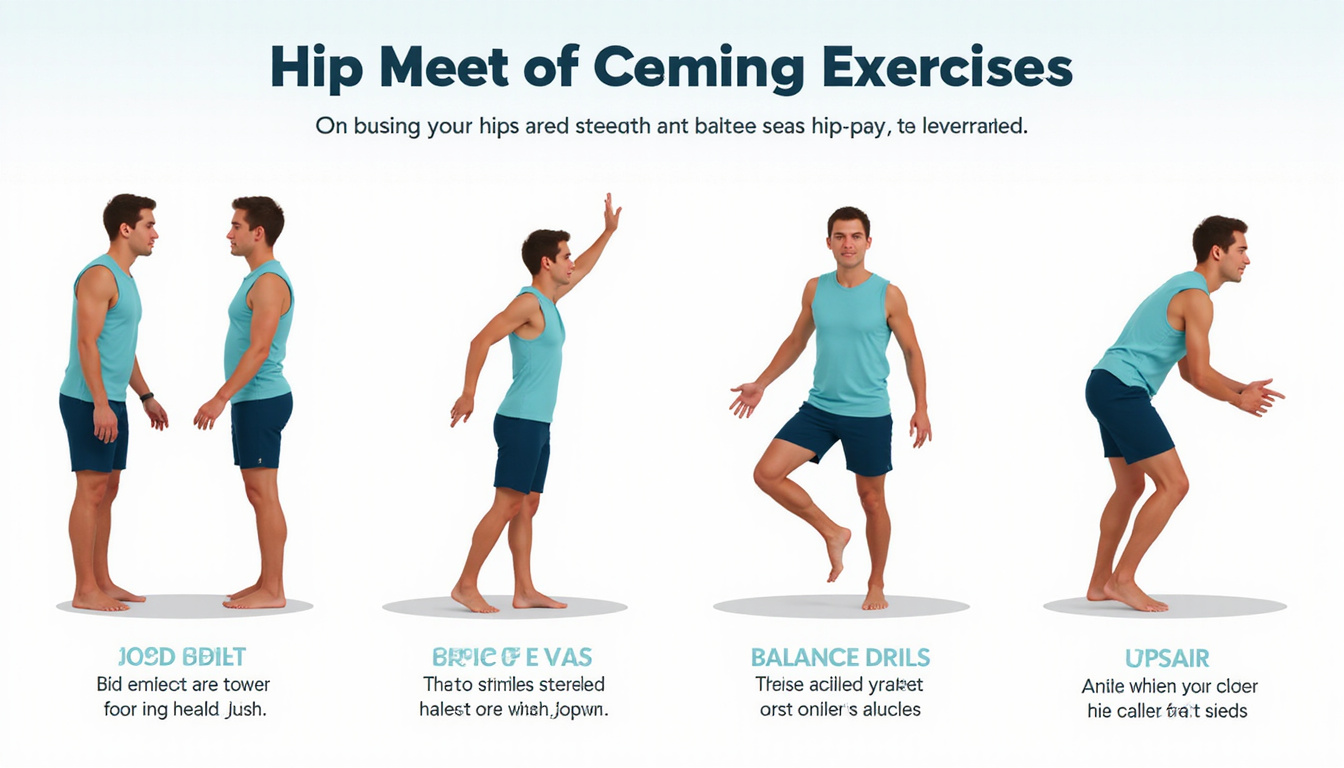
Fast recovery strategies most patients never get told
1. Don’t chase pain, chase function
Zero pain right after surgery is not real. The aim is manageable pain so you can bend, straighten, and walk. If you avoid all discomfort, your joint may stiffen and slow recovery.
A good physio helps you know the difference:
• Good stretching discomfort feels like tightness, pulling, or a mild burn.
• Bad pain is sharp, causes catching or buckling, or worsens for hours after.
2. Respect swelling — it is your progress gauge
If you take too many steps too soon, your leg talks to you with tightness, heat, or throbbing. Use this rule:
• Mild pain and swelling the next day means you are on track.
• Massive swelling or heavy ache for more than 24 hours means you must lower your intensity, not stop completely.
3. Move often, not just during physio
Think of your joint as a rusty hinge. One big move a day will not fix it. Small, frequent moves work better:
• Do short, gentle stretches several times daily.
• Practice sit-to-stand from the right chair height often.
• Take short walks rather than one long, painful one.
4. Use walking aids correctly (and do not ditch them too soon)
Some Singaporeans lose their walking frame or cane too early because it seems old-fashioned. But limping without an aid is worse for your joint and back.
A general idea (refined by your physio):
• Begin with a walker, then move to 2 crutches, then 1 crutch or cane on the opposite side, and finally walk independently.
Core joint replacement rehab exercises (knee & hip)
Always check with your surgeon or physiotherapist before starting these—especially if you had complications.
1. Ankle pumps
• Purpose: Lower swelling and boost circulation
• How: While lying or sitting, pump your ankles up and down as if you press and release a pedal.
• Dosage: 20–30 reps, several times each day.
2. Quad sets (thigh muscle activation)
• Purpose: Re-activate the front thigh muscle that supports your knee
• How:
– Lie flat with your legs straight
– Tighten the thigh in your operated leg as if you press the back of your knee into the bed
– Hold for 5–10 seconds, then relax
• Dosage: 10–15 reps, 3–4 times daily.
3. Heel slides (for bending the knee or hip)
• Purpose: Help you bend without straining the joint
• How (for the knee):
– Lie on your back
– Slide your heel gently towards your buttocks, bending your knee
– Hold for 3–5 seconds and slide back
• Dosage: 10–20 reps, 2–3 times daily.
4. Straight leg raises (if allowed)
• Purpose: Build thigh strength without stressing the joint too much
• How:
– Lie on your back with your non-operated knee bent and operated leg straight
– Tighten your thigh and slowly lift the straight leg 20–30 cm
– Hold briefly and lower slowly
• Dosage: 10–12 reps, 1–2 sets, once or twice daily.
Avoid this if your back hurts or if your surgeon restricts it.
5. Sit-to-stand practice
• Purpose: Improve everyday function and strengthen your thighs
• How:
– Sit on a stable chair (not too low)
– Place your feet hip-width apart and keep your knees forward
– Lean forward slightly, push with both legs, and stand tall
– Sit back slowly, controlling the motion
• Dosage: 8–10 reps, 1–3 sets daily.
A simple daily joint replacement rehab routine (sample)
Always modify under professional guidance. Many post-op patients do well with a routine like this:
-
Morning (loosen up)
– Ankle pumps: 20 reps
– Heel slides: 10–15 reps
– Quad sets: 10 reps -
Midday (strength & function)
– Quad sets: 10–15 reps
– Sit-to-stand: 8–10 reps
– Short walk around the house (every 1–2 hours) -
Evening (gentle reset)
– Heel slides: 10–15 reps
– Short walk
– Elevate your leg and use a cold pack (if swelling) for 10–15 minutes. Use a cloth barrier.
Listen to your joint. Mild pulling or stretching is normal. Sharp or worsening pain means you should slow down and check with your physio.
Common mistakes Singapore patients make after joint replacement
• Only follow what is on the hospital discharge sheet and stop improving afterward.
• Compare yourself with friends or relatives and push too hard to catch up.
• Avoid bending or loading the leg out of fear for months.
• Skip physio because indoor walking seems fine, then struggle with slopes, long walks, or travel.
• Ignore other joints—this can cause back or opposite knee pain from limping or overcompensation.
The right rehab targets not just the operated joint. It rebalances your whole movement system.
Why choose The Pain Relief Practice for joint replacement rehab in Singapore
If you are serious about living well—not just getting by—you must aim higher. You want to travel, play with your grandkids, or return to sport. For this, you need more than generic hospital exercises.
At The Pain Relief Practice, we have:
• Treated patients since 2007. We are one of Singapore’s long-standing physiotherapy and pain clinics.
• Handled many cases where pain or stiffness lingers for months or even years after surgery.
• Used evidence-based hands-on therapy, targeted exercise programming, and modern methods to:
– Reduce post-op pain and inflammation
– Improve scar mobility and ease soft tissue tension
– Restore movement and build confidence
– Optimise walking, stair climbing, and sport-specific movements
We have treated celebrities and national athletes who demand high performance from their joints, not just pain relief. This same focus guides everyday patients determined to get the most out of their new joints.
Real Results
Celebrities & National Athletes
Whether you are a retiree who wants to stroll through Gardens by the Bay without stopping, or a working professional who stands or walks a lot, our team understands what “real life performance” means in Singapore.
What a savvy joint replacement rehab plan should include
A good plan at a specialised centre like The Pain Relief Practice usually has:
• A thorough assessment of:
– Range of motion and stiffness points
– Muscle strength of your quads, glutes, and calves
– Gait pattern, including stride, weight shift, and foot placement
– Balance and confidence especially on stairs
• Customised treatment that may include:
– Hands-on soft tissue work to ease tight bands and pulling
– Scar tissue mobilization where needed
– Joint mobilization within safe post-op limits
– A tailored exercise plan for home
– Advice on pacing your work, household tasks, and hobbies
• Progress tracking that shows you:
– How much range of motion you have gained
– How your strength is improving
– When it is safe to move from indoor walking to outdoor use, slopes, or travel
FAQ: joint replacement rehab in Singapore
Q1: How long does joint replacement rehab take to feel “normal” again?
Most patients see clear improvement in 4–6 weeks of structured rehab. Pain and basic walking get better first. But it can take 3–6 months to feel near normal for daily activities and up to 12 months for sports or long walks. A tailored program avoids plateaus and lingering stiffness.
Q2: Can I do joint replacement rehab exercises on my own at home?
Yes, you can and should. But using only generic instructions may lead to wrong movements, a persistent limp, or weakness. Visits to a specialised clinic help ensure you target the right muscles, progress safely, and do not irritate your new joint. Many patients use both clinic sessions and home-based physiotherapy.
Q3: When should I see a specialist if my rehab is not moving ahead?
If after 6–8 weeks you still face severe stiffness, cannot fully bend or straighten, or hesitate to walk without holding furniture, see a specialised pain and rehab clinic. Early help can prevent long-term issues and protect your new joint’s performance.
If your new knee or hip does not feel as you hoped, you do not have to accept it. With the right joint replacement rehab strategy, you can regain smooth movement, stronger muscles, and enjoy daily life in Singapore.
To learn how The Pain Relief Practice can help you get the most from your joint replacement, view our Google profile here:
https://share.google/UwMU2I9zUCwXVh0Lg
We are a specialized physio treatment center for savvy people who want real results.
While we are not suitable for someone looking for ‘cheap physiotherapy’ or ‘free exercises available on youtube’, our treatments are affordable and are often claimable with company flexi-benefits, company health insurance, travel insurance, personal accident insurance, and other insurance plans.
Simply whatsapp or call: +65 97821601 and let us know how to help.
If you prefer a convenient nutritional preventive option, Regenerix Gold is our top recommended joint supplement.
We have been recommending this joint supplement for over a decade.
Simply start with 3 capsules, once a day.
If you do not feel better within a week, increase to 2 capsules, twice a day. (4 capsules a day in total)
Our blog readers qualify for a special discount.
Simply use the link below and a discount will automatically be applied during checkout.
 PROVIDING FAST, EASY & INSURANCE CLAIMABLE PAIN RECOVERY SINCE 2007