
If your knees grind, your back locks, or your shoulder aches, you are not alone. In Singapore, long sitting, weekend sports, and past injuries cause stiff joints, tight muscles, and flare‑ups.
This guide helps people in Singapore who feel joint pain every day. You ice after badminton, tape your knees for runs, or wake up with a stiff neck that takes 30 minutes to ease. You will get clear physiotherapy tips to recover, reduce pain, and stop injuries from coming back.
Why Physiotherapy Matters If You Already Have “Problem Joints”
If you read this, you use phrases like:
• “My knee wobbles on stairs.”
• “My back locks after long sitting.”
• “My shoulder clicks when I lift.”
These words show joint issues. Muscles do not fire well. Joints do not move smoothly. Scar tissue blocks your movement.
Good physiotherapy does more than chase pain. It:
• Finds the real cause (weak glutes, stiff ankles, poor posture)
• Restores joint movement and muscle balance
• Trains your body so that pain stops returning
At The Pain Relief Practice in Singapore, we work on these details. We help those tired of rest and painkillers that give only short relief.
Physiotherapy Tips to Reduce Pain Quickly (Without Making Things Worse)
When pain flares up in a joint or muscle, you might want to stop or push through. Both choices can cause harm. Instead, use these safe physiotherapy tips to calm pain and protect your tissue.
1. Respect Pain, But Don’t Fear Gentle Movement
A common rule is simple:
• Pain 0–3/10: You may move and exercise.
• Pain 4–5/10: Change the intensity or range.
• Pain 6+/10: Stop and check.
If your knee or back feels stuck, try gentle, pain‑free moves instead of lying still. For example:
• Slow knee bends while you hold support
• Pelvic tilts for a stiff lower back
• Shoulder pendulums for a stuck shoulder
Such moves boost blood flow and stop joints from stiffening.
2. Ice vs Heat: Know When to Use Which
People with joint pain choose ice or heat packs. But use each well:
• Use ICE for:
– New sprains or strains (up to 72 hours)
– Swollen joints after sports
– Hot, inflamed spots
Apply for 10–15 minutes, 2–3 times daily with a cloth between ice and skin.
• Use HEAT for:
– Long‑standing stiffness (old back or neck pain)
– Morning stiffness that eases later
– Muscle tightness from stress or long work hours
Apply for 10–20 minutes, check your skin often.
If your joint is swollen, hot, and puffy, choose ice over heat.
3. Don’t Totally Switch Off – Use “Relative Rest”
Many Singaporeans go from full activity to zero when in pain. This change weakens the muscles that support your joints.
Instead of stopping completely, try relative rest:
• Change running to brisk walking or cycling.
• Swap full squats for small, pain‑free squats.
• Lower court time but keep light exercises and core activities.
The idea is to calm the flare while keeping strength and flow.
Physiotherapy Tips to Recover Faster From Flare‑Ups and Injuries
When the pain calms down, the real work begins. Many people feel a bit better, then jump back in, and their joint pain returns.
4. Restore Full Range of Motion First
Before you add strength, let your joints move smoothly and fully, without sharp pain.
Look for these signs:
• One side does not bend, twist, or rotate as far.
• You feel blocked or jammed when you move.
• You need to crack or pop joints to feel normal.
Some range‑of‑motion exercises are:
• Knees – heel slides, supported knee bends, light cycle pedaling.
• Shoulders – wand moves, wall slides, gentle arm circles.
• Back – cat‑camel move, lower trunk twists, child’s pose.
Your physiotherapist will guide you from small, supported moves to more functional ones.
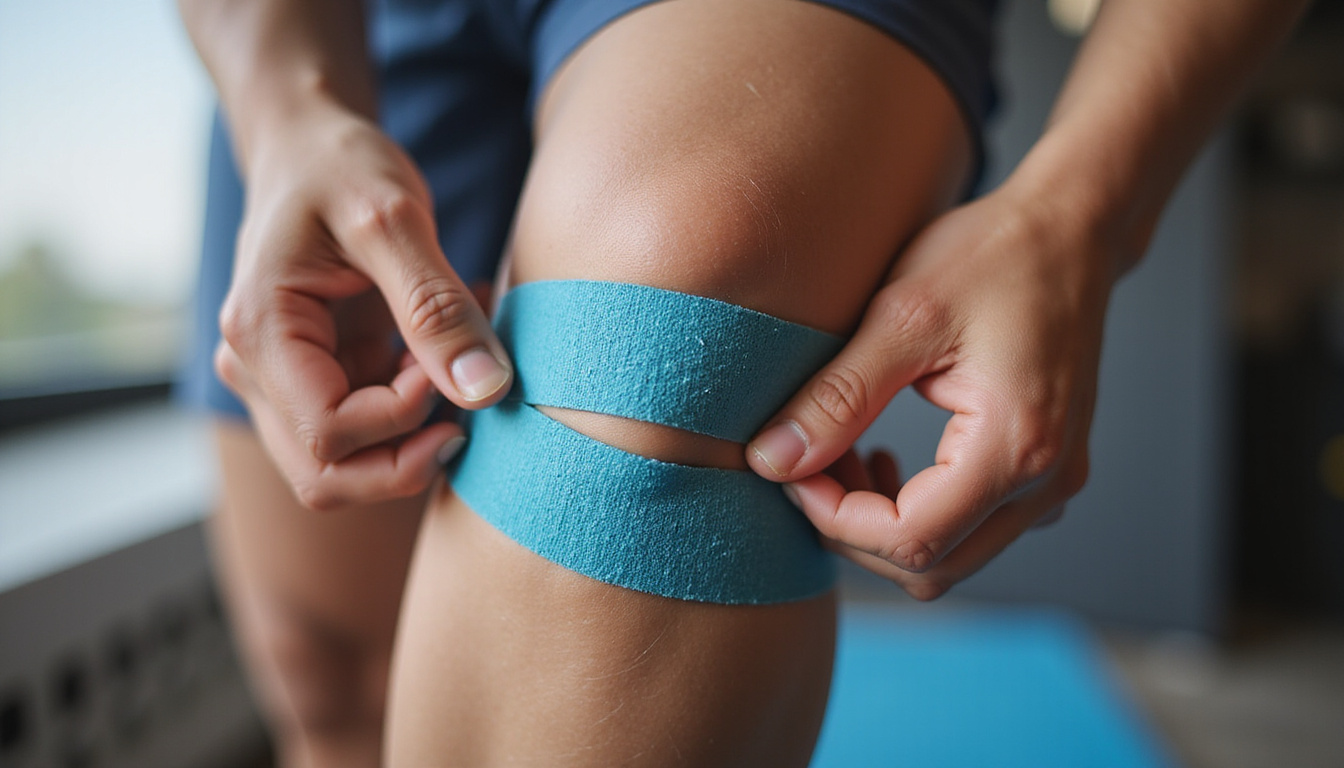
5. Target the Right Muscles, Not Just the Sore Spot
The area that hurts is often a victim of a deeper problem.
Common links are:
• Knee pain → weak hips or glutes, stiff ankles.
• Lower back pain → weak core, stiff hips, tight hamstrings.
• Shoulder pain → weak rotator cuff, stiff upper back.
Use these specific tips:
• For knee pain on stairs: Don’t only ice your knee. Strengthen your side hip with clamshells and side steps.
• For recurring back spasms: Don’t just stretch your back. Build deep core strength with dead bugs and bird dogs.
• For shoulder clicking: Do rotator cuff and shoulder blade stability work rather than only shoulder presses.
A focused exercise plan is why many choose clinics like The Pain Relief Practice instead of a “stretch only” plan.
6. Progress Gradually, Even When You Feel Okay
Pain often drops faster than your tissues heal. Tendons, ligaments, and cartilage need time.
To stop flare‑ups:
• Increase training load by no more than 10–15% each week.
• Do not jump from no sport to full games instantly.
• Alternate hard days with lighter days for mobility.
For example, if knee pain fades, try this:
- Walk pain‑free for 30–40 minutes.
- Do light cycling or elliptical work with simple strength moves.
- Add short, low‑intensity jogs or drills.
- Do partial training sessions without full match intensity.
- Gradually return to full games.
Preventing Future Injuries: Everyday Physiotherapy Tips for Singapore Lifestyles
Prevention wins long‑term joint and muscle health. If you sit at a desk, drive, or play intense sports at weekends, give your body care.
7. Micro‑Breaks for Deskbound Bodies
Long hours at the laptop hurt your neck, shoulders, and lower back.
Try this routine each 45–60 minutes:
• Stand up and walk for 1–2 minutes.
• Do 10 shoulder rolls and 10 chin tucks.
• Gently arch backward (with hands on hips) to stop slouching.
• Do 10–15 small squats or calf raises near your desk.
These small resets free pressure from discs and joints and boost blood flow.
8. Warm Up Properly Before Exercise (Especially If You’re 30+)
Many injuries begin with a rushed warm‑up in the first 15 minutes of a run or game.
A good warm‑up includes:
• Dynamic moves: leg swings, arm circles, hip circles.
• Light cardio: a jog, skip, or brisk walk for 5–10 minutes.
• Sport‑specific drills: side steps, short accelerations, and direction changes.
If you have sensitive joints (for example, patellofemoral pain or shoulder impingement), a customised warm‑up from a physiotherapist can change the game.
9. Listen to “Warning Niggles”, Not Only Sharp Pain
Your body whispers before it shouts:
• A knee may feel heavy or tight after normal walking.
• Early back fatigue may occur in the day.
• Shoulder weariness may show during overhead work or shopping.
Use such signals to:
• Lower your load for a short time (shorter run or fewer games).
• Boost recovery with sleep, hydration, and mobility work.
• See a physiotherapist before a full injury occurs.
Why Choose The Pain Relief Practice in Singapore?
If you want to fix pain issues, regain healthy joints and muscles, and enjoy life more, choose the right physiotherapy team.
At The Pain Relief Practice, we:
• Have helped people since 2007. We are one of Singapore’s established clinics.
• Focus on precise diagnosis. We do not give generic labels like “knee strain” or “backache.”
• Use hands‑on care, targeted exercises, and modern tools to speed recovery.
• Treat celebrities, national athletes, office workers, active parents, and seniors.
We see a wide range of patients—from athletes to busy professionals, all seeking pain‑free movement.
Real Results
Celebrities & National Athletes
Practical Physiotherapy Tips You Can Start Using Today
Here is a quick checklist you can screenshot:
-
DURING A FLARE‑UP
• Use ice on swollen, hot joints. Use heat on old stiffness.
• Keep your joints moving in a pain‑free range.
• Avoid full rest unless your physiotherapist says so. -
FOR DAILY JOINT COMFORT
• Take micro‑breaks every 45–60 minutes at your desk.
• Do simple neck, back, and hip moves every day.
• Wear supportive shoes if you stand or walk a lot. -
FOR SPORTS AND GYM
• Warm up dynamically before playing.
• Build hip, core, and shoulder strength—do not only chase big lifts.
• Increase exercise intensity slowly week by week. -
FOR LONG‑TERM HEALTH
• Do not ignore niggles that last over 1–2 weeks.
• Get a physiotherapy check if pain keeps returning.
• Treat your body like an investment, not a disposable tool.
Our Google Profile
For reviews, directions, and more details, visit:
https://share.google/UwMU2I9zUCwXVh0Lg
FAQ: Common Questions About Physiotherapy Tips in Singapore
1. What are the best physiotherapy tips for knee pain from running?
For runners, key tips are to strengthen hips and glutes, improve ankle movement, and slowly increase run volume. Taping and target exercises also help with patellofemoral pain and “runner’s knee.” A custom check at The Pain Relief Practice finds your weak links.
2. Are home physiotherapy tips enough for chronic back pain?
Home tips—like daily mobility moves, core work, and better posture—can help mild back pain. But if your back locks or flares up for months, self‑management is rarely enough. You will need a tailored program and hands‑on care to break the cycle.
3. How often should I do physiotherapy exercises for long‑term relief?
For lasting benefits, do physiotherapy exercises 3–5 times each week. Use small daily moves to keep your joints loose. Your physiotherapist will adjust the routine based on your needs. Consistent, long‑term work builds strong joints and reduces flare‑ups.
If your joints crack, grind, seize, or hurt constantly, it is time to act. With the right physiotherapy tips and expert guidance from a centre like The Pain Relief Practice, you can move from simply enduring pain to enjoying active, confident living.
We are a specialized physio treatment center for savvy people who want real results.
While we are not suitable for someone looking for ‘cheap physiotherapy’ or ‘free exercises available on youtube’, our treatments are affordable and are often claimable with company flexi-benefits, company health insurance, travel insurance, personal accident insurance, and other insurance plans.
Simply whatsapp or call: +65 97821601 and let us know how to help.
If you prefer a convenient nutritional preventive option, Regenerix Gold is our top recommended joint supplement.
We have been recommending this joint supplement for over a decade.
Simply start with 3 capsules, once a day.
If you do not feel better within a week, increase to 2 capsules, twice a day. (4 capsules a day in total)
Our blog readers qualify for a special discount.
Simply use the link below and a discount will automatically be applied during checkout.


