
If nagging knee pain, recurring ankle sprains, plantar fasciitis, or a stubborn lower back ache stop you from moving well, a gait lab assessment may be the key you need.
Many in Singapore accept “just bearable” joint and muscle pain until it grows too strong.
How you walk today can set you up for future injury—or help you avoid it.
This article shows how a walking analysis works, why it matters for joint issues, and how The Pain Relief Practice uses gait lab insights to help you move better, hurt less, and enjoy your life again.
What Exactly Is a Gait Lab?
A gait lab is a space where clinicians study each step you take.
They do not simply watch you walk in a hall.
They work with tools that capture:
• How your feet strike and push off
• If your knees collapse or twist
• How your hips, pelvis, and spine move
• How your weight shifts on each step
In a gait lab, the team uses:
• High-speed video cameras
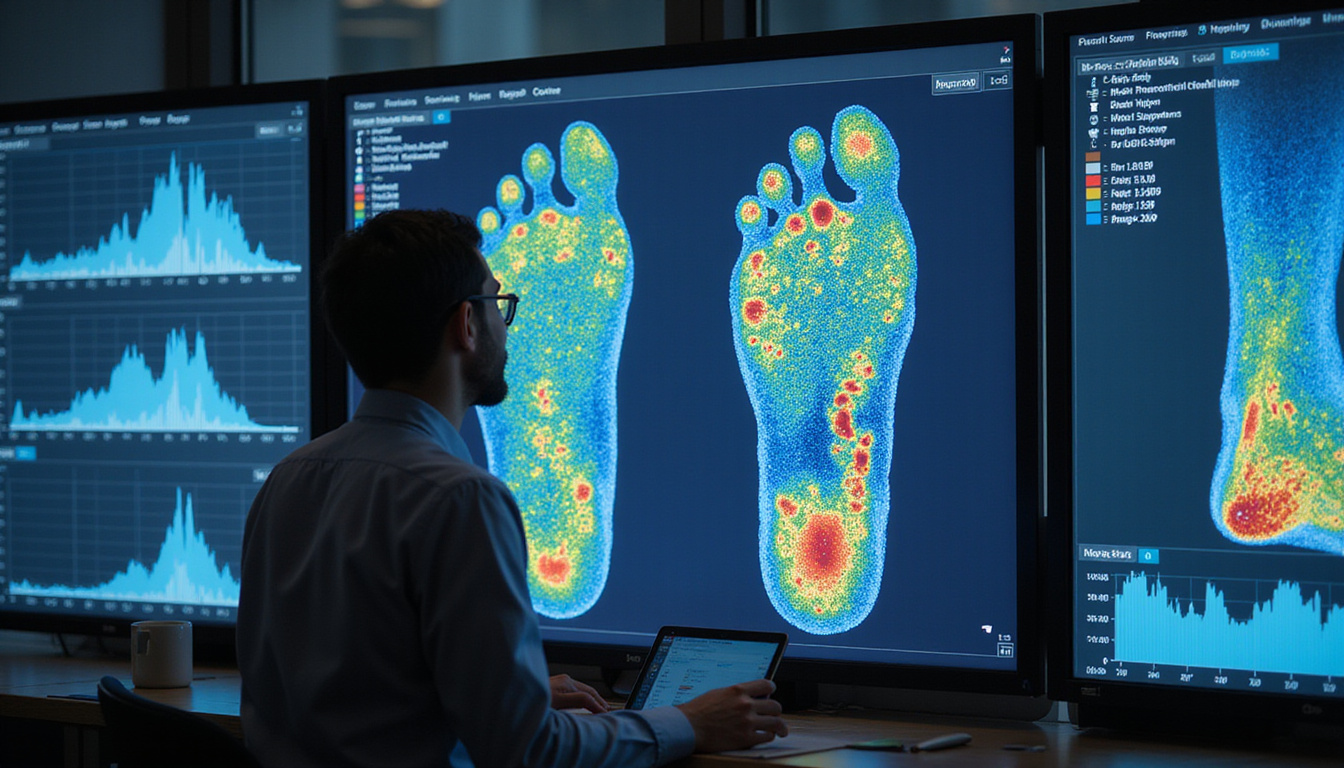
• Pressure or force plates on the floor or treadmill
• Motion analysis software
• Sometimes wearable sensors
The aim is clear: find hidden faults in movement before they lead to injury.
Why People With “Problem Joints” Should Care About Gait
If you say “bad knees,” “loose ankles,” or “an ache in my back,” your walk is seldom neutral.
Your body shifts to avoid pain.
You may:
• Limp or shorten your stride without knowing
• Turn your feet out to ease knee pain
• Lean your torso away from a hurt hip
• Overuse one side to save the other
These shifts feel normal but they can:
- Overload other joints
- Speed up cartilage or tendon wear
- Make you tire more easily
- Set you up for new injuries
A gait lab makes these hidden moves visible so that experts can fix them early.
Common Pain Patterns a Gait Lab Can Reveal
Patients in Singapore often say:
• “My knee clicks when I go down the stairs.”
• “My heel pain comes and goes but never fully leaves.”
• “My lower back locks after 15–20 minutes of walking.”
• “My hamstrings and calves are always tight despite stretching.”
In a gait lab, experts may see:
• Medial knee collapse (valgus): The knee drops inward each step, stressing the knee cap and inner joint line.
• Over-pronation: The foot rolls in too much, irritating the plantar fascia and straining the Achilles.
• Pelvic drop or hip hitch: One side of the pelvis sinks or lifts, stressing the lower back and hip.
• Over-striding: The heel lands too far ahead, jarring the knees and spine.
• Asymmetrical stance time: One leg holds weight longer to avoid pain on the other.
These signs explain why pain returns even after rest, massage, or meds.
What Happens During a Gait Lab Session?
At a clinic like The Pain Relief Practice, a gait lab session is clear and comforting.
You can expect:
-
History & Symptom Discussion
• The exact location of pain (joint line, patella, heel, sacroiliac area)
• Pain type: sharp, dull, throbbing, or stiff
• When pain flares: early morning, after walking, or after standing
• Past injuries, surgeries, flat feet, high arches, etc. -
Physical Assessment
• Check of joint range (ankle, hip, spine)
• Muscle strength and balance (glutes, core, calves, hamstrings, quads)
• Posture and leg length differences -
Walking (and Sometimes Running) Analysis
• You walk at your own pace on a walkway or treadmill
• Video cameras record from many angles
• Pressure plates or sensors note how weight shifts under your feet -
Data Review & Explanation
• Experts replay your walk in slow motion
• They compare left and right sides
• They explain in plain words what your joints do and what that means for your pain -
Personalized Treatment & Prevention Plan
• The therapist makes a plan based on your gait lab findings.
From Data to Action: How Gait Lab Analysis Prevents Injuries
A gait lab is most useful when its findings lead to real change.
At The Pain Relief Practice, the data helps form a plan that will:
1. Reduce Current Pain
• Use manual therapy and joint mobilization to free stiff spots.
• Apply soft tissue release for overworked muscles.
• Use targeted anti-inflammatory methods when needed.
2. Correct Faulty Movement Patterns
• Retrain your muscles and brain for a safer walking pattern.
• Strengthen weak areas like glutes, hip rotators, and core.
• Offer footwear or insole advice to cut knee and back stress.
3. Build Long-Term Resilience
• Slowly increase walking distance, speed, or varied terrain when joints are ready.
• Make sport-specific or lifestyle-specific adjustments for activities such as stairs, hills, or recreational sport.
Over time, these actions help reduce the risk of:
• Meniscus and cartilage wear
• Recurrent ankle sprains
• Chronic plantar fasciitis
• Stress fractures
• Continued back and hip pain
Research backs up gait analysis as a way to reduce injuries and improve movement.
Real Results
Why Choose a Specialized Pain Treatment Center in Singapore?
You may find a basic “gait check” anywhere.
A true gait lab at a pain treatment center gives you more, especially if you suffer from long-term joint or muscle issues.
The Pain Relief Practice is:
• An established physiotherapy clinic in Singapore
• Serving patients well since 2007
• Focused on helping those who want:
- Real solutions, not just a mask for pain
- Strong, healthy joints and muscles
- Better performance and more joy in life
They do gait lab work that matches your real life—chasing kids, catching the MRT, climbing HDB stairs, jogging at East Coast Park, or playing badminton, tennis, or football.
Celebrities & National Athletes
The same ideas that protect elite athletes can help anyone who wants to walk without pain, avoid surgery, and stay active well into later years.
Who Should Seriously Consider a Gait Lab Assessment?
If one or more of the following fits you, consider a gait analysis now:
• You have recurrent knee, foot, ankle, hip, or back pain when walking
• You feel your joints are wearing out too fast
• You had meniscus, ligament, or tendon injuries and still feel not 100%
• You plan to walk or run more for health or weight loss
• You have flat feet, high arches, knock knees, or bow legs
• You worry about future surgery and want to protect your joints
• You are a serious walker, runner, or athlete aiming for better performance and fewer setbacks
What a Proper Gait Lab–Driven Plan Might Include
After your gait lab session, your plan might look like this:
-
Immediate Pain Control (Weeks 1–2)
• Manual therapy for stiff joints
• Soft tissue techniques for tight, overworked muscles
• Simple home exercises to lower flare-ups -
Movement Pattern Correction (Weeks 2–6)
• Drills for step and posture to fix knee collapse or over-pronation
• Stability work for the glutes and hips to stop pelvic drop
• Strengthening for feet and ankles if you have sprains or plantar fasciitis -
Performance and Load Progression (Weeks 4–12+)
• Gradually increase walking distance or speed
• Work on sport-specific motions if you run or play sports
• Re-check your progress to ensure the change stays
This plan does more than just do physiotherapy—it rewires how your body shares load with each step.
Why DIY Gait Fixes Don’t Usually Work
Many try to self-fix by:
• Watching random walking tips on YouTube
• Buying “supportive” shoes or insoles
• Stretching endlessly to loosen tight spots
Without proper gait lab data, these fixes are guesses.
You may stretch muscles that do not need it, strengthen the wrong parts, or hide underlying faults with extra cushioning.
A professional gait analysis will:
• Find the root cause, not just the pain spot
• Tell apart stiff, weak, and overactive parts
• Tailor the plan to your joint behavior, not to generic advice
Our Google Profile
You can learn more about The Pain Relief Practice.
Read patient reviews and get directions via our Google profile:
https://share.google/UwMU2I9zUCwXVh0Lg
FAQs About Gait Lab & Walking Analysis
1. How can a gait lab in Singapore help my knee and back pain?
A gait lab finds patterns that load your knees and spine too hard.
For example, inward knee collapse, over-striding, or uneven weight bearing.
With these findings, a physiotherapist designs exercises, manual therapy, and recommends footwear or insoles to ease knee and back pain over time.
2. Is gait analysis only for runners, or can regular walkers benefit too?
Gait analysis helps all walkers.
Every step counts—whether you commute or take weekend walks at East Coast or Botanic Gardens.
A gait lab assessment helps with plantar fasciitis, Achilles pain, knee aches, or hip stiffness.
It makes your movement more efficient and slows joint wear.
3. How often should I repeat a gait lab assessment?
For most people, a detailed assessment once a year is enough—especially if you increase your activity or have a joint history.
After a major rehab (like a ligament injury or surgery), repeating gait analysis in 3–6 months confirms that your walking has truly improved and that you are not compensating in harmful ways.
If you are tired of living with pain—counting MRT stops, avoiding stairs, or skipping activities you love—think about a gait lab assessment at The Pain Relief Practice.
How you walk now can protect your joints for tomorrow.
We are a specialized physio treatment center for savvy people who want real results.
While we are not suitable for someone looking for ‘cheap physiotherapy’ or ‘free exercises available on youtube’, our treatments are affordable and are often claimable with company flexi-benefits, company health insurance, travel insurance, personal accident insurance, and other insurance plans.
Simply whatsapp or call: +65 97821601 and let us know how to help.
If you prefer a convenient nutritional preventive option, Regenerix Gold is our top recommended joint supplement.
We have been recommending this joint supplement for over a decade.
Simply start with 3 capsules, once a day.
If you do not feel better within a week, increase to 2 capsules, twice a day. (4 capsules a day in total)
Our blog readers qualify for a special discount.
Simply use the link below and a discount will automatically be applied during checkout.

 PROVIDING FAST, EASY & INSURANCE CLAIMABLE PAIN RECOVERY SINCE 2007